





Let's take a look together at the 18 biggest nutrition myths of 2018, and try to dispel them - part 1.
 Author: Šárka Randáčková
 There are so many myths about nutrition that we don't even know where to start. In the next few lines we will discuss carbohydrates, fats, proteins, eggs and much, much more.
You would think that the nonsense and myths about nutrition would be diminishing with the advent of the internet. But the opposite is, unfortunately, true. They are spread through social networks, blogs and vlogs, and are even authored by many well-known personalities.
The actual studies are too long and complicated. It's more fashionable to indulge in a viral hit and not ask too much about the origin of the information.
We are all about scientific evidence. So we've collected 18 of the biggest nutrition myths that just won't die and we're going to scientifically debunk them.
Myth 1: Carbohydrates are bad for you
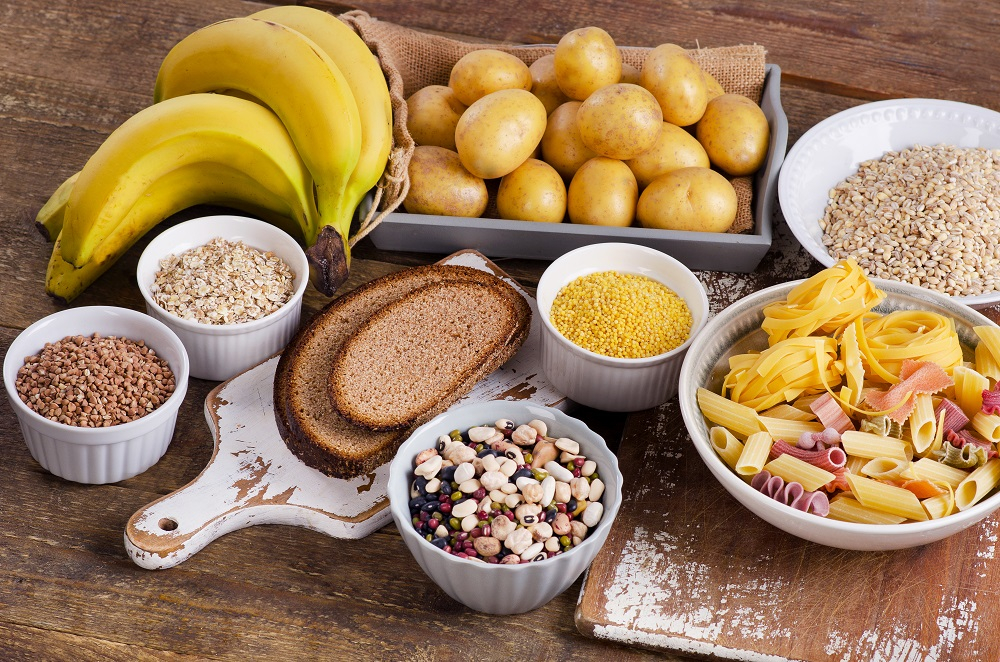
For years, we've resisted fats. Today, their role has been taken over by carbohydrates, which in recent years have been lumped together.
Enough people even believe that the danger of a food is directly equal to its glycemic index. However, many studies deny the benefits of a low GI.[1][2][3][4][5][6][7][8][9][10][11]
Insulin also doesn't have the best reputation. Carbohydrates are said to reduce the body's sensitivity to this blood sugar-regulating hormone. This may be true for diabetics and people insensitive to insulin, but not for healthy people with healthy diets. Insulin resistance has many factors such as excess fat, activity, sleep and genetics.
Modern life, of course, tends to have an excess of processed carbohydrates. Reducing them can bring weight loss, if it makes you eat less. But if tightening carbs makes you constantly hungry and unhappy, you should look for other options.
You don't lose weight by replacing fat with carbs or vice versa. You lose weight by a caloric deficit.
Myth 2: Fats are bad for you
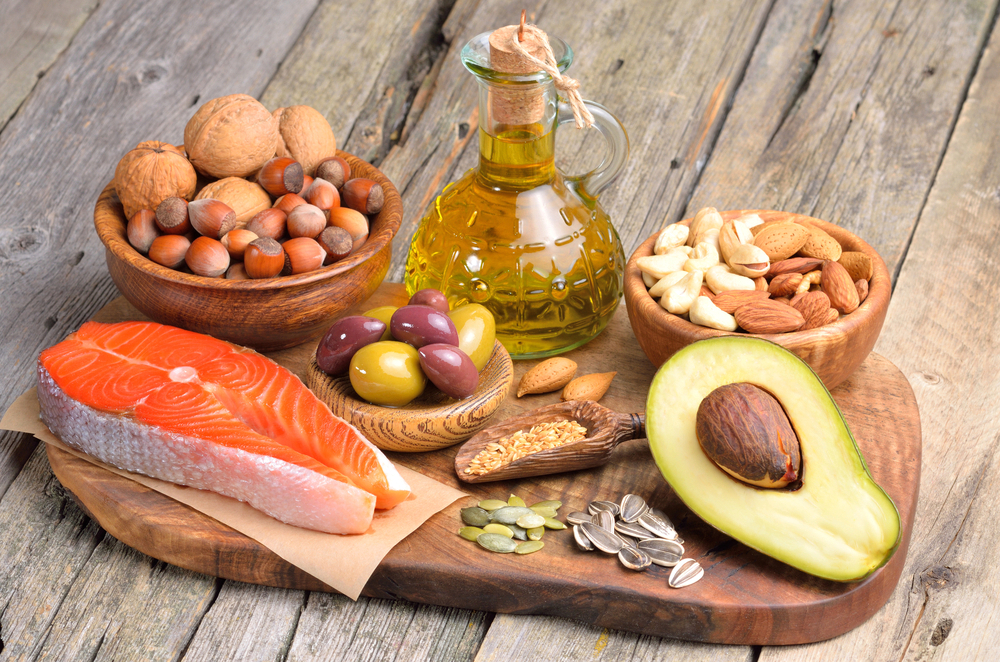
I eat fat, I gain fat, right? Tightening fat has been a staple of diets for decades. But old wisdom must give way to new studies[12].
Today, we know that eating cholesterol doesn't raise your cholesterol levels, and eating fat doesn't raise your fat stores.
Completely omitting fat from your diet may even be dangerous.
Omega-3 and omega-6 fatty acids are pretty essential for your body. And that saturated fat is a major cause of cardiovascular disease: yes, that's a myth too.
The only real pest is trans fats - a little won't kill you, but avoid them as much as possible[13].
Myth 3: Protein is bad for you
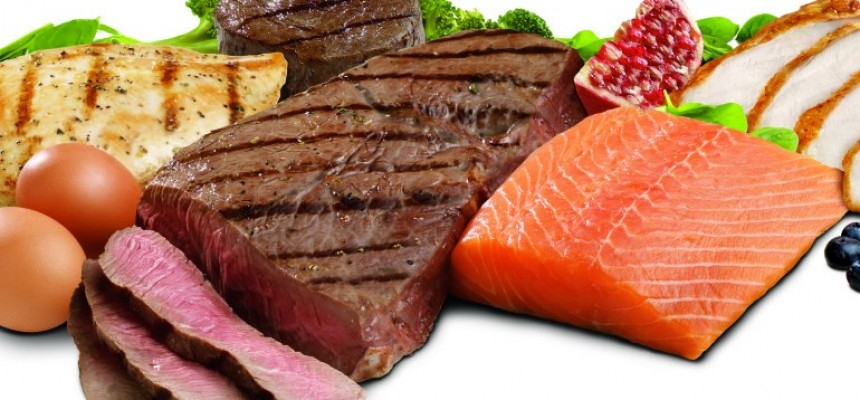
Protein is often attributed to kidney and bone damage. Let's go over this one by one.
One old study linked protein to calcium in urine, which was thought to come from bones. However, later studies have found that urinary calcium is not an indicator of bone health, and that protein has a neutral to positive overall effect on bones[14][15].
Another early study claimed that protein disproportionately burdens the kidneys.[16] This too has been refuted by much more recent studies.[17][18]
More recent studies show no adverse effects of a high-protein diet on the human body.[19]
Myth 4: Yolks are bad for you
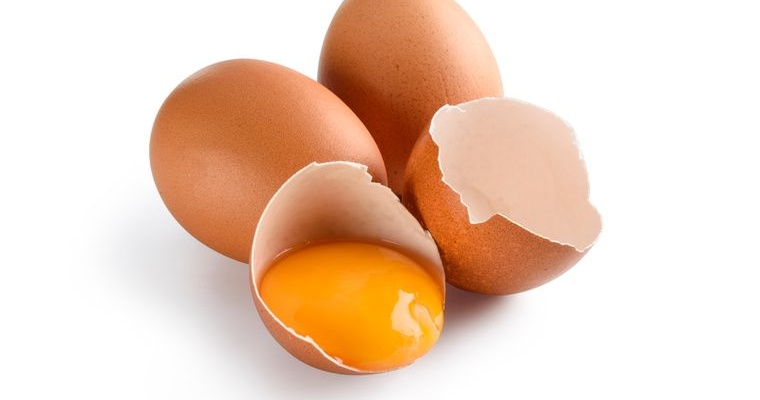
The media does a beautiful job of scaring us away from perfectly healthy foods. Egg yolks are evergreen. Yet they are packed with nutrients and contain high amounts of cholesterol, the consumption of which is not associated with cholesterol levels in most people.
Other clinical trials have not confirmed a link between eggs and cardiovascular disease, that is, unless people had predisposing conditions such as diabetes and hyperglycemia[20].
Myth 5: Red meat is bad for you
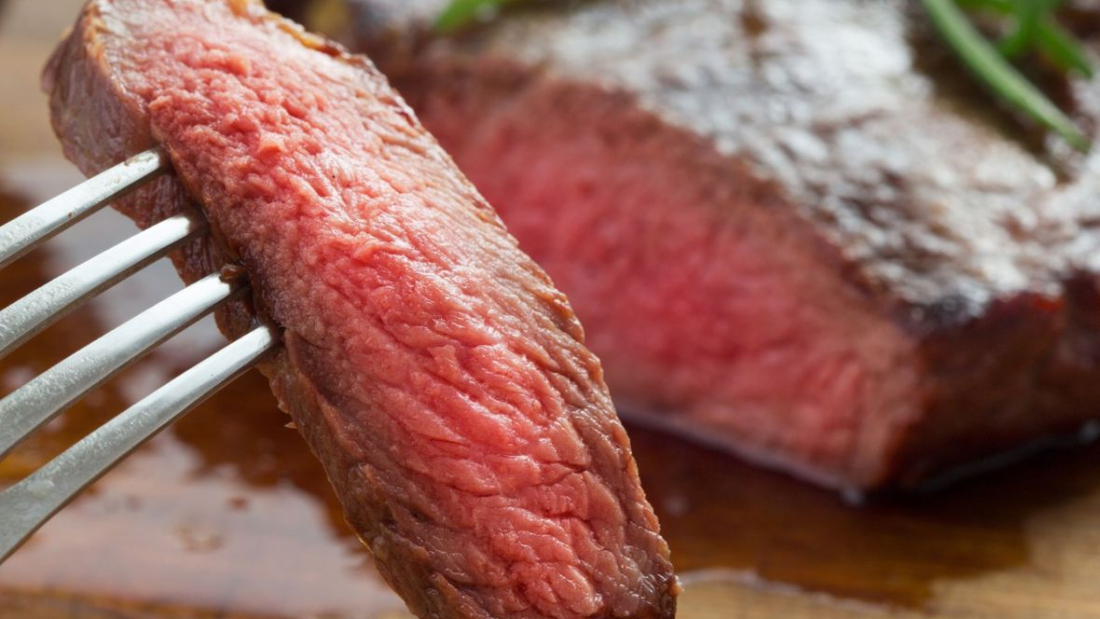
The old wives' tale: red meat causes cancer. Myths arise from just such absolute statements.
More or less all of our food has cancer-causing potential.[21] So do antioxidants. But the extent of their influence is not even worth noting.
New evidence says that red meat can harm people with poor diets and lifestyles.PMID|24842864PMID|24659930
But if you exercise, eat fruits and vegetables, don't smoke and drink only moderately, the red meat-cancer connection shouldn't be of much concern to you.
Myth6: Salt is bad for you
Most myths grow from a grain of truth. Studies link excess salt to high blood pressure, kidney damage and an increased risk of intelligence decline. [ 22][23][24][25]
Sodium, however, is essential for the body. The problem is when you eat too much of it.
The problem is also in the source. The typical American eats disgusting amounts of salted processed foods[26] - making it hard to separate the effect of salt and the effect of all that junk food in general. Except for people with sodium-sensitive hypertension,[27] the connection is much weaker than you might think[28].
In addition, both very high and very low sodium intake have been associated with heart disease[29].
Myth 7: Bread is bad for you
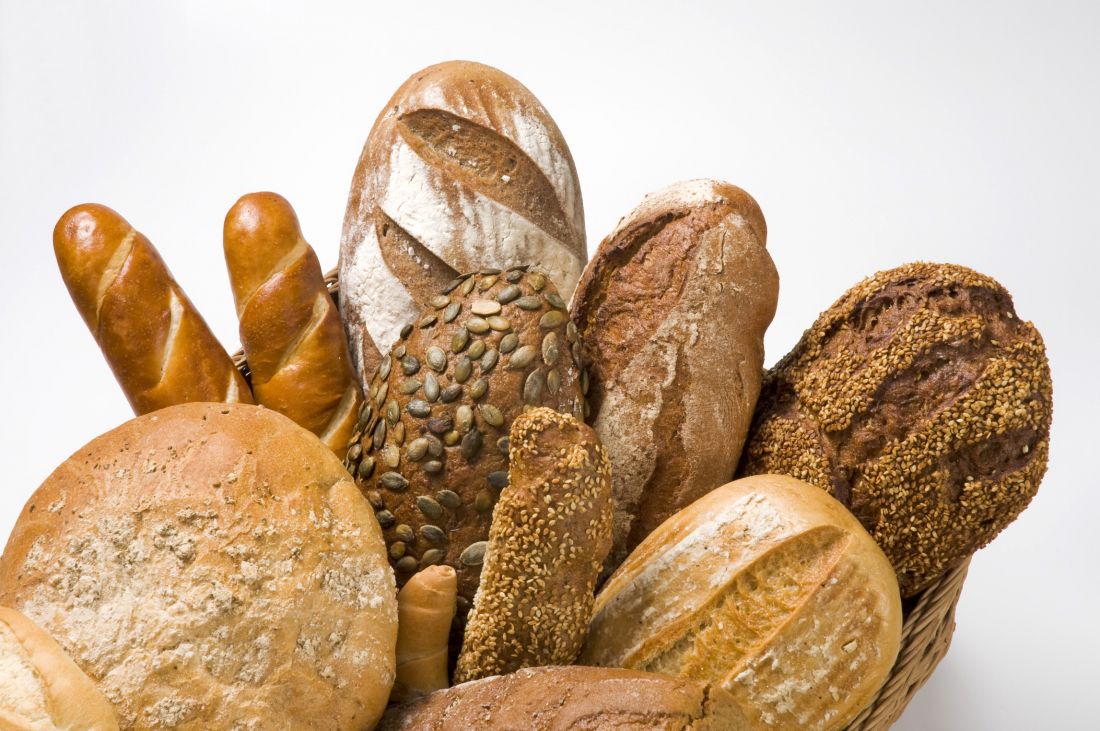
Bread is a bad thing for everyone, especially white bread. There are usually two arguments:
- Bread makes you fat.
- Bread contains a lot of gluten, which is bad for you.
Bread doesn't necessarily make you fat. It's easy to overeat, that's true. And it has a lot of high-calorie stuff on it, like butter, peanut butter, jam and honey. That can lead to caloric excess and thus fatness. Bread can also take the place of healthier foods in the diet.
Some people avoid bread completely because of its gluten content. Critics say that any gluten content is harmful. Any, that's quite an exaggeration, but gluten sensitivity is real."[30][31] You can also be allergic to other ingredients and products of bread making.[32][33][34]
White and wholemeal bread
You may have heard that whole wheat bread is okay. Compared to white bread, it has, for the same number of calories, a lower glycemic index, which means less insulin is flushed out. It also contains more fibre and is therefore generally considered a healthier alternative.
However, the media fails to mention that the difference between white and wholemeal bread is relatively small.
Yes, whole wheat bread has more fiber. However, compared to vegetables and fruits, neither have hardly any. So you definitely don't have to eat whole grains for the fiber.
White bread loses some nutrients in processing, but these are often added to it later (by enrichment).
Myth 8: High-fructose corn syrup is worse than sugar
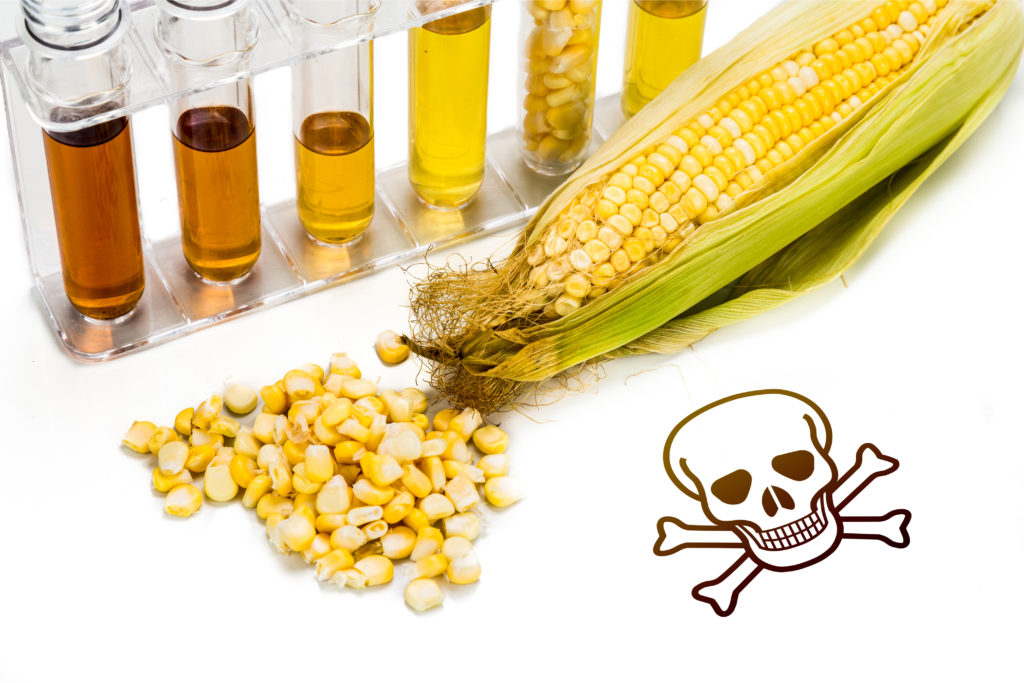
Glucose, the sugar in your blood, is your body's favorite source of energy. Fructose, by converting to glucose, can also be used for this purpose.
Old evidence has led to the belief that fructose can cause fatty liver, as well as insulin insensitivity and obesity. Fructose corn syrup is all fructose, which is how it was declared unhealthy.
However, this syrup contains only 42-55% fructose. Sucrose, or table sugar, contains 50% fructose. So the difference is -8% to +5%, which is too little to make a difference.
Myth9: There are more nutrients in fresh than in frozen
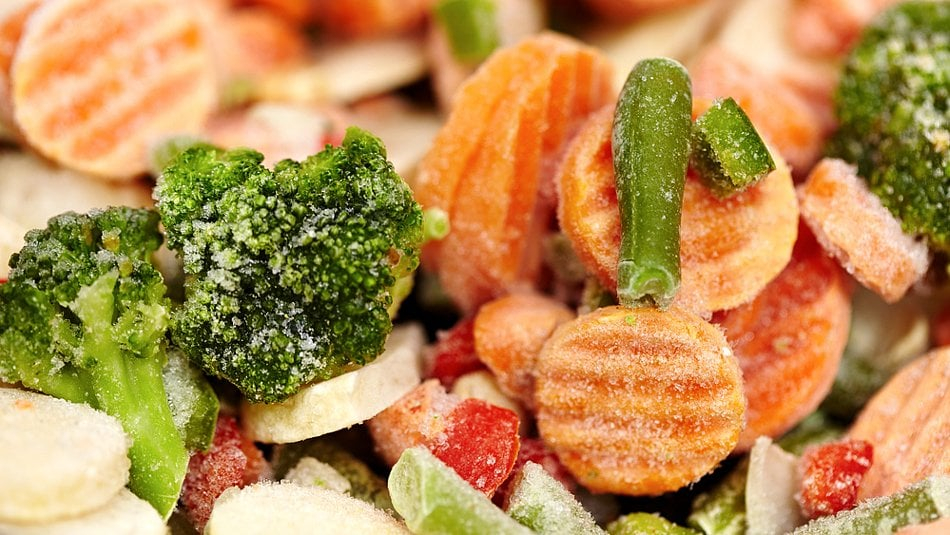
Some people simply love fresh produce. It just sounds better than frozen or canned. But fresh doesn't necessarily mean richer in nutrients.
Fresh produce is usually left to ripen in stores. Frozen produce goes through the same process before being frozen. Some are immersed in hot water before freezing to prevent adverse processes and changes in nutritional value[35].
There will be slight differences, but most fresh and frozen items have the same nutritional values[36].
In part 2, we'll look at 9 more myths. These will cover topics such as fasted cardio, the need for protein immediately after a workout, and not eating in the evening.
Source: www.examine.com - The top 18 nutrition myths of 2018
Author.
Author: Šárka Randáčková No posts have been made yet.








