





How does the state of the gut biome affect our psyche?
 Author:
 The importance of our gut biome is highlighted very often. Our gut is even called "second brain", and this is no coincidence. In fact, there is a very strong connection between our brain and gut (second brain) and it is not surprising that events of one side or the other, strongly influence the other side, no matter how far apart they are in the body. If our biome is not in order, this will manifest itself, among other things, in a bad mood, fatigue, lack of focus or even depression. And the reverse is equally true. The communication system between the gut and the brain is called the Gut-brain axis (GBA).
A theoretical window - what does the gut-brain axis actually represent and how does it work?
The human microbiome is made up of approximately 100 trillion different microorganisms, including fungi, yeasts, viruses and protozoa. Our gut then hosts between 300-500 million species of these microorganisms. The microbes in the gut are crucial for the optimal functioning of our bodies and for ensuring overall health. Their role is even more important than long thought. We have all known for a long time that our gut biome is extremely important for strong immunity, proper digestion and absorption of nutrients from food. But the importance of the microbiome goes back even further! The gut and the brain are in constant "two-way" communication, which means that the health of the microbiome and gut function also affects the human psyche.
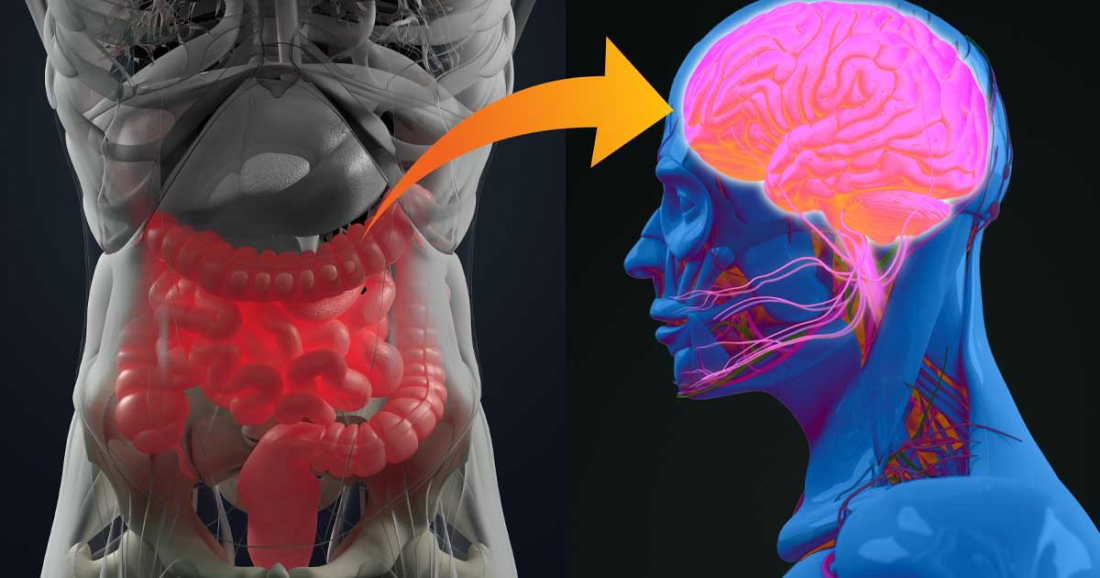
In fact, recent research has confirmed that the composition of the gut microbiome of individuals suffering from mental illness is different from that of the gut microbiome of healthy individuals. Other studies have since shown that certain types of bacteria do indeed have a profound effect on the human psyche, and their absence in the gut can lead to depression, anxiety, concentration and memory problems. Their absence can even be a stimulus for the development of schizophrenic disorders or even autism. In contrast to genetic predispositions, the composition of the gut microbiota can be influenced, which is positive news for patients suffering from neuropsychiatric diseases. This alternative hypothesis could confirm the absolutely crucial role of the gut microbiota in the pathophysiology of many disorders, such as the aforementioned schizophrenia, autism, anxiety and depression.
On the other hand, the brain alters the composition of the gut microbiota indirectly, for example, by influencing secretion, gut motility, gut permeability or directly by the action of signaling molecules that pass through the lumen. The lumen is the name given to the inner part of blood vessels, intestines or other hollow organs. The composition of the gut microbiota is also largely influenced by stress, among other things. An imbalance on the gut-brain axis can lead to increased gut permeability, can trigger irritable bowel syndrome, depression, excessive fatigue, and may even be one of the main contributing factors to the development of autism.
There are three main types of communication channels on the gut-brain axis:
- The central nervous system (CNS).
- The immune system
- Endocrine system (hormones)

The gut and the brain are physically and biochemically connected in many different ways. The fastest, and actually the most important, connection is provided by the ten-headed vagus nerve - the Nervus Vagus. The vagus nerve is one of the largest nerves connecting the gut and the brain and can send signals in both directions. Because of this, feelings such as happiness, nervousness or infatuation arising in our brains can cause us to feel those "butterflies in our stomachs". And in contrast, our gut can trigger depression or anxiety if there's something wrong in it. Studies show that gut bacteria can produce neurotransmitters that affect concentration, mood, and the ability to learn and remember. The bacteria also produce short-chain fatty acids (SCFAs) such as butyric acid, propionic acid and acetic acid, which are also able to stimulate the sympathetic nervous system, stimulating the release of serotonin in the mucous membranes, thereby affecting memory and the learning process in the brain, among other things.
According to research, 80-95% of the total amount of serotonin (the happiness hormone) is produced in our intestinal biome. This is considered in the central nervous system as a kind of regulator of our mood. Sufficient levels of this hormone lead, as the name suggests, to feelings of happiness and well-being, while a lack of it leads to depression, sleep disorders, irritability, moodiness, etc. The gut microflora also plays an important role in the metabolism of tryptophan, which is a precursor to serotonin production.
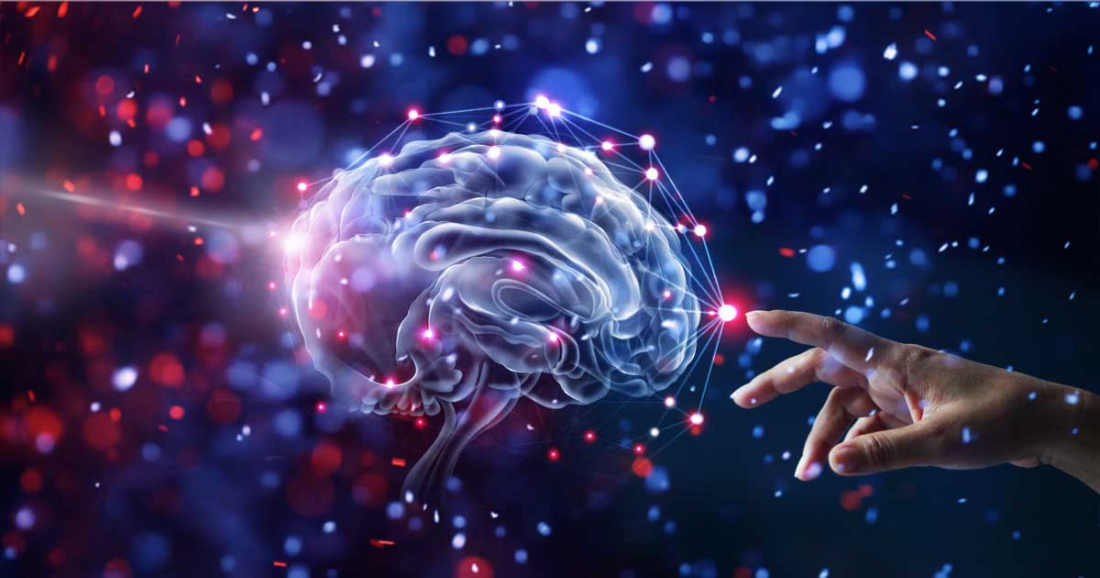
Thus, trying to maintain a healthy gut biome and ensure its optimal function is essential for our mental health and well-being. Disruption of the harmony of the microbiome is increasingly associated with the occurrence of allergies, autoimmune diseases, metabolic disorders and neuropsychiatric disorders that afflict today's society. To make matters worse, our gut biome interacts not only with the nervous system, but also with the body's defence system, i.e. immunity. As you know, the gut biome is one of the most important parts of our body's immune system, and if it is not functioning properly, logically our body's defence system cannot function properly either, which makes us more likely to get sick. The immune system, the microbiome and the nervous system are three areas that are constantly communicating with each other and making sure that our body functions properly.
STRESS, a pest to the whole organism
We would probably be hard pressed to find a factor that affects the health of our biome more significantly than stress. Of course, it depends on the composition of our diet, but stress can also affect the choice of foods we eat and the quantities in which we eat them, which is why we can without exaggeration call it a major pest. The fact is, in this day and age with the emphasis on performance and ever-increasing demands, we are all under stress on a daily basis, and this has a negative impact on our overall health. In fact, there is evidence that the CNS response to psychological and physical stresses can affect gut homeostasis and lead to diseases such as ulcerative colitis or irritable bowel syndrome, diseases that can be functionally linked to psychological disorders such as depression, anxiety or moodiness.
Irritable bowel syndrome (IBS) is a gastrointestinal disorder from which a surprisingly high percentage of the population currently suffers. In IBS, there is frequent abdominal pain, flatulence, impaired nutrient absorption and, as a result, the development of depression or anxiety. Do you know what the most common cause of IBS is? Stress, of course. Because when the body is under prolonged excessive stress, it affects its entire functioning greatly, and as we already know, the gut-brain connection is so strong that what happens at one end or the other will significantly affect what is at the opposite end. And of course, individuals with IBS are then more likely to be depressed or anxious.

Some ingrained dietary structures and habits may also play a role. Many people tend to eat in a hurry or reach for food when they feel stressed, because food simply makes them feel good and "calms them down" by releasing dopamine. When stressed, there is a production of cortisol, the stress hormone, which stimulates the production of ghrelin, the hunger hormone. You could say that the body is actually crying out for a "band-aid" for stress. Overeating, or frequent consumption of nutritionally inferior foods, is of course not entirely appropriate, as it can lead to imbalances in the gut biome, obesity or even eating disorders.
Increased cortisol production also occurs when our dietary direction is too extreme or when our physical activity is excessive. For a while, of course, you function normally, maybe even feel better at first, but after a while the body takes its toll. An imbalance on the gut-brain axis can also occur with frequent alcohol consumption or due to overuse of medications. It is important to say that there are a number of factors that affect the stability of this hugely important communication axis, and the moment it becomes misaligned, it is necessary to quickly look for the cause and ensure that it is corrected.
The good news - the health of the biome can be consciously influenced
Yes, that's right. We can take care of the health of our biome and if we do so with the necessary care, then it will reward us accordingly. Let's look together at some tips that will benefit your biome and you can practice today.
Diet
Of course, we can't start with anything other than just diet. We should make sure that our diet contains food in its most natural form, and we should avoid ultra-processed foods. Our diet should not lack sufficient fibre - this can be ensured by eating fruit, vegetables, cereals, seeds and whole grains on a daily basis. Consumption of soluble fibre is essential for the gut bacteria that ferment this fibre and produce short-chain fatty acids, especially butyrate, as a waste product. Butyrate is a suitable substrate for colonocytes (epithelial cells of the colonic mucosa), providing 60-70% of the energy requirements of colonic epithelial cells. Butyrate is immunoregulatory, helps regulate intestinal inflammation and improves intestinal barrier permeability by accelerating the assembly of tight junction proteins. Butyrate also affects brain function, helps reduce the effects of oxidative stress, affects metabolism and has anti-inflammatory effects.
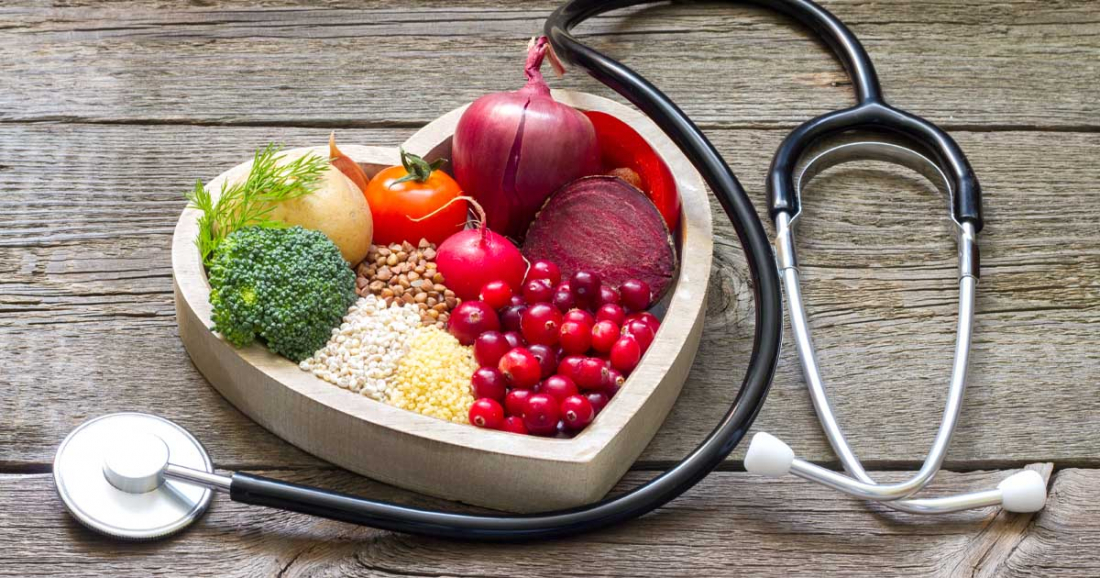
Another component of the diet that can very significantly impact the health of our biome is probiotics and foods rich in them. Probiotics are a type of beneficial bacteria that help to ensure balance in our digestive system, and thus in the whole organism. Some of the best sources of probiotics include fermented dairy products such as kefir, buttermilk or acidophilus milk, as well as white unsweetened yogurt, kimchi, fermented vegetables, sauerkraut and kombucha. Probiotics can also be taken in supplement form. Adequate fluid intake is also important - ideally in the form of pure water.
On the other hand, we should limit the intake of processed foods, excessive intake of added sugars, inappropriate types of fat, sweeteners and other additives in large quantities, sausages, fast foods. These foods have a negative impact on our intestinal biome and can cause increased permeability of the intestine and therefore further complications. We should also limit alcohol consumption. Of course, it is not only what we eat that is important, but also how we eat. When eating, we should practice mindful eating. This means that we should be completely calm during meals and focus only on our plate. It is definitely not advisable to eat in front of a computer, newspaper or television. Chew each bite thoroughly, savour it, discern the colours, tastes, textures. This may seem like completely unnecessary information, but mindful eating is a very important concept for ensuring proper digestion and also for the perception of satiety.

Lastly, we will add a warning about overuse of medication. Painkillers, antibiotics and other medical products can negatively affect the state of our biome. It is therefore advisable to add the aforementioned probiotics ( ideally in the form of a supplement at such times) when taking medication for a prolonged period of time to help harmonize the environment of our biome and help maintain adequate amounts of beneficial bacteria that are important for optimal digestion, metabolism and psychological well-being.
Rest, sport, stress elimination
It is not only food that affects what happens in our biome. It is important to follow the overall principles of a healthy lifestyle. That is: exercise regularly, spend enough time in the fresh air, don't forget to rest, give your body adequate amounts of quality sleep and try to eliminate stress. Of course, this is not possible completely, but try to find something that helps you relax. It can be exercise, a walk in nature, listening to music, reading a book, a warm bath, a massage - there are many ways to vent stress and it's up to you which one you choose. Remember that excessive stress negatively affects digestion and is a big trigger for the development of depression and anxiety.
Forget the extremes
Following on from the previous paragraph, we must also remind you that we should not resort to any extremes. In diet, in sport, even at work. The body may be able to function under pressure for a while, but sooner or later it stops liking it and the toll is high. Don't forget that the body is an amazing machine, but you need to take the best possible care of it and learn to listen to it.
Recommended
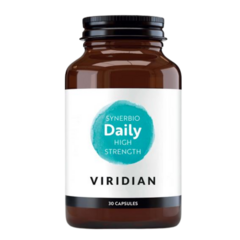
Viridian Synerbio Daily
What to take away from the article?
Our intestines are rightly called the second brain. That's because they are in constant two-way communication with our right brain. It's no surprise that the state of our gut biome affects our psychological well-being, mental performance and, of course, our immunity. Fortunately for us, the health of the microbiome is largely in our hands. The key to the health of our gut is to have a balanced diet based on eating as little processed and as fresh foods as possible, making sure to get enough fiber and probiotic foods, and following a drinking regimen. Of course, other principles of a healthy lifestyle such as regular physical activity, getting enough sleep, eliminating stress, etc. are also beneficial.
Sources:
Foster, J. A., Lyte, M., Meyer, E., & Cryan, J. F. (2016). Gut Microbiota and Brain Function: An Evolving Field in Neuroscience. The international journal of neuropsychopharmacology, 19(5), pyv114. https://doi.org/10.1093/ijnp/pyv114
Bravo, J. A., Forsythe, P., Chew, M. V., Escaravage, E., Savignac, H. M., Dinan, T. G., Bienenstock, J., & Cryan, J. F. (2011). Ingestion of Lactobacillus strain regulates emotional behavior and central GABA receptor expression in a mouse via the vagus nerve. Proceedings of the National Academy of Sciences of the United States of America, 108(38), 16050-16055. https://doi.org/10.1073/pnas.1102999108
Rogers, G., Keating, D., Young, R. et al. From gut dysbiosis to altered brain function and mental illness: mechanisms and pathways. Mol Psychiatry 21, 738-748 (2016). https://doi.org/10.1038/mp.2016.50
Mangiola, F., Ianiro, G., Franceschi, F., Fagiuoli, S., Gasbarrini, G., & Gasbarrini, A. (2016). Gut microbiota in autism and mood disorders. World journal of gastroenterology, 22(1), 361-368. https://doi.org/10.3748/wjg.v22.i1.361
Eckburg, P. B., Bik, E. M., Bernstein, C. N., Purdom, E., Dethlefsen, L., Sargent, M., Gill, S. R., Nelson, K. E., & Relman, D. A. (2005). Diversity of the human intestinal microbial flora. Science (New York, N.Y.), 308(5728), 1635-1638. https://doi.org/10.1126/science.1110591
Kelly, J. R., Kennedy, P. J., Cryan, J. F., Dinan, T. G., Clarke, G., & Hyland, N. P. (2015). Breaking down the barriers: the gut microbiome, intestinal permeability and stress-related psychiatric disorders. Frontiers in cellular neuroscience, 9, 392. https://doi.org/10.3389/fncel.2015.00392
Carabotti, M., Scirocco, A., Maselli, M. A., & Severi, C. (2015). The gut-brain axis: interactions between enteric microbiota, central and enteric nervous systems. Annals of gastroenterology, 28(2), 203-209.
Kuwahara, A., Matsuda, K., Kuwahara, Y., Asano, S., Inui, T., & Marunaka, Y. (2020). Microbiota-gut-brain axis: enteroendocrine cells and the enteric nervous system form an interface between the microbiota and the central nervous system. Biomedical research (Tokyo, Japan), 41(5), 199-216. https://doi.org/10.2220/biomedres.41.199
Peng, L., He, Z., Chen, W., Holzman, I. R. & Lin, J. Effects of butyrate on intestinal barrier function in a Caco-2 cell monolayer model of intestinal barrier. Pediatr. Res. 61, 37-41 (2007).
Burger-van Paassen, N. et al. The regulation of intestinal mucin MUC2 expression by short-chain fatty acids: implications for epithelial protection. Biochem. J. 420, 211-219 (2009).
Pellizzaro, C., Coradini, D., Daniotti, A., Abolafio, G. & Daidone, M. G. Modulation of cell cycle-related protein expression by sodium butyrate in human non-small cell lung cancer cell lines. Int. J. Cancer 91, 654-657 (2001).
No posts have been made yet.








