





You are what you eat and your microbiome is proof!
 Author:
 Absolutely everyone knows that the gastrointestinal tract is responsible for digesting food. However, most people are surprised to learn that more than two-thirds of the human immune system lives there. Having a highly functional immune system therefore depends on a healthy gut biome, and any damage to our digestive health means that our immune system is not as strong as it might otherwise be.
Few people also realize that our digestive tract produces over 90% of our body's serotonin - an important neurotransmitter that plays a role in mood regulation, good memory, quality sleep, temperature regulation, and influencing appetite and sexual appetites. How specifically does our digestive tract affect our health and how do we keep it in good shape?
Article content:
- Theoretical window - what is the microbiome?
- What is the microbiome?
- Diet as the key to a healthy biome
- Foods that harm the biome
- How else we can support our microbiome
- What to take away from the article?
A theoretical window - what is the microbiome?
Each of us has an internal ecosystem of bacteria inside our bodies that we call the microbiome. The microbiome is defined as a "community of microbes". Most people think of the bacteria in the body as the cause of disease or the development of certain illnesses, but in reality there are actually billions of beneficial bacteria in each of us. The vast majority of the beneficial bacterial species that make up our microbiome live legally in our digestive system and are important for the immune system and other bodily processes.
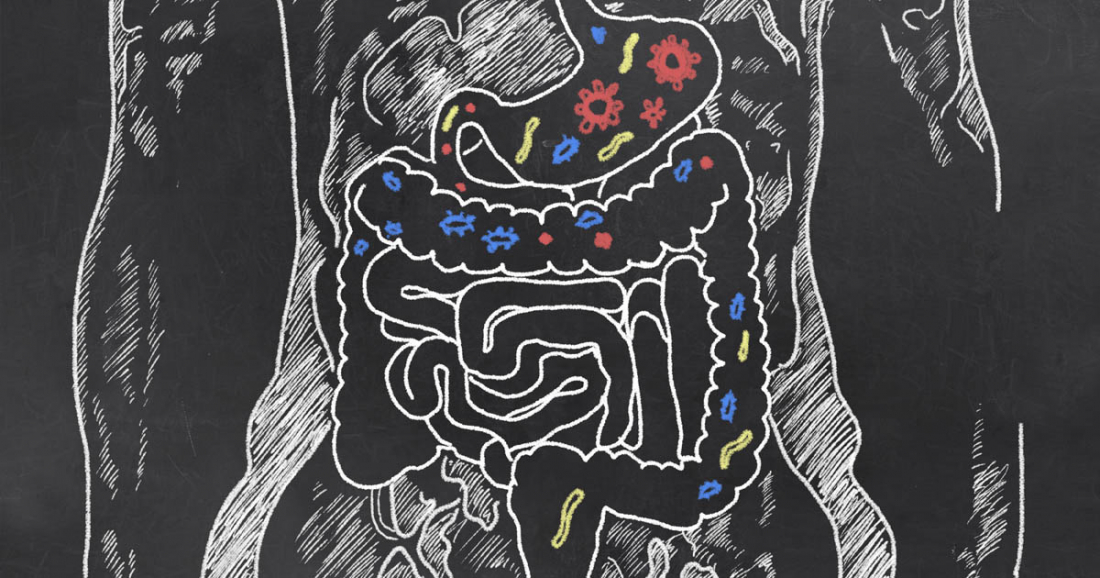
According to studies, the human microbiota consists of 10-100 trillion symbiotic microbial cells that each human person has in their gut. The human microbiome consists of the genes that these cells contain. Our individual microbiomes are sometimes called our "genetic footprints" because they help determine our unique DNA, hereditary factors, susceptibility to disease, body type or body weight, and much more. The bacteria that make up our microbiomes can be found everywhere, even outside our own bodies, on almost every surface we touch and every part of the environment we come into contact with.
The microbiome differs from other organs in that it is not located in just one place and is not very big, but it can do really big things. In fact, you can tell this just from the name - the micro is small and the biome is the environment. Believe it or not, your microbiome is home to trillions of microbes, organisms that in some way help control almost every function of the human body. The importance of our gut microbiome cannot be overlooked: Poor gut health can contribute to autoimmune diseases and disorders such as arthritis, dementia, heart disease and cancer, but our health, fertility and longevity are also highly dependent on the balance of our biome.
The biome is closely linked to the brain, affecting our mood, concentration and mental well-being. They communicate with each other through the gut-brain axis, through which the state and events of our biome influence our mood and mental function. The link between the microbiome and the human psyche has led to the emergence of a new term, 'psychobiotics', which refers to probiotics that have the ability to produce neuroactive substances and influence brain function.

Throughout our lives, we shape our own microbiome to adapt to changes in our environment. For example, the foods you eat, how you sleep, the amount of bacteria you are exposed to daily, and the level of stress you live with all play a significant role in the state of your biome.
The signs that our biome is not functioning as it should
Symptoms that your biome is not working as it should are relatively easy to recognise because, as mentioned, the biome affects a really large number of processes in the body, and there are many. The most common symptoms include:
- Bloating and feeling full after eating
- Heartburn
- Stool problems - constipation/diarrhea
- Depression, anxiety, bad mood
- Autoimmune diseases
- Frequent colds
- Skin problems - rashes, eczema, psoriasis
If the gut is not looked after, inflammation occurs which affects many aspects of life. There can be difficulty concentrating, moodiness, frequent colds, reproductive organ problems, joint pain, malabsorption and more. Restoring microbiotic health is a multi-step and very challenging process that takes time, but the results are well worth the effort. To optimize gut health, we must eliminate the factors that contributed to the gastrointestinal tract becoming "unhealthy." To do this, we need adequate nutritional support, which is essential to heal the gut lining and restore the number and activity of healthy bacteria that will help "crowd out" pathogens and re-establish microbiotic balance. Next, stress elimination is an important aspect, but we'll get to that later. We should also avoid overuse of antibiotics, which is unfortunately very common. And as you probably already correctly understand, our diet will be very important for gut health and let's break this down a bit.
Diet as the key to a healthy biome
Our diet plays a big role in both creating and maintaining a healthy biome, supporting and nourishing the beneficial bacteria that live in it. Research over the past few decades has uncovered evidence that there is a direct link between a healthy microbiome, good digestion, body weight and optimal human metabolic function. It is also true that the health of the microbiome can affect how our bodies extract nutrients from our diet and how we store fat. The gut biome also plays an important role in the development of obesity, and changes in bacterial strains in the gut have been shown to lead to significant changes in health and body weight.
So what foods we eat and the quality of the foods we eat are absolutely crucial to the health of our biome and its optimal function, which affects almost all processes in the body, including our weight and health in general. If you're plagued by long-term protracted digestive problems, you can also try the low FODMAPs diet we discussed recently. So, now that we know that diet affects both health and biome function, let's take a look at which foods we should embrace and which ones we should avoid in turn.

Foods that harm the biome are:
- Refined vegetable oils (such as canola, corn and soybean oils, which are high in pro-inflammatory omega-6 fatty acids)
- Pasteurized dairy products (common allergens)
- Refined carbohydrates and excessive consumption of products containing them
- Added sugars (found in most packaged snacks, packaged baked goods, spices, canned items, cereals, etc.)
- Trans fats/hydrogenated fats (used in packaged/processed products and often used to fry foods)
- Semi-finished products full of preservatives and additives
On the other hand, there are tons of foods that are very beneficial to the health of the biome and help to properly nourish our gut bacteria. Foods high in antioxidants help reduce gut damage caused by oxidative stress and suppress an overactive immune system while protecting healthy cells. Anti-inflammatory foods that should be a staple in your diet include:
- Fresh vegetables (of all kinds), as these are full of phytonutrients that reduce cholesterol, triglycerides and symptoms of rheumatoid arthritis, Alzheimer's disease, cancer, cardiovascular disease and diabetes. Focus on variety and try to get at least four to five servings of vegetables a day. Vegetables contain fibre, which is a very essential component of the diet and is particularly important for the health of the biome.
- Whole pieces of fruit (not juices and smoothies). Fruits contain various antioxidants such as resveratrol and flavonoids that are effective in preventing cancer and affecting brain health. At least one serving of fruit a day is very beneficial for most people, especially apples, blackberries, blueberries, cherries, nectarines, oranges, pears, pink grapefruit, plums, pomegranates, red grapefruit or strawberries. In addition, fruit also contains very beneficial fibre. Herbs, spices and teas: turmeric, ginger, basil, oregano, thyme, etc., plus green tea and good quality coffee in moderation. Probiotics: probiotic foods contain beneficial bacteria that fill your gut and "flush out" bacterial strains that have a negative effect on health. Try to include probiotic foods such as yogurt, kombucha, kefir or other fermented or fermented products in your diet daily. Wild fish and meat from grass-fed animals - these protein sources are higher in omega-3 fatty acids than farm-raised animals, and are also a great source of high-quality protein, healthy fats, and micronutrients such as zinc, selenium, and B vitamins.
Recommended
Amix Probio Forte
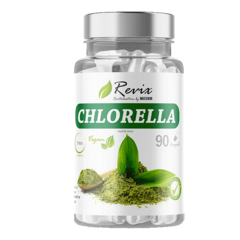
Revix Chlorella
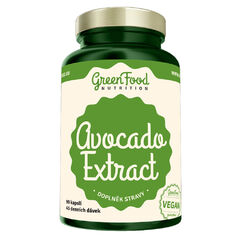
GreenFood Avocado Extract
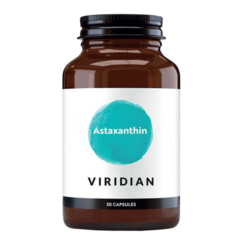
Viridian Astaxanthin
- Healthy fats: coconut oil, extra virgin olive oil, nuts/seeds, ghee. Cereals and legumes: as you already know from our previous articles, legumes should be soaked to activate all the nutrients and make them better absorbed. Beans of all kinds, peas, chickpeas, lentils, and among cereals such as black rice, amaranth, buckwheat, quinoa are suitable.
- Dark chocolate/ cocoa: you can also indulge in chocolate with a high cocoa content a few times a week or in small amounts daily, which also has many benefits for the gut biome.

How else can we support our microbiome?
Eat a quality and balanced diet
We've already covered which foods are beneficial to the health of the biome and which are not - now all that's left to do is put it into practice. Try to ensure that your diet is based on eating as few processed foods as possible in sufficient quantities, and that your diet is varied enough, full of diverse sources of nutrients, not only in terms of macronutrients, but also in terms of micronutrients and fibre. Limit overly processed foods and the aforementioned food groups that can have a negative impact on the health of the biome. Ensure sufficient intake of fibre, which is very important for the health of the biome. Also, don't forget to drink enough, which also plays a significant role in how our body will work with the nutrients we take in.
Chew slowly and apply mindful eating
The concept of mindful eating, or conscious eating, is very important both for optimal digestion and for the proper perception of satiety. Mindful eating says that it is not only what we eat in the current situation that is important, but also how we eat it and where our thoughts are while eating. Eat in a calm environment and give 100% attention to your food - notice the flavors, colors, textures, and savor the food. No TV, computer, or phone. Each meal should be eaten for 20-30 minutes, that's how long it takes for our stomach to signal to our brain that we feel full. If we eat quickly, or don't pay enough attention to our food, we will consume more food (more calories) before we begin to feel full, we may even overeat frequently, and this can lead to digestive problems and ultimately weight gain.

Regular exercise
Movement is important not only for a slim line, but also for health, and that includes our microbiome. Studies suggest that physical activity can positively affect the state of our biome. Lack of exercise is a problem for the majority of the population. We drive to work, sit at our desks at work, and go to the gym for an hour after work, ticking off activity but not seeing the deeper meaning of movement. If we don't move enough, we don't give our gut the space it needs to move all the waste and conveniently just process and excrete. Lack of movement leads to constipation, as well as gut permeability disorders and other negative health effects, not to mention that lack of movement is not conducive to weight loss or heart health. Regular movement is medicine, and just because you go to the gym for an hour 4 times a week doesn't mean you are active.
Eliminate stress and get enough sleep
Stress hinders optimal immune function because your body diverts energy from fighting infections to fighting stressors. Stress makes the body focus only on some body processes and neglect a bunch of others, and that's one reason why chronic stress can kill quality of life. When the body thinks it's under immediate threat, we become more susceptible to infections, manifest more severe symptoms, and at the same time develop them at a higher rate. Stress causes immune compounds known as cytokines to contribute to an inflammatory response that damages healthy cells. Find ways to vent stress - such as sports, meditation or yoga. If you choose an outdoor activity, you'll kill two birds with one stone because you'll also get fresh air and the all-important vitamin D from the sun.
Another very important factor not only for the health of the gut biome, but for weight loss and health as well, is sufficient sleep of adequate quality. The essence of sleep is a much talked about topic and not in vain. Sleep is really very important and should not be neglected. If we don't get enough sleep, our body is more stressed, we have more cravings and our digestion will also not function at one hundred percent. While optimal sleep time is subjective, we should all get 7-9 hours of sleep.

Consider taking probiotics
Probiotics are live bacteria that help harmonise your digestive tract, support your body's ability to absorb nutrients and fight infections. Probiotics are living organisms that are similar to the beneficial microorganisms found naturally in the gut. Probiotic bacteria are actually very beneficial to the body and help the body function properly. Probiotics are something we have inside us from birth. Historically, people have had plenty of probiotics in their diet through eating fresh foods from good soil and also eating fermented foods, a process that prevents foods from spoiling quickly. Today, however, many of these benefits have been significantly suppressed through the use of fertilizers, pesticides and other chemicals, and the natural probiotic content of foods is declining. In fact, many foods even contain rather dangerous antibiotics that destroy the good bacteria in our bodies. In addition to yogurt, fermented milk drinks and fermented foods, you can reach for probiotics in supplement form.
What to take away from the article?
The microbiome and its proper function, is an absolutely essential component for health. Our gut is where 90% of our immune system is located, and it's no wonder that the health of our gut affects virtually every process in the body. Its proper function and health is very significantly influenced by the food we eat. Food quality and sufficient nutrients are absolutely crucial for a healthy biome. We should eliminate refined sugars, overly processed ingredients and semi-processed foods. Our focus should be on nutrient-dense whole foods, quality protein, healthy fats and optimal amounts of complex carbohydrates, plenty of fruits and vegetables, fresh ingredients and plenty of water. Take exercise, get enough sleep and try to eliminate stress, which is a very common cause of digestive problems.
Recommended
Wolfberry Psyllium drcené
Amix Omega 3 D3+K2+E
Sources:
https://www.ncbi.nlm.nih.gov/pmc/articles/PMC3426293/
https://www.npr.org/sections/health-shots/2015/09/22/441841735/wherever-you-go-your-personal-cloud-of-microbes-follows?t=1589456536051
https://www.ncbi.nlm.nih.gov/pmc/articles/PMC524219/
https://www.ncbi.nlm.nih.gov/pmc/articles/PMC5123208/
https://www.ncbi.nlm.nih.gov/pubmed/25157183
https://www.nature.com/articles/nature17173
https://www.mayoclinic.org/diseases-conditions/diverticulitis/symptoms-causes/syc-20371758
https://www.ncbi.nlm.nih.gov/pubmed/23135760
https://www.hindawi.com/journals/omcl/2017/3831972/
No posts have been made yet.








