Chocolate - the scourge of healthy eating or the perfect food not only for athletes?
 Author:
 When you say chocolate, we all think of our favourite - dark, milk, white, nutty... And it's no wonder there's only a very small percentage of people in the world who don't like this damn good food. Not only does it taste really good, but if it's good quality, bitter with a highcocoa content and no added sugar, then it's even very healthy and what's more! Chocolate is very good for all active individuals, even if your goal is fat reduction.
Article content:
- Some interesting facts about chocolate
- Health benefits of dark chocolate
- There's no chocolate like chocolate
- How much chocolate do you actually eat?
- What to take away from the article?
Some interesting facts about chocolate
The fact that chocolate is a popular food is evidenced by all sorts of statistics - for example, in Switzerland, which is famous for chocolate production, the average person eats a whopping 9 kilos of chocolate a year. The average Czech eats about 6 kilos of chocolate a year, so how many people do you eat chocolate for? Globally, then, chocolate alone accounts for more than 75 billion dollars. Of course, that includes all kinds, including products that have about as much in common with chocolate as veganism and real sirloin steak. With the amount of chocolate consumed each year, whether you love it or not, you need to think about the quality of the products you are investing in, because only real quality chocolate has proven health benefits and you can have it with virtually no regrets.

It is therefore very important to remember that there is no such thing as chocolate. Some varieties contain health benefits such as antioxidants, polyphenols, healthy fats and other nutrients, but others contain mostly sugar, solidified fats and other substances that are not good for your line or your health as a whole. The health benefits of dark chocolate are legion and really quite impressive. What, is dark chocolate really healthy? Let's take a closer look and find out what benefits consuming this damn popular treat can offer us. Again, it's important to mention that we're talking exclusively about dark, high-quality chocolate, not sugar-laden products.
The health benefits of dark chocolate
Protects against disease-causing free radicals
One of the most significant benefits of dark chocolate is its ability to fight free radicals. Free radicals are harmful compounds produced by cellular processes in the body that can contribute to inflammation and a number of chronic diseases. In fact, chocolate (or cocoa) contains many antioxidants, which are substances known to have the ability to negate the action of free radicals and thus protect the body from disease and other health problems. Dark chocolate contains antioxidants, especially flavonoids and polyphenols. Cocoa has even been shown to have such a high content of polyphenols and flavonoids that it exceeds that of wine and tea. The higher the cocoa content of chocolate , the higher the antioxidant content.
Positive for heart health
Flavanols are the main type of flavonoids found in chocolate (cocoa). Research suggests that flavanols have a very positive effect on heart health, due to their ability to lower blood pressure and increase blood flow to the heart and brain. Flavanols can also help prevent platelets from clotting, which can reduce the risk of stroke. In research comparing the effects of white and dark chocolate on blood circulation, they came to a very clear result - dark chocolate had a significant effect on improving blood circulation, while white chocolate had no positive impact on blood pressure or health whatsoever.
Another study published in 2015 tracked the health of more than 20,000 people for 11 years and concluded that higher chocolate intake was associated with a lower risk of heart problems. Sounds pretty promising, don't you think?
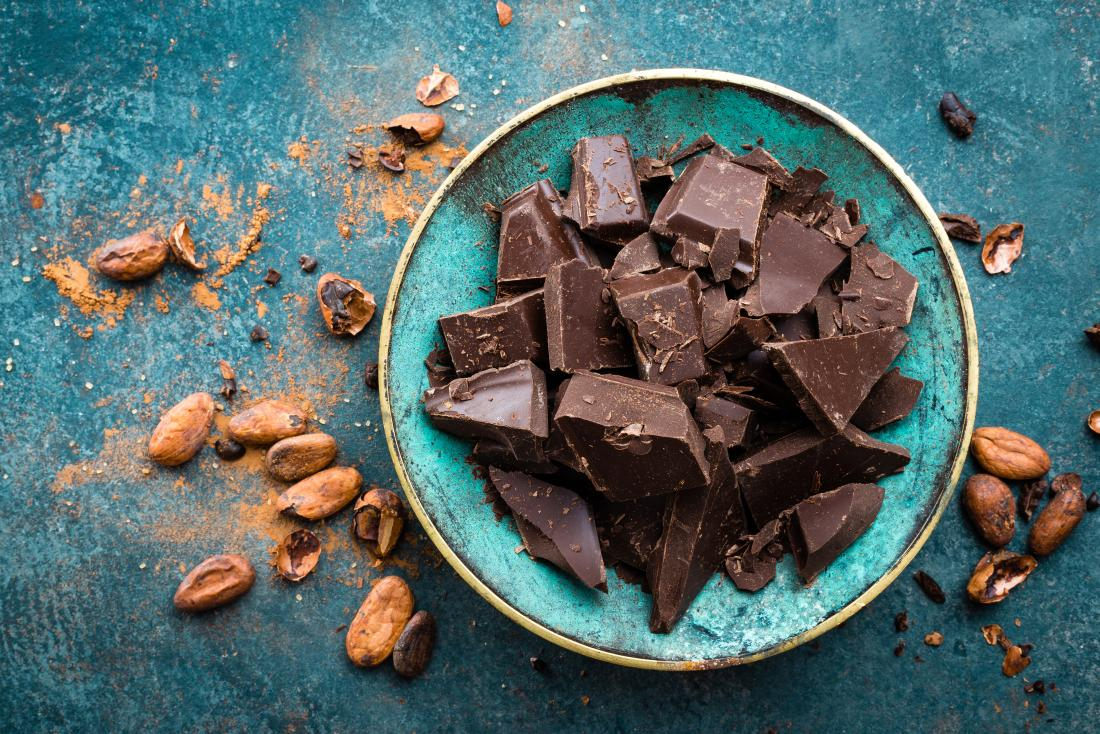
Quality chocolate has a positive effect on total cholesterol
The cocoa butter found in chocolate is rich in healthy fats and polyphenols, which are other beneficial substances that act as antioxidants in the body. A 2009 study published in the Southern Medical Journal examined the effects of chocolate on 28 healthy subjects and found that just one week of dark chocolate consumption improved lipid profiles, reduced platelet reactivity, and reduced the body's inflammation. We found other studies that supported the idea that eating flavonol-rich chocolate is a very effective strategy for lowering LDL "bad" cholesterol, and also total cholesterol, the two main factors considered to be most at risk for developing heart disease.
Positive effect on cognitive function
We have already seen that eating chocolate rich in flavanols can increase blood flow to the brain, which can have a positive effect on cognitive function and may even be used to treat diseases such as Alzheimer's or Parkinson's. But that's not all! A 2009 study published in the Journal of Nutrition pointed out that eating flavonoid-rich foods - such as chocolate, wine and tea - was associated with better brain function, boosting concentration and improving cognitive performance. Chocolate has also been used as a treatment for depression. What's more, chocolate also has the ability to improve mood, something that ladies in particular often like to make excuses for.
Lowers blood pressure
Research suggests that good quality chocolate can also lower blood pressure, which is another benefit for heart health and reducing the risk of developing heart disease or stroke. To make matters worse, dark chocolate may also be beneficial in the treatment of diabetes, as eating it on an empty stomach can help lower blood sugar levels.
Chocolate = an antioxidant-packed miracle
We've come across the fact that chocolate contains a lot ofantioxidants a few times before. In fact, when we looked at the total flavanols and polyphenols and compared the amounts in other antioxidant-rich foods such as blueberries, acai, cranberries and pomegranate, cocoa was found to have the highest antioxidant content ever.
Potential cancer prevention
It may seem hard to believe, but (almost) everyone's favourite, delicious chocolate can help protect us from cancer. Yes, chocolate is seriously considered one of the best food sources that has promising potential for fighting cancer-causing cells. Research shows that flavonoids and antioxidants found in chocolate may be particularly helpful against colon cancer.
Actually, it's logical - we've already come across in the previous paragraphs thatcocoa containsantioxidants, which have the ability to reduce oxidative stress, reduce inflammation and block the growth of new cancer cells. Chocolate (the good kind) is simply an amazing food that you don't have to deny yourself!
A positive influence on the gut biome and a muscle-building aid
Other important benefits of chocolate include its positive effect on the gut biome. If your parents gave you chocolate when you had a tummy ache as a child, they knew exactly why. Dark chocolate can actually soothe an aching stomach and also put a stop to diarrheal diseases. Cocoa also contains epicatechin, which promotes building active mass, so anyone trying to build muscle can rejoice, as chocolate (in reasonable amounts, lest they grow something else) can be very beneficial for them!
We could go on listing the benefits for a hell of a long time, because chocolate, or rather cocoa, is truly a super food! In addition to the aforementioned, it also has positive effects on eyesight, skin health and also energy levels.
There is no chocolate like chocolate
However, in order to make the most of the benefits mentioned above, we need to make the right choices. If you're cheering that granola bars, gummy bears or white chocolate are actually healthy, we're going to disappoint you. The benefits we've listed only apply to quality dark chocolate - the higher the cocoa content, the better. So if you want to get the most out of chocolate's health benefits, you should focus on products with 85% or more cocoa. Even so, the product shouldn't contain too much added sugar - the simpler the formulation, the better.
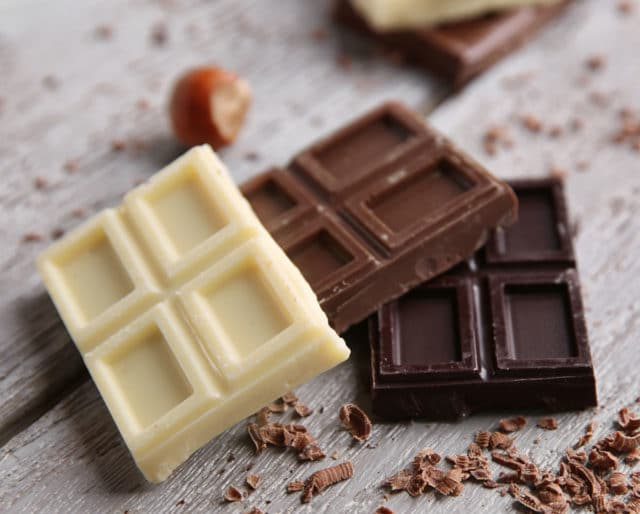
In addition to antioxidants, dark chocolate is rich in a bunch of micronutrients, especially iron,magnesium, manganese, copper, and also contains a good amount of fiber.
How much chocolate should I actually eat?
That's the question. Are you comforted by the fact that chocolate is healthy and think you can eat heaps of it? Dark chocolate is an amazing food and can be a great addition to a healthy diet for all active individuals, but you still need to remember that chocolate has calories (unfortunately) and too much of it will definitely not bring more health benefits - maybe the opposite and a few extra pounds of fat as a bonus.Chocolate can be part of a reduction, but it has to fit in with yourdaily calorie intake, which still has to respect the calorie deficit principle. You have to remember that "everything in moderation" applies here too.
As we have already mentioned, to maximize the benefits, focus exclusively on dark chocolate with the highest possiblecocoa content. We should not buy products with less than 80% cocoa content at all. If you're one of those who are sensitive to caffeine, or are trying to avoid caffeine altogether, it's important to know that there is also a certain amount of caffeine in chocolate. Side effects of a caffeine overdose can include nervousness, insomnia, and rapid heart rate. One chocolate bar, for example, contains about 12 milligrams of caffeine. While this is significantly less than a cup of coffee or energy drink, this is a fact to keep in mind, especially if you're sensitive to caffeine.
So the optimal "daily chocolate intake" will be completely different for each of us - depending on our goals, physical proportions, activity, calorie burn, and tons more. However, it doesn't matter if you're just reducing fat or gaining muscle - quality chocolate has something to offer in every season. It's always important to remember that there is no such thing as an unhealthy food, only an unhealthy amount, and while chocolate offers a ton of benefits, there's no need to overdo it. Too much chocolate (and therefore calories) leads to fat storage, just like too much of any other food if the intake subsequently exceeds the output.
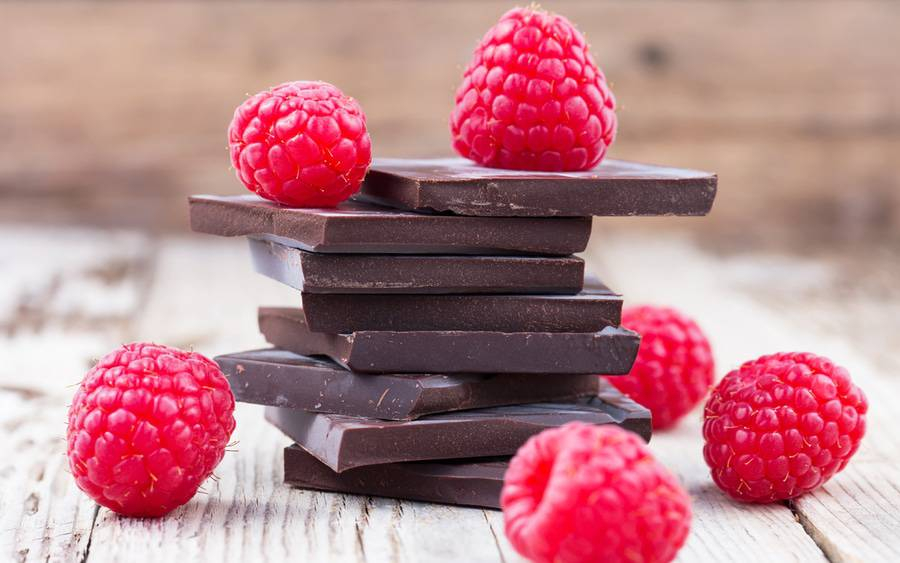
What to take away from the article?
Chocolate is by no means an unhealthy food - in fact, in the case of good quality dark chocolate, the opposite is true . Dark chocolate with a high cocoa content contains high levels of fibre,antioxidants and other nutrients. It has a positive effect on heart health, the gut biome, blood pressure and cognitive function. It is very beneficial for all active people and we don't even have to worry about reducing it if we can control the amount we consume, because even though it has tons of health benefits, it is still a high calorie food. Quality chocolate should be part of every healthy diet! Who's happy about that?
Recommended

Nebbia Intense Tričko Intense Mesh 805

XGen 90cps + Omega 3 90cps

Nebbia Sportovní podprsenka se síťkou PERFORMANCE 477

Nebbia Washed-off Tepláky s kapsami NO SHORTCUTS 372
SOURCES:
https://www.ncbi.nlm.nih.gov/pubmed/23859035
https://www.ncbi.nlm.nih.gov/pmc/articles/PMC5456306/
https://my.clevelandclinic.org/health/articles/16774-heart-healthy-benefits-of-chocolate
https://www.ncbi.nlm.nih.gov/pubmed/18045712
https://www.ncbi.nlm.nih.gov/pubmed/26076934
https://www.ncbi.nlm.nih.gov/pubmed/19005437
https://www.ncbi.nlm.nih.gov/pubmed/21559039
https://www.ncbi.nlm.nih.gov/pmc/articles/PMC2518374/
https://www.ncbi.nlm.nih.gov/pubmed/19056649
https://www.ncbi.nlm.nih.gov/pubmed/26089927
https://www.ncbi.nlm.nih.gov/pmc/articles/PMC3038885/
https://www.fda.gov/consumers/consumer-updates/dark-chocolate-and-milk-allergies
No posts have been made yet.