





Does it make sense to deal with the diet on vacation, or is it better to take a break?
 Author:
 Most of us look forward to summer holidays all year round, because it gives us the opportunity to take a physical and mental break from the problems associated with everyday life. But for many people who are trying to live a healthy lifestyle, holidays can also be a source of stress - especially stress related to what they're actually going to eat and whether they're going to gain too much weight. But is it worth it? And can taking a few days off for a holiday make any significant difference to your diet? We'll look at whether it's better to tackle your diet on holiday or take a break in our article today.
Article content:
- How much weight can you realistically gain?
- How much weight can you gain?
- Does it make sense to stick to a strict diet on holiday?
- What to start doing after returning from holiday?
How much can you realistically gain?
First of all, it would be a good idea to look at how much weight a person is actually able to gain on holiday. And for that it is necessary to look at least superficially at the anatomy of the whole weight gain. As you probably know, despite its name, fat tissue is not only made up of fat, but also water, which accounts for about 10% of the weight, and proteins, which account for somewhere between 1 and 3% of the tissue. At the same time, you should know that one gram of fat is equal to about 9 kilocalories, which we also mentioned in our article on occasional overeating. Thus, we can calculate that if a kilogram of adipose tissue consists of about 880 grams of fat as such, it is equivalent to nearly eight thousand kilocalories.
So to put on, say, two kilograms of fat on a week's holiday (which, by the way, is still not too bad), you would have to eat an extra 16,000 kilocalories in total over the 7 days mentioned. On average, that works out to about 2280 kilocalories each day, which you would have to consume over and above the typical calorie intake at which you maintain your current weight. And given that the calorie intake benchmark is right around 2200 kcal, even if you eat for literally two a week, you shouldn't gain more than two kilograms.
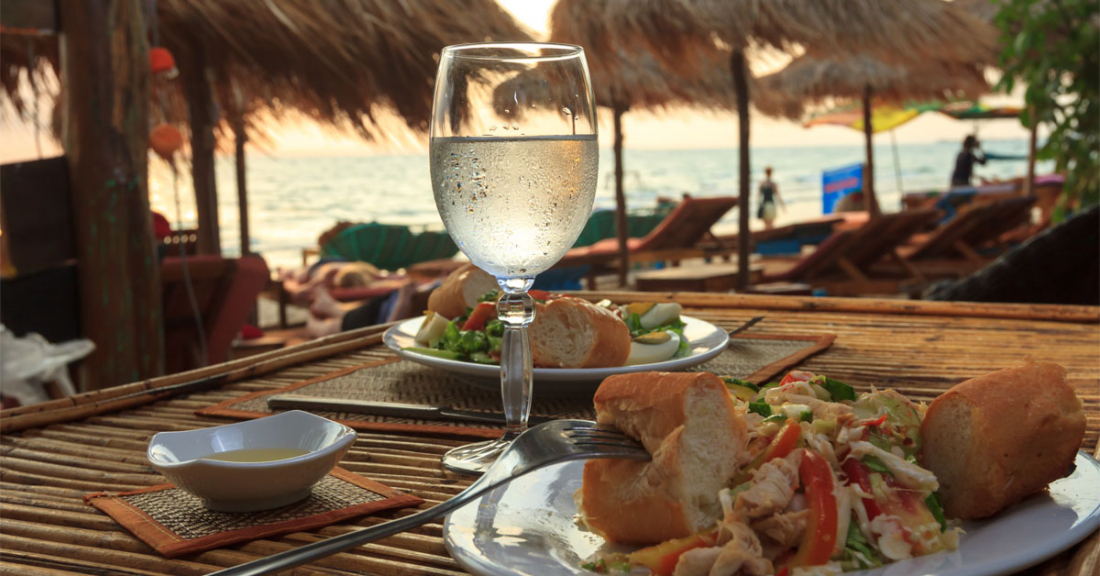
Even if your holiday diet isn't completely strict, putting on more than two kilos of fat isn't entirely realistic.
But the number on the scale can be deceiving
In the same breath, however, it should be added that when you return from the aforementioned week-long holiday, you may find that you weigh considerably more than two kilograms on the scales. This is due to a variety of factors , from increased water in the body due to increased salt intake to greater muscle glycogen stores to significantly more food in the gut. We therefore recommend weighing yourself only a few days apart, when the results should be a little more accurate.
Does it make sense to stick to a strict diet on holiday?
If you already know that it's not so easy to put on five kilos of fat on holiday, it should be clear that you don't need to be strict about your diet.
It makes little difference whether you are staying in an all-inclusive hotel or whether you are travelling on your own. If you prefer the former, it's certainly not a bad idea to follow the 80/20 rule (or modify it to 70/30, for example). As we mentioned in a separate article about rational nutrition, this rule says that 80% of your diet should consist of healthy and nutritionally valuable food and the remaining fifth can consist of, for example, some food you really like. And it makes all the more sense on holiday - you'll enjoy both healthy food that makes you feel good on the last day of the trip, and things that aren't normally on your diet.
It's a similar situation if you're making your own food arrangements. It makes sense that you probably won't be seeking out fried foods in restaurants on a daily basis, but trying some dishes typical of the area you're traveling to is definitely a good idea. And in that case, there's definitely no point in looking at what the nutritional profile of the item is and what macronutrients you're currently taking in. After all, holidays usually only last a few days, and during those days it's good to collect experiences (even gastronomy-related ones). Even if you exceed your required calorie count by a little bit each day, you'll gain almost nothing, and once you're back to your original regime at home, any weight fluctuations will even out again. Not to mention, if you have a tourist-oriented vacation, you can pack some of the healthy snacks we recommend in a separate article in your backpack.

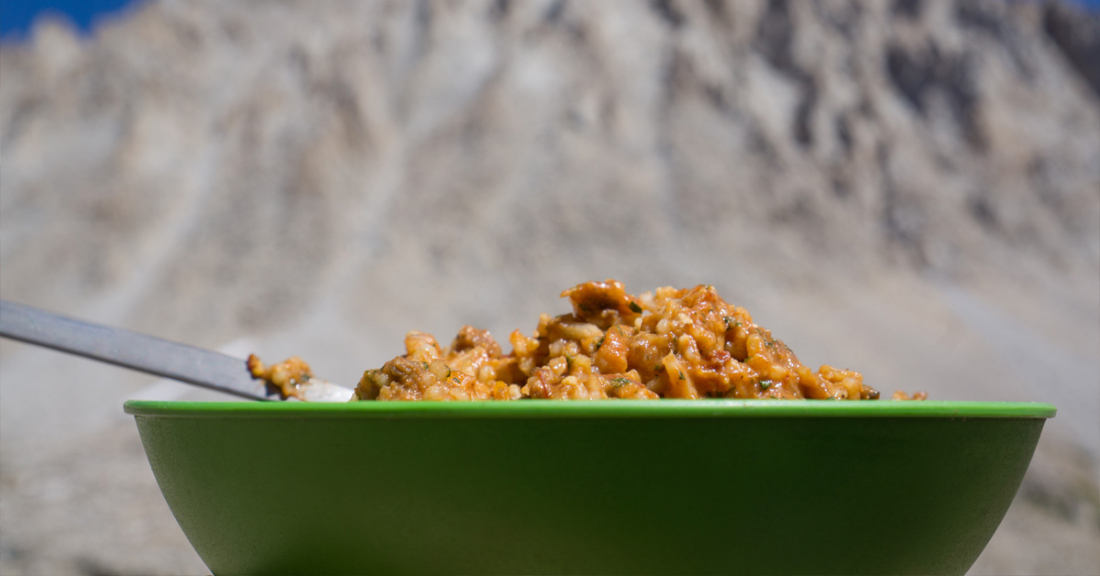
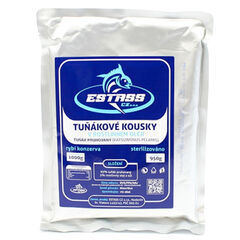
On an active hiking holiday, you can take ready-made meals with you, which you just need to heat up.
What to do when you get back from your holiday?
As we've already summarised above, there's no need to go to the last detail with your diet on holiday. But it's definitely a good idea to think about what will happen after you return from your holiday. Ideally, you should gradually return to what you were used to before you left. Reintroduce regular exercise into your life, reduce the amount of sugar and salt in your diet, and try to put a lot of emphasis on getting a good night's sleep. If you had all this sorted before your holiday and you'll be back at it after, a week or two off certainly can't hurt.
What to take away from today's article?
Even though many people think otherwise, you definitely don't gain, say, ten kilos on holiday out of the blue. Considering that a kilogram of adipose tissue represents about 8,000 kilocalories, you would have to eat a lot, and most people don't manage to do that despite their best efforts. And the few kilograms that may appear on the scale will quickly disappear when you get back to the routine you were used to before the holiday. So try to enjoy your holiday without unnecessary stress, try some local specialities and you'll find that you won't be able to wait for your regular regime and good diet when you return.
However, if you do want to take some healthy foods with you on your holiday, be sure to check out the ready mealscategory on our website for lots of great foods to take on the road!
Recommended
Expres menu Hovězí maso
Jihočeské Jerky
No posts have been made yet.








