





Does it make sense to buy light versions of products? And what are the risks of consuming them?
 Author:
 Perhaps everyone who is interested in exercise and healthy living looks at the label of a product from time to time before putting it in their cart. And since many people have a pretty strict regimen, the proportion of simple carbohydrates or the amount of fat, in addition to the number of calories, is absolutely crucial for them.
That's where the so-called light variants come in, products that look like your favourite product but are lower in sugar or fat and therefore lower in calories. But are these foods really a good choice, or are they just a ploy to catch gullible shoppers? In our article today, we take a closer look at light products and what the risks of eating them are.
Article content:
- There is no specific definition
- Does this mean that light food is more suitable for the diet?
- Does it mean that light food is healthier?
- And how do other labels stack up? Are they equally confusing?
- What to take away from today's article?
There is no specific definition
At the outset, we have to introduce one rather serious problem, namely that products bearing the label "light" are not actually specified in any concrete way by law. There is certainly no universally valid definition that if a food bears the word light in its name (or its equivalent in another language), it contains so many and so many fewer calories. Each manufacturer can set this up largely individually.
But the truth is that these products generally contain fewer calories (due to less sugar or fat) than their original versions. But that certainly doesn't mean you shouldn't read labels. On the contrary.While some foods may have half the fat content of the conventional version, for example, others may have almost the same number. Be even more careful with foods with names such as "slim", "fit" or "fitness" - none of these labels usually tell you anything about how many calories you're actually taking in, and you may find that you're not getting any nutritional benefit from buying such a product, but rather paying extra for it.
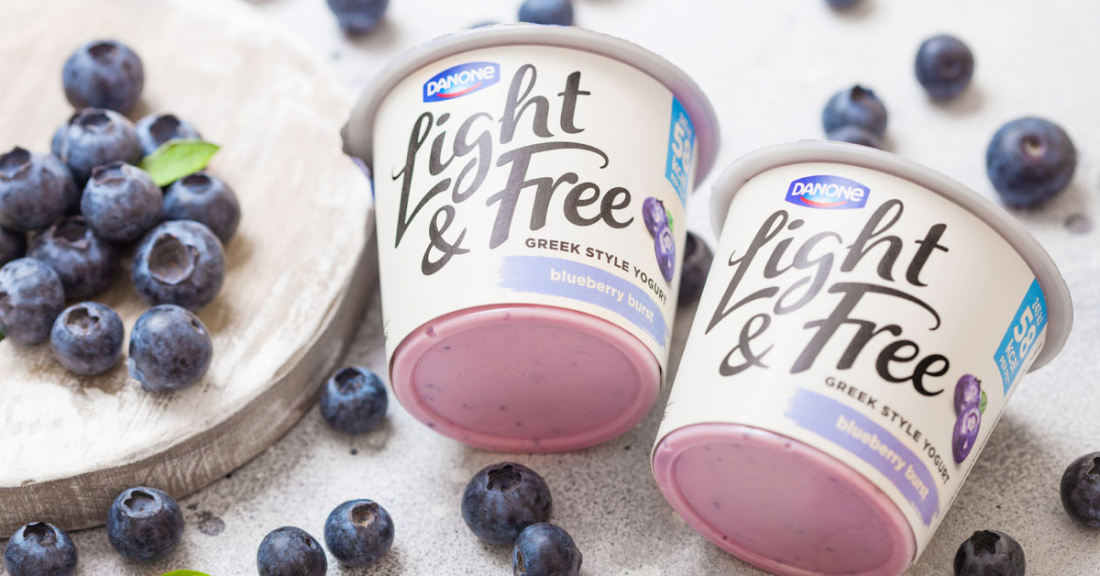
Light products can have significantly fewer calories than the original versions. However, this may not always be the case.
Does this mean that light food is more suitable for the diet?
In theory, yes. As we've pointed out in many previous articles, dieting is all about calorie deficit - in simple terms, you need to take in fewer calories per day than you expend. And since light products are generally less caloric than their non-light variants, we can actually talk about how they can be more practical in a diet.
But that doesn't mean you shouldn't control how much of a given food you eat anymore. Many people feel that if something is "almost calorie-free", they won't actually gain weight afterwards and can therefore enjoy a double portion. But it doesn't work that way, and if you're deciding between a cup of fruit yoghurt or two cups of a lighter version, you might find that the original version comes out better in terms of calories. So you still need to be cautious and check the calorie count against the label.
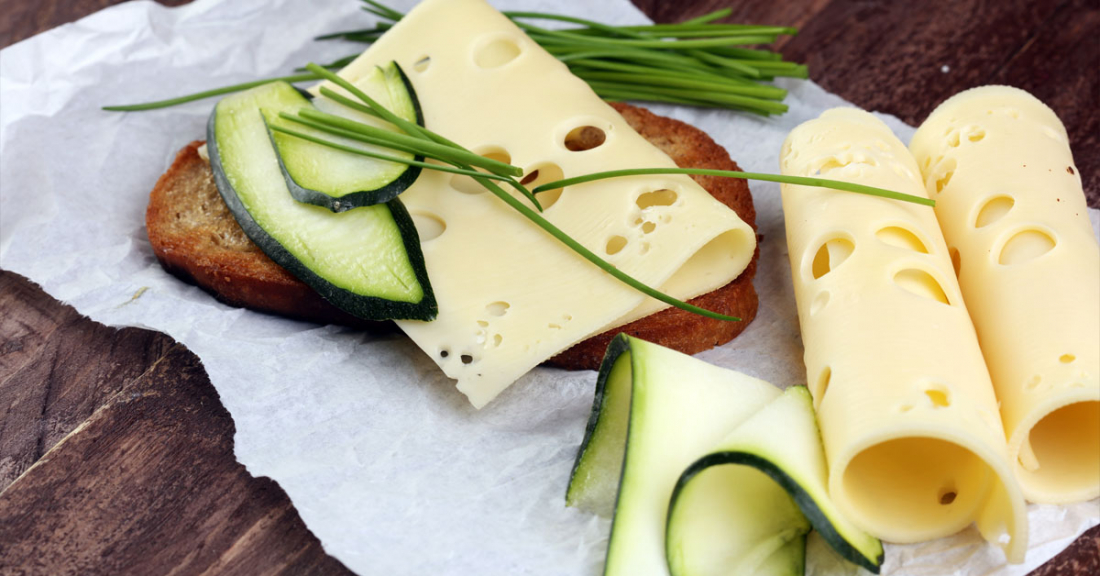
Light versions of cheeses are less calorie-dense, but still contain quite a few calories.
Does this mean that light food is healthier?
While the answer to the previous question was fairly simple, in this case it's not so easy. A very important question is what the manufacturer replaces the removed fat (or sugar) with. Light products are often found in dairy products, for example, but it is important to remember that this is where the fat is missing. For one thing, fat is related to taste - just look at how eidam tastes with 30% fat and how much fattier cheeses taste. But removing fat can also change the texture and consistency of the whole product. And of course, the producer must compensate for this with something. So, again, it is important to read the label at least briefly and check that the product is not packed with various thickeners or thickening agents. Even if you don't put your health at risk, you're actually swapping an all-natural product for one with added additives just to save a few calories.
Last but not least, it is important to know that the fact that a product is light says absolutely nothing about whether it is good for our health. Today, you can get a lot of things with this label - typically, for example, various processed cheeses. These are themselves quite controversial due to their melting salt content, but apart from that it is important to know that even the lightened versions still have quite a few calories. And it's probably not worth thinking long about whether or not such foods should be represented to any greater extent in your diet.
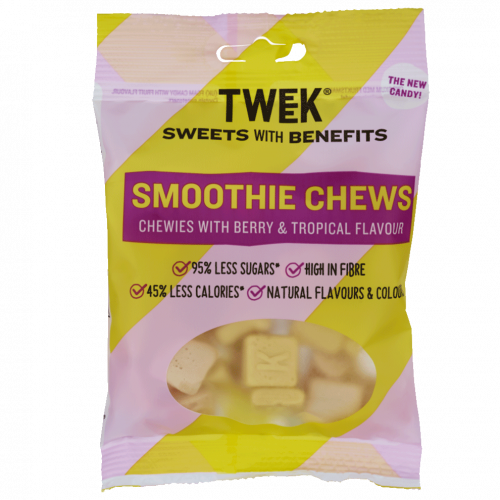
You can also find products that are free of unnecessary extra calories in our shop! For example, try Twek gelatin candies, which have 95% less sugar and 45% fewer calories!
Recommended
Twek želatinové bonbóny
Twek Corn crunchers
And how are the other designations? Are they equally confusing?
Within product labels, you can indeed encounter a wide variety of labels and names, and while some are clearly defined, others are at least slightly misleading. In addition to light products, it is worth being wary of labels such as 'no added sugar'. This is what most people confuse with the 'no sugar' label. However, while the latter may indeed only be products containing a maximum of 0.5 grams of sugar per 100 ml or 100 grams, the former does not say anything at all about the sugar content. A typical example is fruit juices, which simply contain a large portion of calories on their own. However, no more sugar needs to be added to them and they can therefore also boast the label 'no added sugar'.
On the other hand, however, it should be added that, for some terms, the legislation is quite clear. A typical example of this is low-fat products, which must contain 40% less fat than conventional versions. Similarly, low-calorie products must have 30% fewer calories than the conventional version. However, the aforementioned recommendation to look more closely at labels and see if products contain any substances that they should not.
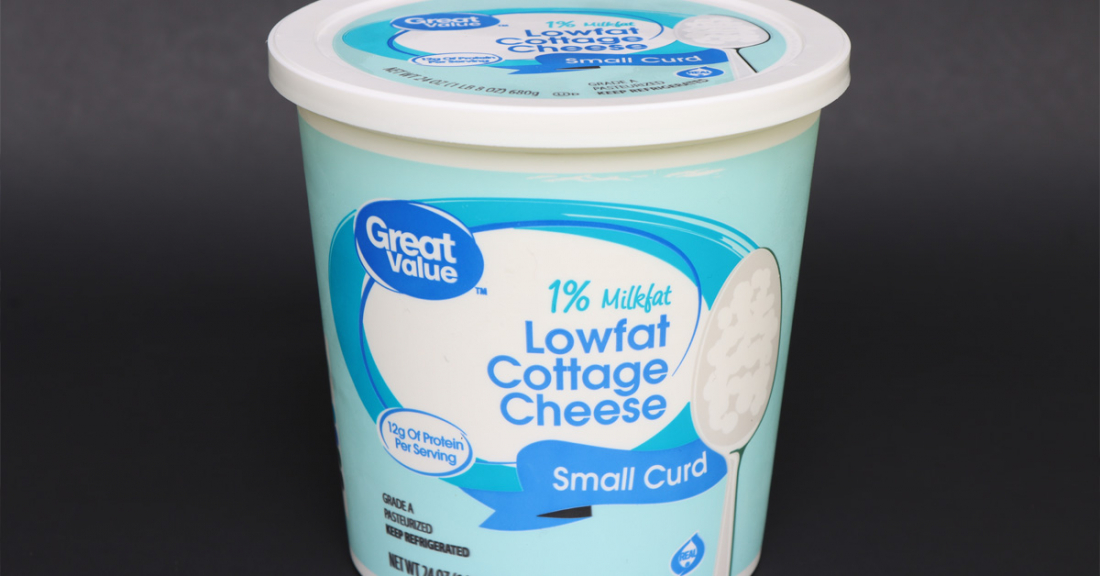
In order to be low-fat, a product must have 40% less fat than the conventional version.
What to take away from today's article?
The main thing you should take away from today's article is that while light variants of products may be a slightly better option for your diet, there are certainly no guarantees and you still need to follow the label. Unlike terms like "low-fat" or "low-calorie", the label "light" is not specifically defined in any way, so it's possible that it ultimately doesn't come out that much better nutritionally - and worse, it may contain some unwanted additives.
No posts have been made yet.








