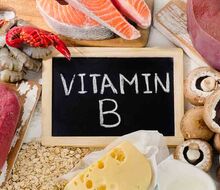
Do you know what B vitamins are good for? And which one is the most important?
 Author:
 Most people only remember B vitamins during the tick season. However, these vitamins are extremely important and the more active you are, the more demanding your intake is. What's more, your body can't accumulate them in advance, so you need to constantly replenish them. But do you know what all B vitamins are for? How and when to take them and which one is the most important? In our today's article, we'll cover all the essentials.
Article content:
- What B vitamins are there? And what are their benefits?
- Can B vitamins have any negatives?
- Does it make sense to supplement with B vitamins?
- What to take away from today's article?
What B vitamins are there? And what are their benefits?
We refer to 8 different water-soluble vitamins as B vitamins, which are usually labeled with the letter B followed by a subscript number. Vitamin B (now referred to asB1) was the first vitamin ever discovered, but as other substances with similar properties began to appear over time, their naming had to be modified. It was only later that some substances were found not to be vitamins, hence the absence in the terminology of, for example, vitamin B4, whose place was originally taken by adenine. Today we distinguish the following vitamins:
Thiamine (Vitamin B1)
Thiamine is one of the most important vitamins of this group and its importance lies in its ability to optimise the nervous system, ensure the proper functioning of body cells and support carbohydrate metabolism. Its more severe deficiency is associated with fatigue, sluggish reactions, loss of appetite and, if ignored for long periods of time, degeneration of the cardiovascular system. However, such a deficiency is relatively rare in our country, because our diet is rich in various unhusked cereals, meat, yeast, tripe, nuts, peas and other foods which are sufficient sources of it. The recommended daily intake for an adult is 1.1-1.4 mg and people with a varied diet can easily cover this. Alcoholics and athletes with excessive physical activity have increased requirements for its intake. Also, people who drink a lot of tea and coffee have been shown to have lower levels of vitaminB1. Both of these beverages contain an enzyme called thiaminase, which destroys thiamine in the body.
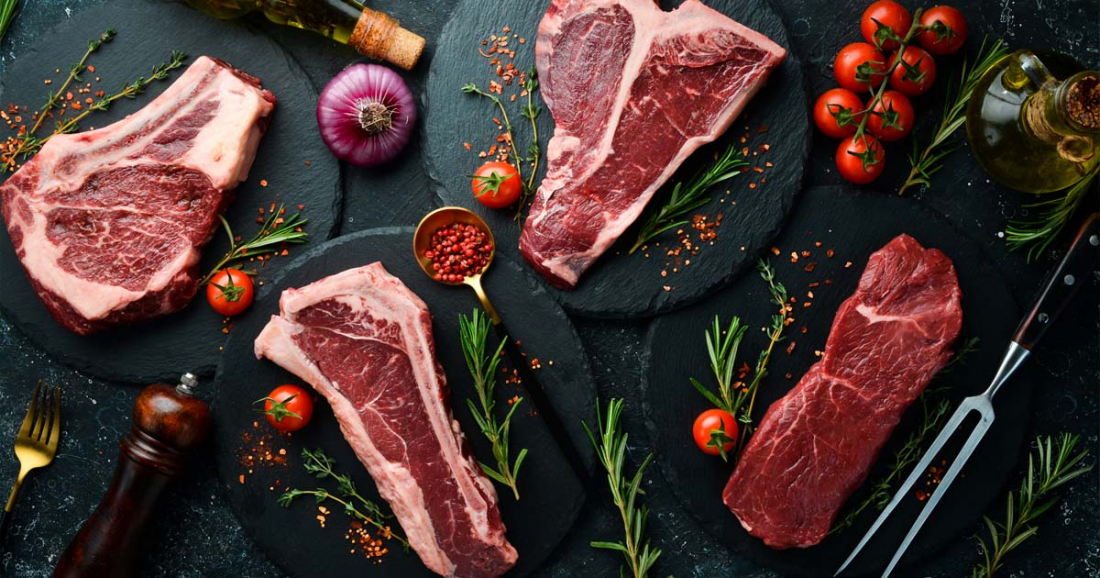
If you eat meat regularly, you are replenishing much of your B vitamins.
Riboflavin (Vitamin B2)
Riboflavin is a substance that is used extensively for both the metabolism of all macronutrients(proteins, carbohydrates and fats) and for the optimal condition of the heart, skin and eyes. In addition, it also ensures the proper growth and development of body cells, maintains optimal red blood cell production, and its deficiency leads to skin problems and disorders of metabolism of other substances , according to scientific studies. The problem with vitaminB2 is that the vast majority of its sources are animal - it can be found, for example, in tripe, dairy products or meat. Its recommended daily intake is 1.5 - 1.8 mg, and in addition to athletes, pregnant and breastfeeding women have increased requirements. If riboflavin is present in food, it is broken down by light and therefore food should be stored away from light, ideally in the fridge.
Niacin (Vitamin B3)
Niacin is a vitamin essential for cellular energy metabolism and plays an important role in cell signalling, DNA production and repair. Its deficiency has been shown to manifest itself in a disease called pellagra (the former name vitamin PP referred to the Pellagra Preventive Factor) manifested by skin rashes, diarrhea and in the long term dementia and subsequent death. As with the previous vitamins, sources include meat, yeast, offal, seeds, legumes and some vegetables (especially leafy greens, broccoli and carrots). The recommended daily intake is between 10 and 20 mg, but again the requirements are increased in athletes, mentally stressed people, when eating sweets and in alcoholics. The first symptoms of mild niacin deficiency include fatigue, insomnia and lack of appetite.
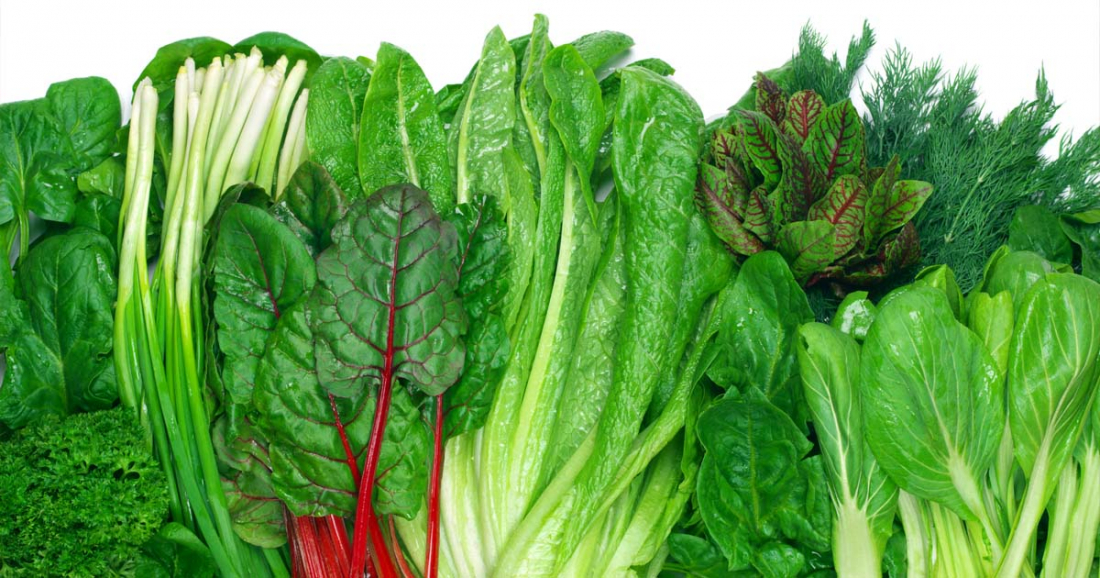
Leafy vegetables taste great, go with almost every meal and are literally loaded with vitamin B3.
Pantothenic acid (Vitamin B5)
Since the number 4 was taken by adenine, which was later removed from the list of vitamins, the list of "B" vitamins continues with pantothenic acid, which is better known as its active form - coenzyme A. The importance of vitamin B5 lies in its ability to participate in the metabolism of carbohydrates and fats and is even behind the synthesis of some amino acids. According to available research, it is also responsible for the synthesis of cholesterol, which may influence the levels of other hormones including testosterone. Some great sources of this acid include liver, fish, yogurt, avocados and whole grain breads. The recommended daily intake is 8 - 10 mg and deficiency is rare in our area, so further supplementation is not necessary at all.
Pyridoxine (Vitamin B6)
VitaminB6 is the collective name of three different pyridine derivatives - pyridoxal, pyridoxamine and the all-important pyridoxine. Its importance is enormous, with studies confirming its influence on amino acid or glycogen metabolism, nucleic acid and hemoglobin synthesis, and even closely related to the functioning of the immune system. It is very important for athletes, as the requirements for its intake increase with increasing protein consumption. In addition, it is sensitive to both light and heat and disappears from food into water when cooked. For athletes, supplementation is possible for this vitamin, but it is certainly not necessary and you don't have to go overboard with doses. The usual dose is 1.3-2 mg, but the negative effects of this vitamin (most often skin or neurological problems) are known to occur only when between 100 and 1000 mg of this substance are taken. In addition to the sources mentioned for the previous vitamins, it is worth mentioning mackerel, bananas, potatoes or peas.

Bananas not only contain the often mentioned potassium, but are also a source of the very important pyridoxine.")
Biotin (Vitamin B7)
Biotin is one of the little-known B vitamins, yet it has enormous uses. It has been shown to be important for fat metabolism, acts as a cofactor for a number of enzymes, and influences gene expression. It even plays a role in maintaining stable blood sugar levels, and since it helps maintain the quality of hair and skin, it is often referred to as a beauty vitamin. Since its most important sources include egg yolks, meat, milk and offal, strength athletes are usually not deficient. Although several variables affect the recommended daily dose, most sources give a figure between 30 and 100 micrograms. However, even with huge doses well in excess of 10,000 mcg, no negative effects have been found. When supplementing biotin, it is usually recommended to stick with doses up to 50 mcg.
Folic acid (Vitamin B9)
Folic acid is certainly very familiar to pregnant women, for whom it is of great importance. However, this vitamin is also important for others as it is involved in cell growth, influences amino acid metabolism, the formation of white and red blood cells, and deficiency often leads to blood disorders and mucosal disruption. As the name suggests, its major source is leafy vegetables. However, in addition to these, vitamin B9 can also be found in tripe or yeast. The recommended daily dose is 200 mcg for the average person, but pregnant women are usually advised to take two to three times this dose. Folic acid has few side effects (bloating or irritability) even at doses above 1000 mcg and usually disappears with a reduction in intake.
Recommended
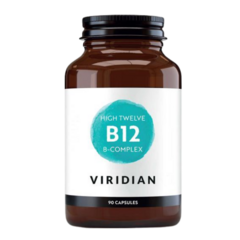
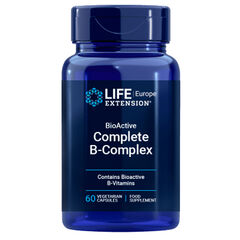
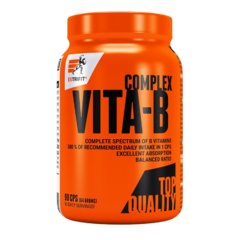
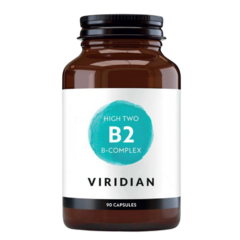
Viridian B-Complex B2 High Two®
Cobalamin (Vitamin B12)
Cobalamin is undoubtedly one of the best-known B vitamins and is, according to experts, very important for DNA synthesis, energy metabolism and the proper functioning of the nervous system, among other things. The recommended daily dose of this vitamin is only 3 micrograms and, unlike other water-soluble vitamins, the body can store it in the liver for up to several years. Again, the main sources of this vitamin are tripe, meat, eggs or milk. It is almost not found in plant-based diets, which is why many vegetarians and vegans supplement their diet with this supplement. Cobalamin deficiency leads to impaired memory, weight loss and anaemia.
Vitamin B in food
Vitamin B is an essential group of vitamins found in a variety of foods and is crucial for many bodily functions. If you're wondering what vitamin B is found in, the answer includes a wide range of sources: from meat, fish and dairy products to whole grains, legumes, nuts and seeds. These foods not only contain a variety of B vitamins, but also provide other important nutrients that support overall health. Vitamin B is good for supporting metabolism, nervous system function, energy production, and skin and hair health. While it is rare to overdose on vitamin B from a regular diet, excessive intake of supplements can lead to adverse effects. Therefore, it is important to focus on a varied and balanced diet that provides adequate intake of these vital vitamins.

Since most strength athletes do not indulge in eggs, they need not worry about vitamin B12 deficiency.
Can B vitamins have any negatives?
B vitamins are water-soluble and the body does not store them (with the exception of B12), so it is not problematic for the body to excrete excess in the urine. Although intake that is significantly above the recommended daily allowance may have some negative effects, these are usually only short-term and will subside as the intake of these vitamins is reduced again. So you don't have to worry about exceeding your intake of B vitamins so many times from your normal diet alone that you experience side effects.
Does it make sense to supplement with B vitamins?
In today's article, we've already summarised that while most athletes have much higher requirements for B vitamin intake, we've also highlighted that the most important sources are meat, dairy products, eggs, fruit or vegetables. A balanced bodybuilding diet should contain enough of these foods, and therefore no further supplementation is necessary. Even more so if you, as an athlete, use a quality multivitamin. If you do not know what such a product looks like, we refer you to a separate article on functional multivitamins.
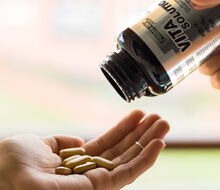
Yet there are specific groups of people who may benefit from some additional B vitamin supplementation. Since the primary sources of B-complex include animal sources, vegetarians and vegans should think about taking a supplement. However, there is no harm for the elderly who also have increased requirements, and likewise, people who have some kind of digestive disorder and want to optimize it can also reach for it. In this case, however, a consultation with a doctor is also in order.
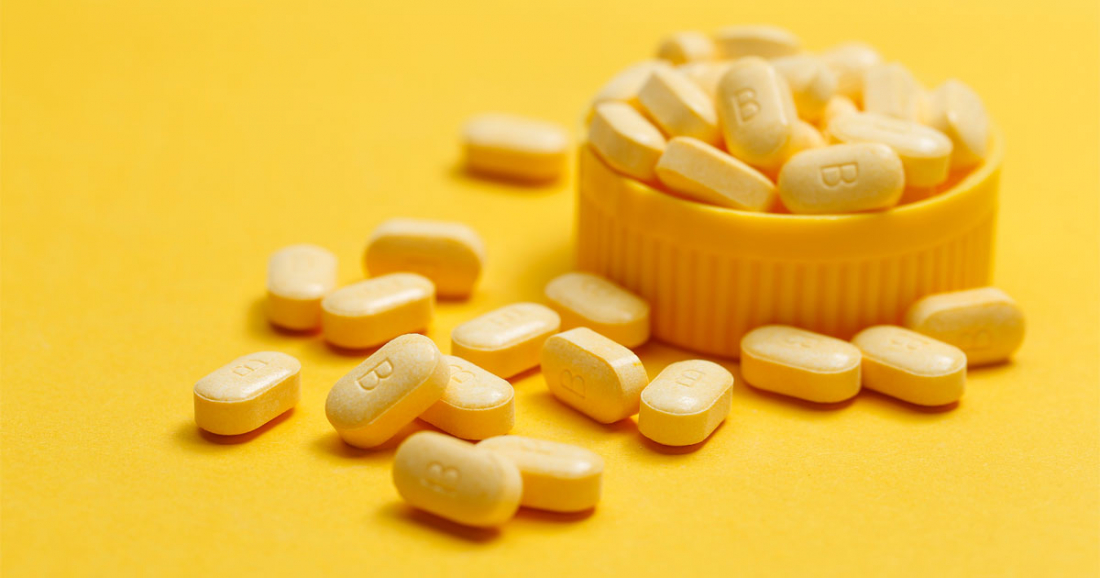
Vegans or people with digestive problems should especially consider supplementing with B vitamins.
What to take away from today's article?
The main takeaway from today's article is that B vitamins are extremely important for protein, carbohydrate and fat metabolism, as well as for overall vitality and proper functioning of the immune system. Even though athletes have increased requirements for their intake, they can usually cover it with a varied and balanced diet and there is no need to keep a close eye on the amount of B vitamins. Slightly exceeding the recommended doses is absolutely fine and the body will easily excrete the excess in the urine. In the same way that the Central European diet is not characterised by a deficiency of B vitamins, neither is an excess of B vitamins characteristic for us, and therefore there is no need to use supplements. It is sufficient to add a classic multivitamin to a regular varied diet; NexGen PRO is a great choice. However, if you are a vegan, a frequent eater or just have indigestion, you can also reach directly for complex supplements, which you can choose from our separate category of B vitamins. Many people ask what it is good for, the answer is - Vitamin B is good for supporting metabolism, proper nervous system function, energy production, skin and hair health, and overall body vitality.
No posts have been made yet.