





Come taste the benefits of sprouting and soaking food!
 Author:
 Sprouting seeds, pulses, cereals and soaking nuts is a fairly common practice throughout Asia and nowadays in many places in Europe. And not to be! In fact, various forms of seed soaking, germination and fermentation have been part of almost every culture in the past. Why, you ask? Simple, because our ancestors knew very well that germinating plants and seeds has significant health benefits.
Nuts, legumes, grains and seeds play an important role in the diets of many adults and enrich our diets with many important nutrients. It is not for nothing that most experts agree that these foods should be a regular part of the diet, even on a daily basis. This assumption is, of course, backed up by numerous studies which prove that these foods are quite essential for health. But there is a catch, all the foods mentioned can be really useful, but only when the body can process and absorb them properly.
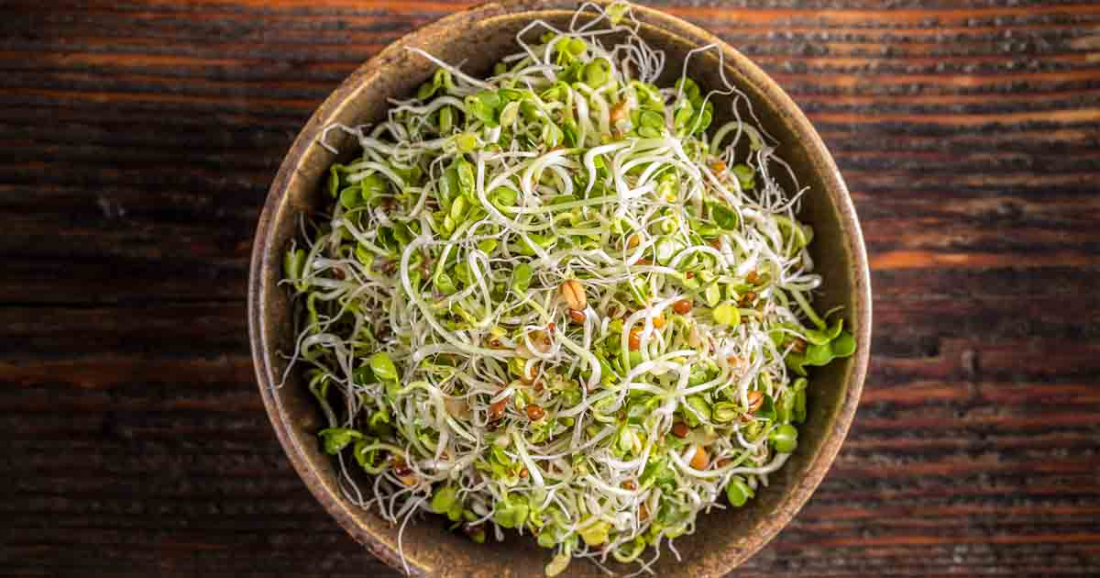
The reason why many people suffer from indigestion and bloating after eating these foods is simply because as humans we are unable to break down the antinutrients in plant structures that block the release of vitamins, minerals and other nutrients. Consuming large amounts of antinutrients on a regular basis can have a significant negative impact on your health. Fortunately, sprouting and soaking can destroy or eliminate antinutrients, making seeds and other foods more digestible and allowing them to release the healthy compounds that are naturally found in them. Some studies have even concluded that sprouting grains, legumes, beans, and seeds increases the availability of nutrients such as iron, zinc, and much-needed protein. If you sprout seeds, legumes or grains, you can reduce their antinutrient content (such as polyphenol, lectin and tannins) by up to 50%!
A theoretical window - what are sprouts anyway?
Germination is simply the process by which a seed, the embryo of a plant, grows into a sprout. We can germinate seeds, legumes and cereals. Nuts don't usually sprout, but it is advisable to soak them. Sprouting and soaking make the food much easier and easier to digest, allowing the body to absorb the maximum amount of nutrients from it. According to studies that compared the nutritional content of sprouted and unsprouted seeds, the unsprouted ones had lower protein content, lower availability of some essential amino acids, reduced protein availability, and overall lower biological value.
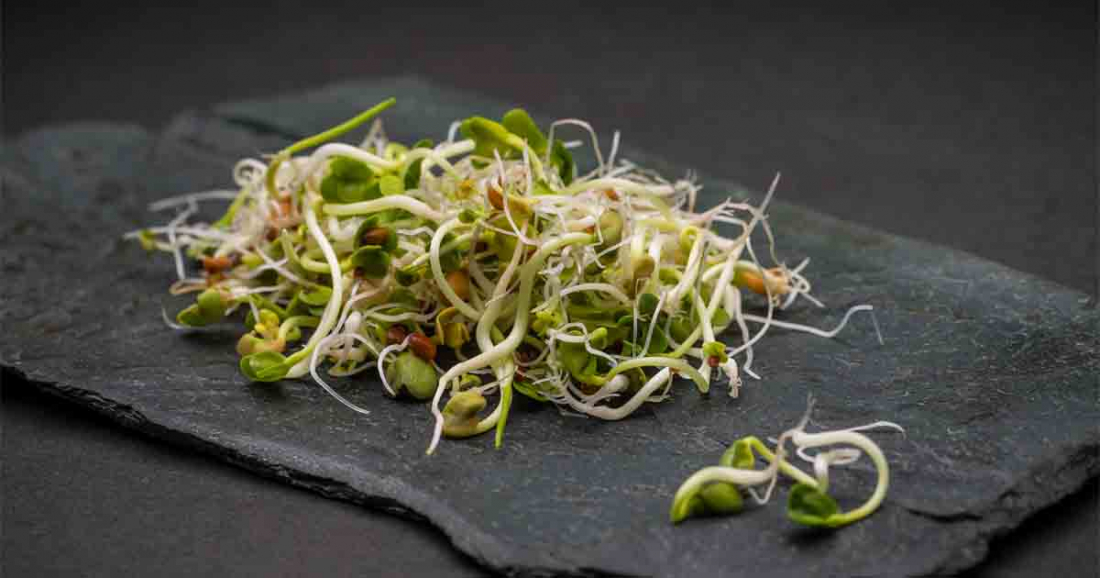
There is probably no need to argue at length about the many benefits of sprouting. But is it better to eat sprouts raw or cook them? You can benefit from both. Since you can sprout many types of food, even foods that you may not be aware of, you can use them both raw, since sprouting makes food edible without cooking, but you can also use them in cooked or baked recipes.
The power of sprouts
When you sprout beans, legumes and grains, one of the biggest benefits of this process is that it reduces the presence of antinutrients. Antinutrients are naturally occurring compounds found in the seeds of plants that interfere with our ability to digest the vitamins and minerals in them.
Theoretical window two - how do antinutrients affect our digestion?
The problem with antinutrients is that once we consume them, they can sometimes trigger a negative reaction in our gut and trigger autoimmune responses, including increased gut permeability, called leaky gut. This is one of the reasons why many people find it difficult to tolerate eating legumes, but also cereals (including baked goods), especially from sources that have not undergone germination. Experts believe that germination of cereals is one important aspect that can relieve many people of their problems.
Why do antinutrients actually exist naturally in plant seeds? Because antinutrients have an important protective property in plants. They help plants repel pests and insects. Once a pest ingests them, it causes trouble and then dies. Antinutrients also have the job of keeping the seed from germinating until it is mature enough. One of the most well-known and problematic antinutrients found in cereals, beans, nuts and seeds is called phytic acid.
Phytic acid inhibits our digestive enzymes such as amylase, trypsin and pepsin. Amylase breaks down starch, and both pepsin and trypsin are needed to break down proteins into smaller amino acids. In addition to phytic acid, polyphenols can be found in ungerminated plants and can inhibit the absorption of copper, iron, zinc and vitamin B. In addition, antinutrients include lectins and saponins, which are compounds that disrupt the inner surface of the intestines and contribute to the development of increased intestinal permeability (leaky gut) and other autoimmune diseases. Lectins in particular are highly resistant to human digestion and can cause serious gastrointestinal disorders.
Main benefits of sprouting
Okay, enough about sprouting theory, let's now look together at why sprouting is actually so important and what benefits it brings us.
Increases the absorption of nutrients, especially zinc, magnesium, iron and vitamin B12
According to scientists, sprouting and soaking foods for a period of time causes an increase in the activity of hydrolytic enzymes, an increase in the content and absorption of certain essential amino acids, B vitamins and a decrease in starch content and the action of anti-nutrients. Germination makes the seeds, and more importantly the nutrients in them, more available and more absorbable. In particular, the amino acids they contain, as well as the vitamins and minerals. We even find studies that say that sprouting increases the folate(vitamin B12) content to almost four times.
Other studies show that by soaking the seeds for about a week, an increase in the concentration of vitamins C and E, beta-carotene and antioxidants can be observed. A 2012 study shows that when mung beans were germinated for eight days, there was a significant increase in vitamin C and flavanoid antioxidant levels. Another study suggests that vitamin C, vitamin E and beta-carotene (a form of vitamin A) were barely detectable in unsprouted beans. However, there was a significant increase in their concentration during germination, with maximum concentrations of nutrients observed after seven days of germination.
Germination facilitates food digestion
Many people find digestion of cereals, seeds, pulses and nuts difficult. The main advantage of sprouting and soaking is that beneficial enzymes are released during the process, which then facilitate their digestion. This also helps to increase the beneficial flora in the gut, so that fewer autoimmune reactions occur when consuming these various forms of seeds. For cereals in particular, the sprouting method also helps to break down complex sugars and starches. This makes them more digestible. Diabetics can also benefit from this, as phenolic acids and enzymes are reduced during germination. Both short- and long-term sprouting has helped diabetics regulate the activity of the enzyme amylase, which is essential for proper glucose digestion.
Even more digestive benefits can be found with fermented cereals, as these contain beneficial probiotics in addition. Probiotics help to fill the gut flora with healthy 'good bacteria' while reducing the presence of harmful 'bad bacteria'. This aids digestion, detoxification and better absorption of important nutrients.

During germination, the content of antinutrients and phytic acid is reduced
Germination helps very substantially to reduce the level of carcinogens and antinutrients present in the seeds. Carcinogens, known as aflatoxins, are naturally occurring in plant foods, especially corn, peanuts, almonds and other nuts. These compounds can cause a number of digestive problems. Antinutrients, including phytic acid, have the ability to "leach" minerals and make them unabsorbable to the body. Another study found that soaked and fermented nuts contained significantly less tannins, another type of antinutrient toxin. Soaking nuts significantly helps to increase their bioavailability and the body's ability to absorb nutrients.
There is an increase in protein availability
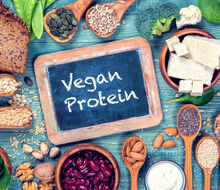
Depending on what type of seed is being sprouted, there may be an increase in the concentration of protein in the form of amino acids, making them more absorbable to the body. Some studies have shown that sprouting seeds can increase the amino acid content, particularly lysine and tryptophan. Conversely, gluten may be reduced through germination. Although protein concentrations in sprouted foods vary, most studies suggest that, in general, proteins in plants are significantly more digestible due to sprouting. When germination takes place, natural chemical changes occur. As germination continues, complex proteins are converted into simple amino acids, making them easier to digest. Which sprouts are rich in protein? Particularly legumes such as lentils, mung beans, adzuki beans or peas.
Sprouting increases the fibre content
Several studies have found that sprouting seeds increases the fibre content and makes it more available. While many plant sources are literally loaded with fibre, our bodies cannot adequately process it. Sprouting makes fibre more digestible and as you will know from our article on it, fibre has many health benefits, including the ability to make us fuller, which can be positive when trying to lose weight.
Thanks to germination, the aggressiveness of gluten and other allergens is reduced
In a 2007 study, researchers examined the effect of sprouting on wheat grains over a one-week period. They analysed them at different stages to track changes in the concentration of gluten and other nutrients. They found that germination significantly reduced the effects and aggressiveness of gluten, while increasing the content of other important nutrients such as fibre and increasing the availability of vitamins and minerals. In addition to reducing the concentration and aggressiveness of gluten, sprouting has also been shown to help reduce other food allergens that are mainly found in cereals.
So how to sprout properly?
Start, of course, by buying the right raw materials for sprouting. It's a good idea to have suitable containers for sprouting - nowadays you can buy a variety of containers designed specifically for sprouting. Sprouting jars are ideal, but a plate or bowl will also do. It's good to know that everything - seeds, nuts, cereals and legumes - soak the same way, it's just that the time it takes to activate and eventually germinate varies. It is important to make sure that the germination process is done correctly, as this process can easily give rise to bacteria and mould, which can be harmful. The seeds must always be rinsed and thoroughly soaked before germination.
When you have prepared the right type of seeds for germination, rinse them well and place them in a germination container filled about halfway with water. Leave the seeds like this for about 4-8 hours. Then pour the water over the green cap of the bottle and place the bottle on its head. Every morning and evening, pour the water over the cap into the bottle, shake it gently, pour it out and put it back on its head. Repeat this process and in 3-6 days you will have a full bottle of sprouts. There are of course many instructions on how to germinate the sprouts properly, you can find a good one here or a Czech instruction here. The sprouts need a temperature of about 20.5-22.5 °C and light to grow, but keep out of direct sun outside the window.
What is actually best to sprout?
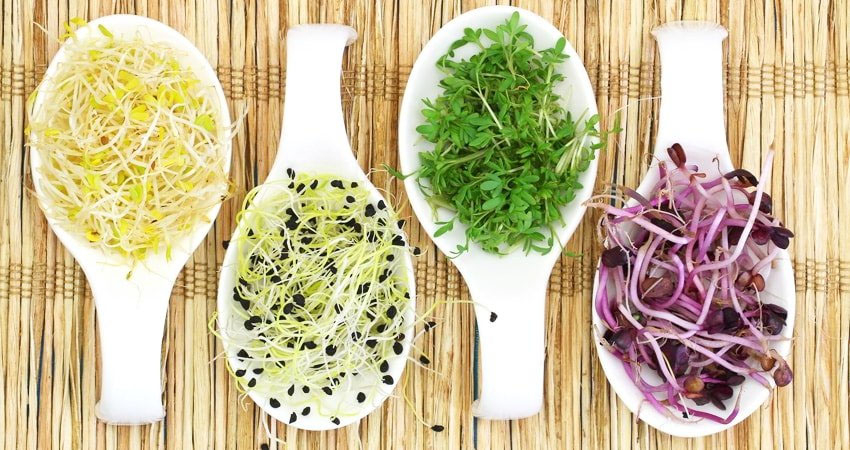
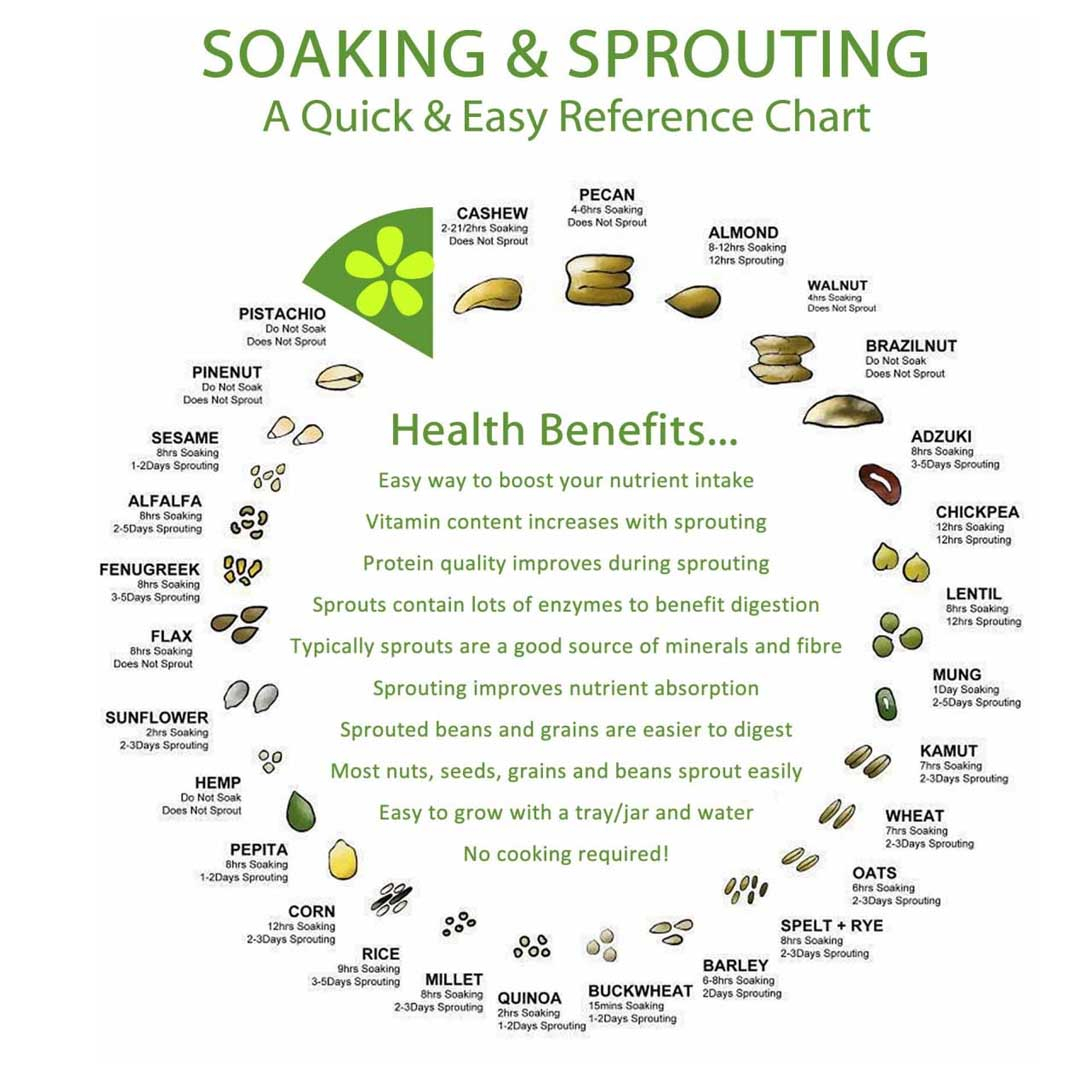
You can sprout almost anything from legumes - lentils, chickpeas, white, black and red beans, mung beans and peas. Cereals to sprout include buckwheat, amaranth, kamut, buckwheat, quinoa, rice and oatmeal. Seeds suitable for sprouting include sesame, pumpkin, flax, chia, sunflower or alfalfa seeds. As mentioned, most nuts (except almonds) do not sprout at all, but it is better to soak them for better digestibility. Here's how long to soak the ingredients and how long they take to germinate for clarity.
What to watch out for when sprouting
The seeds need to be rinsed really thoroughly before germination to eliminate any bacteria that may be on them. It is also important to change the water regularly so that the seeds do not remain in contaminated water. The seeds should not be kept in a room that is too warm or too cold. It is also essential to use a sterilised container. Be sure not to sprout cooked or otherwise cooked seeds. If mould forms on the sprouts, discard them and do not try to eat them.
Recommended
Zdravý den Chia semínka BIO
How to process the sprouts?
As mentioned above, sprouts can be used in both hot and cold cooking. The taste depends on which plant you are sprouting, as each has its own specific taste. Some sprouts taste best on bread with spread, others can be added to hot and cold salads, or used to make all sorts of goodies, baked, used to garnish soups and so on. Everyone will find their own way, where they will like the sprouts the most.

What to take away from the article?
Sprouting offers many benefits and is rightly becoming more and more popular. Our ancestors knew that sprouting gives food many extra benefits. Sprouting increases the content and availability of nutrients in food, while eliminating unwanted antinutrients and other compounds that cause digestive problems in legumes, seeds, nuts and cereals. Sprouting increases the bioavailability of many important substances, including the availability of amino acids, and also increases the content and digestibility of important fibre. It is important to follow certain guidelines when sprouting, but the result is worth it!
Sources:
https://www.nia.nih.gov/health/usda-food-patterns
https://www.ncbi.nlm.nih.gov/pmc/articles/PMC1263252/
https://www.ncbi.nlm.nih.gov/pmc/articles/PMC4008754/
https://www.ncbi.nlm.nih.gov/pubmed/2692609
https://www.ncbi.nlm.nih.gov/pubmed/11303459
https://www.ncbi.nlm.nih.gov/pubmed/8153070
https://www.ncbi.nlm.nih.gov/pubmed/23088738
https://www.ncbi.nlm.nih.gov/pubmed/11474896
https://www.ncbi.nlm.nih.gov/pubmed/2692609
https://www.ncbi.nlm.nih.gov/pubmed/7002472
https://www.ncbi.nlm.nih.gov/pubmed/7971791
https://www.ncbi.nlm.nih.gov/pubmed/2608636
https://www.ncbi.nlm.nih.gov/pubmed/1
No posts have been made yet.








