





Calorie counting or your own intuition - decide carefully!
 Author:
 Calories and macronutrients are very often mentioned now. To count calories or not to count calories is a question that many healthy lifestyle enthusiasts ask themselves. There are advantages and disadvantages to both paths, and both can be successful or unsuccessful. The key is to determine which method works best for you and which is most sustainable for you personally. If you are wondering whether to count or not to count and are on the fence, let's take a look at when it is appropriate to count and when it is better not to and maybe this will help you get some clarity. It is important to remember, however, that you must be very patient and fully compliant with whatever path you choose. Because the moment you change your strategy like socks, the results will not come.
So when is counting and tracking macros desirable?
1. You want to lose weight, but you have no idea how many calories you are taking in.
Most beginners have absolutely no idea how many calories they're actually taking in, and even if they claim to eat according to the 80/20 rule, it's often quite different. If you want to lose weight, it's a good idea to get at least a basic understanding of how many calories you're taking in and how you need to adjust your intake to be in line with your goals. You don't have to count for long, just a few weeks to get the right amount of food in your eye.
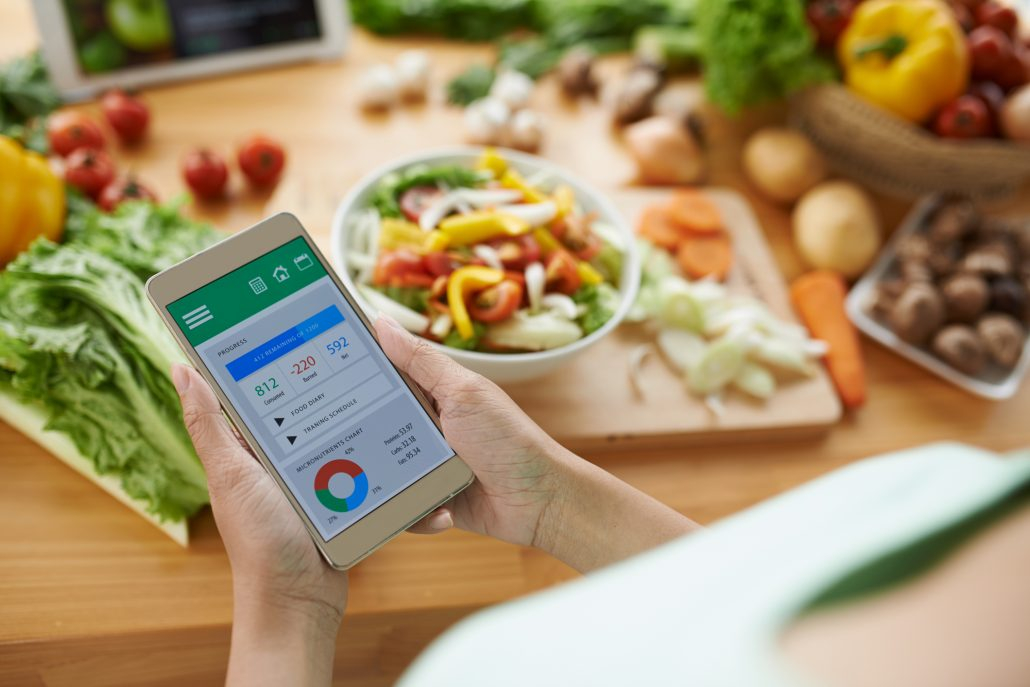
There are a bunch of general rules that say how many grams of each nutrient we should be taking in. But the truth is that the actual amount will be purely subjective and different for everyone, as it depends on many factors such as age, weight, physical disposition, training, daily activities, metabolic status, hormonal balance, personal preferences and a bunch more. All macronutrients should be taken in the highest plural quality. For active individuals, a lot of consideration goes into protein intake, which should be slightly higher than for individuals who don't play sports, but at the same time there is no need to overdo it by any significant amount.
The same applies to carbohydrates and fats, which are also an integral part of a healthy diet. It is quite common nowadays for people to grossly underestimate their carbohydrate intake because they are unfairly demonized and overestimate their fat consumption, which may not be the most appropriate tactic for active athletes. Even some low carb enthusiasts eat far more fat than is appropriate because they simply don't keep track and gain weight. Knowing your macros is not only important for reaching your weight goals, but it can also help you discover the cause of your digestive issues, excessive fatigue, and can also help you make significant strides in your athletic performance.

2. You try to lose weight intuitively, but you don't get results.
The second situation where it is advisable to start counting at least for a while is when you are trying to lose weight, you have adjusted your diet, but you have no results. While intuitive eating is something we should all come to eventually, this direction of eating requires a certain knowledge of your body, its reactions and the ability to estimate adequate calorie intake. Unfortunately, most people fail to recognize whether they are eating optimally, and even though they may be eating really healthy foods, they are unable to cut back because they are simply eating too much. If you are still unable to make the changes you are currently making, it may be a good idea to calculate your required intake, compare it to your current intake and tweak the necessary details if necessary. Eating healthy is not enough and you can actually gain weight even after eating healthy foods if your intake does not meet the calorie deficit principle, in short, if your intake is higher than your output.
3. You already have some pounds down, but you want to move on.
Have you managed to lose a few pounds by intuitively adjusting your diet, but can't move on? Try calculating your intake and making some small adjustments to kick-start your progress again! Because even small changes can lead to big results and can help you shed those last few damn spikes. Even if you feel like you have your intake in your eye, it can be a little tricky to hit the same amount of side dishes, meats or nuts on the nose, and then it adds up when you eat 20 more calories here, miss a hand here and it's 50 more, and half a teaspoon more peanut butter makes a big difference too. If you're just starting to reduce, these variations will probably be insignificant, but if your progress has stalled or you're just missing the last few kilos, which are always the worst to lose, then it's not a bad idea to try to count your intake and make friends with the kitchen scale for a while.
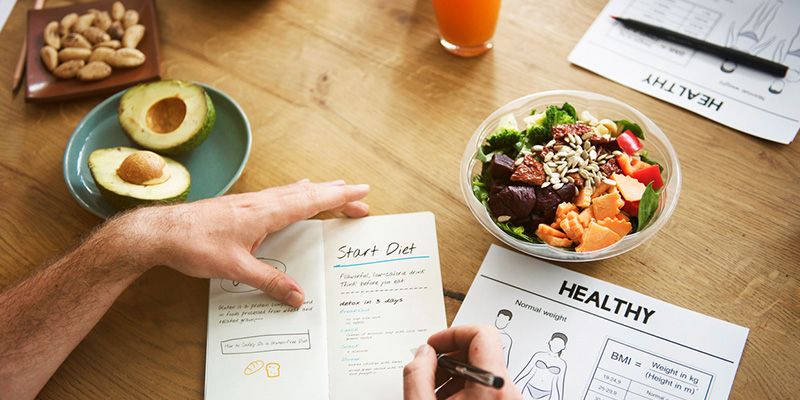
4. You struggle with rampant night cravings.
If you're one of the regular nighttime raiders of the fridge or candy pantry because you're overwhelmed by cravings and cravings, then it might also be time to plug in the scale and track your intake. While most cravings are due to some emotional cause, the second most common reason is just insufficient or unbalanced intake. People who eat too few carbohydrates, fail to balance their intake or are generally in too significant a deficit often struggle with cravings and desires for sugary or fatty foods. In this case, it's ideal to keep a log of how much you actually eat for a few days and compare it to your actual needs to straighten out the deficit and uncover the reason why the cravings are overwhelming you. Especially if they are a regular evening affair, the easiest way to get rid of them is really to calculate your intake and adjust it according to your body's needs, not only in terms of calories but also in terms of the optimal ratio of all macro and micro nutrients.

When better not to count or stop?
1. Macros and calories control your life.
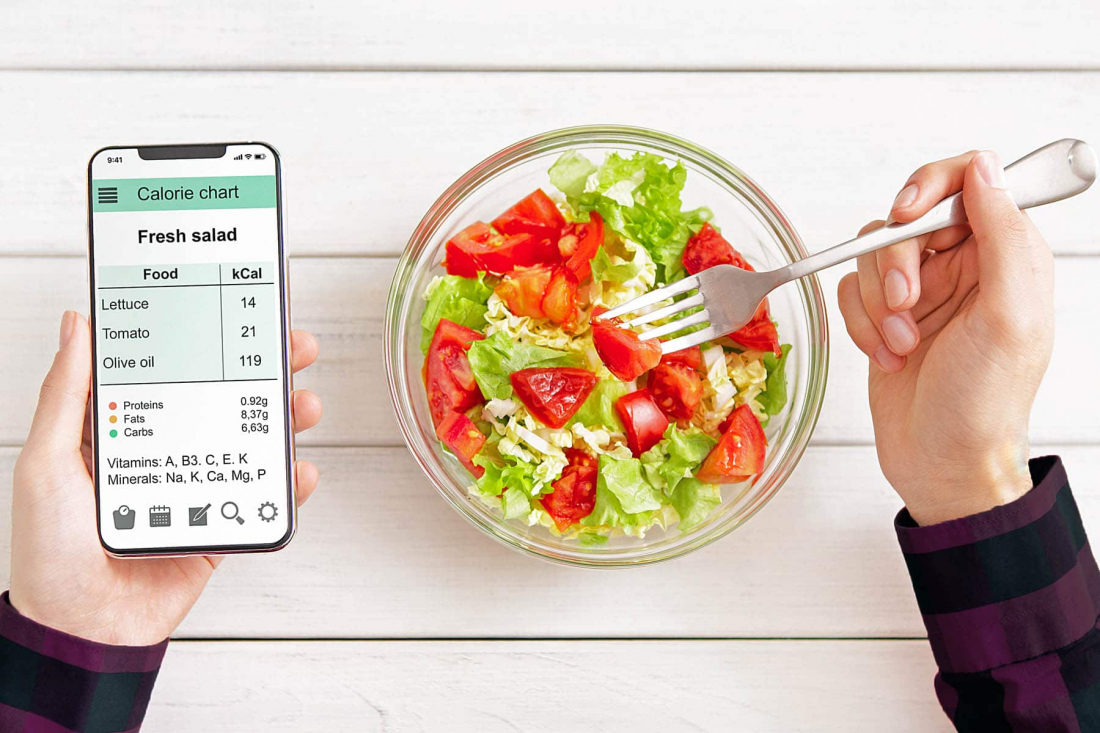
If you are one of those people who when you look at a plate of food, you see not food, but 20g of protein, 60g of carbs and 14g of fat, please stop. Knowing your intake and being in control of it is definitely desirable, but it shouldn't control you, and certainly that control shouldn't turn into not noticing cravings, only calories and macros. Eat the same foods every day for sure, so that you have absolute control over eating the exact number of calories you have. Day in, day out, the same thing over and over. You tell everyone that it tastes good and suits you, when it's more of a routine, a reassurance that you're going to stick to the right intake. Maybe even an obsessive way of eating. Counting calories can be helpful, but calories must never control you.
2. You try a different nutritional direction every week and don't give it a chance to work.
You've read everything you can about diets, macros and different calorie distributions. The problem is that you don't know what to trust and as soon as something doesn't work to your liking, you immediately switch and change your strategy. You change so quickly that you don't even give the new setup a chance for any progress to occur and you change again. In short, you are not patient enough, you feel the need to keep trying new things and you change one nutritional strategy after another, looking for the best one, but you don't give it any chance to be successful and you feel desperate. In this case, it is better to shift your attention elsewhere, engage your mind and eat what you like, enjoy your food, be active and stress less about what is best and what is not.
Recommended

Eurovo Service Tekuté vaječné bílky
Nebbia Legíny s vysokým pasem ELEVATED 462
Nebbia Sportovní podprsenka se síťkou PERFORMANCE 477
Mars Snickers Low Sugar High Protein Bar
3. You don't understand the theoretical basics and can't set the reception correctly.
You've decided to lose a few pounds, but you don't have an absolute shine on what calories are, how to break down macronutrients, how many carbs you actually need, you don't know how to train. Do you imagine eating healthy by putting an extra lettuce leaf in your burger from the mecca? Wondering if butter is a carb? Okay, that's not gonna work. Let's back up a bit and work on the big basic nutrition rules. Do you drink enough water and exercise regularly? Are you getting enough sleep and managing your stress levels? Do you understand the difference between carbohydrates and protein? Can you look at two different foods and immediately choose the currently preferable one? Can you manage to eat at a restaurant and not feel guilty about eating a good meal? If not, throw yourself into studying first and fill in the gaps, or ask an experiencedprofessional to help you set your intake.

4. You want to eat healthy, but you don't need to be cut out and counting gets on your nerves.
Do you want to have a healthy body, be fit, but you don't need to have measurements like a miss, you don't have racing ambitions and counting calories stresses you out or downright annoys you? Then just don't do it. If you don't have a time-bound plan and a time-bound goal, there's no reason to stress about something that's not that important to you. If fitness is a hobby for you and you don't want it to dominate your entire life and make you have to weigh every food, don't sweat it. For some of you it may sound like absolute nonsense, but for many it is the ultimate end goal and a huge improvement over the person they were when they started. At the same time, you can use methods to estimate portions, such as the healthy plate or the palm measurement method we discussed in this article.
What to take away from the article?
Calorie counting and tracking macros can be a very useful strategy, but also something that is absolutely inappropriate. Counting is a good stepping stone, but it is not necessary. It's a very effective tool for getting an idea of what your intake should look like, or it can help you move to the next level, but if counting is too stressful or makes you unable to perceive cravings and you only see numbers, you should talk yourself out of counting calories and watching macros. Keeping track of calories and numbers shouldn't limit or frustrate you in any way, in the long run it's ideal if you're able to eat intuitively, but for most beginners, calorie counting is a good stepping stone to finding the right path.
No posts have been made yet.








