





Are your cravings getting in the way of your dream body? Get rid of them once and for all!
 Author:
 Do you think you eat healthy, but you still regularly get cravings for sweet or salty foods? Are you wondering where these cravings originate and what triggers them? Then you've come to the right article! Cravings will be the main topic of today's talk.
Some of the tastes that the brain signals indicate that there is a lack of something in the body. Sometimes tastes can indicate a real deficiency and sometimes they can actually be a bit of a "trick". For example, a craving for pickles or chips, which might be thought to indicate a need for sodium, may actually be a craving triggered by a deficiency of potassium (a similar mineral). Although the body is a very intelligent "machine", the more common cause, rather than insufficient intake of a particular food in question, is something else entirely.
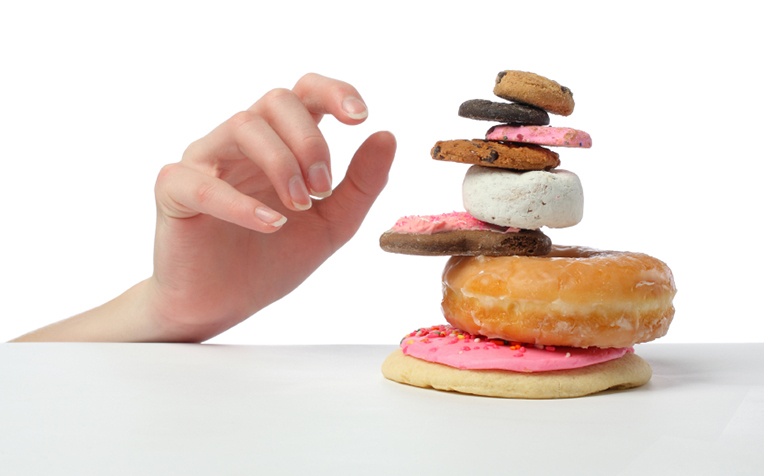
What exactly are these cravings and what do they indicate?
When it comes to what a given craving for a particular food means, the answer usually depends on the person or source you are looking to for the answer. Some cravings have very clear origins indeed, others are not so clear. First you need to understand what you are actually craving - if you are craving only sweet or anything. If you only have cravings for sweet things, it certainly doesn't mean that your body is signaling your brain to take in some (micro) nutrient by some "subconscious" function - that's just not how the body works. Take this for example, have you ever had the urge to take a scoop of magnesium, glutamine or maybe vitamin C? No, probably never. And it's the same with sweet cravings. Because their origins are overwhelmingly emotional.
Where do cravings come from?
The next time you buy or cook a food you crave, ask yourself why you want to eat it in the first place. Often there is an emotional cause behind the craving, such as stress, anxiety, and even more often than the lack of calorie/nutrient intake itself. Try to become aware of your emotional triggers to eat so that these triggers can be avoided, or at least resolved. Emotional hunger doesn't necessarily have to originate from your diet, but may just be a "habit" of how you cope with stress, for example.
If you know that stress is causing you to crave and overeat, try to find ways to vent that stress other than seeking comfort in food. Many people also eat sweets because they are bored - in short, they have no appetite, so they think about food, which triggers cravings, and then they eat more than they would like. If this is the case, find a fun activity, hobby or pastime to fill your time so that you can keep your brain occupied and not overthink food.
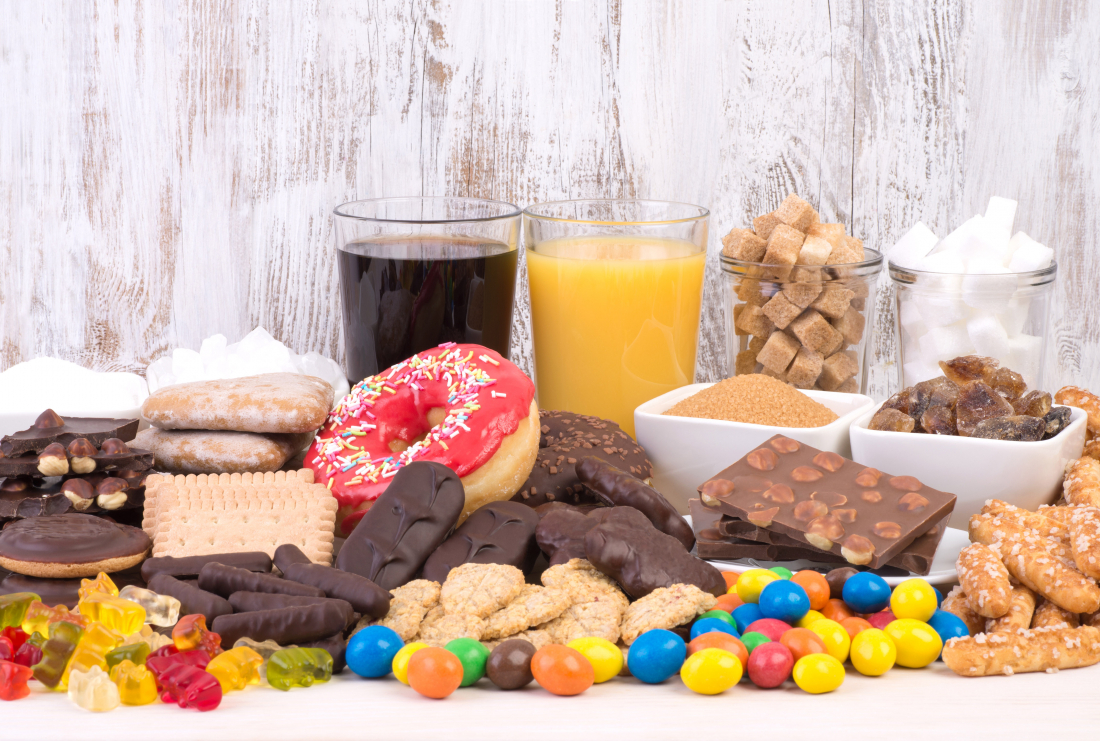
If you notice that your craving is always linked to a particular activity (such as reading the newspaper or watching TV), try changing your routine. Something as simple as going for a half-hour walk , for example, or reading a good book that draws you into the story, can help. Or try changing the activity altogether. Try exercise, for example. Exercise stimulates sensitive chemicals called endorphins and improves your mood. Try a warm bath, call friends and family, or just wait 15 minutes. If you can control yourself, very often you will find that the strength of a food craving has significantly lost its intensity after a while.
Some food cravings are secretly feelings of thirst. Indeed, it is scientifically proven thatup to half of all cravings are caused by the feeling of thirst alone. You can try drinking and see what happens to your cravings. Although some people may be going dizzy right now, if the craving persists, try perhaps a glass of cola light, or other sweetened beverage, and give your body some time to process the information that you have satisfied the craving. Sweeteners in reasonable amounts are not as harmful as many people think. Read more about sweeteners in this article (Link here).
When do you get cravings?
Knowing exactly when you have cravings is very important because it can indicate fluctuations in blood sugar and insulin levels. If you have your biggest cravings in the evening and at night, eat more complex carbohydrate-rich meals to balance your blood sugar levels, which will ensure you don't have the urge to seek out sweets later in the day. Avoid eating sweets before bed and drinking alcohol.
It's definitely not a good tactic to skip meals or reduce your calorie intake too much, especially if you're active or workout during the day. In fact, it's virtually impossible to control nighttime forays to the fridge if your intake is too low during the day and your body lacks sufficient energy.
What do cravings for specific foods indicate?
In the previous paragraphs we have already noted that most cravings for a particular food are more of an emotional issue than outright lack of that food or caloric deficit, yet some specific cravings can have connections.
So what can it mean when you're craving...
..SACCHARIDES
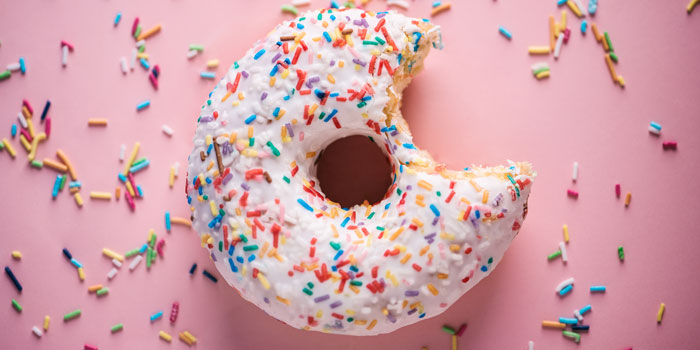
If you are craving carbohydrates; such cravings may indicate low levels of serotonin and endorphins. According to some studies, carbohydrates initiate a chain reaction that can theoretically alter levels of mood influencing neurotransmitters. Serotonin is thought to play an important role in the development and treatment of depression, bipolar disorder and anxiety. It also influences sexual desires and appetites. Research conducted by observing the consumption of higher carbohydrate "snacks" suggests that cravings for sweets may be related to negative or depressive feelings that may be alleviated by their consumption, but this idea is not universally accepted. Many people question the serotonin/carb connection because most people do not seek out carbohydrates such as potatoes, bread, or pasta. They want sweet foods high in fat and sugar, such as cakes, donuts, candy bars, and other confections.
...FATTY FOODS
If you're craving fatty foods, it could mean your body doesn't have enough essential fatty acids (EFAs). There are two types of essential fatty acids - commonly referred to as omega-3 and omega-6 (especially ALA and LA) - that are actually essential for life because they are involved in the proper functioning of every cell, tissue and organ in the human body. (There are, of course, omega-9s, but their intake is not as significant because they can be synthesized.) As structural components of membranes, EFAs help form a barrier that keeps unwanted foreign molecules, such as viruses and bacteria, out of the cell and, in turn, keep proteins, enzymes, genetic material, and organelles inside the cell. EFAs also help regulate the transport of substances into and out of our cells.
EFAs have other health benefits as well - they regulate oxygen consumption, help form hemoglobin, cholesterol transport, joint lubricant formation, electron distribution, and many more. So for solid health and to curb these cravings, you can try enriching your diet with omega-3 and omega-6 EFAs, flaxseed oil, or simply just try eating more fatty fish (like salmon, mackerel). You can read more about dietary fats in this article (link here).
...CHOCOLATE
There are many stated reasons why people have cravings for chocolate. One of them might be that your body is deficient in magnesium. Then for women, chocolate cravings have been linked to hormonal changes during the menstrual cycle. Some believe that chocolate can increase serotonin levels in the brain. Others, in turn, believe that chocolate cravings are triggered by a deficiency of vitamin B. And this is key to finding the answer to why chocolate cravings are confusing. So which is the correct answer, what are we missing when we crave chocolate, if anything? Maybe nothing really, or look for stress behind everything. Yes, chocolate cravings are mostly emotional. Even chocolate can be an appropriate food in the diet, especially for active people. However, choose chocolate that contains at least 85% cocoa.
How to fight cravings in general?
Let's give you some tips on how to fight (not only) the evening and nighttime forays to the fridge, which for many hinder them in their quest to reduce some pounds.
YES TO THE CALORIE DEFICIT, BUT IN A SENSIBLE WAY!
One of the most common reasons for fridge raids and evening cravings is that you consume too few calories during the day and your body is starving. If you're trying to lose weight, it's definitely a good idea to create a calorie deficit, i.e. consume fewer calories than you expend, but the deficit must not be too restrictive! In this case, sooner or later your body will ask for the energy it is lacking and you will then mindlessly eat everything you can think of. The amount of your calorie deficit depends not only on your physical disposition, but also on your daily activity, the number of workouts and the amount of sleep you get. Don't underestimate your intake too much, it really doesn't pay off.
Recommended

Nebbia Washed-off oversized tílko MAX OUT 359

Nebbia Open-back crop top STRONG BEAUTY 430

Nebbia Intense Tričko Intense Mesh 805
Czech Virus Supreme Creatine
STOP TOTAL MACRONUTRIENT RESTICTIONS
Although diets with a radical restriction or complete elimination of carbohydrates are in vogue now, we recommend sticking to the good old rule of "everything in moderation". Each macronutrient has a specific role in the body, so it is good not to completely eliminate any of them. Often, it is the restriction of a macronutrient that is an indicator of the development of cravings due to its deficiency. Yes, even carbohydrates can be a great tool to help keep your cravings at bay. However, swap simple sugars for more complex sources such as rice, sweet potatoes, oatmeal, quinoa or even whole grain breads and eat plenty of them! You really don't have to worry about gaining weight through carbohydrate consumption - gaining weight is a matter of caloric excess, a condition where you consume more calories than you expend and it doesn't really matter where those calories come from.
Also, never consume carbohydrates alone, but always combine them with protein and fat, or at least protein. Carbohydrates on their own have a high glycaemic index, which causes fluctuations in blood sugar and insulin levels. By combining it with protein, the glycaemic index can be lowered and the satiety of the food can be increased. You can read more about the glycaemic index of foods in this article (link here).
GET RID OF ALL TEMPTATIONS
If you throw out all sweets from your pantry, then it will probably be much easier for you not to consume them. In the event of a bout of emotional hunger and cravings, then you'll be much more confident than you would be at home not craving everything you come across. If a craving hits you, you have nothing at home and you are able to drive to get the sweet, then you can be sure that the origin of your craving is strongly emotionally induced. Learn to control your cravings and try substituting sweets with some lower calorie alternatives or at least control the quantity.
FORGET THE STEREOTYPE!
Another point that often leads to cravings is the monotony of the diet. You simply get bored of eating the same thing over and over again. Porridge for breakfast, rice and chicken for lunch and eggs for dinner. Boring, boring, boring. How to stop it? Experiment! Try new foods, new tastes, find and invent recipes, in short, don't let boredom into your diet. There are so many ways to make your diet varied, and you don't have to be a star chef. Try some of our healthy recipes for inspiration.
THERE IS NO SUCH THING AS AN UNHEALTHY FOOD, ONLY AN UNHEALTHY AMOUNT
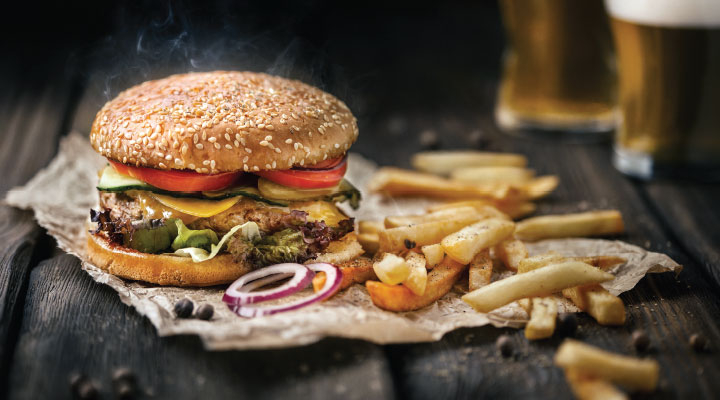
Stop dividing foods into healthy and unhealthy, or good and bad. There are, of course, some foods that have a better position in the diet than others, but there's no need to strictly label any food as bad. It's okay to have the occasional piece of chocolate, a burger, a good ice cream, a pizza, or mom's sirloin steak, as long as you can control the quantity and frequency of these foods, then it is indeed true that these foods can be part of your diet. Just follow the rule that there is no unhealthy food, only unhealthy amounts of it.
ENSURE SUFFICIENT PROTEIN INTAKE
Protein has the greatest thermic and satiating effect of all the macronutrients and is therefore important so that you don't tend to overeat due to hunger. For most weight loss regimes, having a sufficient protein intake is essential, as it is for active athletes. Choose a variety of protein sources to ensure that your diet is sufficiently varied and that you have a good intake of different types of proteins, amino acids and other nutrients.
EAT PLENTY OF VEGETABLES
Vegetables contain lots of fibre, vitamins, minerals and antioxidants, which are very important components of food. Fiber in particular has a satiating effect, which is very beneficial when you're trying to shed some pounds. Add a serving of vegetables to every meal, as they are low in calories, you will increase the volume of food you eat with a minimum of extra calories, and still do something for your health.
INCREASE YOUR FLUID INTAKE
Hunger is only thirst in disguise up to half the time. If you get cravings, try drinking water or some "light" drink with sweeteners first, and wait a few minutes to see if your cravings have been satisfied. Adequate drinking is another powerful player against cravings.
STRESS, STRESS, STRESS
Another cause of emotional hunger is a kind of habit in how you cope with stress. Stress affects all of us, we all have it and we all deal with it a little differently. However, don't associate stressful situations with seeking comfort in food. Stress can also be combated, for example, by taking a walk in the fresh air or doing some sport.
THE EVER-UNDERESTIMATED SLEEP
If you've read any of our articles on sleep (such as this one), then you'll know that getting enough sleep plays a big part in controlling calorie intake, cravings, as well as helping to reduce stress. Make sure your rest periods are actually adequate. Sleep is crucial for many processes in the body, not excluding fat reduction. Sleep at least 6-9 hours every day , the optimum is individual.
GO FOR A WORKOUT!
Exercise is another great way to chase some of those endorphins and improve your mood. Plus, you'll burn some extra calories while you're moving, which is a positive for weight loss and will also motivate you to not want to ruin the good feeling of exercise by eating out of the fridge. Again, though, make sure that exercise is factored into your caloric intake and that you give your body enough quality nutrients for recovery.
What to take away from the article?
The body may be an amazing machine, but only in the bare minimum of situations does craving specific foods signal that the body is deficient in them. Most of the time the cravings are caused more by emotional hunger. Focus on making sure your intake is adequate, your diet is varied, you get enough sleep, you're active, and trust that you won't even remember any cravings over time! But it's also true that there is no such thing as an unhealthy food, just an unhealthy amount, so it's okay to have a piece of chocolate or a burger every now and then.
Sources:
https://www.ncbi.nlm.nih.gov/pubmed/31415796
https://www.ncbi.nlm.nih.gov/pubmed/31398376
https://medicalxpress.com/news/2018-07-brain-food-cravings.html
https://www.ncbi.nlm.nih.gov/pubmed/17466108
https://www.sciencealert.com/do-we-really-crave-the-foods-our-bodies-need
https://www.ncbi.nlm.nih.gov/pubmed/8697046
https://www.ncbi.nlm.nih.gov/pubmed/3056265
No posts have been made yet.








