





Boredom in the diet? Try these 9 foods to spice up your daily diet
 Author:
 A lot of people live in the idea that eating healthy is boring. Chicken on water, rice and broccoli 100 times different and still the same. But of course, that's not the case at all. Today, we have a really wide variety of foods that we can use to enrich our healthy diets and ensure that our bodies get the maximum nutrients from a variety of sources. As usual, I would like to remind you of the idea that it is very advisable that our diet should contain mostly food in its most natural form, products with the simplest possible composition, i.e. what I describe in my articles as food that is real food. We should limit ultra-processed foods, which, thanks to multiple processing, are low in important nutrients but are enriched with all sorts of additives, sugar and chemicals.
But back to healthy eating. A healthy diet should be as varied as possible, because sufficient variation is important not only to ensure that the body receives nutrients from different sources and can work with them, but also to ensure that we simply enjoy a healthy diet. And that's why today we have an article with unusual side dishes, protein sources, but also common ingredients that have universal use and you can use to refresh your diet too! So let's do it.
1. Quinoa
Quinoa is now a fairly common ingredient that most of you will probably already be familiar with, and is even considered a superfood. However, if there are those of you who haven't heard of it, let's give you a brief introduction. Quinoa is a naturally gluten-free pseudo-grain that stands out in its category for its protein content. The interesting thing about the protein content of quinoa is that it is one of the few plant sources that contains all the essential amino acids and is considered a complete source of protein. In addition to its high protein content, quinoa boasts a very interesting nutritional profile. It contains a wide range of micronutrients, i.e. vitamins and minerals. It is rich in phosphorus, magnesium, folate and manganese. It also contains a good proportion of fibre, which affects satiety and is important for proper bowel function. To make matters worse, quinoa is also a source of antioxidants, substances that help us fight free radicals.
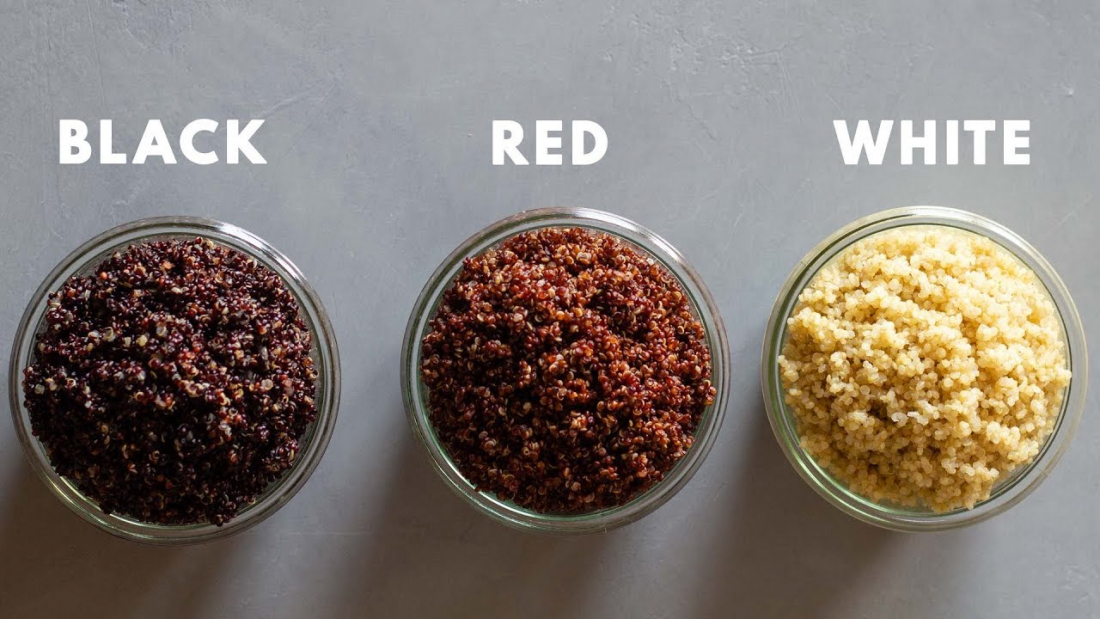
Quinoa has a mild nutty flavor and has very versatile uses. You can use it in savoury dishes, for example instead of rice or couscous, add it to salads, bake all kinds of meatloaf, muffins and breads, or use it in sweet dishes, for example instead of oatmeal. It comes in three varieties - white, which is the most common, red and black.
2. Amaranth
Another gluten-free cereal that can freshen up your diet is amaranth. This cereal was one of the main food crops of the Aztecs. So you understand that it is not a modern food, but rather a food that has been around for a long time, but has been forgotten a bit. Amaranth is again a cereal very rich in protein, and again it is a complete source, so amaranth contains the full spectrum of amino acids. It also has antioxidant and anti-inflammatory properties. Amaranth is a great source of protein, fibre, complex carbohydrates, manganese, magnesium, phosphorus and iron. It promotes optimal digestive system function, has a positive effect on cholesterol levels and is also beneficial for bone health due to its nutritional content.
As with quinoa, its use is very broad. It can be used in place of pasta, rice, couscous and the like. It can be made into a breakfast porridge instead of the classic oatmeal. You can grind it into flour and use it to make pancakes and other snacks.
3. Black lentils
Lentils are not just the classic green lentils, but we also have red lentils, or black lentils, called beluga lentils. All types of lentils are among the legumes that are often neglected in the diet, which is a pity because they offer a huge nutritional wealth. All lentils are a source of vegetable protein, carbohydrates, beneficial fibre, phosphorus, iron and manganese. Black lentils have one major advantage over other types, namely that they do not need to be soaked, which makes their preparation very simple indeed. Lentils are by no means just for vegetarians and vegans! It can be a very pleasant refreshment to everyone's diet, regardless of the dietary direction we follow. Thanks to its fibre content, lentils also have a positive effect on our digestion and our feeling of satiety.
You can prepare lentils in the classic way, just like green lentils, make soup, spread them, add them to meatloaf or meatballs, or use them to make a wonderful salad.
4. Tempeh
Next up, we'll take a look at tempeh, a fermented soybean product that serves as a protein source if you don't have a craving for meat. Thanks to its versatility, delicious taste and the impressive nutritional profile it offers, tempeh has become a popular staple in households around the world, and is especially popular among vegetarians and vegans. In fact, it is considered one of the most sought-after meat substitutes ever. Tempeh is easy to prepare, boasts a high protein content and is rich in probiotics, manganese, copper and phosphorus. Studies suggest that tempeh may help keep cholesterol levels low to protect the heart, as well as help boost bone health and stabilize blood sugar levels.
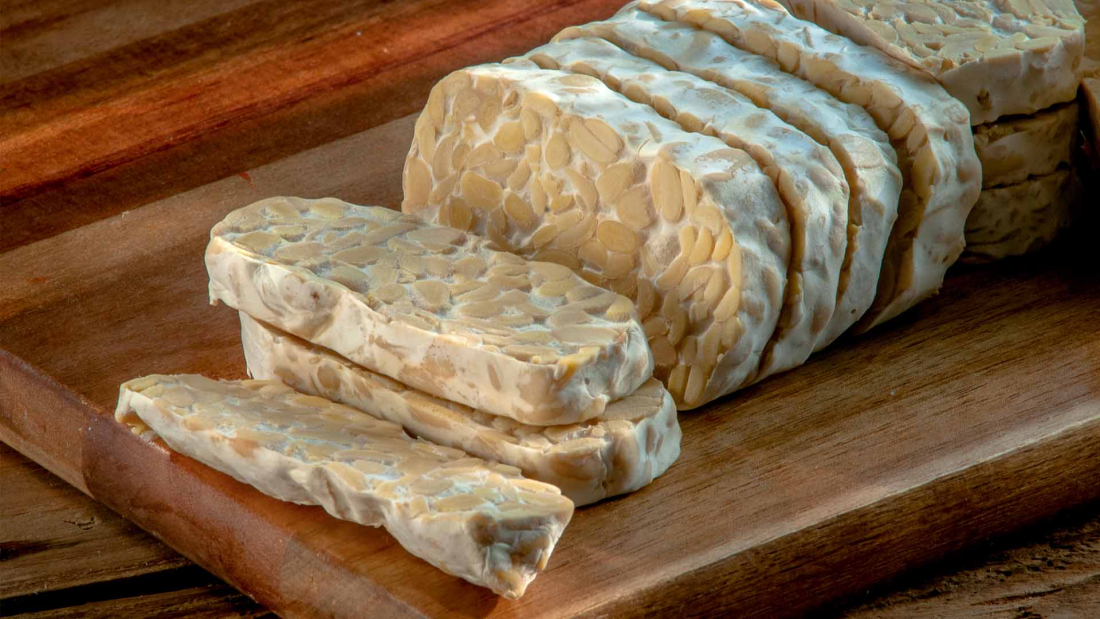
Its preparation is very simple - in short, you can use it wherever meat is added. If you're wondering what makes it a step ahead of tofu, it's the fact that tempeh is fermented, which makes its nutritional content very interesting and we recommend all meat eaters to try it.
5.
Smurf is another unusual source of protein. It is an egg white product that is gluten-free and fat-free, offering a great option for diversifying the diet not only for vegetarians. It is available in a variety of flavours, both sweet and savoury. It is very simple to prepare and is suitable for both hot and cold cuisine. It can be used to make sandwiches, a variety of mixes in place of meat, can be blended to make a spread. Sweet variations can be used as a light and nutritious snack on the go, or to boost the protein content of your morning porridge or healthy desserts.
6. Buckwheat
Buckwheat, another nutritionally packed, gluten-free cereal that is popular in Asia and America and is slowly starting to make its way here. Buckwheat is rich in rutin and is considered a superfood due to its polyphenol content. It is very rich in protein, vitamins, minerals, complex carbohydrates, antioxidants and fibre. It is particularly notable for its content of vitamin K, E, riboflavin, choline, calcium and potassium. The main advantage of buckwheat compared to other cereals is that it has a unique composition of amino acids, which gives it special biological activities. The main benefits derived from its consumption include its cholesterol-lowering effect, anti-hypertension effects and its ability to improve digestion.
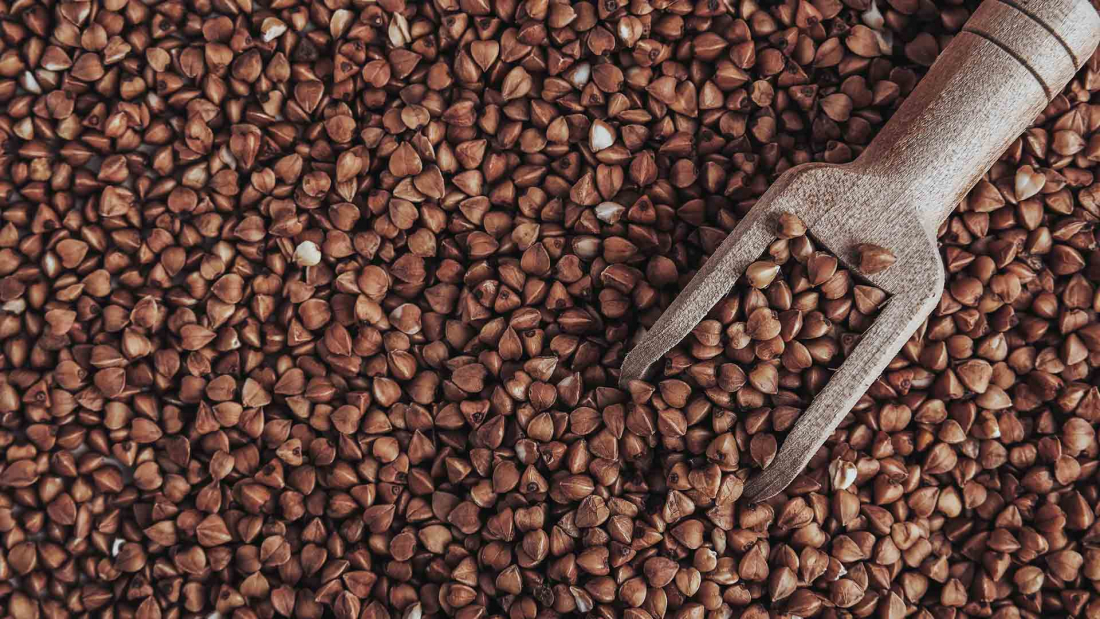
Buckwheat has a beautifully nutty taste and can be used in place of rice or other cereals. Buckwheat can also be made into a great morning porridge to warm up in the winter months. Buckwheat flour is also very often used to add an interesting flavour to traditional dishes and, most importantly, it is suitable for gluten-free people.
7. Alternative flours
To freshen up your diet, you can also try experimenting and trying some of the alternative flours that are currently on the market, which are a really solid selection. Some of the most popular are coconut flour, almond flour or chickpea flour. Alternative flours offer, as the name suggests, an alternative to regular flour. This is not at all because we should be panic-stricken about wheat flour, but because alternative flours diversify our diets and offer the body an intake of different nutrients from different sources and in different proportions.
You can use alternative flours just like regular flour, you just need to test or load up on how which flour behaves. It's great to combine flours to create the perfect nutritional content. By partially substituting regular flour for an alternative flour, you can also lower the carb content, increase the protein content, or add healthy fats to your favorite foods, plus - you're guaranteed to enjoy!
Recommended
LifeLike Kokosová mouka
8. Batatas
Few foods are more #instafriendly than sweet potatoes. Sweet potatoes from Central America are no longer a novelty in our country and are quite popular. Sweet potatoes have a really rich nutritional profile and boast a high content of many important nutrients. They contain large amounts of fibre, vitamin A, vitamin C, manganese and many other vitamins and minerals. They also contain a good amount of antioxidants. They have a positive effect on eyesight, immunity, help strengthen brain function and stabilize blood sugar levels. Compared to traditional potatoes, sweet potatoes are sweeter in taste and have more carbohydrates, but they have a lower glycaemic index and contain more fibre and vitamin A.
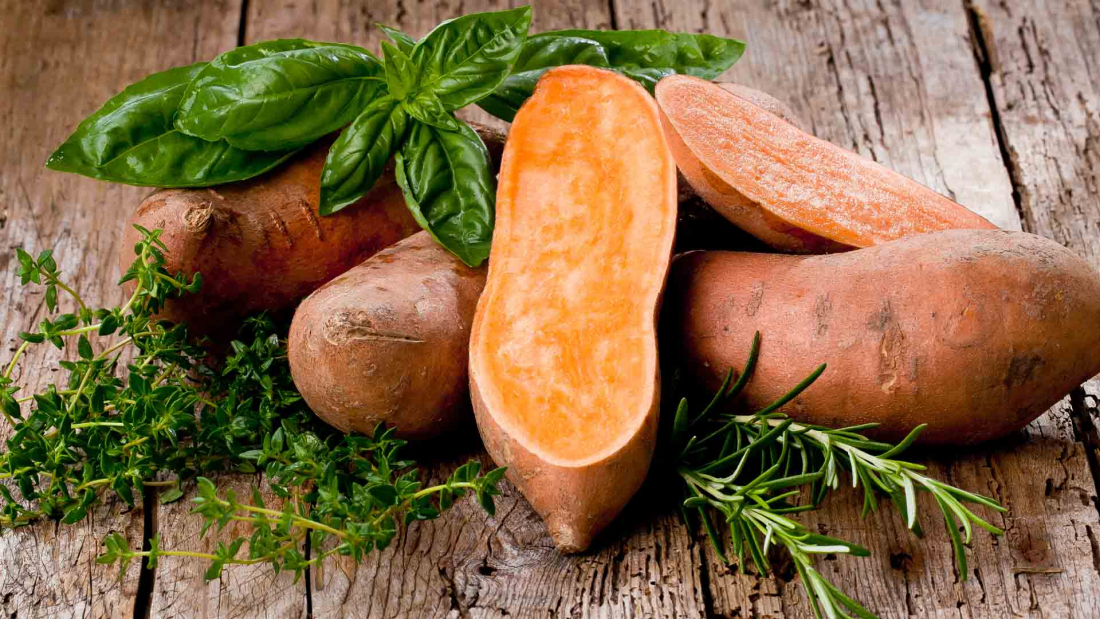
Sweet potatoes also have a very versatile use. They are perfect for preparing savoury dishes and can be incorporated into sweet dishes just as well. They are very popular in stir-fries or as a puree for steaks. However, even in such brownies the taste of sweet potatoes stands out!
9. Pumpkin
Since autumn is already knocking on the door, pumpkin has to be on our list. This seasonal vegetable has divine nutritional content, and such a wide variety of uses that it's hard to believe. Even with pumpkins, we can come across many varieties - hokkaido, spaghetti, butternut, butternut and many more. The most famous pumpkin is the Hokkaido pumpkin. Its great advantage is that it does not need to be peeled during preparation and can be eaten with the skin on. Hokkaido pumpkin is rich in vitamins and minerals - calcium, magnesium, phosphorus, potassium, calcium, beta-carotene and vitamins A, B, C. It helps with pancreatic and spleen diseases, stomach problems, as well as kidney and heart problems. It has a diuretic effect and the substances contained fight against nematodes, roundworms and roundworms. Because of its low energy content, high fibre content and detoxifying effects, the Hokkaido pumpkin is also suitable as part of a diet for weight reduction.
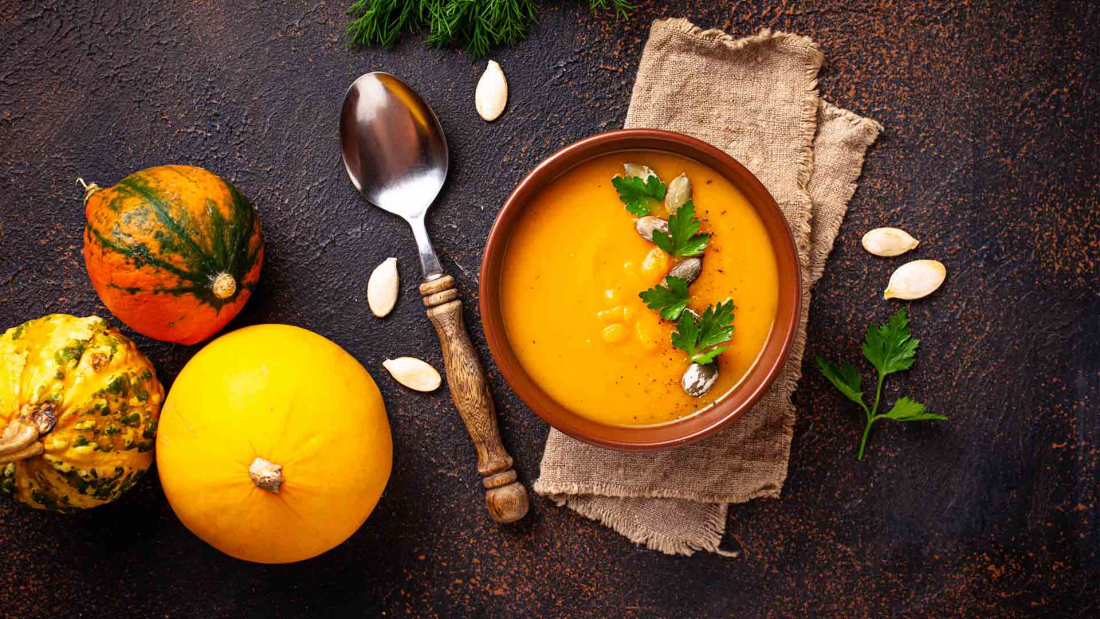
The pumpkin also has a wide range of uses in the kitchen - from purees, sauces, roasted pumpkin, chips, gnocchi to a variety of pies, compotes, muffins, and can even be added to porridge.

What to take away from the article?
Healthy food is by no means boring! Forget salad with salad, chicken with rice 100 times different and still the same, and bland, tasteless meals. Today, we've given you a tip on a range of interesting foods you can include in your diet to ensure your body gets the maximum nutrients from as many sources as possible. Variety in your diet is important not only for a diverse intake of nutrients, but also to make healthy eating fun. In addition, most of the foods mentioned above have very versatile uses, so you can use them to make all sorts of snacks. And if you're lacking inspiration, check out our recipes!
Sources:
Lee, A. R., Ng, D. L., Dave, E., Ciaccio, E. J., & Green, P. H. (2009). The effect of substituting alternative grains in the diet on the nutritional profile of the gluten-free diet. Journal of human nutrition and dietetics : the official journal of the British Dietetic Association, 22(4), 359-363. https://doi.org/10.1111/j.1365-277X.2009.00970.x
Dakhili, S., Abdolalizadeh, L., Hosseini, S. M., Shojaee-Aliabadi, S., & Mirmoghtadaie, L. (2019). Quinoa protein: Composition, structure and functional properties. Food chemistry, 299, 125161. https://doi.org/10.1016/j.foodchem.2019.12516
Kechagia, M., Basoulis, D., Konstantopoulou, S., Dimitriadi, D., Gyftopoulou, K., Skarmoutsou, N., & Fakiri, E. M. (2013). Health benefits of probiotics: a review. ISRN nutrition, 2013, 481651. https://doi.org/10.5402/2013/481651
Backes, J. M., Padley, R. J., & Moriarty, P. M. (2011). Important considerations for treatment with dietary supplement versus prescription niacin products. Postgraduate medicine, 123(2), 70-83. https://doi.org/10.3810/pgm.2011.03.2265
Cho, J., Kang, J. S., Long, P. H., Jing, J., Back, Y., & Chung, K. S. (2003). Antioxidant and memory enhancing effects of purple sweet potato anthocyanin and cordyceps mushroom extract. Archives of pharmacal research, 26(10), 821-825. https://doi.org/10.1007/BF02980027
Ludvik, B., Neuffer, B., & Pacini, G. (2004). Efficacy of Ipomoea batatas (Caiapo) on diabetes control in type 2 diabetic subjects treated with diet. Diabetes care, 27(2), 436-440. https://doi.org/10.2337/diacare.27.2.436
He, J., Klag, M. J., Whelton, P. K., Mo, J. P., Chen, J. Y., Qian, M. C., Mo, P. S., & He, G. Q. (1995). Oat and buckwheat intakes and cardiovascular disease risk factors in an ethnic minority of China. The American journal of clinical nutrition, 61(2), 366-372. https://doi.org/10.1093/ajcn/61.2.366
No posts have been made yet.








