





A great overview of minerals | What do we have enough of and what to supplement with supplements?
 Author:
 Everyone focuses on protein, carbohydrates and fat when creating their diet and most people already understand intuitively that meat is primarily high in protein and bread is high in carbohydrates. However, few people perceive minerals in nutrition, yet they are extremely important. They have no energy value, but we could not function without them. So where do we get them from? What minerals are in our diet and which ones do we need to supplement? That's what we'll look at in our article today.
Article content:
Without minerals we could not exist
Minerals are very neglected compounds and their recommended intake is often very low, which is why we don't pay as much attention to them. Yet, we could not function without them and they affect a whole range of processes in our bodies from oxygen transfer throughout the body, tissue growth and development, and proper metabolism.
Trace elements
Many people think that minerals and trace elements refer to two completely different groups of substances. However, we actually refer to trace elements as those minerals whose required daily intake is less than 50 mg according to expert sources. These include in particular:
Iron
Iron may not be a very attractive trace element, but it is certainly important. It is found in less than 5 grams in the human body, primarily in a compound called haemoglobin. This is the red blood pigment that allows red blood cells to properly distribute oxygen from the lungs further into the body. Once you are low on oxygen, vital organs will become poorly oxygenated, which we refer to as anemia. This condition is accompanied by fatigue, lethargy as well as loss of strength, prolonged muscle pain and fading of the skin.
The European Food Safety Authority (EFSA) says that the recommended intake of iron for 95% of the population is 16 mg per day, but older publications often recommend 20 mg. The main sources of iron are the viscera, which come into frequent contact with blood - so especially the heart, liver or kidneys. Any meat is also a good source and therefore most of the population is not at risk of deficiency. Intake may be problematic for vegans with unbalanced diets, women with heavy menstrual periods or those with frequent bleeding.
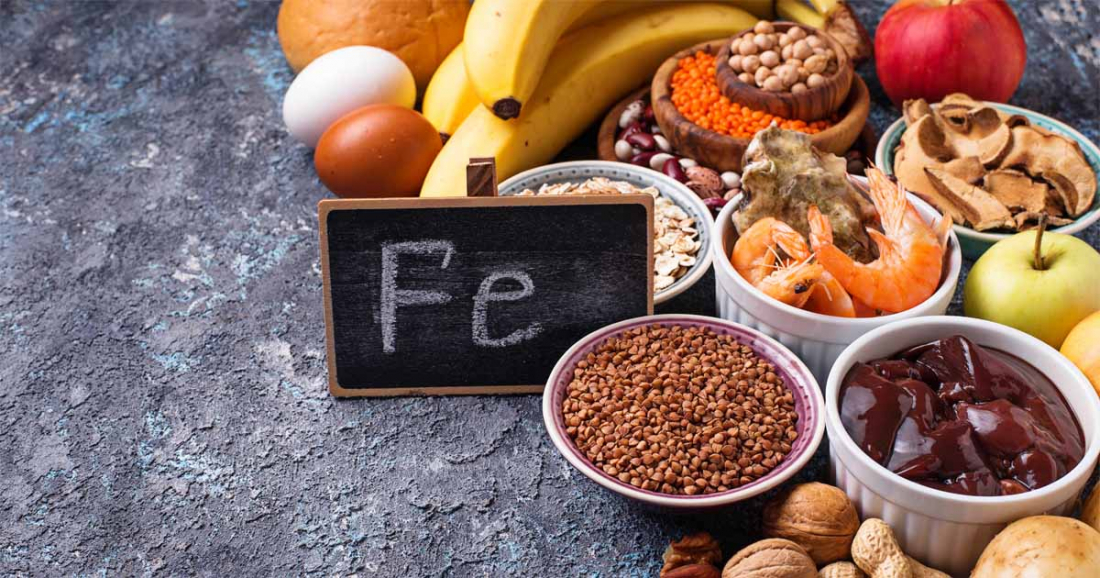
A varied and balanced diet contains sufficient iron and therefore does not need to be supplemented.
Iodine
Iodine is another extremely important trace element whose importance is greatest in children during the period of growth and development. This mineral is essential for the proper production of thyroid hormones, which are responsible for the development of the musculoskeletal system and the brain. Its deficiency in childhood can lead to reduced intelligence. It is also essential for proper energy metabolism and is also related to the functioning of the nervous system.
The recommended daily intake for an adult is 150 μg, but pregnant and lactating women may have increased requirements. Analyses show that good sources of iodine are marine fish, algae (especially Nori, Wakame and Kelp), dairy products, plums and eggs. Since iodized salt is primarily used in the Czech Republic, we regularly draw iodine from it and therefore no further supplementation of this trace element is needed. In any case, you can read a whole separate article about iodine.
Zinc
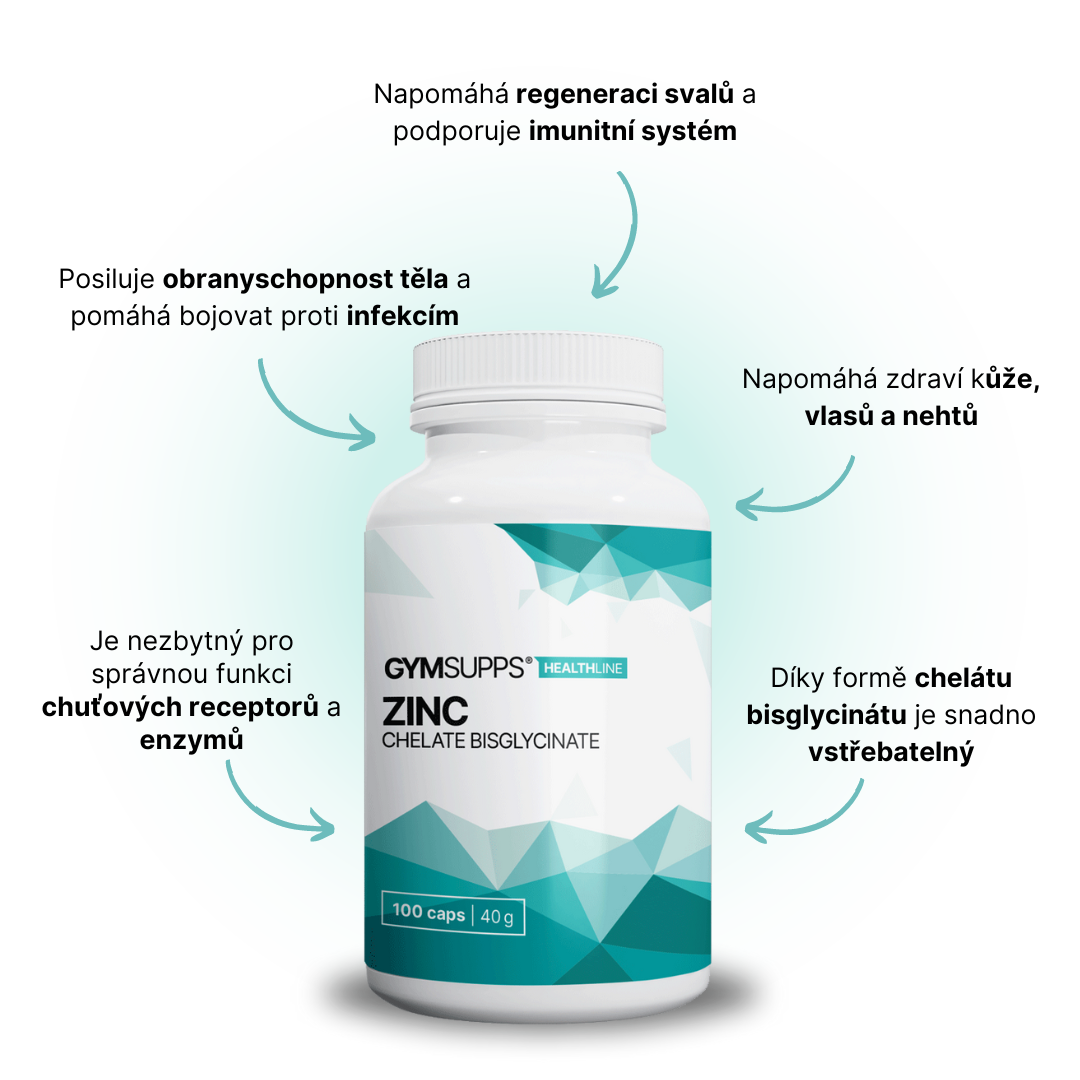
Zinc is a very often mentioned trace element lately and no wonder. Its intake influences the activity of hundreds of enzymes, is necessary for DNA synthesis, supports the immune system, affects protein synthesis and provides hormonal optimization, which is why it can be found in so many vitality support blends. But in addition to that, it also aids in proper wound healing and is even a good helper in the fight against acne.
.png)
The EFSA recommends 9.4 to 16.3 mg of zinc per day for a sixty-eight pound man, but a small excess is generally well tolerated. Zinc from animal sources (meat, cereals, legumes) is better utilized than from plant sources (e.g. root vegetables) because plants contain phytates and fibre that limit absorption. Vegans, people working under stress or active athletes should definitely think about zinc supplementation. If you are interested in this trace element in more detail, be sure to read our separate article.
Recommended
Copper
Copper is very close in function to both zinc and iron and is an element essential for a wide range of reactions including proper carbohydrate metabolism, bone formation and blood formation. Its deficiency is associated with anaemia, impaired memory, concentration and various anxiety disorders. It is also important for the proper functioning of the central nervous system, influences the production of dopamine and is involved in the proper metabolism of estrogen - if a woman is deficient, she may suffer from severe premenstrual syndrome and, in extreme cases, infertility.
The daily dose of copper is about 1 milligram, but even at doses several times higher, no negative effects have been found - the toxic effects of copper are in the hundreds of milligrams. Foods rich in this element include seafood, cocoa, coffee, liver and Brazil nuts. Supplementation with copper alone is not necessary for most people, but if it is part of a good quality multivitamin, you don't have to worry about overdosing. Commonly consumed foods such as cereals, eggs and legumes contain copper, but not in staggering amounts.
Selenium
Another important element of human nutrition is selenium, which is found in a number of enzymes with antioxidant properties. Its sufficient intake is especially important for the proper functioning of the immune system, optimal sperm development, and fighting free radicals in the body. Scientific studies suggest that it fights some cancers and is very important for cardiovascular health. It even seems that selenium deficiency is very common in our country and may be one of the reasons why we have such a high incidence of heart attacks and other heart complications.
Selenium is recommended to be taken in amounts not exceeding 200 micrograms per day, like many other trace elements it is toxic in larger amounts. Selenium can be obtained from fish (flounder, sardines, tuna), sunflower seeds, some mushrooms and eggs. Its supplementation alone is not necessary, but if it is present in small amounts in a multivitamin supplement, it is good.

Fresh fish is a source of a huge amount of vitamins, minerals and trace elements.
Chromium
Chromium is found in two variants - the biologically active form Cr3+ and the proven carcinogen Cr6+.Trivalent chromium is essential for proper carbohydrate metabolism and since it reduces sweet cravings, it is often recommended for weight loss diets. It is also said to have the ability to raise HDL ("good") cholesterol levels. When chromium is present in dietary supplements in the picolinate or chloride variants, it is always trivalent chromium; the carcinogenic variant is not present in supplements.
According to experts, the recommended daily dose of chromium is usually around 25-35 mcg and can be covered by a normal diet. For example, it is commonly found in yeast, dairy products, meat, nuts and wheat germ. Long-term use of higher doses of chromium does not appear to be bad either.
Other trace elements
There are, of course, many trace elements. But for the sake of clarity in today's article, we'll just highlight a few of the essential ones you should know about. The remaining ones are also important, but their intake is usually amply covered by a normal, rational diet, so you don't have to worry about their deficiency.
- Manganese - Supports bone strength, takes care of the proper functioning of the nervous system. Its deficiency is rare, in our diet it is represented for example in wholemeal bread, oatmeal or cocoa.
- Molybdenum - It influences the metabolism of iron and sulphur-containing amino acids, and is also important for the absorption of fluoride and thus healthy teeth. In addition to cereals, it can be found in many herbs (dill, parsley), corn, legumes, potatoes and rice.
- Cobalt - It is important for proper blood formation, affects the production of certain hormones and promotes iron absorption. Leafy vegetables, liver and nuts are sources of cobalt. It is also found in vitamin B12 (cobalamin).
- Fluorine - It is needed for proper bone growth and development, and promotes the formation of tooth enamel. It is naturally found in seafood, tea and nuts.

Fluoride does not need to be supplemented because, among other reasons, it is added to almost every toothpaste available.
Minerals
In addition to trace elements, there are of course the slightly more familiar minerals found in the body. These are characterised by doses in excess of 100 mg per day. These are specifically:
Calcium
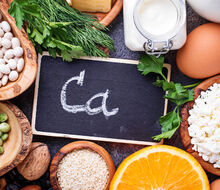
Calcium. But few people know that it is the most abundant mineral in the human body. In addition to being absolutely indispensable for bone and dental health, it helps prevent premenstrual syndrome, can lower blood pressure and improve skin quality.
The recommended daily intake of calcium for an adult is about 1000 mg and can be obtained naturally from dairy products, some leafy vegetables, oatmeal and even mineral waters such as Magnesia or Calcium. Since a great source is also a good quality whey protein, calcium does not need to be taken in supplements by athletes and is not even included in modern multivitamins. If you are interested in the benefits of calcium in more detail, be sure to check out our separate article.
Phosphorus
Phosphorus is largely related to calcium, both of which are important for bone health and mineralisation. But it is also involved in energy metabolism, is a component of dozens of different enzymes and is involved in reactions related to the proper functioning of the immune system or blood thinning. It is the sixth most abundant mineral in the human body.
According to expert sources, the human diet should contain at least 700 mg of phosphorus per day. Fortunately, however, it is found in a wide range of foods and thus does not need to be used in the form of supplements. It can be found in yeast, various seeds, dairy products, eggs and poppy seeds. At the same time, salts containing phosphorus are an ingredient in many drinks (especially cola drinks), although in this case there are doubts about the usefulness of phosphorus.

Did you know that cola drinks, among other things, can be a source of phosphorus?
Magnesium
Magnesium is undoubtedly one of the most well-known minerals of all and its indispensability is often touted. It is involved in hundreds of different processes in the body, is essential for the proper functioning of the nervous system, is related to good sleep and can increase your overall productivity. In addition, it is indispensable as a prevention of cramps, can relieve frequent migraines and prevent the onset of depression.
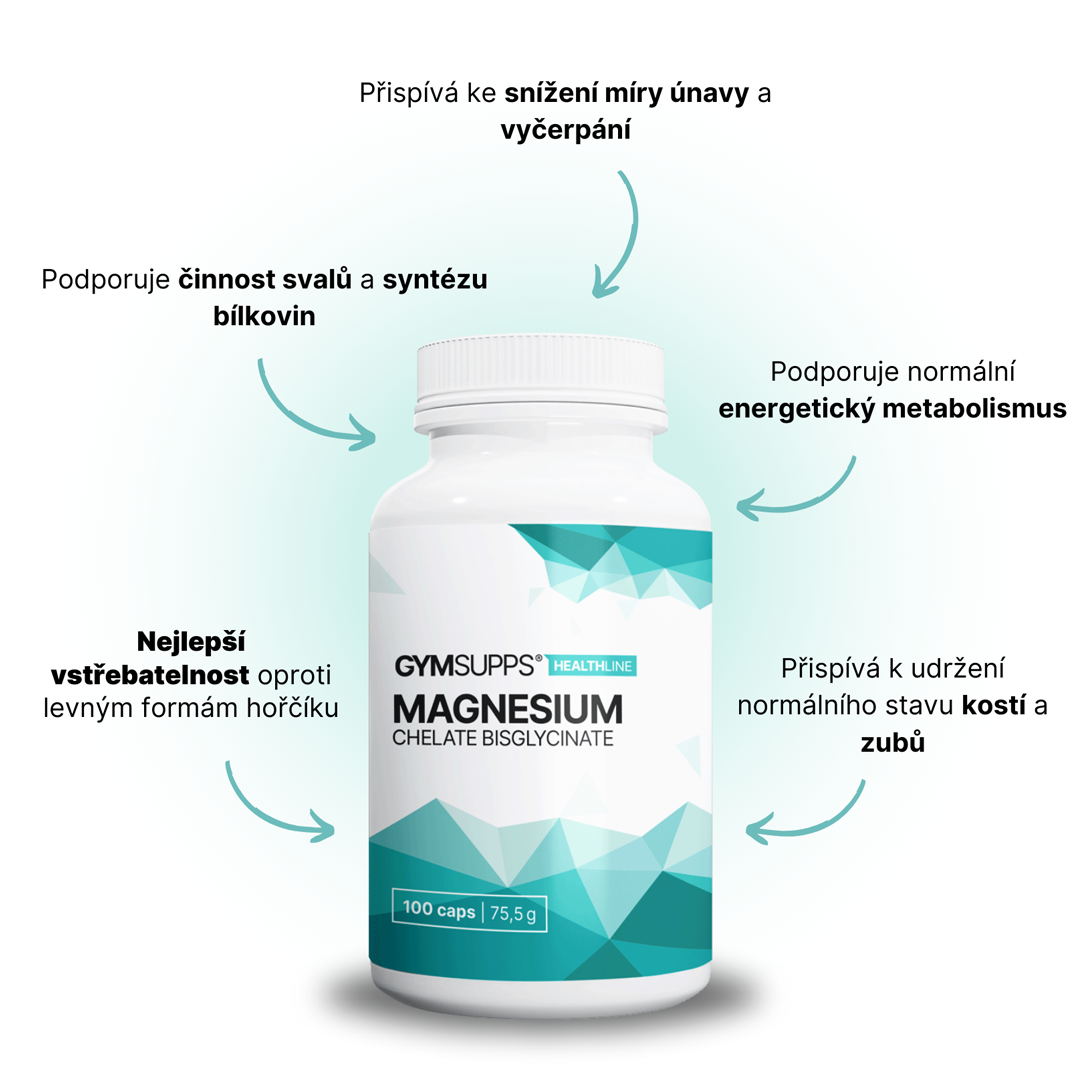
The recommended daily dose of magnesium for most people is 300-400 mg, and hard-training athletes may have increased requirements for their intake. Seniors are equally at risk of deficiency. Supplementation with adequate magnesium is definitely advisable for athletes. In the diet, it is a good idea to focus on eating leafy vegetables (especially spinach), almonds, avocados, pumpkin seeds or dark chocolate. You can read more about magnesium again in our separate article.
Recommended

GymSupps Magnesium Malate

Magnesium Malate 100cps 1+1
Potassium
Potassium is a mineral essential for proper muscle contraction, propagation of nerve impulses and optimization of blood pressure. It is also important for the regeneration and optimal functioning of the heart. Its deficiency is manifested by fatigue, digestive problems, muscle stiffness and mood swings - we have written more about the symptoms of deficiency in a separate article.
The recommended daily dose ranges from 1,500 to 5,000 mg depending on the weight, age and activity of the person. However, there are plenty of sources in the diet, and you can supplement with bananas, avocados, sweet potatoes, potatoes, dairy products, cereals and beans.

Do you have a banana with your protein after a workout? Then you don't have to worry about a potassium deficiency.
Sodium
If calcium is the most abundant mineral in the body, sodium is the most abundant metal. It is especially important for the body's proper handling of water, thus ensuring the stability of our internal environment. In addition, it is involved in the activity of a number of enzymes and both excess and deficiency can have a negative effect on the kidneys. Other manifestations of deficiency are fatigue, low blood pressure and cramps.
For persons who regularly use table salt (NaCl, sodium chloride), no further supplementation is necessary at all. The recommended daily allowance is about 1 gram, and the daily salt intake of most people is so high that it amply covers these requirements.
Chlorine
The second compound contained in common salt is chlorine. This element is important for maintaining acid-base balance, helps oxygenate the lungs and, together with sodium, distributes fluids to the cells. At the same time, chlorine is an important compound in the gastric juices and therefore supports digestion.
The recommended daily allowance is set by most institutions at between 1-3 grams, and a deficiency is not nearly as common as an excess stemming from excessive use of table salt. Excess chlorine leads to high blood pressure and the associated increased risk of stroke and other complications.

When using salt, few people think about the fact that it supplements two vital elements - sodium and chlorine.
Sulfur
The last mineral with a huge use in the human body is sulfur. It is extremely important for optimal growth and strength of hair and nails. Since a proper intake of sulphur also affects collagen synthesis, a sufficient amount of sulphur results in healthy and vital-looking skin. It is recommended for a variety of skin problems including acne.
The recommended daily dose of sulfur is 500 mg to 1 gram and is primarily found in protein-rich foods. Specifically, sulfur is found in the amino acids cysteine and methionine, and their intake will easily cover the recommended amount.
What to take away from today's article?
The main thing you should take away from today's article is that even though minerals contain no calories and may not be as well known, their intake is extremely important. With a balanced diet that is rich in meat, eggs, vegetables and fruits, you can easily cover most of these nutrients. However, if you train intensively, are often stressed or have a physically demanding job, your body may have increased demands on your intake of certain substances. In this case, a good multivitamin supplement is definitely the way to go .
Recommended
No posts have been made yet.








