





8 extremely important micronutrients for optimal performance
 Author:
 It probably won't surprise any of you to hear that the diet we eat affects not only how we look and feel, but also our performance. Optimal nutrient intake is important to ensure that we have enough energy to train, but also, of course, to regenerate stressed muscles. And we're not just talking about basic macronutrients such as carbohydrates, proteins and fats, but also micronutrients, i.e. vitamins and minerals.
Article content:
- Vitamin D
- Vitamin E
- Vitamin E Vitamin B12
- Iron
- Zinc
- Magnesium
- Potassium
- Calcium
- What to take away from the article
Vitamins and minerals are very important for the proper functioning of many bodily processes, including muscle function, nervous system function, metabolism, and can even potentially reduce the risk of injury. All micronutrients are important for human health, but when it comes to exercise, there are (at least) 8 nutrients that we should definitely not neglect. And which ones are we talking about?
Vitamin D
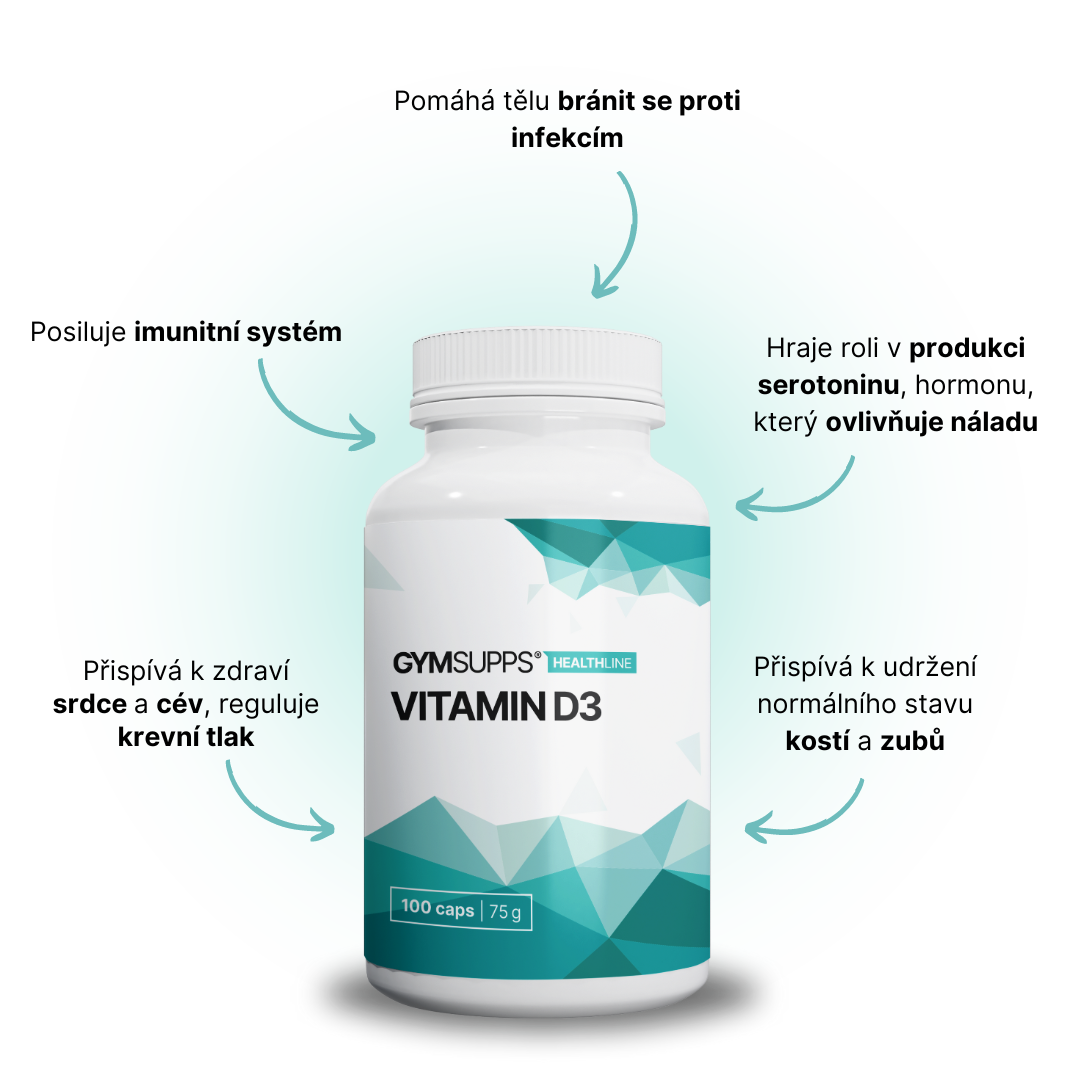
Yes, we can't start anywhere else but with vitamin D. We once devoted a rather extensive article to vitamin D, as this extremely important nutrient is the most commonly deficient in the current population. Vitamin D is a fat-soluble vitamin. It aids in the absorption of calcium and phosphate from the digestive tract. This shows that it is (among other things) important for strong bones, teeth. Vitamin D is also essential for the proper function of our muscles, metabolism and nervous system. Studies suggest that adequate vitamin D intake in athletes can help reduce joint pain, promote muscle growth, increase strength and improve performance. In addition, it can potentially increase the number of type II muscle fibers and also contribute to muscle mass formation.
Where to look for it?
The best source ofvitamin D is sunlight. At least 10 to 15 minutes a day is recommended (around 40 minutes for darker individuals). Cholesterol in the skin converts melanin into usable vitamin D, which is distributed throughout the body. But let's face it... due to the demands and trends of today, we are spending less and less time in the sun, which is why such a high percentage of the population across all ages is vitamin D deficient. If we talk about food sources, then it is only found in animal sources such as meat, eggs, seafood and dairy products. This is simply because plants are unable to absorb and store vitamin D, so for vegans, the best source of vitamin D is direct sunlight or fortified foods like orange juice, plant milks and cereals.
Of course, supplementation is also a suitable and very convenient option - the supplement should contain a form of D3 that is highly bioavailable. Vitamin D is ideally supplemented together with a higher fat food to achieve the best absorption. The generally stated recommended daily allowance of vitamin D for adults is set at 600 UI, but the actual optimal dose should be determined on an individual basis.
Recommended

GymSupps Vitamin D3
Vitamin D3 100cps 1+1
Vitamin E
And smoothly we move on to the next vitamin, which was the main topic of our recent article. Another nutrient that plays a key role in ensuring optimal performance is vitamin E. Vitamin E helps protect our bodies from free radicals, can slow down the aging process, and is important for the proper function of many organs and neurological processes. The benefits of eating enough vitamin E rich foods include the treatment and prevention of heart and blood vessel disease, blood pressure regulation and much more.
Athletes are often very susceptible to respiratory infections, due to something called the "open window theory". The "open window" theory is characterized by a short-term decline in the immune system that occurs shortly after the completion of a strenuous workout. It is the decline of the immune system that then prompts an increase in susceptibility to upper respiratory tract disease. This is where adequate levels of vitamin E and C, as important supports of the immune system, play a role. Vitamin E acts as a natural antioxidant that helps to alleviate the effects of physical stress and can also help improve aerobic fitness.
Where to look for it?
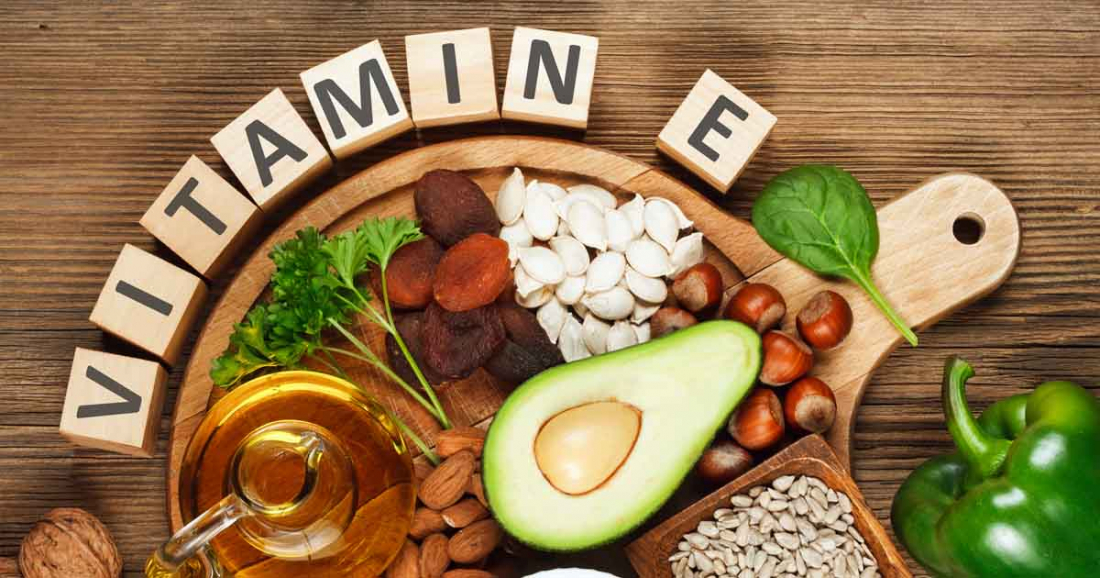
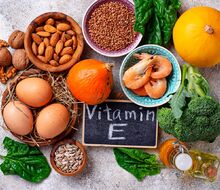
Compared to vitamin D, vitamin E is mainly found in plant foods. Rich sources include nuts, seeds, vegetable oils and it can also be found in some fruits. How much do we need? For most adults, a daily dose of vitamin E of at least around 15 milligrams is generally recommended. The good news is that vitamin E deficiency is relatively rare, so for most of us, eating foods rich in it is sufficient and there is no need for additional supplementation.
Vitamin B12
Vitamin B12 is another important micronutrient that should not be neglected in our diet as athletes. This is essential for the production of red blood cells, which supply oxygen to our muscles, as well as protein synthesis for muscle building and repair. Low levels can lead to anemia, fatigue and other significant negative effects on overall energy levels and performance. It is also important for the proper functioning of the nervous system.
Where to look for it?
Vitamin B12 is mostly only found in animal products, which means that those who shy away from eating animal foods for any reason (e.g. vegans) are often at risk of deficiency. Foods that are rich sources include liver, fish, poultry, eggs and dairy products. From plant sources, greens - chlorella and spirulina- are rich sources. The recommended daily dose of this vitamin is around 2.4 mcg.
Iron
Iron is a trace mineral that plays a great multifaceted role in sports performance. It is a component of hemoglobin, which means it is very essential for the transfer of oxygen from the lungs to all tissues in the body. It is also part of myoglobin, which acts as an oxygen acceptor in the muscles, and is a readily available source of oxygen for the energy-producing mitochondria. Finally - it is a key component of cytochrome enzymes that are involved in ATP production or, more simply, energy production. Iron also has a positive effect on memory and concentration, and is important for proper metabolic function, which is essential for energy production. Adequate levels prevent fatigue, exhaustion and headaches. Last but not least, iron is important for the proper functioning of the immune system.

Iron deficiency is a particular risk for endurance athletes (especially professionals), pregnant women and vegetarians and vegans should also beware. Plant sources do contain iron, but in a non-heme form, which means that it is not as useful to the body as the heme form found in meat and other animal products. In the non-heme form, only about 10-20% of the total iron content is absorbed by the body. However, its absorption can be increased by combining non-heme rich foods. The iron form with foods rich in vitamin C such as citrus fruits, kiwis, sauerkraut, etc. Also avoid excessive drinking of coffee, tea or sodas as the caffeine in these beverages can reduce iron absorption.
So where to look for iron?
A very good source of iron is meat - especially beef and tripe. Research suggests that people who regularly consume meat, poultry and fish are at minimal risk of deficiency of this trace element. Legumes, cereals (especially quinoa), broccoli, tofu, pumpkin seeds, poppy seeds, dark chocolate, dried fruit, nuts and other plant-based foods also contain large amounts of iron, but in a form that is more difficult for our bodies to absorb (see above). And how much iron do we actually need in a day? For men, daily iron intake should be around 8 mg and for women up to 18 mg.
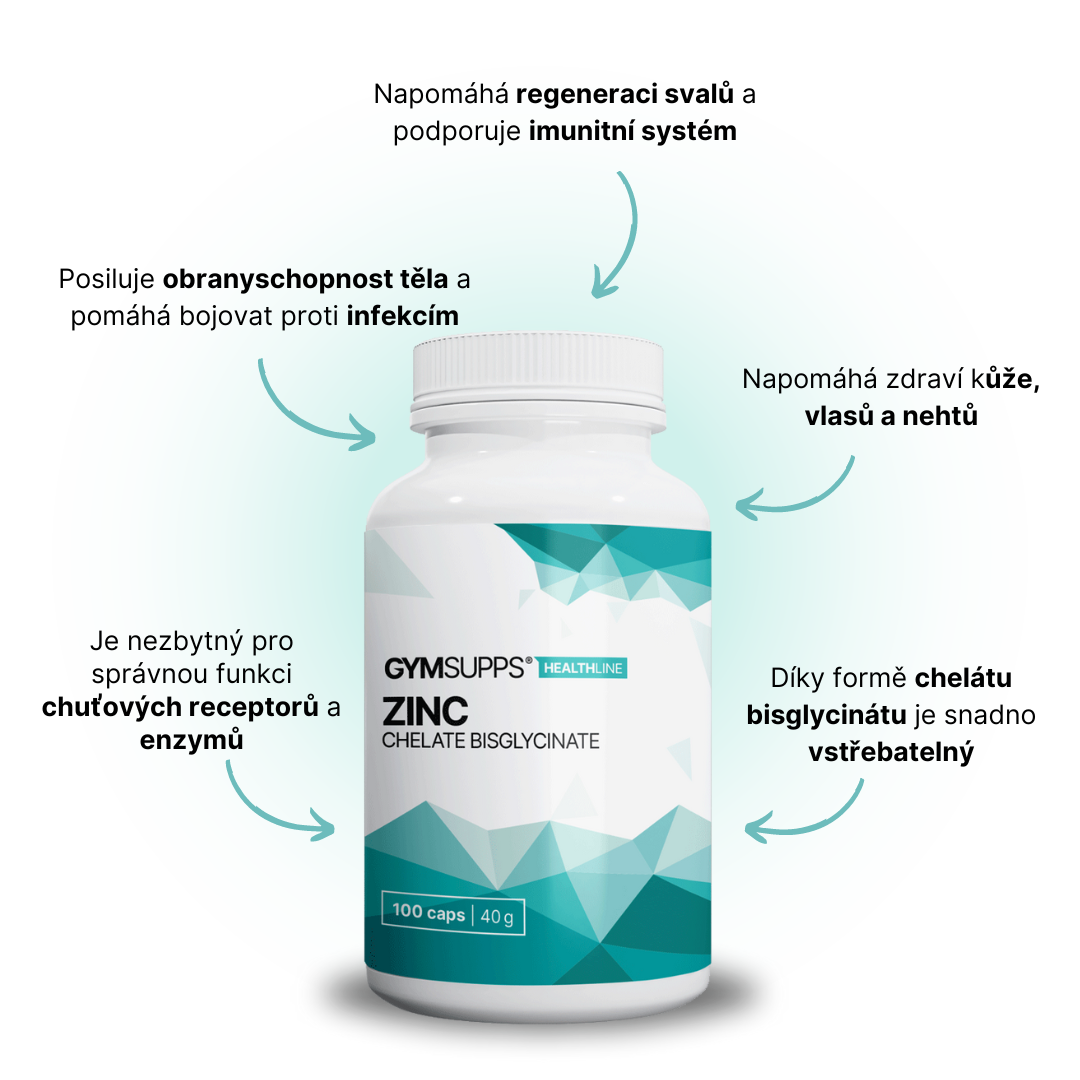
Zinc
If we are talking about trace elements that are important for optimal performance, then we must not forget about zinc. Zinc is crucial for the proper functioning of the immune system, has strong antioxidant effects, is important for hormonal balance and helps in better wound healing. Zinc also affects protein synthesis and is involved in the breakdown of carbohydrates, which the body uses as its main source of energy. Zinc is involved in many gastrointestinal processes, and without it our body is unable to adequately digest food and absorb all nutrients. Therefore, when it is deficient, fatigue can easily occur due to lack of energy.
.png)
Where to find zinc?
The general recommendations for zinc intake are 8 mg for women and 11 mg for men. Oysters are the richest food source of zinc. However, few of us consume these on a regular basis, and other food sources do not contain enough zinc to adequately meet our daily zinc requirements through diet alone, so it is advisable to supplement with additional zinc However, zinc can be found in beef, liver, chickpeas, cashews, pumpkin seeds, cocoa powder, lamb, eggs, chicken and turkey, mushrooms and beans. Zinc from animal sources is slightly more absorbable, as most plant sources contain phytates (phosphorus compounds found in cereals and legumes) that inhibit zinc absorption. This can be influenced by soaking or fermentation.
Recommended
Magnesium
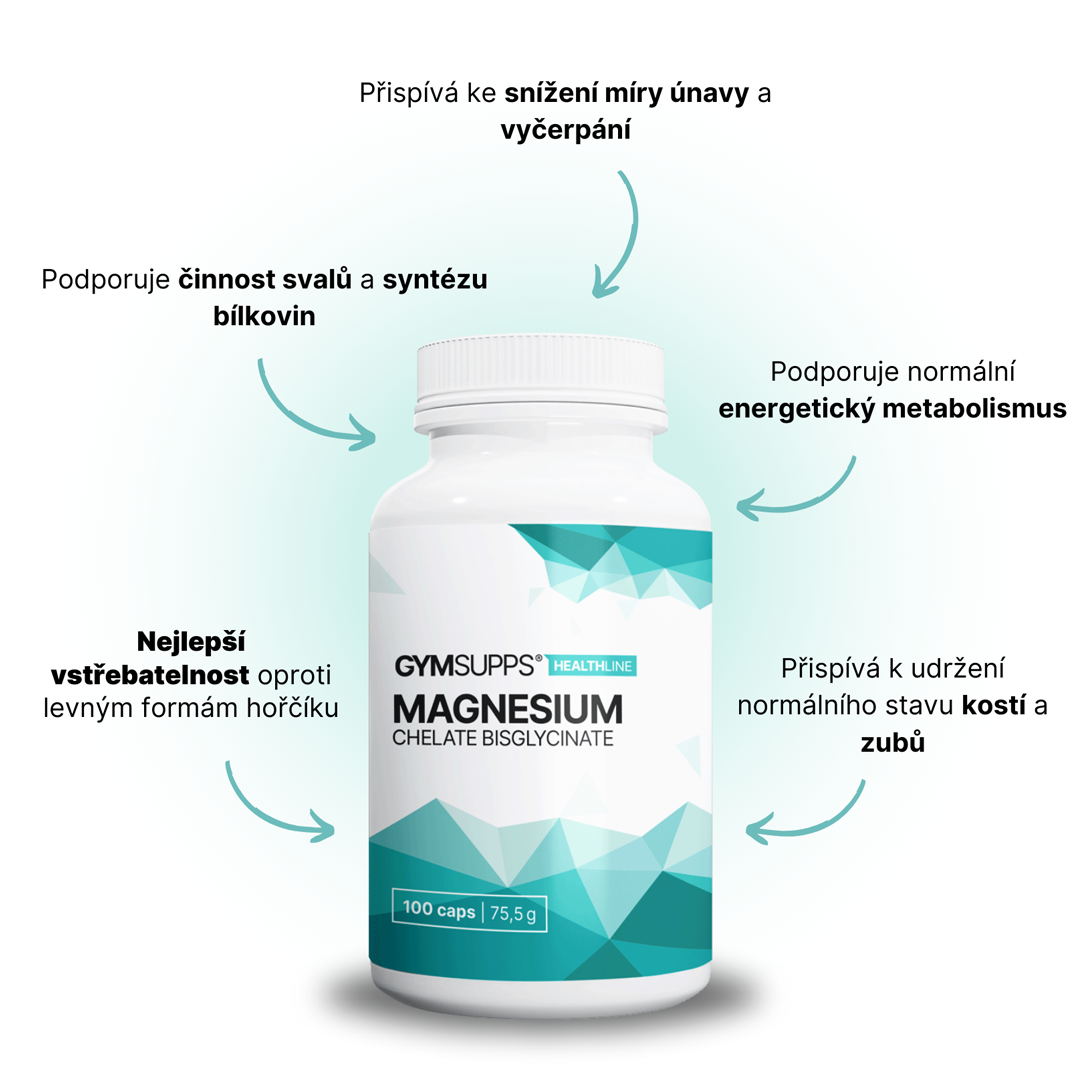
Magnesium is one of the most essential electrolytes in the body and is one of the key minerals when it comes to maintaining optimal health. Magnesium is involved in more than 300 reactions in the body and is required for many important bodily functions, from DNA synthesis, to ensuring muscle contraction, promoting regeneration, regulating blood pressure, and proteosynthesis. Magnesium also influences insulin metabolism, nerve transmission, and last but not least, it also affects the reproductive system and plays an important role in vitamin D metabolism. Magnesium is very important for energy production, and when athletes are deficient in it, exhaustion, fatigue and a decline in performance can easily occur. Because magnesium is lost through sweating, it is a fairly well-known fact that athletes have a higher magnesium requirement than inactive individuals.
Where to look for magnesium?
What are the best food sources of magnesium? Green leafy vegetables such as spinach, as well as almonds, avocados, bananas, pumpkin seeds, dark chocolate, figs, yogurt, or black beans. A good rule of thumb is that if a food contains fiber, it probably also contains magnesium. While it's a good idea to get as much of this mineral as possible from the natural sources we've just listed, magnesium supplements can also be a very useful way to meet your magnesium intake needs. General dosage recommendations are given as 420 mg per day for men and 320 mg per day for women, but needs often increase for athletes.
Potassium
Although very few people realize it, potassium is one of the most important minerals and our bodies cannot function properly without it. In fact, it is crucial for maintaining fluid and electrolyte balance throughout the body - which is why it is often associated with hydration, recovery and preventing muscle cramps. In addition, potassium helps to energize cells during a tough workout, strengthens bones and boosts immunity. We lose potassium when we sweat, so as athletes we need to think about replenishing it regularly. Fortunately, this key mineral is readily available in many plant foods, not just bananas, which are renowned for their content.

Where to look for potassium?
You can find it in the aforementioned bananas, wheat germ, figs, spinach, kale and avocados, to name a few. The recommended daily allowance is 3,400 mg per day for men and 2,600 mg for women.
Calcium
The last mineral that we must necessarily pay attention to in our article is calcium. This is because calcium is essential for every muscle contraction of our body, including the heartbeat. For active individuals, this mineral is essential for ensuring optimal muscle function and, of course, for bone health and strength. Research also suggests that calcium may play a role in recovery processes and aids in fat burning.
Where to look for calcium?
Dairy products are a rich source of calcium - white yoghurt, cottage cheese, kefir milk, cheese, Cottage, mozzarella, but also sardines, tofu or turnips. Very often we can meet our calcium requirements (which is approximately 1,000 mg per day) through diet alone and there is no need to supplement. However, if you are lactose intolerant or do not consume dairy products for other reasons, then taking a supplement is something to consider. The need for calcium also increases with age.
What to take away from the article?
The topic of today's article was micronutrients, the intake of which we as athletes and active individuals should definitely not forget. These include vitamin D, vitamin E, magnesium, potassium or zinc. In addition to being very important for overall health, these minerals also play a role in processes that affect athletic performance, muscle growth and recovery. Each of the trace elements has a slightly different role in the body and all are equally important. Eating a balanced and varied diet with the utmost attention to food quality is the key to ensuring adequate levels. In fact, it is our diet that should be key in ensuring sufficient vitamins and minerals. Any deficiencies can, of course, be made up in the form of a supplement.
Recommended

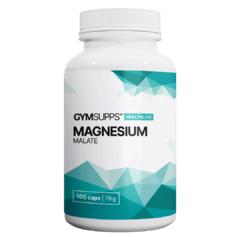
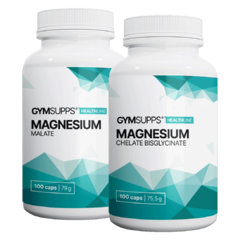
GymSupps Magnesium Malate

Sources:
Shuler, F. D., Wingate, M. K., Moore, G. H., & Giangarra, C. (2012). Sports health benefits of vitamin d. Sports health, 4(6), 496-501. https://doi.org/10.1177/1941738112461621
Takanami, Y., Iwane, H., Kawai, Y., & Shimomitsu, T. (2000). Vitamin E supplementation and endurance exercise: are there benefits?. Sports medicine (Auckland, N.Z.), 29(2), 73-83. https://doi.org/10.2165/00007256-200029020-00001
Woolf, K., & Manore, M. M. (2006). B-vitamins and exercise: does exercise alter requirements? International journal of sport nutrition and exercise metabolism, 16(5), 453-484. https://doi.org/10.1123/ijsnem.16.5.453
Jessup, J. V., Horne, C., Yarandi, H., & Quindry, J. (2003). The effects of endurance exercise and vitamin E on oxidative stress in the elderly. Biological research for nursing, 5(1), 47-55. https://doi.org/10.1177/1099800403005001005
Siegenberg, D., Baynes, R. D., Bothwell, T. H., Macfarlane, B. J., Lamparelli, R. D., Car, N. G., MacPhail, P., Schmidt, U., Tal, A., & Mayet, F. (1991). Ascorbic acid prevents the dose-dependent inhibitory effects of polyphenols and phytates on nonheme-iron absorption. The American journal of clinical nutrition, 53(2), 537-541. https://doi.org/10.1093/ajcn/53.2.537
MacPhail, P., Schmidt, U., Tal, A., & Mayet, F. (1991). Ascorbic acid prevents the dose-dependent inhibitory effects of polyphenols and phytates on nonheme-iron absorption. The American journal of clinical nutrition, 53(2), 537-541. https://doi.org/10.1093/ajcn/53.2.537
Kakanis, M. W., Peake, J., Brenu, E. W., Simmonds, M., Gray, B., Hooper, S. L., & Marshall-Gradisnik, S. M. (2010). The open window of susceptibility to infection after acute exercise in healthy young male elite athletes. Exercise immunology review, 16, 119-137.
Mahan, L. Kathleen, Escott-Stump, Sylvia, Raymond, Janice L. (2012). Krause's Food and the Nutrition Care Process, Edition 13. Elsevier Saunders.
Micheletti, A., Rossi, R., & Rufini, S. (2001). Zinc status in athletes: relationship to diet and exercise. Sports medicine (Auckland, N.Z.), 31(8), 577-582. https://doi.org/10.2165/00007256-200131080-00002
Nielsen, F. H., & Lukaski, H. C. (2006). Update on the relationship between magnesium and exercise. Magnesium research, 19(3), 180-189.
Zemel M. B. (2003). Mechanisms of dairy modulation of adiposity. The Journal of nutrition, 133(1), 252S-256S. https://doi.org/10.1093/jn/133.1.252S
No posts have been made yet.








