





4 tips on the topic: How to prevent fat deposits in quarantine
 Author:
 The situation with the coronavirus has made it a little difficult to find our dream bodies... Are you worried that all your efforts and progress so far will be for naught? Relax, you can be fine! As long as you follow certain rules, you don't have to worry about weight gain and loss of shape at all. We'll tell you what to eat and how much, how to increase your output and what else to focus on.
Calorie deficit
From many previous articles, you will remember the oft-repeated phrase calorie deficit. This phrase rings so often because it is the caloric deficit that is key to whether we maintain weight, reduce it or gain it. Yes, no matter what's going on around us, it's still the total caloric intake that affects our weight. But we shouldn't forget the quality of the foods that make up our caloric intake. So it's not just about quantity, but hand in hand with it, we should also pay attention to the quality of nutrients.
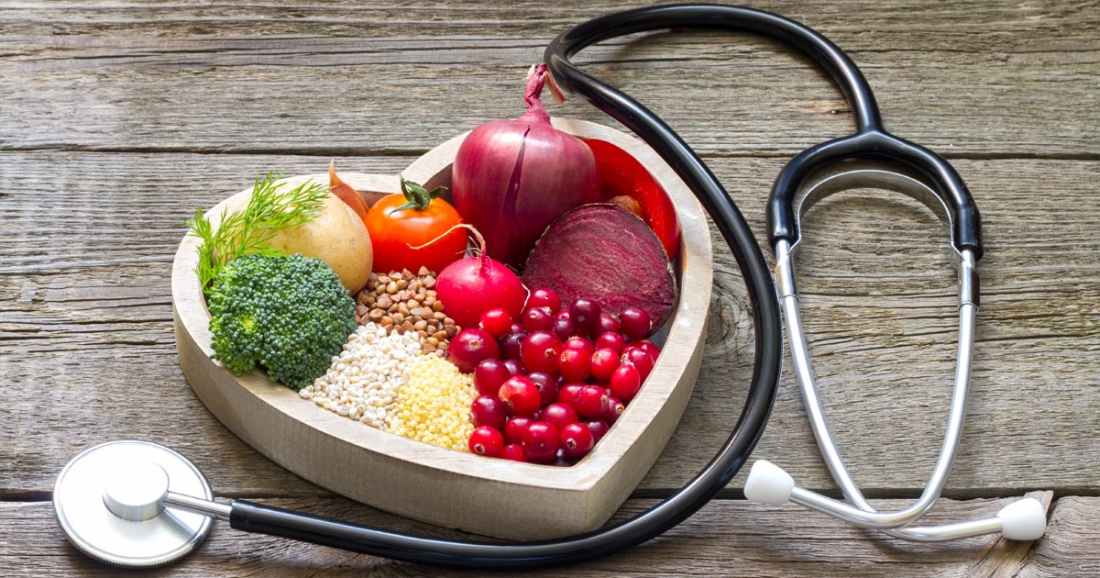
Are you struggling with how to eat? The simple rule still applies that if we want our weight to stay the same, our intake must be the same as our output, or if we want our weight to go down, our intake must be slightly less than our output. It is very important to be able to set your intake correctly, i.e. neither overestimate your output and eat way more calories than you actually need, nor underestimate your intake and eat at the limit of your basal metabolic rate. Certainly don't set too radical a deficit either, as this will weaken your body and make you much more susceptible to disease.
Even if you don't get as much exercise, it doesn't mean you can't eat! Your body needs enough energy to function properly, including optimal immune function, which is much desired right now. With a nonsensical calorie deficit, you may reduce, but you will reduce not only fat but also muscle mass, or conversely you will start to store even the little energy you take in and your fat stores will expand even more. It's not about eating little, but EATING RIGHT. Further, we should avoid all extremes - no restriction of individual macronutrients or food groups. Fat stores are caused when we eat too much, i.e. when caloric intake exceeds output, and it doesn't matter where those calories come from. In other words , you can eat almost anything as long as your intake meets the caloric deficit principle, and conversely, you can gain weight from vegetables if you simply consume too much of them. What we are saying is that the difference between a healthy and unhealthy food or food is always the quantity. But, of course, calories are not like calories, and again, the quality of the food you eat matters, and matters a lot.
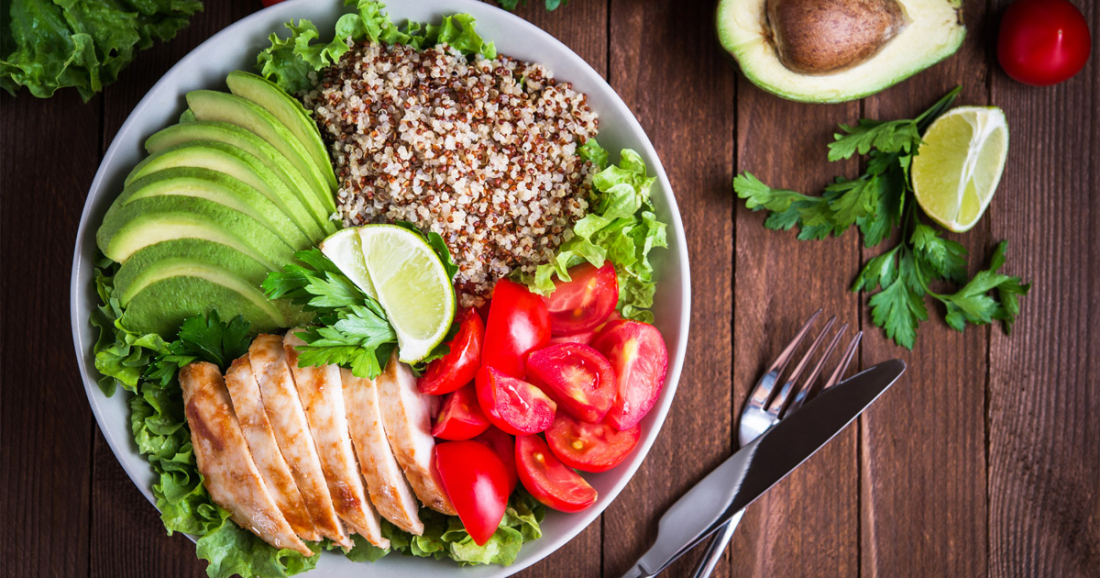
So what should the diet contain? Eat wholesome, minimally processed foods. Your diet should contain plenty of easily digestible protein - combine animal and vegetable protein sources, complex carbohydrates such as rice, cereals, wholemeal breads, potatoes and more, and adequate amounts of healthy fats,such as fattier fish, avocados, nuts and other seeds. So we should now focus more on eating nutritionally rich foods, and include plenty of fruit and vegetables for their vitamin and mineral content. Our diet should be as varied and colourful as possible . It will not hurt to add some supplements, especially a multivitamin, vitamin D, omega 3 fatty acids and probiotics.
If you're worried about your hard-built muscles, it's really important to take in enough calories because the moment you tighten your intake too much, your body will start reaching into your muscle stores and you just really don't want that. Especially if you continue to do even light weight training, don't underestimate your intake, because the rightbalance between training and eating will ensure you don't lose those bulging muscles. Check out this article, where we went into more detail about protecting muscle mass during a deficit. We shouldn't forget to drink enough. Forget about sugary sodas and energy drinks. Drink plain water, unsweetened teas, perhaps with ginger and lemon, which will also boost your immunity, or coffee.
What to avoid? Don't chase boredom with alcohol or huge amounts of chocolate and other sweets. It is very important to distinguish between hunger and cravings. Hunger arises from the body's need for energy and nutrients - it is a physical and completely natural thing. Appetite is more of a mental thing - it's a desire for mostly a certain food, whether your body needs it or not. Furthermore, we should limit overly processed foods in our diet that contain many negative additives. If you're feeling hungry, instead of scarfing down a bar of chocolate or a bag of crisps, try some healthy baking - take inspiration from our healthy recipes.
Stay on the move
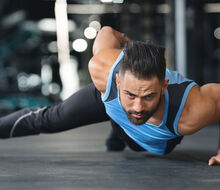
The gyms may be closed and we shouldn't use the outdoor playgrounds either, but that doesn't mean we can't move at all! There's plenty of inspiration for home exercise on our website too. Although home conditions are unlikely to match a fully equipped gym, try to exercise with at least the same regularity as when you go to the gym. Some movement is better than no movement! Ditch the core strengthening, work on your weaknesses and flexibility, or try some home HIIT.
For extra spending, you can do a good workout at home, or do some spring yard work, that 's a pretty decent workout too! You can even use the break from the gym to your advantage and take this unpleasant period as a forced deload. A deload is a technique where you simply reduce the intensity, volume and weights for a period of time (which is now completely unavoidable for most of us). The human body is an amazing machine, but it can't keep going full blast all the time. Deload is effective injury prevention, but it can also lead to ultimate performance gains! So taking a break from heavy weights doesn't have to be a necessary evil.
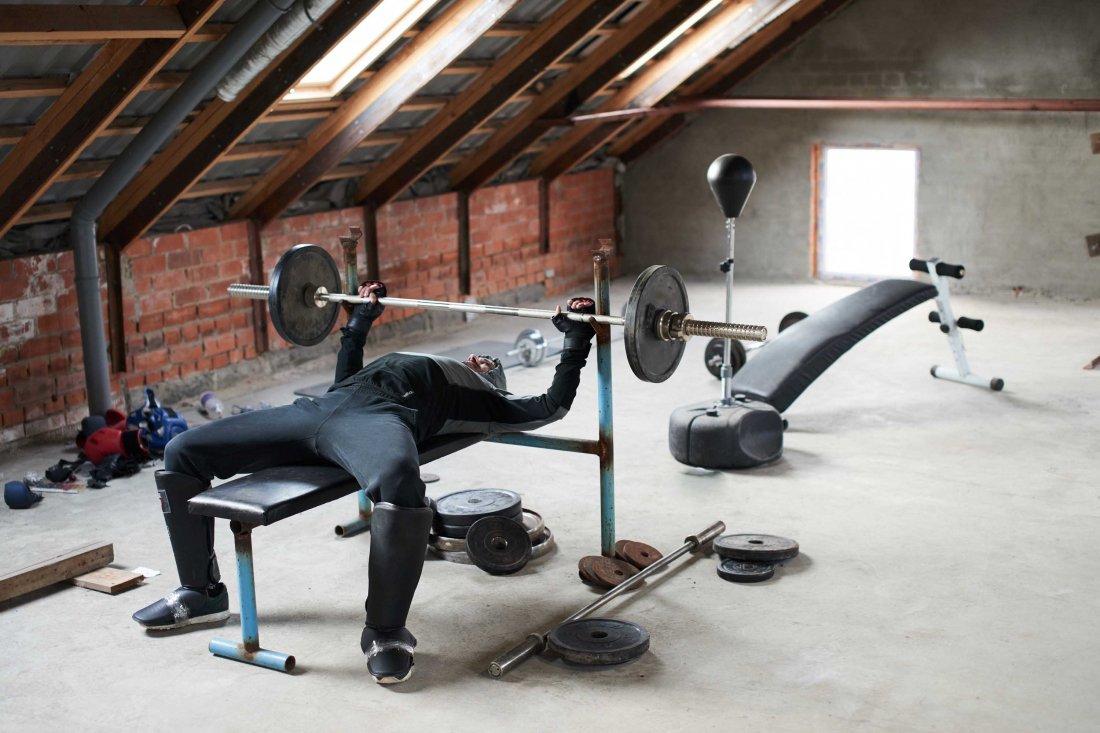
Still, we definitely shouldn't cut out movement altogether and just stay at home lying in front of the TV. Home workouts probably won't be as intense, it's still better than doing nothing at all. A deload shouldn't be completely devoid of activity either, so keep your usual training program, just lower the weights and adapt to the conditions. For example, check out the article below the paragraph and build a functional home workout that your body will appreciate!
Get some sleep
That sleep is a very important factor in boosting immunity, health and weight loss probably comes as no surprise. If you're one of those who regularly sleep less than their body requires, you're putting yourself at a higher risk of a variety of health problems, whether we're talking about those with mental or physical impact. These can include brain fog and fatigue; increased susceptibility to injury or causing accidents; loss of productivity at work; irritability and bad moods; relationship problems; and, on top of that, an increased risk of death due to problems affecting your heart and immune system. As if that weren't enough, lack of sleep has a negative effect on body composition and can block fat reduction efforts.
In addition to the many negative impacts with a weakened immune system in the first place, lack of sleep also has a significant impact on our weight. Due to lack of sleep, we tend to consume more calories and seek out more calorically rich, shall we say "less healthy", foods. In fact, research suggests that sleep deprivation has a negative effect on the hormones leptin and ghrelin. Levels of leptin, which signals satiety, decrease, while ghrelin, which in turn stimulates hunger, increases, so we reach for more calorie-dense foods, which can ultimately have a negative effect on our body composition in the long run. Lack of sleep also affects insulin, which can lead to its accumulation and poor distribution, which can also negatively affect our weight.

Lack of sleep also affects the choice of foods we eat and when we eat them. Quite logically, if you're up late, the body needs more energy to recharge its batteries other than through sleep deficit. In addition, due to hormonal changes, our preferences change and we tend to choose more calorie dense foods and unfortunately in larger quantities. In fact, tired people tend to seek out especially carbohydrate and sugar-rich foods, fatty foods and all the calorie bombs you can think of to give the body enough energy to function, and what's more, usually the craving for such foods comes late in the evening when the body is no longer able to use them for energy production, which over time will negatively affect the accumulation of fat stores.
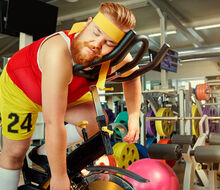
How many hours a day should we sleep? The vast majority of studies suggest that the average adult needs about 6-9 hours of sleep per night. Most respondents in sleep surveys reported that they feel best and have the most energy when they sleep about 7.5 hours per night. However, like most other aspects, sleep need is highly subjective and each of us feels comfortable at different times. But it's not okay to sleep less than 6 hours per day for long periods of time.
Eliminate stress and learn to work with it
The demands of today's times are often unreasonable, so it's no wonder that most of us are excessively stressed. Stress is not good for your health or fat reduction, and in fact it's just the opposite - if you stress too much, you may stall your progress or even gain weight. This is because the body releases more hormones like cortisol during stressful times , and it also affects leptin and ghrelin, which play a significant role in influencing our body weight. In fact, increasedcortisol levels can cause the body to require more calorie intake and also stimulate cravings for more calorie-dense foods, so our efforts to eat healthy and sensibly can actually be quite easily stifled. If we reach for a more calorie-dense food, we may be overwhelmed by regret, which is another stress. Plus, because of the excess stress, we can start to struggle with sleep problems and start to go around in circles.
Recommended
Viridian Synerbio Daily
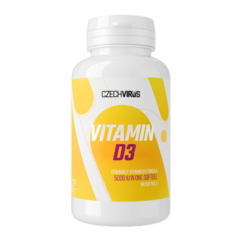
Czech Virus Vitamin D3
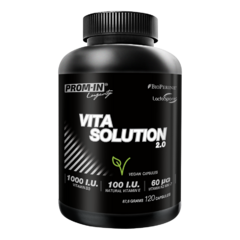
Prom-in Vita Solution 2.0
In the current state of affairs, the stress is much more intense, because all we have to do is open the main internet newsstand or turn on the television and we are treated to negative news about coronavirus, increasing numbers of patients, increasing restrictions and increasing risk of financial downturns and crisis. However, it is important to be able to filter information well, to read only verified sources and to be able to work with stress. Learn to enjoy the little things, engage in activities that fulfill you and find a relaxation technique such as reading, meditation or yoga. If reading the news online makes you too anxious, cut down on internet scrolling and focus on other activities.
What to take away from the article
The current situation is not very conducive to us active individuals, and neither is it for the inactive ones. Have you just had a decent start in your progress and are afraid of losing your results? You probably can't do without minor losses, but as long as you follow a standard regimen adapted to the conditions, you don't have to worry about big drops! Eat food that is real food, make sure you get enough intake, increase your fruit and vegetable intake, don't forget to get enough vitamins, maintain the calorie deficit principle, take the exercise that your current situation allows, get plenty of sleep, learn to work with the stress that is all around us right now and you'll see that it won't be a tragedy after all!
Sources:
https://www.ncbi.nlm.nih.gov/pmc/articles/PMC4126298/
https://www.ncbi.nlm.nih.gov/pubmed/12580677
https://www.ncbi.nlm.nih.gov/pubmed/15466943
https://www.ncbi.nlm.nih.gov/pubmed/28765272
https://jissn.biomedcentral.com/articles/10.1186/1550-2783-10-5?optIn=false
https://www.nature.com/articles/1600578
https://journals.humankinetics.com/view/journals/ijsnem/25/2/article-p163.xml
No posts have been made yet.








