





13 tips on how to keep food costs down but eat well
 Author:
 Eating healthy can be quite a challenge, especially when you're on a budget. At first glance, eating healthy can seem like a very financially challenging affair. Fortunately, that's not entirely true. Just follow a few simple rules, know a few tricks and even healthy eating can be budget friendly for everyone! You don't have to burden your body with overly processed foods just because you're worried that eating healthy will be too expensive. Rather, invest your finances in the highest quality foods that provide your body with the highest possible amount of nutrients to support your health. Plus, healthy really doesn't always equal expensive. Let's take a look together at 13 tips that can help you eat healthy even on a budget.
Create at least a rough idea of your weekly diet
A good plan is the key to meeting any goal. Before we start writing our shopping list, we should create at least a rough concept of what our diet will look like in the following days. Plan what meals you want to cook and what you will snack on - bet on simple, varied, tasty, healthy and quick meals made from basic ingredients. Of course, you don't have to be absolutely specific and have a strictly planned menu for the whole week ahead. Just make some rough estimates of what ingredients you might need. Meal planning is a very convenient strategy for those who are trying to lose weight!

Write a shopping list
Based on the concept from point one, we can finally create a meaningful shopping list that will make shopping easier and substantially faster. Now that we have at least a rough idea of what you'll be cooking the next few days, we can use that as a basis for writing down the ingredients we need to buy. Also go through your pantry and kitchen food storage to keep track of how much you actually have at home already and not build up unnecessarily large stocks.
Having a shopping list will save you a lot of time while shopping, prevent you from mindlessly throwing things in your cart that you may not even need, and also prevent you from forgetting something important and having to go to the store again (and trust that you won't go there just for one thing :)) However, avoid buying unnecessarily large amounts of food that you won't be able to eat and will have to throw away - this is especially true for less perishable foods like fruits, vegetables, etc.
Look through the leaflets of the shops you plan to visit
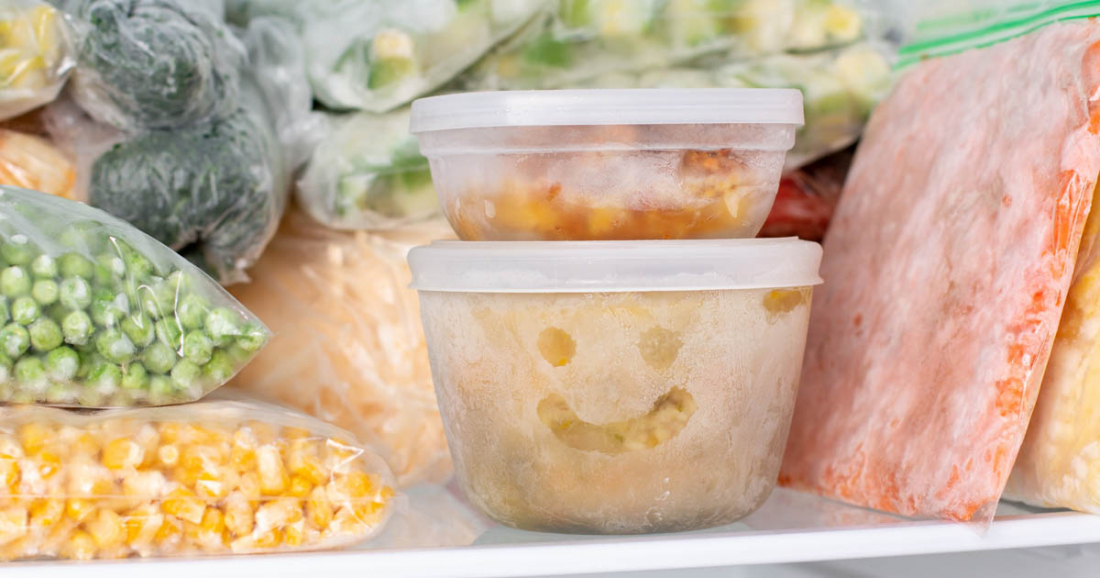
No, leafing through leaflets doesn't have to be just for pensioners. If you look at the flyer before you go to the store, you may find that a good portion of the food you plan to buy is on sale at a different store than the one you originally planned to visit, and changing your plan will save you extra pennies. It pays to keep an eye out for sales on meat, fish, eggs and other products. If you can get some usually expensive ingredients at a really good price, you can easily stock up and save what you don't use right away for a "rainy day" in the freezer. Freezing food doesn't lose any nutrients, so you don't have to worry.
Don't go shopping hungry
Seriously. If you want to stick to a plan and not buy crap, don't go to the store completely hungry. Because you'll buy a lot of stuff and spend a lot more money than you would if you went to the store full. It's very hard to concentrate on buying what you need when your stomach is growling and you'd rather eat a good half of the stuff you pass by with the packaging. Studies also say that when we shop hungry, we tend to buy more nutritionally inferior foods and sweets, which is not exactly a good tactic when cutting back.
Recommended

Nebbia Cyklistické šortky s vysokým pasem ICONIC 238

Nebbia Dámský crop top s dlouhým rukávem INTENSE Perform 839
Näno Supps Epic Juice
Czech Virus Algastin Natural Astaxanthin
Don't go to the store every day
Unless absolutely necessary, don't go shopping every day. Because it's easy to end up spending a smaller amount of money each day, but when you add it up at the end of the week, you end up with a really big sum. For long-lasting foods (pasta, rice, cereals, pulses, etc.), buy larger, more convenient packages, and for shorter shelf-life foods such as vegetables, baked goods and dairy products, plan to go to the store no more than once a day, or even twice a week, as you feel comfortable and as time permits. It really isn't necessary to go to the store every day.
Choose local food
While it's nice to occasionally reach for something that isn't commonly grown here, local produce should still be prevalent in your diet. Not only are they cheaper, but in most cases they're tastier too, as they don't have to travel God knows how far to get here by plane or boat. In addition, by buying local food you support Czech farmers and small businesses that supply the produce to the shops. If you have the opportunity, be sure to go to farmers' markets where you can buy even more really good quality Czech products, meet some farmers in person and find out more about the origin, production or growing techniques and taste something really great.
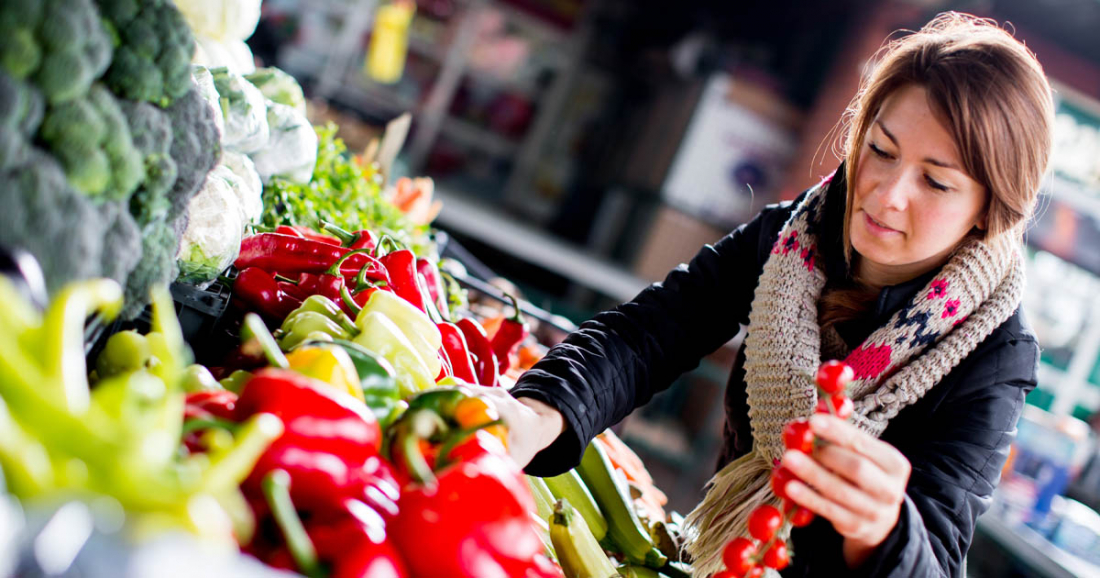
And believe me, even seemingly ordinary ingredients can be used to create absolutely perfect and nutritionally rich food! You don't need expensive ingredients to make delicious meals, you just need a little imagination, creative combinations and even classic foods can be used to create a meal that you will enjoy while providing your body with plenty of quality nutrients. The quality of food is not just based on its price.

Buy seasonal produce
Every season offers its own produce, and not only is seasonal food cheaper, but it's also often much tastier because it doesn't have to ripen in shipping containers along the way. In spring, reach for kohlrabi, radishes, asparagus, spinach, bear garlic or even lettuce. Summer favours zucchini, cucumbers, tomatoes, peas, berries such as strawberries, raspberries and blueberries. Autumn is the season for pumpkins, kale, leeks, patisons, plums, apples, pears, potatoes and much more. Over the winter you can get fresh Brussels sprouts, leeks or root vegetables. Take advantage of the fact that these foods are usually inexpensive in their season and also have the highest nutrient content. If you grow your own produce or have the option of home-grown seasonal produce, take the opportunity to freeze your surplus for stockpiling, you may appreciate it over the winter!
Don't be afraid to visit the frozen food section
There's still a sort of conventional wisdom that what's not fresh is not healthy. But that's not the case at all. You can find vegetables, fruit or other products in freezers that are free of any harmful additives and are a perfectly suitable alternative to fresh food. They often have the same, sometimes even more, nutrients than their fresh counterparts. Ideally, however, choose foods where only fruit, vegetables or meat are included. Avoid semi-processed foods altogether. Be sure to read the ingredients for mixes, as they sometimes contain added fat, flavourings and large amounts of salt. Choose those where the ingredients only give directions for different vegetables and season them at home to suit your taste.
Reach for a private label shop
Do you think private label foods from different stores are inferior because they cost less than products from big food companies and don't have promotions on TV? That's really not true. A private label product is of the same quality, sometimes even better quality than a would-be flashy version with many times the price. But how do we know if a product is of good quality? Simple - look at the ingredients. You can also compare the nutritional values and you will probably find that the differences are minimal. There is overwhelmingly only one major difference - and that is in price. Just because a brand's product has super marketing doesn't mean it's any better than private label foods. You really don't have to feel bad if you buy your favorite store's private label cottage, milk or yogurt.

Experience the magic of online shopping
If you know that shopping in brick-and-mortar stores is a problem for you because you always spend a lot of money, you can't control yourself, and you buy sweets and things you don't need in bulk, try buying your groceries online and have them delivered to your home. Aside from having easier control over what you put in your cart, you'll also save a lot of time because you don't have to physically drive to the store, search the shelves for all the items on your shopping list, and last but not least, stand in line at the checkout. You just shop from your living room and that's all you have to worry about!
Look for cheaper sources of protein
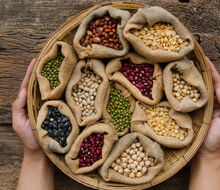
It's true that if you're a meat eater, your shopping can get pretty expensive. Quality meat isn't exactly the cheapest thing to buy, after all. And when you need to eat beef steak for lunch every day, saving money is hard. Take advantage of price promotions, rotate meats and fish, and try experimenting with a plant-based protein source like tofu or tempeh every now and then, or go for eggs instead of meat. You can also get a good quality whey protein, which offers a decent amount of protein in each serving and can usually be found for a reasonable penny. In addition to drinking it after your workout, you can also use it to flavor your meals or add an extra dose of protein to your desserts. An overlooked rich source of protein that is also inexpensive is legumes.
Cook and prepare your own food at home
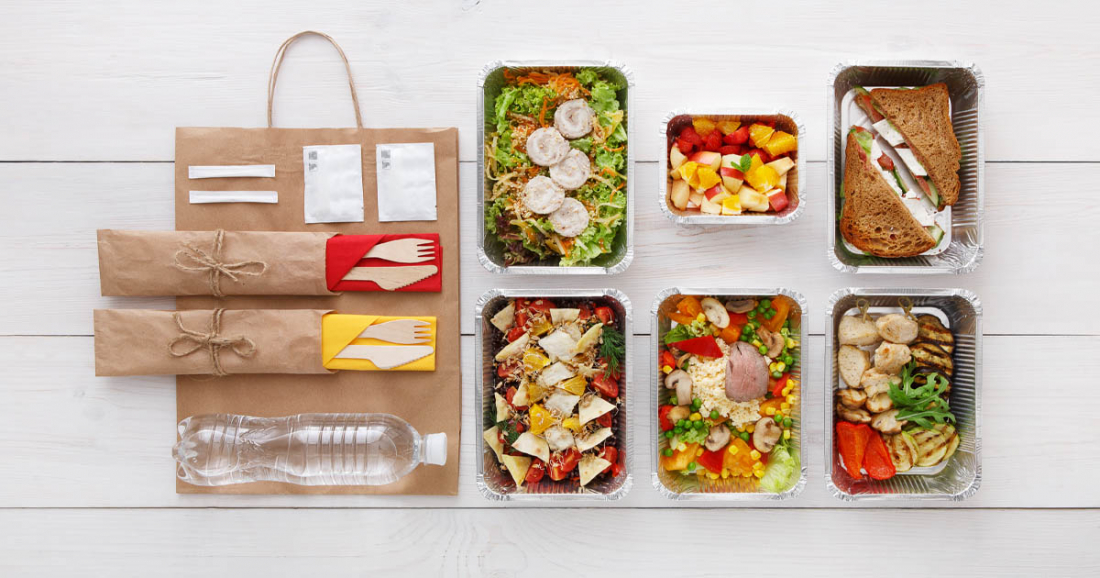
If your goal is to save money, try to prepare most of your meals at home. Cook your own lunches and bring boxes to work. Sure, there's nothing wrong with going out to eat at a restaurant every now and then or ordering an imported meal, but when you're trying to save money, preparing food at home is the best solution. In fact, regular restaurant or imported lunches can get really expensive. At home, you can prepare a delicious and healthy meal at a fraction of the price, plus you are 100% in control of what you put into your body, which can be beneficial when fat reduction is your goal.
What is possible, make your own at home
Well, I'm not going to say you should get a cow for your apartment block, milk fresh milk every day and churn butter at the weekend, I don't think the environmentalists would commend you for that. :))) But I'm sure you see what I'm saying - if you're a breakfast muesli lover, buy cereal, coconut, dried fruit, nuts and make homemade ones with much better ingredients, in larger quantities and at a fraction of the price. Also, you don't have to buy expensive instant porridge, which often also has a significant amount of added sugar in the ingredients, but just buy plain cereal, protein and make porridge in minutes at home. The same applies to many other foods that can be prepared easily, quickly and at the same time save a lot of money.
What to take away from the article?
Many people think that eating healthy is expensive. But even on a budget, it is possible to eat healthy, tasty and nutritious meals. You just need to follow a few simple rules, plan well, choose local and seasonal produce and shop wisely. We've also let you in on the secret that you don't have to worry about buying private label store foods, because they are no worse than the much more expensive branded foods. And one important takeaway in conclusion - investing in your health in the form of maximum quality food is one of the best investments you can make. So don't beat yourself up if you occasionally buy something more expensive that you know is really good quality and will give your body energy in the best possible form. After all, your own health has a value that can't be quantified in monetary terms.
Sources:
Dubowitz, T., Cohen, D. A., Huang, C. Y., Beckman, R. A., & Collins, R. L. (2015). Using a Grocery List Is Associated With a Healthier Diet and Lower BMI Among Very High-Risk Adults. Journal of nutrition education and behavior, 47(3), 259-264. https://doi.org/10.1016/j.jneb.2015.01.005
No posts have been made yet.








