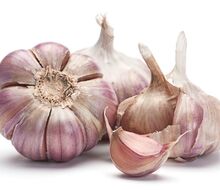
Milk thistle - a miracle for optimizing liver health or an overrated uselessness?
 Author:
 Milk thistle has come to be known as an almost miraculous herb that can help maintain a healthy liver and improve the overall vitality of our body. But is this really the case? And what do scientific studies have to say about milk thistle? That's what we'll look at in this article, where we'll look at the benefits proven by clinical research and also advise you on the best form to take milk thistle in.
What is milk thistle?
Although many people today know milk thistle primarily in tablet form, it is a relatively tall thistle with a distinctive purple flower. It grows commonly throughout the country, especially in dry sunny places along dirt roads or on the edges of fields or gardens. The head of this thistle must be allowed to ripen completely, after which the seeds are removed, stripped of their fluff and processed. The whole seeds are not used much in practice because of their very limited absorption, so you may encounter either a fine powder of ground seeds or an extract containing the well-known silymarin directly. Although this name evokes the impression that it is only a single substance, in fact, as the literature points out, silymarin is the name given to 3 different isomers - silybin, silydianin and silychristin.
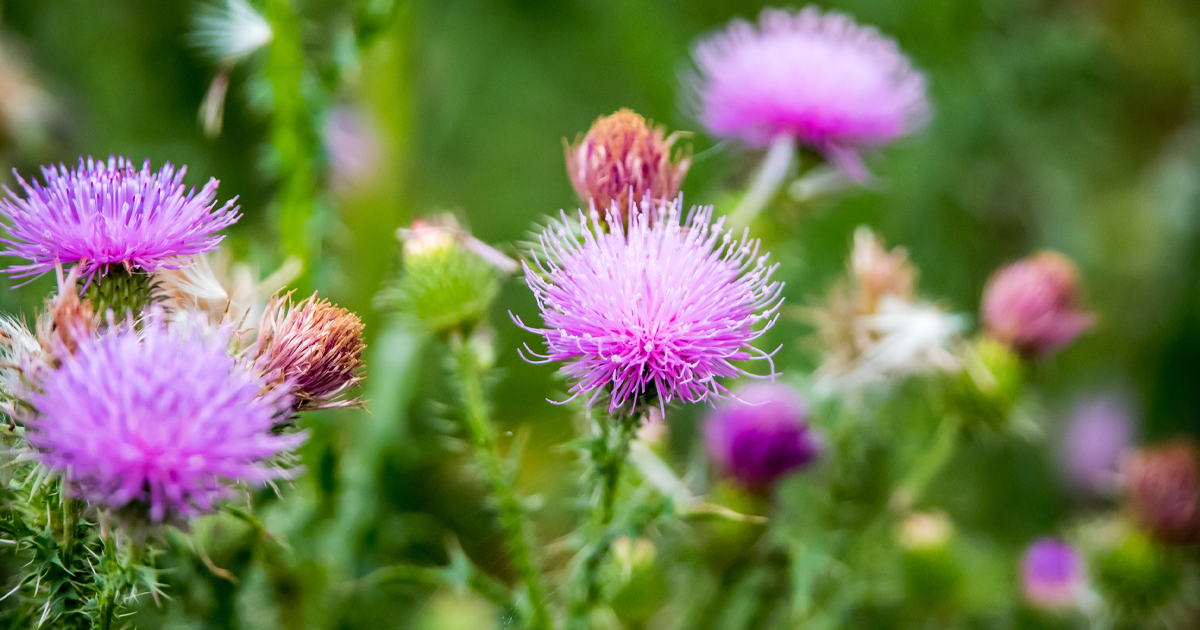
Milk thistle can be commonly found on the edges of gardens or field paths throughout the Czech Republic.
What are the scientifically confirmed benefits - thistle effects?
Although milk thistle is one of the widely used natural supplements, in reality the results of scientific studies are largely different and therefore it is definitely not good to have any exaggerated expectations from this herb. But let's take a look at how milk thistle performs in the case of the often-discussed effects.
Does it help protect the liver?
Thistle is probably most often recommended as a supplement with a beneficial effect on the liver, and it should be noted that it is indeed used in the treatment of a number of liver diseases such as non-alcoholic fatty liver disease or acute or chronic viral hepatitis, as scientific research shows. Perhaps not surprisingly, a number of studies conducted also conclude that in people with liver disease, supplementation with milk thistle can help reduce liver inflammation and liver damage.

Does it help keep cholesterol low?
Unfortunately, the latter benefit is not without its question marks because, like the liver protection mentioned above, the effect of milk thistle on cholesterol is still a matter of debate. One study conducted on mice fed a high-cholesterol diet showed that mice that also received silybin showed significantly lower total cholesterol and triglyceride levels. Similarly, earlier research has shown a possible link between milk thistle and cholesterol - only it was done on patients with diabetes. Research on completely healthy individuals is sadly lacking.
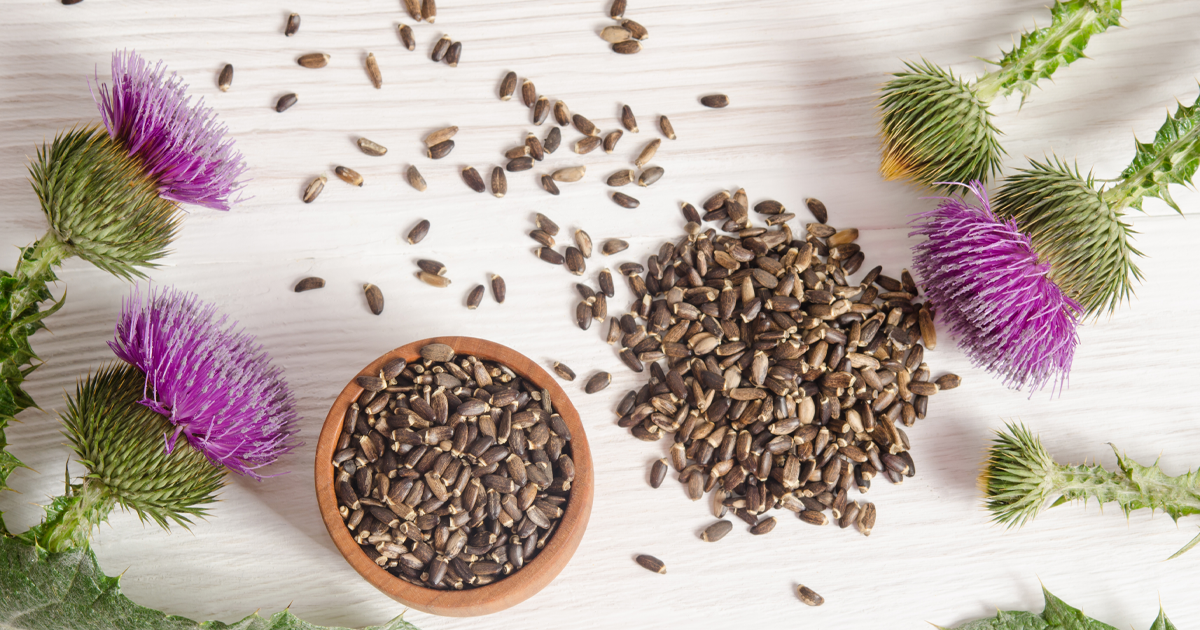
Although manufacturers talk about a number of potential positives, scientific studies do not produce such clear results.
Can it be good for the bones?
Similarly, the effect of milk thistle on the musculoskeletal system has been tested in recent years with rather promising conclusions. For example, a study in mice has shown that milk thistle can stimulate bone mineralisation and thus potentially prevent bone loss, which is a risk for post-menopausal women, for example. However, as with the previous benefits, there are no relevant findings from research carried out in humans.
Can it be beneficial for the brain?
There is even evidence that silymarin is one of the supplements traditionally used for neurological diseases such as Parkinson's or Alzheimer's. There are also studies showing that milk thistle can eliminate the appearance of amyloid plaques in the brains of animals with Alzheimer's disease - but a significant limitation is that, apart from the lack of human studies, it is not even clear how much of the active ingredient can actually get through the blood-brain barrier.
What about the other effects mentioned?
In addition, there are also studies that talk about how silymarin can eliminate the side effects of cancer treatment in animals, some research also talks about improved insulin sensitivity, and there are even studies that link milk thistle to the immune system. Yet the amount of research available is not sufficient for these effects to be considered confirmed and certain.
Is it safe? Who should beware?
Although de facto scientific studies do not confirm anything with certainty, in many ways the use of milk thistle looks promising. Except for the exceptional cases listed below, oral supplementation with milk thistle is safe, and even with long-term use of high doses, and according to studies, only 1% of people experience side effects, which include general intestinal discomfort such as bloating, diarrhea or nausea. However, the following groups of people should take care and we strongly recommend consulting a doctor:
- pregnant and breastfeeding women
- people allergic to milk thistle or other plants in the starflower/combionflower family
- people with diabetes or other chronic diseases
Some sources also cite a potential link between the use of milk thistle and affecting estrogen levels, so people who are sensitive to hormonal changes (e.g. breast cancer) should be especially cautious.
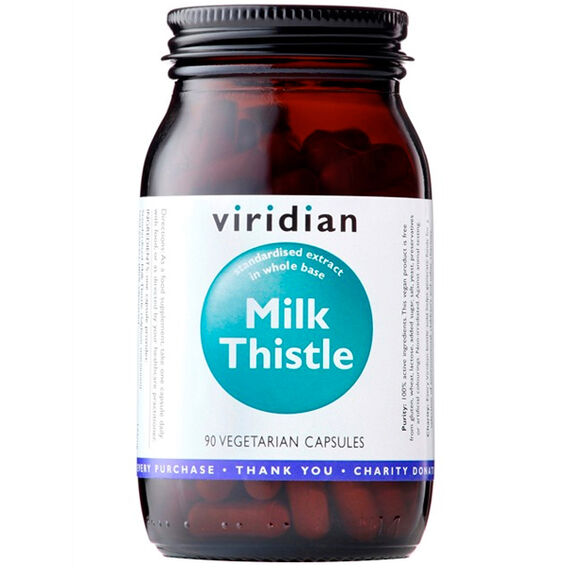
Milk thistle can be taken in capsule or oil form. However, it is always a good idea to follow the dosage recommended by the manufacturer.
How to take milk thistle?
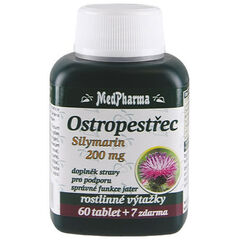
In the case of milk thistle, there is no clearly defined optimal daily dose and we therefore always recommend that you follow the information recommended by the manufacturer of the supplement you decide to buy. According to scientific studies, even doses of 700 mg for 24 weeks are well tolerated, which is not even approached by common supplements such as MedPharma Milk Thistle. If you are not a fan of tablet supplements, you can either buy whole crushed seeds and prepare a tea from them, or you can reach for milk thistle oil, which is produced by companies such as Wolfberry. This can be used in various salads or anywhere else, ideally in a cold kitchen.
What to take away from today's article?
Although you probably can't go wrong with milk thistle extract, we definitely don't recommend expecting miracles from it. So far, scientific studies have not yet clearly confirmed a positive effect on the liver or any other part of our body. On the other hand, it is very well tolerated by the body, unless you fall into one of the above categories. If you decide to try it, we recommend that you follow the dosage indicated by the manufacturer on the label of the supplement.
Recommended
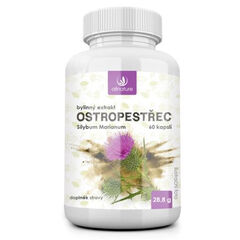
Allnature Ostropestřec
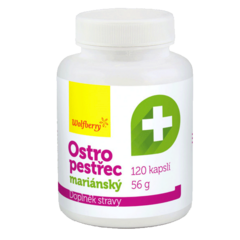
Wolfberry Ostropestřec mariánský
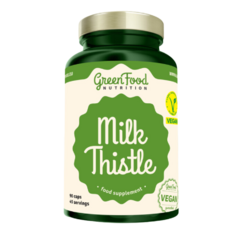
GreenFood Ostropestřec mariánský
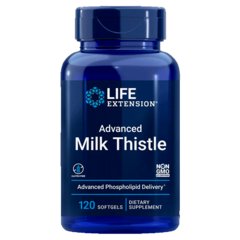
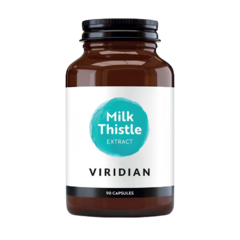
Viridian Milk Thistle
No posts have been made yet.