





Cortisol levels reflect the quality of our lifestyle!
 Author:
 Cortisol, along with testosterone and estrogen, is perhaps the most frequently cited hormones produced by the human body. But while most athletes have at least some knowledge of male and female sex hormones, not much is really known about cortisol across the board. Perhaps only that it has a negative effect on our muscles and can prevent us from getting the results we want. But what is the whole truth? Why do we have cortisol in our bodies and how do we keep its levels normal? That's what we're going to cover in today's article.
Article content:
- What is cortisol?
- What does cortisol do?
- What causes an excess or deficiency of this hormone?
- What to do to keep cortisol within the normal range?
What is cortisol?
As you have probably already understood, cortisol is a hormone - and a very important one.It is produced by the adrenal cortex, from where it then enters the bloodstream and performs a variety of different functions. It is extremely important in the metabolism of all essential nutrients - it plays an important role in the synthesis of glucose, induces the breakdown of proteins and, interestingly, its effect on fat storage in the body. While in some parts of the body it may promote fat breakdown, in others it stimulates fat storage. Excessive cortisol production can therefore lead to the so-called Cushing's syndrome, which causes the so-called moon face. In addition to the connection with metabolism as such, it is important to point out that cortisol can alleviate the symptoms of inflammatory reactions in our body, affects calcium absorption and sodium retention in the body, and to some extent is also related to emotional stability.
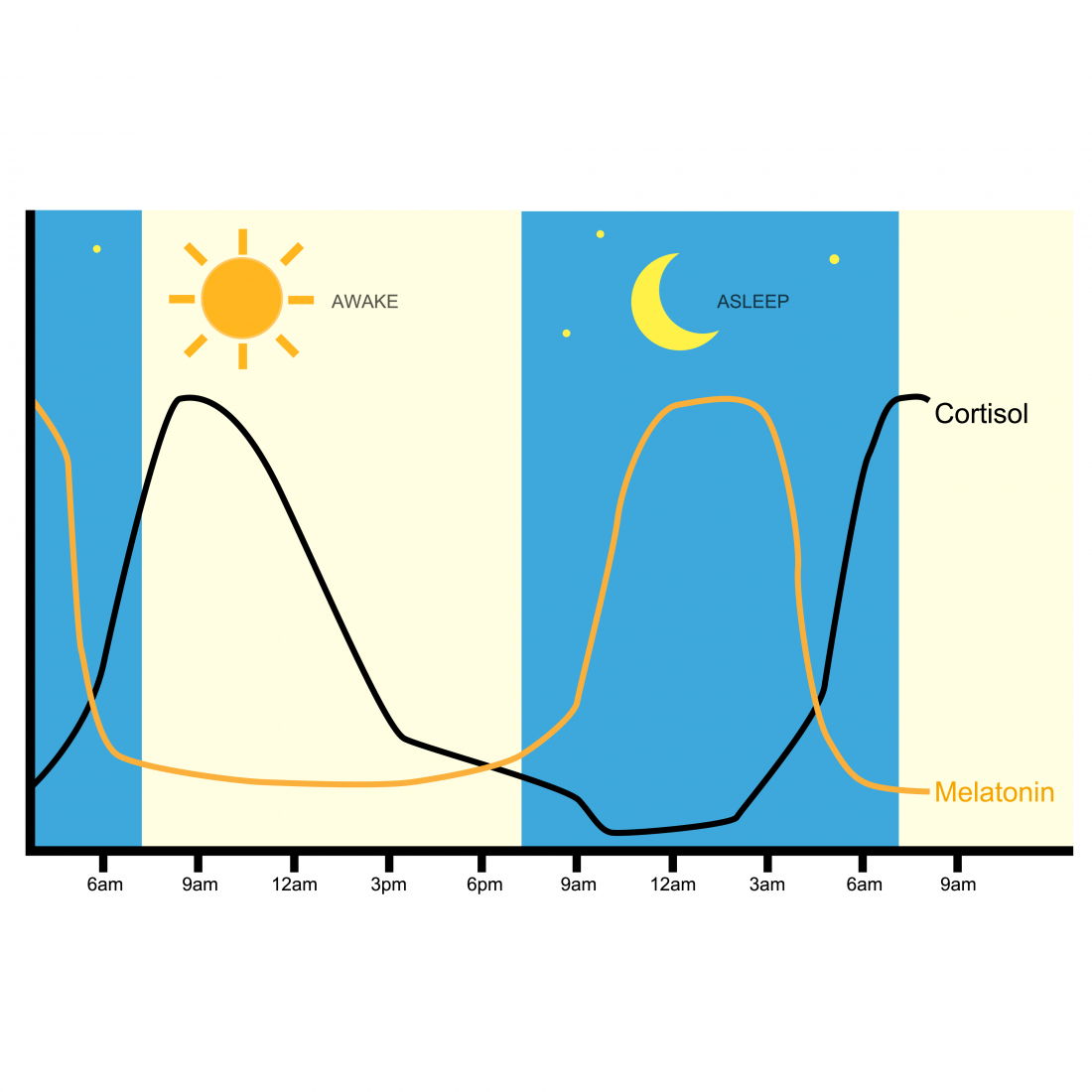
Cortisol levels vary throughout the day depending on sleep and physical activity.
What influences its levels?
Of course, cortisol levels are not stable throughout the day, but fluctuate depending on a number of factors - measurements dating back more than 5 decades have already shown that people have higher cortisol levels especially after waking up, after eating food or perhaps after a more active activity. But of course, your general health also has an impact - cortisol levels are to some extent related to estrogen levels, the amount of stressful situations in our lives, problems with the functioning of the pituitary gland and the use of certain medications can also play a part in the resulting cortisol levels.

What causes an excess or deficiency of this hormone?
Despite the fact that cortisol has over the years earned the label of a hormone that spoils their exercise efforts among people ignorant of the issue, we obviously need a certain amount of it. In fact, a lack of it could have similarly serious negatives as an excess, although the latter situation is of course more common nowadays. Let's take a look at the effect both of these situations have on our bodies:
Reduced cortisol levels
A reduced amount of cortisol has a number of effects. Among those widely observed are general weakness, low blood pressure and even hypoglycemia, which together can contribute to making you feel more tired than is healthy. Long-term deficiency of cortisol (or aldosterone, which is also produced by the adrenal cortex) can be behind the development of so-called Addison's disease. This can manifest itself in muscle wasting, frequent abdominal pain and associated weight loss, among other things. Common indicators that you may notice in such a case include a really big thirst and an almost constant craving for salty foods.
Elevated cortisol levels
Decreased amounts of cortisol are not nearly as common as increased levels. Although in its case the symptoms can be slightly different for each person, they usually include weight gain, headaches, high blood pressure, impaired memory and increased susceptibility to various diseases. Impaired wound healing, acne and even irritability can also be a problem, which can lead to more serious psychological disorders if severe cortisol excess is sustained over a long period of time.

Poor diet, stress and lack of sleep all have a major impact on cortisol production.
What to do to keep cortisol within the normal range?
It is usually very difficult to find out the correct level of cortisol on your own - probably the most reliable option is to go to the doctor and have a blood test, which will tell you more. So if you suspect that there is something wrong with your cortisol level, it is important to go to the doctor for the tests mentioned above - it can be a harbinger of a number of diseases or, conversely, it can indicate an ongoing disease. However, as we have already mentioned, nowadays, when people are often exposed to excessive job stress and lack of sleep, excess cortisol is a more common problem, which is why we will focus on it in our article today, giving you some tips on what you can look for. While they're no substitute for a professional medical examination, they're certainly not a bad thing to look into:
Optimise your sleeping pattern
Sleep is an extremely complex issue, which we have covered in a number of different articles on our website, and its importance must be highlighted this time too. Since cortisol levels are highest in the morning after waking up and conversely low before falling asleep and during sleep, it stands to reason that sleep itself plays a very important role and your goal should be to get the best quality sleep possible. In fact, studies suggest that people working night shifts may have higher cortisol levels. For example, our article 10 tips for better sleep, which highlights the importance of the surrounding environment, including light, noise and temperature, among other things, can help you optimise your sleep. Of course, you should also be careful with alcohol and caffeine and sleep ideally at regular intervals, preferably between 6 and 8 hours depending on your body's needs.
Get rid of excess stress
Stress has a very significant impact on our lives and yet most of us have more of it than is healthy. After all, we have several articles on this topic - such as 8 tips on how to deal with stress naturally. While it's often easy to write and harder to implement, stress really is good to reduce - not just for optimal cortisol production. Try doing things that make you happy more often - get outdoors, meditate, move regularly, treat yourself to a good coffee or a meal at your favourite restaurant every now and then. You'll see that your health will thank you.

Excess stress from work can affect cortisol levels and therefore contribute to the co-development of certain diseases.
Eat well
Diet, of course, plays a huge part in not only cortisol levels, but overall health. Like the previous points mentioned, we pay quite a lot of attention to diet. Specifically, you'll find an entire Nutrition section on our website where we cover both elementary and more advanced topics. In relation to cortisol, it is worth mentioning primarily food around training, when you should time your carbohydrate intake correctly. Also in this case we refer you to a separate article on pre-workout nutrition, because this issue is quite extensive. At the same time, in relation to cortisol, you should also keep an eye on your sugar intake, which, according to research, can negatively affect the level of the aforementioned hormone.
Sport
Regular exercise is really important for overall health. In the short term, cortisol levels will increase more with some sporting activity, but in the long term, the positive effects are logically many times more prevalent, including, for example, a proven higher resistance to stress, which can keep cortisol levels down.
What to take away from today's article?
The main thing you should take away from today's article is that cortisol is a very important hormone whose production is related to, for example, the amount of estrogen in the body, the quality of nutrition, stress levels, and even the quality of sleep. Thus, to some extent, the level of cortisol reflects the quality of our lifestyle and can indicate a number of diseases already in progress, as well as being a precursor of certain diseases. It is therefore definitely a good idea to take care of your cortisol levels, starting with a visit to the doctor and the associated blood tests (in some cases, cortisol levels are also measured from urine).
Recommended

Life Extension Magnesium Caps
Nordbo Kollagen

PhD Digest Support

Extrifit Lactase Enzyme
No posts have been made yet.








