





What fruits to include in a reduction diet?
 Author:
 Fruit is one of the most controversial components of the diet. There are a lot of myths about it, which are not based on truth, but you know how it is with these nutrition myths. That's why even today it is quite common to see the opinion that fruit does not belong in a reduction diet or that you can eat it only in the morning. In this respect, do you have a little bit of a gulf in terms of how it actually is with eating fruit and whether the apple you eat at 3:01 pm is really magically converted into fat? So let's talk a little bit about that today and we'll also talk about which fruits are best for a reduction diet.
Theoretical window - what is this fruit and how is it in reduction?
Fruits are a group of foods that are rich in fibre, vitamins, minerals, sugars and are characterised by their sweet taste. Let's start by saying that there is no food that causes fatness by itself and that therefore fruit does not do it by itself. Weight gain occurs when our intake is higher than our output over a long period of time, and if you overdo it, you might as well gain weight after eating too much lettuce. There's really nothing true about fruit just depositing that fatty tissue all by itself. Fruit contains sugar - glucose, sucrose and fructose, and it is fructose that is the biggest bogeyman and the one that causes the most concern around eating fruit in reduction.
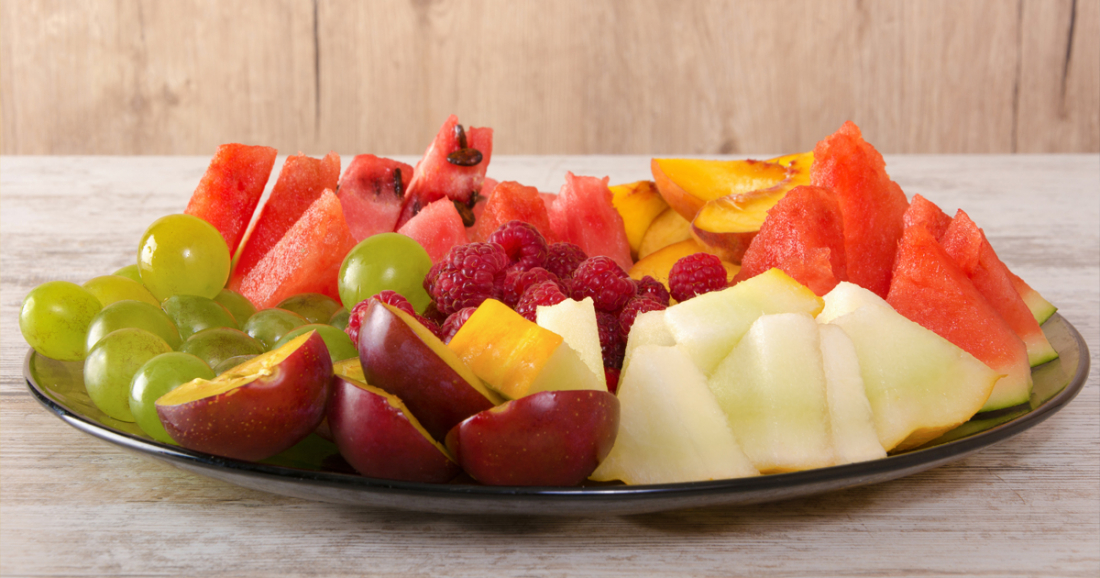
In fact, some people claim that fructose is converted directly into fat in the liver, which is then stored and leads to obesity. But that's not entirely true. There are a number of studies that show that fructose taken in reasonable amounts in active individuals is no more fat-forming than calories taken in through other foods. Fructose only has a negative effect on health when taken in excess, which is difficult to achieve through fruit consumption alone. So, once again, our old adage that the difference between a drug and a poison is always the quantity. So if you don't eat just apples and bananas all day, but you eat a balanced diet, get enough of all the nutrients, exercise regularly and live a healthy lifestyle, then your fructose intake doesn't have to weigh you down completely. Although fruit contains sugar, it also contains fibre, which slows its release into the bloodstream and promotes satiety. Besides, sugar is also not like sugar, as it is definitely healthier to have a bowl of strawberries than to drink two litres of Coke or eat three doughnuts.
Each type of fruit is beneficial to health because it contains the aforementioned fibre, water and, depending on the type, various vitamins, minerals and antioxidants. There is no doubt that fruit is a nutritionally valuable food, which makes it a very suitable part of the diet, regardless of whether it is a reducing food or not. In fact, despite the myths, fruit is a very handy addition to slimming diets thanks to its fibre content and high water content! Regular fruit consumption is associated with lower weight, lower risk of developing diabetes and is also important for preventing high blood pressure, cancer and cardiovascular disease. The daily intake of fruit should be at least between 150 - 200g, which is one to two portions (pieces, if you like) of fruit per day. Ideally, supplement fruit with some protein - yoghurt, cottage cheese or clotted cream.
The last thing we need to explain is the afternoon fruit consumption. You can read on various websites that fruit should only be eaten in the morning, up to 15:00. What is this idea based on? Well, it is probably based on the fact that fruit contains sugar, which the body can't cope with after 3pm and is stored in fat. But again, that's not true. It's all based on total daily calorie intake and the fact that successful reduction is based on negative calorie balance, i.e. consuming fewer calories than we expend throughout the day. Fruit can easily be part of an afternoon snack if you can "fit it into your macros". So it's not about the body having some magic switch and turning fruit into fat after 3 o'clock, it's simply about overall calorie intake, as it always is with everything. If you take exercise in the afternoon, a piece of fruit in the afternoon snack may not bother you at all.
The best fruits for slimming diets
Enough with the theory, we now know that fruit is not a demon of slimming diets and that it is a very good part of the diet. Below, we'll take a look at the best fruits to add to your reduction diet! However, this doesn't mean that other fruits not mentioned in the article don't belong in your diet.
Grapefruit and other citrus fruits
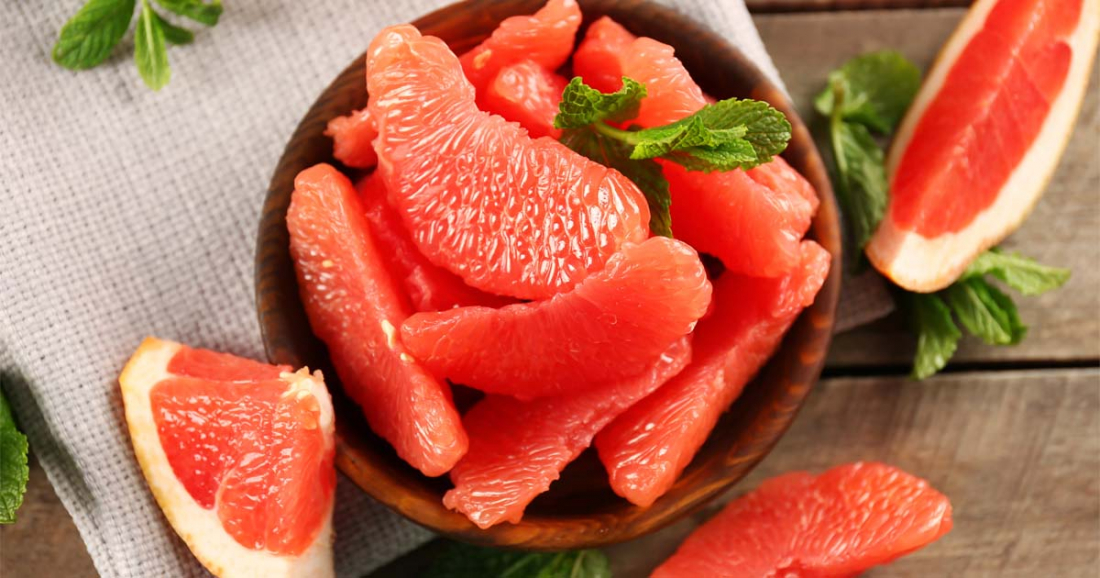
Grapefruit is actually a kind of cross between an orange and an orange, which is very often recommended as a good part of reduction diets. And no wonder - half a grapefruit contains only around 45 calories, but provides up to 65% of the reference daily intake of vitamin C. Red grapefruit varieties also provide 28% of the DDD of vitamin A. Some studies also suggest that grapefruit may help regulate cholesterol levels. In addition, grapefruit has a low glycemic index (GI), which means that it releases sugar into the blood more slowly. Other citrus fruits are similar, so oranges, lemons, and the aforementioned pomelo are all great parts of a healthy diet. Grapefruit and other citrus fruits are great in salads or just for flavour!
Apples
Of course, apples shouldn't be missing from the list, ideally local ones. Apples are well known to promote weight loss. In fact, apples are low in calories and high in fibre - one large piece (approx. 233 g) has around 116 calories and 5.4 grams of fibre. Apples are very popular and readily available in our country, which is only a good thing, as multiple studies suggest that apples can actually promote weight loss. Apples are very filling due to their high fiber content, which is a real bonus when losing weight. But forget about peeling! The skin is where most of the nutrients are found and if you peel it, you're missing out on the best of the apple. You can enjoy the apple raw, baked, cooked, add it to a salad just slice it into yogurt or dip it in peanut butter.
"Berries" - strawberries, blueberries, raspberries, blackberries, cranberries
Another type of fruit that must not be missing from our list are the so-called berries, small berries. These small fruits are often referred to as superfoods because they have a really good nutritional profile for how small and low-calorie they are. For example, 1/2 cup (about 80 grams) of blueberries contains only about 42 calories, and offers 12% DDD of vitamin C and manganese, and even up to 18% DDD of vitamin K. One cup (150 grams) of strawberries, on the other hand, contains less than 50 calories and provides 3 grams of fiber, 150% of the recommended daily allowance of vitamin C, and nearly 30% of manganese.
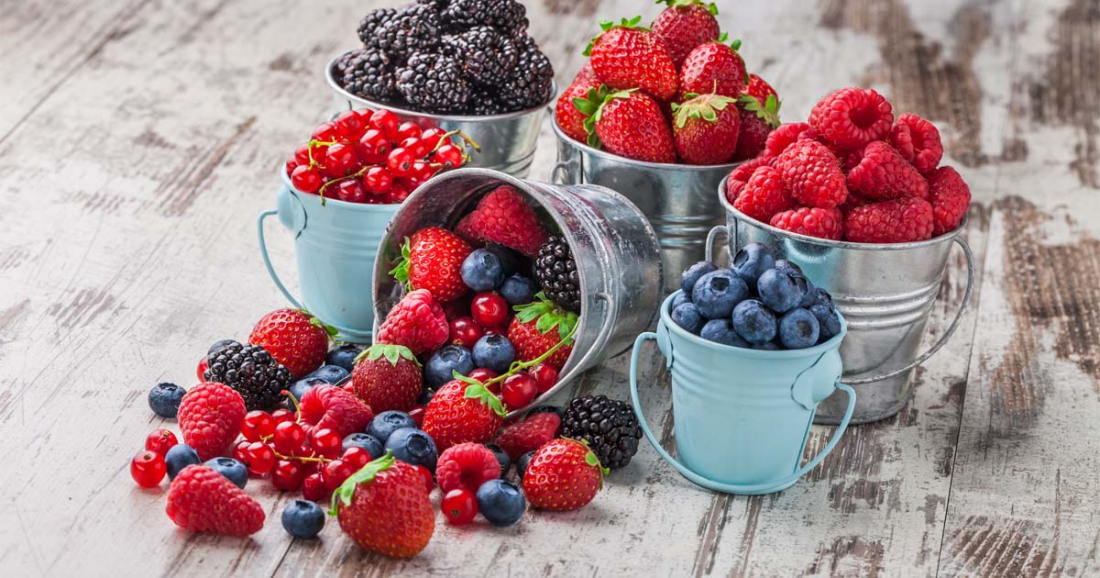
Most small berries have strong antioxidant and anti-inflammatory properties, help regulate cholesterol and blood pressure, and have a positive effect on the heart. Thanks to their fibre content, even small berries can keep you full for longer. If you have the opportunity, make a stockpile for your freezer over the summer and draw on your supplies over the winter. Berries are great in yoghurt, morning porridge, but also in salads, smoothies or for making homemade ice cream.
Peckoviny - plums, plums, apricots, cherries, nectarines
Peckovers are another popular fruit that deserves a place on our list. Pecans are in most cases a low-calorie fruit, have a low glycemic index and are very rich in nutrients such as vitamins C and A - which is beneficial for all of us. For example, one medium peach (150 grams) has about 58 calories, 1 cup (130 grams) of cherries has about 87 calories, and two small plums (120 grams) or four apricots (140 grams) have only something around 60 calories. Take advantage of these when they are available locally and be sure to enjoy them fresh, as they are often sweetened with sugar in dried form, or simply easier to eat more of because of their seemingly smaller volume. Peckova can be eaten fresh, chopped in fruit salads, added to porridge or even grilled or added to savoury dishes such as stews.
Pineapple
Pineapple is also one of the healthiest fruits. As well as being high in fibre, it offers a good dose of vitamin C, vitamin B6, magnesium, iron, thiamine and more. Pineapple is a low-calorie fruit that has a decent amount of vitamins and minerals, which makes it a perfect food not only for slimming diets. To make matters worse, pineapple also contains significant amounts of bromelain, an enzyme that is essential for the proper functioning of our digestive system. In fact, it promotes proper bowel function, aids in the digestion of fats and is important for breaking down proteins into amino acids. 100g of pineapple has about 50 kcal and will provide 10g of sugar. Pineapple tastes great with yoghurt, or maybe you can throw it on the grill.
Watermelon
It's probably strange to add a vegetable to the list of best fruits, but watermelon is often classed as a fruit, so feel free to include it in your list. Watermelon has a very low calorie density (so very few calories for a large volume). It contains a lot of water, which makes it a perfect snack or dessert for summer days, as it hydrates beautifully, and is also quite filling. 200g of watermelon has only around 65 kcal. Although all types of melon are low in calories, they are rich in fibre, potassium and antioxidants such as vitamin C, beta-carotene and lycopene. Due to its fibre and high water content, it also helps proper digestion.
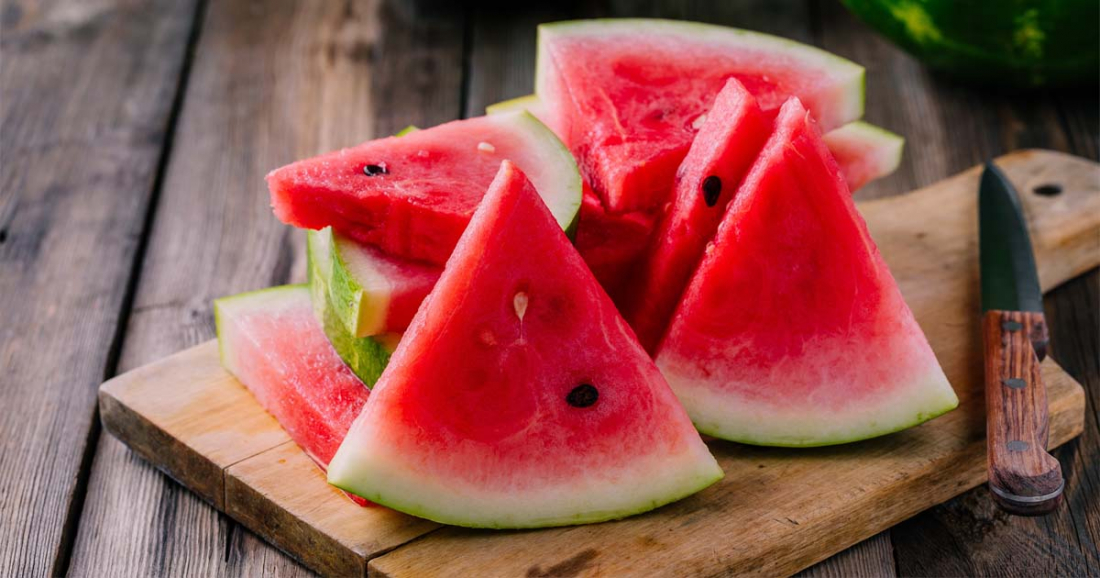
In small amounts, watermelon is also a source of the amino acid citrulline, which is a very common ingredient in pre-workout supplements. But you don't have to worry that an afternoon bowl of watermelon will somehow magically give you a kick, it's not that hot with all that citrulline in watermelon. Watermelon tastes best when chilled - you can eat it cut up just like that, add it to fruit salads, combine it with feta, or make a juice out of it. Be careful when storing it, as poorly stored or cut for too long can contain salmonella bacteria.
Kiwi
Kiwis are small, brown fruits with bright green or slightly yellow flesh and small black seeds. Kiwifruit is rich in nutrients and is an excellent source of vitamin C (in fact, kiwifruit is the best source of vitamin C ever), vitamin E, folate and fibre, and eating it has significant health benefits. Kiwifruit has a low glycaemic index and is rich in fibre. One small peeled fruit (69 grams) contains more than 2 grams of fibre. Studies report that kiwi can help regulate blood sugar, improve cholesterol levels and promote gut health, which is not only beneficial for weight loss. It tastes great fresh - you can add it to yogurt, porridge, fruit salad or smoothies.
Recommended

Czech Virus Synephrine MAX

Amix ThermoCore 2.0
Nutrend Carnitine 100000

Extrifit Carni Liquid 120000mg
Avocado
A special fruit is the avocado, which has a high fat content. However, the fats in it are very beneficial, so you don't have to worry about eating them. Of course, you should bear in mind that avocados are very calorific and, although they are healthy, eating one avocado a day means taking in a lot of fat. 100 g of avocado has about 160 calories, so it is undoubtedly the most calorific fruit. The same amount of avocado then provides 25% DDD of vitamin K and 20% DDD of folate. Although avocados are very calorie dense, studies confirm their positive effect on fat reduction. Eating avocados can increase feelings of fullness, reduce appetite and also helps maintain healthy cholesterol levels. Avocados can be used as a substitute for butter or margarine on bread and toast. You can also add it to salads, smoothies or dips, or use it to make pasta sauce or bake it with an egg.
What about other fruits?
Do you like mangoes, grapes, bananas or even tangerines? Only good for you. Really, all fruits have their health benefits. When it comes to bananas, grapes or perhaps mangoes, these are fruits with a higher sugar content, so you need to be a little careful with the amount when reducing. On the other hand, the banana is an excellent source of magnesium, manganese, fibre and antioxidants. In short, no fruit can be described as harmful or as something that will fundamentally compromise your reduction, as long as you can control the amount you consume.
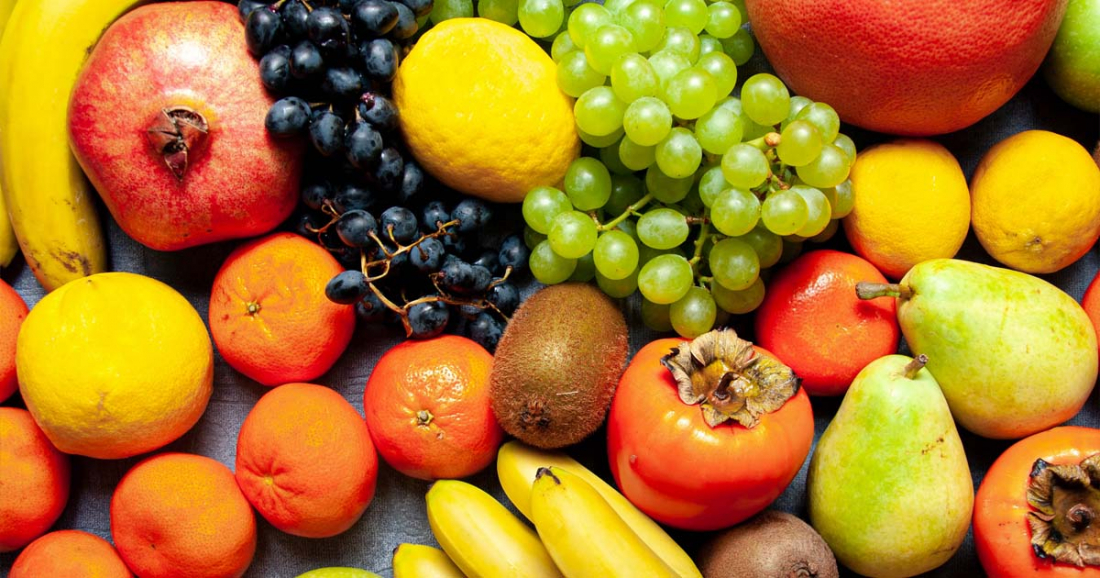
On the contrary, fruit is a very desirable part of a healthy diet because it contains fiber, lots of vitamins, minerals and antioxidants and we should take 1-2 servings every day, regardless of whether we are currently reducing fat or not. In fact, whether we lose weight or not is based on calorie deficit, not whether you snack on a banana or have two slices of watermelon in the afternoon. Eating fruit doesn't have to stress you out at all, it's always the quantity and total calorie intake that's crucial.
What to take away from the article?
Fruit is a controversial food group that is often labeled as unsuitable for weight loss diets. Today, however, we thought that fruit is actually not nearly as bad as it is often presented and found that it is an essential part of a healthy diet, regardless of whether or not we are currently in a reduction. Fruit contains fiber, lots of vitamins, minerals and antioxidants and we should be taking in 1-2 servings every day regardless of our transformation goals. In fact, reduction is based on an appropriately set caloric deficit, not whether or not your diet contains fruit. We also said that berries, stone fruits, melons, citrus fruits or even avocados are great for a reduction diet, but you don't have to neglect other fruits either. In short - fruit is a desirable part of any diet, including a reduction diet.
Sources:
Ter Horst KW, Serlie MJ. Fructose Consumption, Lipogenesis, and Non-Alcoholic Fatty Liver Disease. Nutrients. 2017;9(9):981. Published 2017 Sep 6. doi:10.3390/nu9090981
Dreher ML. Whole Fruits and Fruit Fiber Emerging Health Effects. Nutrients. 2018;10(12):1833. Published 2018 Nov 28. doi:10.3390/nu10121833
Slavin JL, Lloyd B. Health benefits of fruits and vegetables. Adv Nutr. 2012;3(4):506-516. Published 2012 Jul 1. doi:10.3945/an.112.002154
https://fdc.nal.usda.gov/ndb/
Pieterse, Z., Jerling, J. C., Oosthuizen, W., Kruger, H. S., Hanekom, S. M., Smuts, C. M., & Schutte, A. E. (2005). Substitution of high monounsaturated fatty acid avocado for mixed dietary fats during an energy-restricted diet: effects on weight loss, serum lipids, fibrinogen, and vascular function. Nutrition (Burbank, Los Angeles County, Calif.), 21(1), 67-75. https://doi.org/10.1016/j.nut.2004.09.010
de Oliveira, M. C., Sichieri, R., & Venturim Mozzer, R. (2008). A low-energy-dense diet adding fruit reduces weight and energy intake in women. Appetite, 51(2), 291-295. https://doi.org/10.1016/j.appet.2008.03.001
James, L. J., Funnell, M. P., & Milner, S. (2015). An afternoon snack of berries reduces subsequent energy intake compared to an isoenergetic confectionary snack. Appetite, 95, 132-137. https://doi.org/10.1016/j.appet.2015.07.005
Monro, J., Bentley-Hewitt, K., & Mishra, S. (2018). Kiwifruit Exchanges for Increased Nutrient Richness with Little Effect on Carbohydrate Intake, Glycaemic Impact, or Insulin Response. Nutrients, 10(11), 1710. https://doi.org/10.3390/nu10111710
Drummond L. (2013). The composition and nutritional value of kiwifruit. Advances in food and nutrition research, 68, 33-57. https://doi.org/10.1016/B978-0-12-394294-4.00003-1
No posts have been made yet.








