





Draining the body, what helps? We advise what and how!
 Author:
 Drainage of the body is a problem that until recently was primarily of interest to women. However, as the current times require a sedentary lifestyle, lack of exercise and for many often an unhealthy diet, body dehydration is also a concern for many men. And while there are various remedies for dehydration, there are other ways to do it. Today's article will introduce the issue of body watering in as much detail as possible, so that you can get an idea of why it happens and how to eventually resolve it.
Article Content:
- What does water retention in the body look like?
- What can cause water retention?
- When to see a doctor?
- What helps? How to cope with water retention?
- What to take away from today's article?
What does water retention look like?
The manifestations of excessive water retention probably do not need to be discussed at length. If your body is waterlogged, the primary manifestations are swelling, excessive sweating, shortness of breath and weight gain. The primary manifestation is of course the aforementioned swelling, which can occur either all over the body (this indicates a lifestyle problem) or only in specific parts of the body, which may indicate a problem with the lymphatic system. Either way, it is not a good idea to think that waterlogging is just a minor cosmetic problem. It is often associated with fatigue, impaired performance and, in the longer term, can also indicate a number of health problems related to internal organs.

Above all, you must not think that waterlogging is caused by too high an intake of water. In most cases, the opposite is true.
What can cause water retention?
Although excessive water retention in the body can signal organ problems, the cause is usually more trivial and is called an unhealthy lifestyle. As soon as you don't get enough exercise or fluids, eat excessive amounts of carbohydrates, are overweight or lack certain important vitamins, the body starts to defend itself against this by excessive water retention. However, it is also common to have more pronounced water retention and associated swelling during pregnancy or menstruation, as well as when taking certain medications, especially contraceptives, hypertension (high blood pressure) medications, various types of antidepressants and corticosteroids.
When to see a doctor?
If the water retention is related to weight gain and a major change in lifestyle, in most cases it is absolutely sufficient to return the eating and exercise habits back to normal. If you have been experiencing water retention for a longer period of time (a problem lasting less than a week usually does not need to be addressed at all) and the symptoms are getting progressively worse, a visit to the doctor is in order. You will most likely have to undergo several tests (from blood and urine tests to a test for possible heart problems), but you will be absolutely sure what is behind the water retention and you will avoid old-fashioned advice and possibly unnecessary medication.

There are medications, herbs, drops and other preparations for water retention. But until you know the cause, it is no good trying to address the effect.
What helps? How to cope with waterlogging?
If you are convinced that a visit to the doctor is unnecessary, we have some basic advice on how to deal with waterlogging on your own - it should be noted that rather than taking various drugs and miracle substances, it is a good idea to change your current lifestyle, which you will appreciate not only in case of waterlogging, but also in the prevention of a number of civilisation diseases. Specifically, we recommend following the following advice:
Watch your intake of individual micronutrients
If you are suffering from dehydration, the problem may be a deficiency or excess of certain micronutrients. As we described in our separate article on excessive water retention, it is ideal to increase your doses of magnesium, B vitamins and potassium (which appears in various multivitamins rather than on its own). Conversely, you should reduce the amount of salt you consume, which is found in processed foods, cheese, chips and some meat and bakery products, for example.

If you keep your diet varied, you can easily meet most of your vitamin and mineral requirements. Supplements are in place primarily for athletes.
Swap carbs for fats
When you eat a certain amount of carbohydrates, your levels of insulin, the hormone responsible for, among other things, reabsorbing sodium from the kidneys, increase. So you could say that carbohydrates have a direct effect on the amount of water retained, and if you want to get rid of excess water, it's a good idea to reduce your carbohydrate intake too. Of course, no one expects you to follow a strict diet, but following the example of the ketogenic diet, which we have a separate article on, it might not be a bad idea to reduce your carbohydrate intake and increase your fat intake.
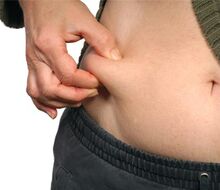
Do sport every day
Movement is essential for everyone and will benefit you regardless of the cause behind the swelling and watering. Even with lymphatic problems, which are quite low in the population, movement helps to properly regulate water in the body. If you want to encourage water drainage, we also recommend reaching for diuretics - not banned substances, but legal and completely safe dietary supplements that are a combination of caffeine and a variety of herbs.

It doesn't matter if you work out, run, walk or cycle. The main thing is to move.
Drink at least three litres of water a day
Don't be fooled - just because you have excess water in your body in no way means you're drinking enough. Most of the time, it's just the opposite. The body has too little water and therefore decides to retain it in case it gets even less. So try to drink at least three litres of fluids every day, ideally unsweetened and unsweetened. You should drink evenly throughout the day, but in the evening it's better to cut back so as not to disturb your sleep.
Try diuretic herbs
There are plenty of diuretic herbs out there and let's face it, they're a much better solution than some drainage medication. Especially if you haven't been to any medical appointments. You can't go wrong with herbs, and when it comes to diuretic effect, even commonly available plants like nettle, dandelion, elderflower or raspberry can boast it. You can buy them either dried and make teas from them, or in the form of various supplements. We can recommend the Diuretic Complex from Amix.
Recommended
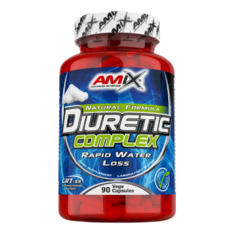
Amix Diuretic Complex
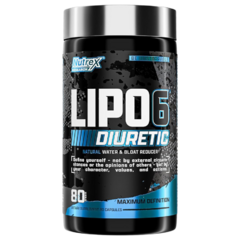
Nutrex Lipo 6 Black Diuretic
What to take away from today's article?
The main thing you should take away from today's article is that the body manages water somehow independently of us, but if you don't get enough exercise and your diet is poor, this can manifest itself in water retention - this is indicated, for example, by swelling, prolonged fatigue or poor performance in sports. Most of the time, the problem is lifestyle, but sometimes prolonged waterlogging can also signal serious health problems, so a visit to the doctor is in order. Advice to follow at all times includes a balanced and varied diet, regular sport and sufficient drinking. You can support the excretion of excess water with various herbs or supplements with diuretic effects
No posts have been made yet.








