





Take our advice and finish this year's resolutions
 Author:
 The New Year is here and with it the classic resolutions. Have you set a goal for 2021 to finally lose weight, run a marathon, get fit or change your eating habits? We applaud such resolutions! But few beginners manage to choose the right path on the first try without unnecessary restrictions, excessive restrictions, unnecessary overloading and too radical changes. As a result, lifestyle changes become unsustainable in the long run and we give up our efforts. What's more - New Year's resolutions are the perfect time for all sorts of marketing gimmicks, miracle products and revolutionary diets that supposedly make it easier than ever to make it this year. Yeah, but we wouldn't be the ones to let you believe the nonsense! Today, let's take a look at the real advice you really need to meet your transformation goals this year.
1. Give yourself realistic goals
A lot of New Year's resolutions fail on the grounds that they're just completely unrealistic. Do you want to lose weight quickly and easily, put on 10kg of muscle or run a marathon in a month? Try keeping your feet on the ground. The process of changing your body, in whatever direction, is not a momentary affair, it requires effort, perseverance and a strong will. If you set reasonable goals, you are much more likely to meet them. As a result, you will be able to keep moving forward because you will understand that the journey is the destination and that it is always possible to move on. So it is undoubtedly better to celebrate regular small successes than one big failure stemming from the unrealistic nature of our goals. At the same time, don't give yourself too many goals. It is true that if you concentrate on one thing at a time, you are more likely to succeed in completing it than if you strive to accomplish several goals at once.

2. Don't want it all at once, take incremental steps
One of the most common reasons people give up on their resolutions is because they can't be patient and when they don't see results at the rate they would like, they give up on their efforts. One thing to remember is that you certainly didn't put on your pounds in a week, so you can't expect to get rid of them in a week. Every transformation takes time, strong willpower, discipline, consistency and last but not least, patience. How long it will take to accomplish your goal depends on many factors - its size, its genetics, your diligence, etc. It can be difficult for some to see that people around them are dropping pounds at the snap of a finger and they just aren't doing that well.. but remember that every body is individual and that what you are doing is primarily for yourself. Even though it may be hard at times, if you hang in there and don't give up, it will be worth it. Give your body time to adjust to the new routine and respond to any changes.
Plus, you don't have to change everything at once so your body won't be too shocked. Give yourself incremental sub-goals so that you can continuously enjoy meeting them and can easily monitor your progress. In fact, if you are only focused on reaching your final goal, you may be daunted by the length or difficulty of the journey to get there, or perhaps the radical nature of the changes you need to make to achieve it. But if you put smaller intermediate goals along the way, it will be much easier to track and appreciate the journey and progress. Each accomplished sub-step also deserves its own reward. Did you manage not to buy a cookie for a week? Started eating more vegetables? Have you lost your first pounds? Did you lift more on the bench? Did you try baking some healthy snacks? Did you run a mile more than you did last month? Awesome! Then buy something for yourself, pay for a massage, or maybe buy some better quality ingredients that you don't use that often. But be careful, don't relate your rewards too much to your betting, because it can be a vicious journey.
3. Don't look for shortcuts or miracle diets
One of the steps that beginners in nutrition usually take is to resort to some nonsensical, overly restrictive or absolutely monotonous diet that they find on the internet or look up from some model or blogger on Instagram. Often people don't know how to actually set up their diet, so they stick to universal manuals downloaded from the internet, which simply don't fit their needs. Most of the time, all these attempts end in failure, sometimes even health problems, which is the last thing we want. Let me tell you a secret - there is simply no miracle diet. The key is to create a long-term sustainable dietary direction that suits you in every way and aligns with your transformational goals.

So how to do it? Each of us is an individual. Just because someone recommends a ketodiet to you because you lost weight on it, doesn't mean it will work for you and that it will suit you. The human body is an amazing "machine", but everyone's body is completely unique, and following the practices and diets of others may not lead to a happier, thinner, or healthier us. It is individuality that is essential in diet, and especially in the amount of caloric intake required. Adjust your intake so that you are in a caloric deficit or surplus, but at the same time, both shifts must be reasonable so that your body does not waste or gain too much fat too quickly. Avoid all extremes, radical restriction of intake or any of the macronutrients.
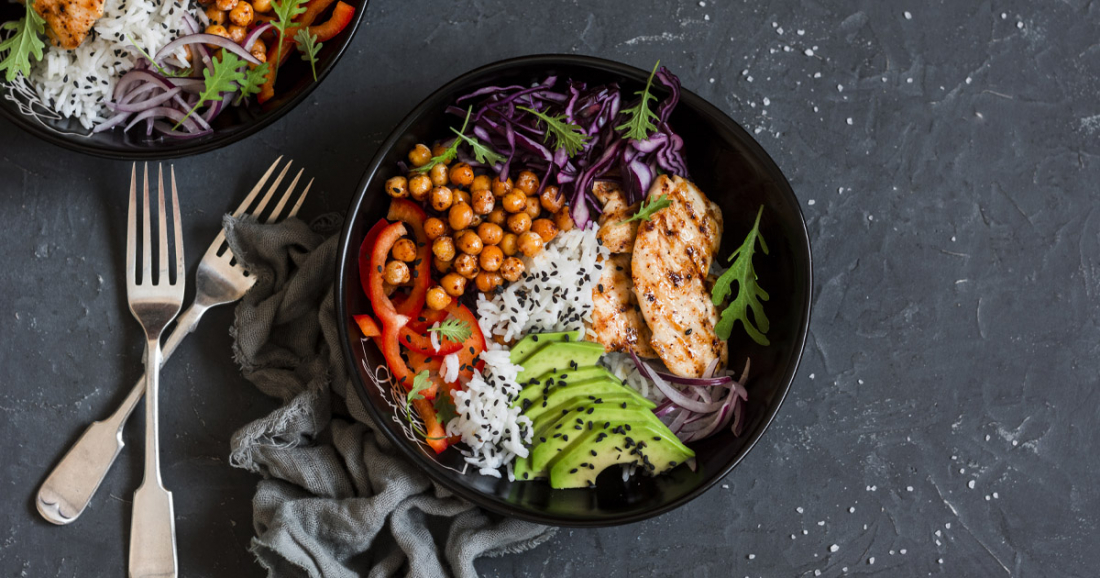
You don't need to compose your diet with any complicated and expensive ingredients, you just need completely abundant commonly available ingredients with the simplest possible composition and of the highest possible quality. Eat fresh food, plenty of fruit and vegetables, lean meats, fish, eggs, don't forget good quality fats like avocados, olive oil or nuts, and you certainly don't have to disdain complex carbohydrates like oatmeal, whole grains, good quality breads, rice, quinoa, buckwheat, sweet potatoes and loads more. Drinking is also important, ideally in the form of clean water. The key to a healthy and slim body is not a miracle diet, the key is to learn to nourish it in the right way, in adequate amounts and to find a direction of eating that will be sustainable for us in the long term. Eat food that is real food, cook, try new foods, experiment and nourish your body with the best you can.
4. You don't need a pointless detox or expensive pills
After the New Year, our mailboxes, as well as social media ads, start filling up with all sorts of detox programs and pills that you supposedly need in order to lose weight. You need to get rid of the waste, the pollutants, and it's the only way to start reducing. So yay for drinking vegetable juices, detox teas, or taking overpriced preparations and would-be miracle pills. Do you really think you need any of that? Let me ease your mind - no, you really don't. In fact, if you have healthy liver, kidneys, lungs and other organs of the excretory system, you detox continuously, 24 hours a day, 7 days a week, 365 days a year. If you don't diet, you're not an alcoholic, and you don't fill up your fast food menu with a glass of overheated oil every day, then your body can detoxify just fine on its own and you don't have to help it.

Taking pills or applying detoxification shrubs will often do much more harm than good. You may lose some weight at first, but most of the time it's just water from the body that the body gets rid of when you excessively restrict caloric intake. But once you start eating, the water goes back into the cells and the weight is back on, maybe with some extra pounds to give your body a reserve for when similar crap strikes another time. And as for the various pills, teas and concentrates... Detox products may promise to make it easier to reduce and cleanse your body of toxins, but honestly... the only thing these products really cleanse is your wallet. Better invest your money in real food or some exercise equipment.
Recommended

Omega 3 240cps 1+1

Creatine Monohydrate 500g 1+1
Nebbia Dámské sportovní legíny se síťkou INTENSE Mesh 838
Nebbia Crop top s dlouhým rukávem ELEVATED 468
5. Educate yourself
No scholar has fallen from the sky. We all started out at some point, and if you want to learn about your body, you need to get to know it well. Want to embark on a dietary change yourself? Great! But choose a proven source of information to draw from. After all, the internet is absolutely overloaded with information from the world of nutrition and sports, and it can be difficult for you to know what's actually true and what's not. Be cautious especially on social media - follower numbers are not a relevant indicator of competence or credibility. It is on social media that all sorts of myths, completely crazy claims and diets, recommendations for products that are unnecessary or often even potentially harmful to health often appear.

It is really difficult to find the right source of relevant information. Plus, every website or every consultant can give you completely different advice and you know what? It's okay. Because there is no one-size-fits-all solution in the world, and everyone has their own guaranteed way to get there. Especially in nutrition. If you're scratching your head about which diet is actually best, worried about counting calories, or just don't know how to go about making that diet or workout change, don't be afraid to reach out to an expert. But beware, a real expert. Check out references, his or her philosophy, and find a mentor or coach that you'll be as aligned with as possible. Sometimes it can be a struggle, but take the time to choose, it really is worth it.
Want to get in shape or change your lifestyle? Order a customized diet or workout from Supertrener.cz
6. Get moving and get out in the fresh air often
Movement is important not only for weight loss, but also for health in general. We should engage in some form of it every day, at least in its most basic and natural form, walking. Movement is also very useful for stress reduction because it releases endorphins, the hormones of happiness. In addition, regular physical activity also helps us with sleep and its quality. What kind of movement is the best? Simply - the one that you enjoy the most, will give you results and you will be able to practice it regularly. Swimming, running, gym, cycling or skating? Do what you enjoy most! It's also a good idea to vary the movement often, to load the body from different angles and to give it constant stimuli to improve.
In addition, if you combine movement with being outdoors, you get several benefits at once. Not only do we get some fresh air in our lungs, refresh our minds and bodies, relieve stress, boost our performance, sleep quality and weight reduction, but also our health as a whole and, if the sun is shining, we can get the all-important vitamin D, which is deficient in a large part of the population but is absolutely crucial for health. But we don't have to overdo it with sport either - even though it is very relaxing and makes us happy, we must remember not to overload the body. Even sport is stressful for the body, even if we don't realise it, and each body copes with such stress differently. Especially when you have just started physical activity, it is not advisable to overdo it.

7. Lifestyle change is not just about food and exercise, don't forget to rest properly!
A healthy lifestyle isn't just about eating well and exercising, mental wellbeing and getting enough sleep are also part of the puzzle. Getting enough quality sleep is then a very influential factor that needs to be taken into account both for weight loss and for health as a whole. Many important processes take place during sleep, including recovery, and lack of sleep leads to an increased risk of developing heart disease, depression and can also affect cravings and levels of hormones such as leptin, ghrelin and cortisol. A spike in the levels of these hormones and increased fatigue can have a major impact on the choice of foods we eat and the portions in which we eat them. Lack of sleep makes us crave more calorific and often less nutritious foods. We also often cannot control the amount we eat and if this goes on for a long time, weight gain can be a problem.
Sleep is integral to ensuring optimal health. It is not only the quantity of it that is important, but also its quality. Due to the stress that runs through everyone's life, it is possible that we fail to give our bodies enough quality sleep. How to do it? Try to fight stress - exercise regularly, get some fresh air, go for a chat with friends or find a hobby. Sleep quality can also be influenced by sleep rituals and the right sleep environment. Sleep in a dark, well-ventilated room that should be used strictly for sleep. Also, beware of consuming alcohol and heavy foods shortly before bedtime.

If you still struggle with sleep, you can also benefit from some supplements. You can start with herbs - lavender, lemon balm, valerian or St. John's wort. Then you can try supplementing with magnesium and zinc. Magnesium has (among other things) relaxing effects that can help with falling asleep. Another natural supplement you can include is melatonin. Melatonin is a sleep hormone. Its production decreases with age, and including a supplement can help not only with falling asleep, but with the quality of sleep itself.
8. Don't stress yourself unnecessarily
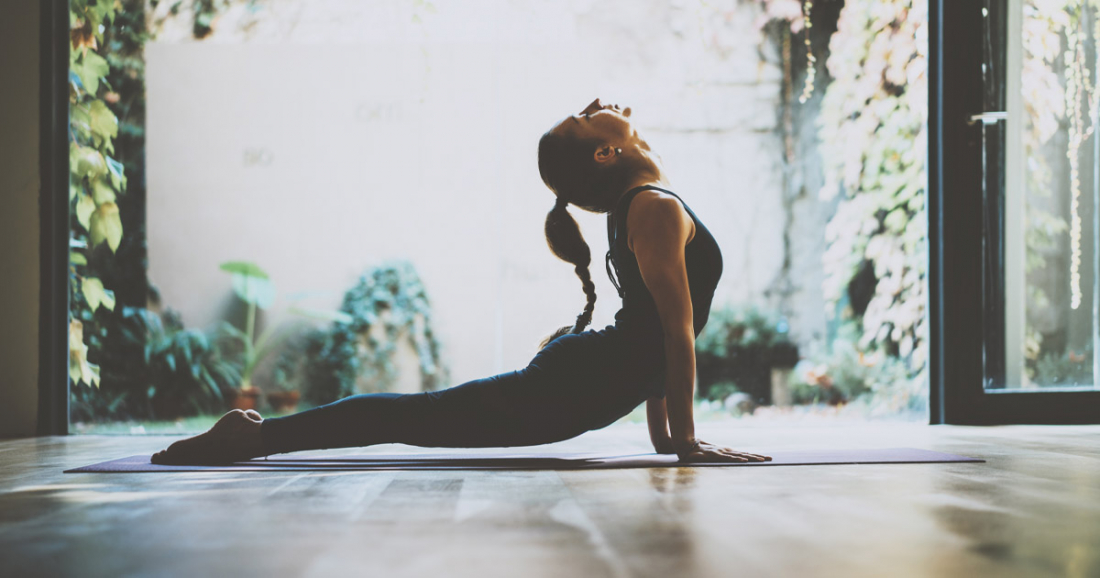
Stress is, to a greater or lesser extent, a normal part of everyone's life. Within reasonable limits it is harmless, sometimes even necessary, but if there is too much of it, it becomes the impetus for health problems or can boycott our efforts to transform our bodies. Stress releases the hormone cortisol, which can cause quite a stir in the body, especially when levels are elevated for long periods of time. Cortisol (among other things) also affects hunger hormones and cravings, so when we are stressed we struggle with fatigue, attention, performance, but also often cravings for sweets or other less nutritious foods. Learn how to work with stress - try yoga, meditation, a walk, exercise, listen to pleasant music, watch an interesting movie, or sit down with a book. You can also go for a massage or warm up in the sauna. There are many ways to vent stress and remember that health is not just about the physical side, but also about the mental side, which we must not neglect, not only in view of what has been happening around us in recent months.
Excess stress is something your body really doesn't need. And because most of us have too much of it in our lives, try not to stress yourself unnecessarily too much about what you eat, excessive calorie restriction, how you exercise, lack of sleep, searching for a miracle diet, or be down on your initial failures. The road to any goal is usually winding, long, and full of obstacles, but if we don't give up, we can't lose. None of the areas mentioned are so difficult that they need to stress us out. If it does, don't be afraid to ask for help. If we are stressed for a long time, sleep disorders, irritability, and stress can even sabotage our efforts to lose weight or gain muscle, and you really don't want that. Don't look for complexity and don't complicate your life where it's not needed at all.
9. Goal above all goals - health
If we should take anything important away from the last year, it is without a doubt that everyone's number one priority should be their own health. Therefore, don't go to any extremes, whether nutritional or sporting, that could jeopardise it. Don't go into detoxes, taking pills, eating powdered food or unnecessary restrictions. On the contrary. Try to do your absolute best for your health every day - eat enough healthy food of the highest possible quality, take in all the necessary micro and macro nutrients, move and be outdoors as much as possible (yes, apply this every day too), don't neglect sleep, both in quantity and quality, and of course take care of your mental health.
A healthy lifestyle is far from just about food - it's a multifactorial complex and for everything to work well you need to look after all the parts. Because if we focus on just one, the results won't be the same as when we pay proper attention to all of them.
What to take away from the article?
The New Year brings with it a lot of new goals, most often related to losing weight or gaining muscle, getting fit or improving your health. In order for such resolutions to actually come true, you need to go for it. But it can be done without extreme dietary directions, spending money on would-be miracle supplements, abusing your body and gambling with your health. Set realistic sub-goals and gradually work your way up to the ultimate one. Eat food that is real food in the quantities your body needs, while making sure the food you eat is of the highest quality possible. Don't forget regular exercise and time in the fresh air - both are important for both physical and mental health. And last but not least, don't underestimate sleep, as it is also very important for our health and the goals we have for our bodies. Don't be tempted by miracle diets, detox programs and powdered food. Build a path that you will be able to follow long term, ideally for the rest of your life. You can do the best for your health right away, you just need to get started and it doesn't have to be a resolution, in short, just want to do your best.
Sources:
Chao, A. M., Jastreboff, A. M., White, M. A., Grilo, C. M., & Sinha, R. (2017). Stress, cortisol, and other appetite-related hormones: Prospective prediction of 6-month changes in food cravings and weight. Obesity (Silver Spring, Md.), 25(4), 713-720. https://doi.org/10.1002/oby.21790
Batra, P., Das, S. K., Salinardi, T., Robinson, L., Saltzman, E., Scott, T., Pittas, A. G., & Roberts, S. B. (2013). Relationship of cravings with weight loss and hunger. Results from a 6-month worksite weight loss intervention.Appetite, 69, 1-7. https://doi.org/10.1016/j.appet.2013.05.002
Kondo, M. C., Jacoby, S. F., & South, E. C. (2018). Does spending time outdoors reduce stress? A review of real-time stress response to outdoor environments. Health & place, 51, 136-150. https://doi.org/10.1016/j.healthplace.2018.03.001
No posts have been made yet.








