





5 pitfalls of the internet and social media that are stopping you from progressing
 Author:
 If you're a beginner in healthy eating or exercise, you're probably looking for inspiration on social media, reading tons of articles on fitness websites and scrolling through Facebook group discussions about fitness and healthy eating daily to get enough information or motivation. But with so much conflicting information, differing opinions, as well as myths, fallacies and nonsensical products floating around the internet, it can be confusing for beginners to make sense of it all. It can become an obsession, stressful, you can strive for absolute perfection and try literally everything you read on the internet, but it will never have the right results.
Do you recognize yourself? You don't have to worry because you're not alone in this. Many beginners are bogged down by the overload of information circulating on the internet, as well as the conflicting recommendations from not only experts, but unfortunately, all sorts of fitness influencers. Today, let's take a look at the biggest pitfalls that the internet, social networks and fitness influencers hide.
Do you believe in miracle products recommended by stars
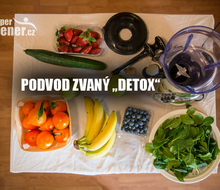
The fact that social networking is a phenomenon of our time probably doesn't need much debate. We look to them for entertainment, but also for inspiration and information. Unfortunately, not all the advice we can read on social networks is really useful and, what's worse, sometimes it's even dangerous to our health. And it's not just celery juice detox, detox teas, slimming belts, magic creams, miracle weight loss coffee, which just so happens to contain amphetamine, which is classified as a drug, but also the craziest diets, calorie restriction, skipping macronutrients and other horrors.

Really don't believe everything anyone writes there. It's sad, but some celebrities would recommend anything for money, and so on social media we can come across products or dietary practices whose use or application is literally a health hazard, and usually costs a lot of money. Therefore, please don't take the number of followers as a relevant indicator of credibility and education and before you buy some guaranteed weight loss product, detox or throw yourself into some guaranteed blogger's weight loss program, check if it really makes sense. Rather than investing the high amounts that products usually cost, invest in good quality healthy food and gym passes and focus on building a sustainable dietary direction instead of crazy diets.
You get too much inspiration on social media
And we'll stick to social media. We often look to them for inspiration, but sometimes we just get too inspired. We want to look like our role models, exercise like our role models, and unfortunately, eat like our role models. However, just because someone eats and exercises one way or another and looks great doesn't mean it will work the same way for you. Some people are comfortable eating 5 times a day, others 3 times. A low carb diet suits some, others can't function on it. Some people can handle exercising 5x a week, for others 3x is too much. What am I saying? Each of us is an individual, a unique person with unique needs. Just because you do everything the way your role model does on social media doesn't mean it will be equally effective on you. It's even very unlikely.
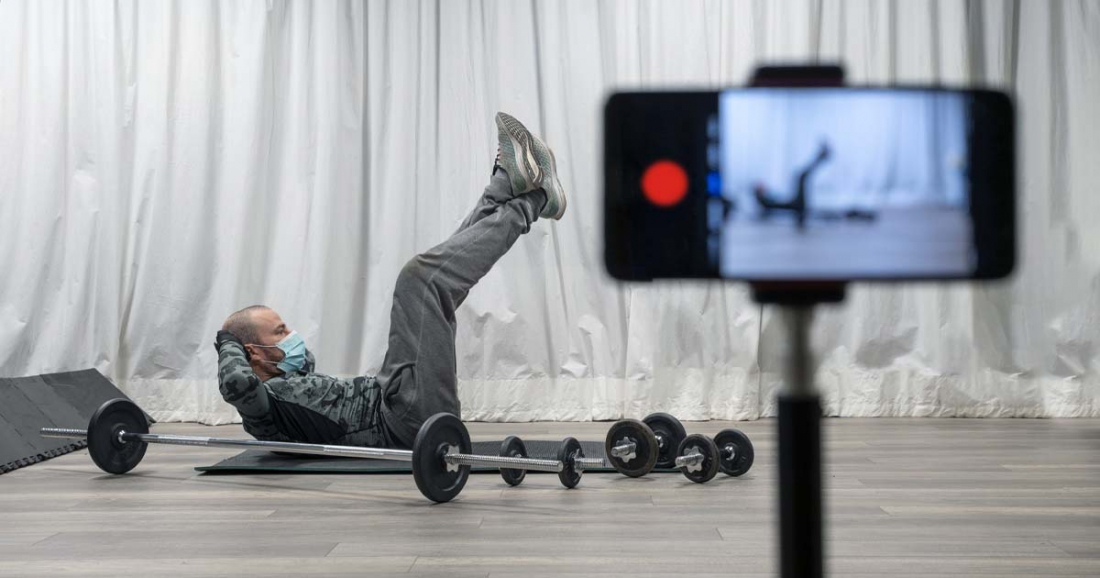
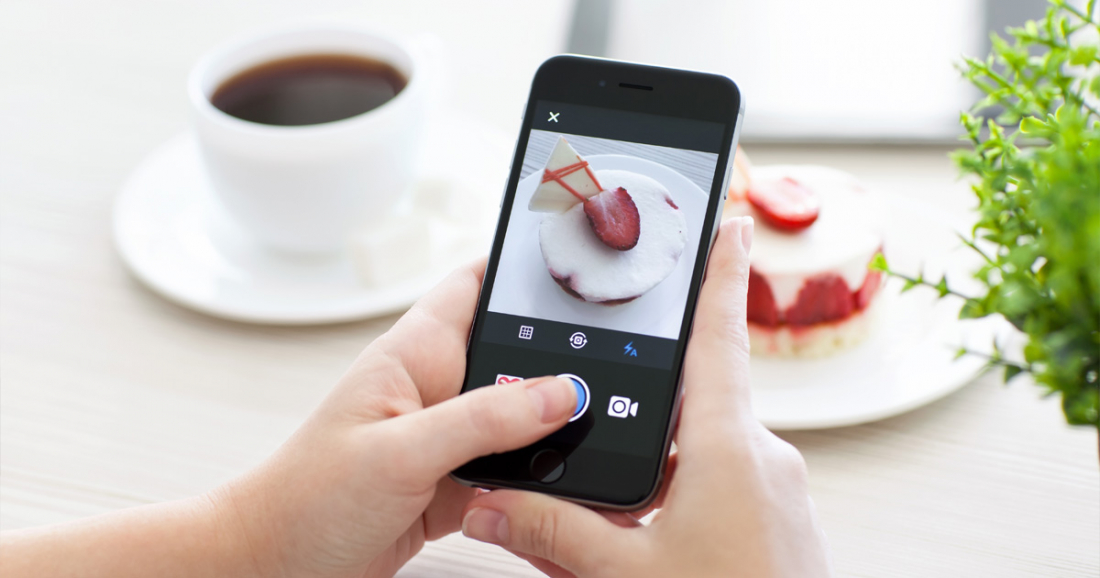
And it's not just individuality, it's also the significant bias that social media simply offers. After all, few people really share everything on them (and that's okay!) and there are even those who don't share reality, but only some fraction of it that they want to show the world and thus look "better" in the eyes of their followers. So just because someone posts a picture on instagram that they eat donuts every day and look great because after all, they are giving their body what it wants and add the hashtag #intuitiveeating doesn't mean they are actually doing it, and it certainly doesn't mean that if they can, you can too and it will have the same results.
Don't focus on how he or she eats or doesn't eat, how he or she exercises and what your insta-role model does. Focus on what fits you. Look for a style of eating and training that best suits you, aligns with your goals, and you'll be able to stick with long-term.
You try every diet
Are you one of those people who has to try every new diet that comes along because you're just looking for the best one? Have you tried low carb diets, blood type diets, pineapple diets, zone diets, or even rice diets, but you can't stick with any of them because they're just too monotonous, too restrictive, or too costly? There's no need to try all the craziness you can find! Because the truth is, there is no miracle or one single universally best diet. All the diets in the world work on the same principle, which is calorie deficit. You don't have to go in any extreme directions, crazy restrictions, diets that focus on eating one food a thousand different ways and the same way, or anything like that. You just need to be able to put together a diet of perfectly ordinary ingredients in a way that respects the principle of caloric deficit and, most importantly, in a way that suits you, that you like food, that you enjoy eating and that is sustainable for you in the long term.
Put on the proven classics - Diet menus or volume menus from Supertrener.cz
Eat according to universal menus downloaded from the internet
If you want to lose weight, but you really don't know your calories, don't know how much to actually eat, how to make a diet, but can't or don't want to spend money on a nutritionist, it might seem like a great idea to follow some universal diet plans from the internet. But there's a major catch. Even if you download a diet plan with the description "reduction diet for a 70 kg woman" and it approximately matches your description, it may not be a suitable diet to follow at all. The problem is that it doesn't take into account any factor of your individuality - height, age, stress level, physical activity, occupation, sleep, and much more. Such a diet may be roughly indicative, but it is never accurate. A woman who is 170 cm at this weight will need a different intake and a woman who is 158 cm will need a completely different one. A woman who is an active athlete will have different values and a woman who does not move much will have different values. Following a one-size-fits-all diet is really not a very sensible idea.
It may happen that the intake in it will be too low, but it may equally happen that it will be too high. It may be that the macronutrient ratios in it are inappropriate for you, or it simply won't suit you. A separate chapter is then devoted to the diets of athletes, stars, models and bloggers. At times, the mind boggles at what people are able to do to lose weight and, worse still, have the courage to share it with others. Because of their fame, reach and often beauty, they are admired and held up as role models. Many people look to them for inspiration, and unfortunately that doesn't always have to be a good idea. So once again - think about the fact that what you see on social media may not be real and that what suits one person may not suit anyone else.
You know what the right way is, but you're looking for a simpler and quicker solution
Most of the time we know exactly what we need to do to get what we want. We know what to give up, what to change, what to start doing, not doing, or what to do differently. We know that the only right way to reduce fat is through proper diet, sports, rest and mental well-being, yet we often don't do it because it all looks so much easier on social media and because we feel like it's going faster for others, at least on the surface. And so instead of doing what we know we should be doing and know is the right way, we look for excuses, shortcuts and magic products.
We look for the miracle diet that will help us shed pounds without work, we look for supplements that we can just eat and they will do all the hard work for us, sports that will sculpt our bodies but won't be demanding. We are looking for coaches and trainers who will take responsibility for the changes we won't make on our own. We look for ways to change our bodies, our lives, or our diets, but we're not actually willing to change anything.
Recommended
Nebbia Fitness overal 5” HAMMIES 603
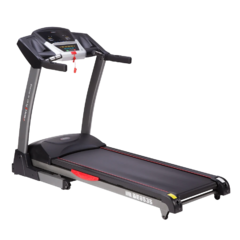
HMS Elektrický běžecký pás BE 8535
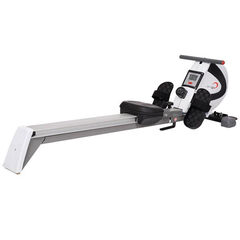
HMS Magnetický veslařský trenažer ZM1801
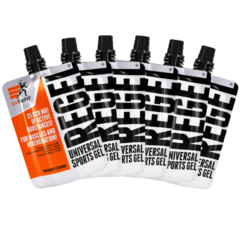
Regel 80g 5+1
That's why we try crazy and extreme diets, buy overpriced weight loss or detoxification products and voluntarily torment our bodies. And it is by looking for even simpler solutions that we make our journeys more complicated and longer. But the basic solution that is offered is often the simplest and best. Yes, seriously, the best way to a healthy body and fat reduction is a healthy and balanced diet with a sensible calorie deficit, the sport we enjoy most, the rest our body really needs and mental well-being. Don't look for shortcuts, fixes, easy solutions or miracle products, there are some things you can't get around and the hardest work will always be up to you.
What to take away from the article?
The internet and social networking are an integral part of our lives. We often find friends, motivation, recipes, inspiration and information on them to help us in our goals or life in general. Other times, however, we may come across things that can harm or even destroy our health. It can be confusing for beginners to know who and what to trust on the internet. Today we've looked at the five biggest pitfalls that the internet, social networks and influencers hide. Don't believe everything you read online or what you see on social media. Follower counts are not a relevant indicator of credibility or knowledge. The real key to fat loss and a healthy body is not miracle drugs and crazy diets, but a healthy diet, sports you enjoy, plenty of rest and mental well-being
Sources:
Das, L., Mohan, R., & Makaya, T. (2014). The bid to lose weight: impact of social media on weight perceptions, weight control and diabetes. Current Diabetes Reviews, 10(5), 291-297. https://doi.org/10.2174/1573399810666141010112542
Dumas, A. A., & Desroches, S. (2019). Women's Use of Social Media: What Is the Evidence About Their Impact on Weight Management and Body Image? Current obesity reports, 8(1), 18-32. https://doi.org/10.1007/s13679-019-0324-4
No posts have been made yet.








