





Relaxation techniques to help you relieve sore muscles!
 Author:
 The gym opened after a long time and for those of us who have not had the opportunity to train with proper weights, it might be a bit more challenging to return to strength training. But anyway - every one of us must have encountered the fact that after a hard, or some new, workout, his muscles were really sore. Today, we're going to look at tips on how to most effectively help ourselves from muscle soreness and what we can do to keep our muscles pain-free.
Theoretical window - why is recovery important and how does muscle pain actually arise?
We've covered how muscle pain arises a few times on our website, so we'll just give a quick recap. During physical exercise, microscopic tears occur in muscle fibres, which then regenerate, allowing muscles to grow and become bigger and stronger. And it's these microscopic tears that make muscles hurt. This process also involves the development of small inflammations. It also drains energy resources and makes us feel tired after a workout. Proper recovery is an essential part of every athlete's training. During the recovery process, however, not only physical forces are restored, but also mental ones. At the same time, the hormonal profile is harmonized and the nervous system is relaxed. The aim of regeneration is therefore to recharge both physically and mentally so that the individual can perform at his or her best. Over time, overloading without sufficient regeneration can lead to disorders and even degenerative changes in the musculoskeletal system.
If we overdo it with training or try a new activity that we are not used to, muscle soreness can occur. Muscle pain is also caused by a build-up of lactic acid in the muscles, which is produced when glucose breaks down. The lactic acid normally returns to the liver where it is converted back into glucose. With increased exertion, it is not removed from the muscles and forms small crystals. When lactate (lactic acid) is overproduced, the pH drops and metabolic acidosis occurs, which is responsible for pain. Muscle pain can also arise as a result of prolonged stress. Pain can of course be prevented through sensible training choices and adequate recovery between training units, but hand on heart, who amongst us hasn't had sore muscles because we simply overdid it in the gym, right? So let's take a look together at the easiest ways to help ourselves from sore muscles.
1. Massage gun
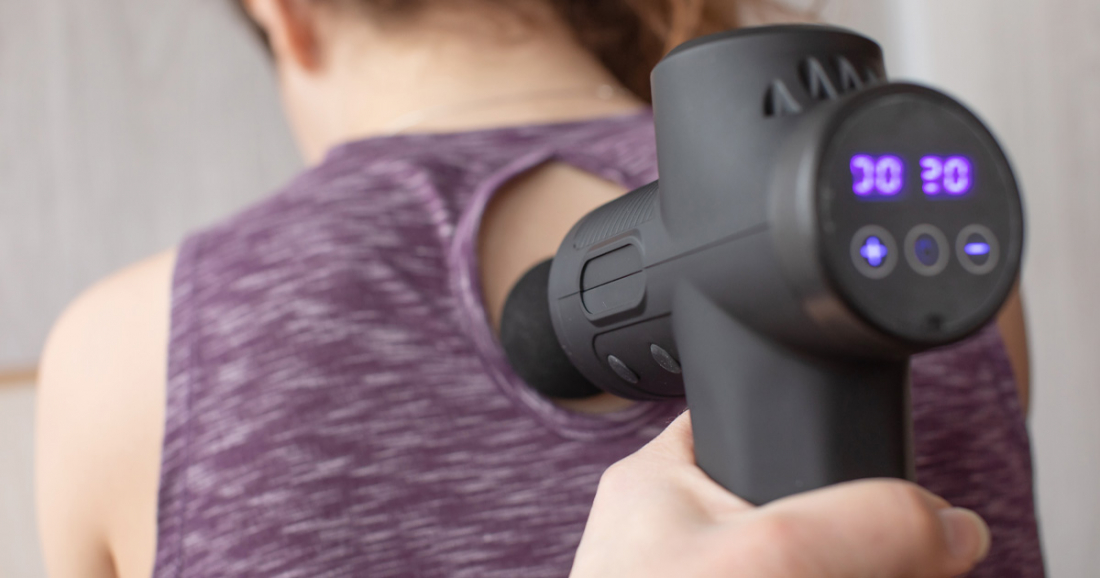
Massage guns are quite a hit right now - make no mistake, this nifty little thing is a great tool not only for top athletes, but for us recreational exercisers as well. You've probably already registered massage guns, and we even dedicated a whole article to them quite recently, in which we explained what they are, who can use them, how to choose the right one and what they are actually used for. If you are struck by some muscle pain, a massage gun is exactly the right device to reach for and can bring you relief after just a few minutes.
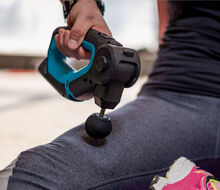
The pistols provide a so-called tapping massage. The head of the massage guns, which is usually driven by a very efficient motor, is able to produce several dozen small strokes per minute, at a frequency that we set ourselves, and thanks to this it massages stiff muscles properly. The advantage over a conventional massage is that you can enjoy the massage at home, so that you feel comfortable, and at the same time the stiff area is massaged much faster. Which is definitely not to denigrate good old-fashioned manual work by massage therapists!
2. Foam Roller
Another handy helper that can provide relief from sore muscles, and in the comfort of your own home, is the foam roller. Foam rollers are no longer a novelty nowadays, and every other fitness buff has one as an essential piece of equipment in their workout bag. Many athletes, and not only from the ranks of fitness enthusiasts, are discovering its positive effect on rehabilitation and recovery processes. Foam rolling is a great way to indulge in soft tissue massage (the so-called self-myofascial release (SMR) technique) - anywhere, anytime. While a moment of rolling can be quite self-crushing at times, if you roll correctly, rolling can help loosen tight and stiff fascia around muscle cells and you will feel great relief in the end. Many people tend to rush when rolling and perform the movements quickly because rolling is sometimes quite painful, so they want to get it over with as quickly as possible. This is a mistake! The more the area hurts, the more time you need to spend rolling it to get it to relax - but with reasonable intensity, of course! Because if you massage the sore area for too long and too intensely, you can easily increase the pain and prolong the recovery time. In the worst cases, bruising or contusions can result.
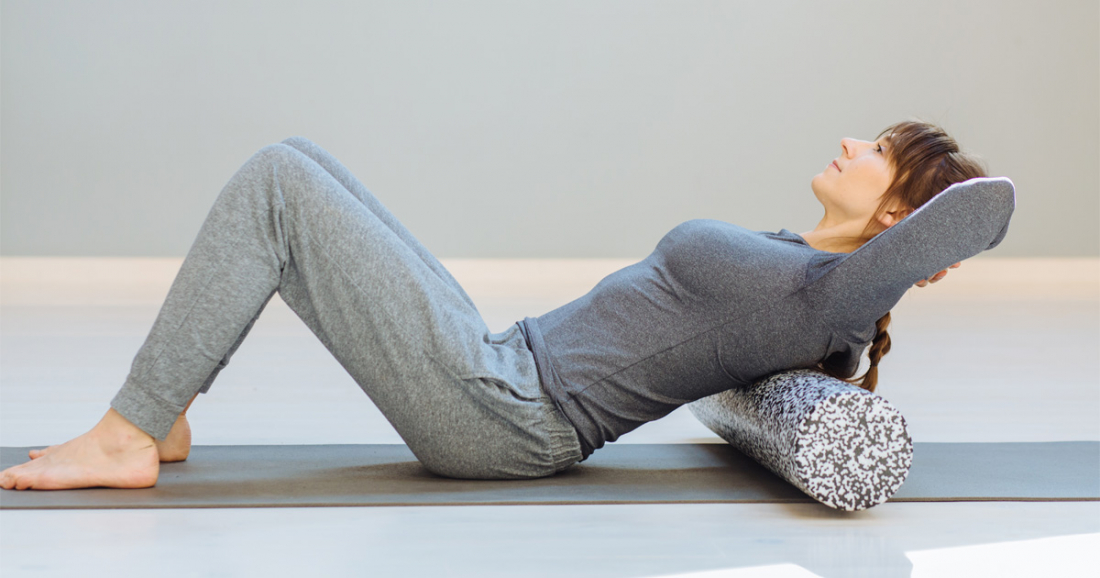
Foam roller is a tool that can be used both in the pre-workout phase to prepare the muscles for the load, and as an aid to start the recovery process after it is over. The foam roller is also an aid to help you relax and feel mentally at ease after a hard day (meaning not only after a workout), and of course it can also help with relaxing stiff and sore muscles. Even in the case of the roller, you have a plethora of options to choose from in terms of hardness, shape or structure. If you've never used a roller before, get a softer one first and gradually increase the hardness. Choosing a roller that is too hard is more likely to hurt you.
3. Sauna
Sauna bathing is another very popular activity - not when it has so many health benefits! Not only is a sauna great for warming up your body in winter, but you can benefit from its effects all year round. As well as boosting immunity and relaxing the mind and stiff muscles, the sauna offers many other benefits, including those for athletes. After just a few minutes in the sauna, the body can warm up and relax beautifully, and blood circulation is increased. Sauna sessions also promote the production of important hormones, rid the body of toxins and boost the health of the cardiovascular system.
Scientific studies show that just 10 minutes of sauna time after sports significantly contributes to muscle recovery and can help the body prepare for the next demanding workout. Sauna bathing increases body temperature, dilates blood vessels and increases blood flow. Due to the increased blood flow, all nutrients are distributed to the last capillary of the stressed, tired and strained muscle. Sauna bathing can also be beneficial in relieving the symptoms of joint pain. To make matters worse, sauna bathing can, along with all the health benefits, also improve your physical fitness. It is important to say, however, that it is not advisable to visit the sauna immediately after a workout - the sauna "depletes" the water from the muscles, dehydrating them and preventing their growth. It is therefore better to have a sauna at a distance from the training, or rather on a non-training day.
Recommended
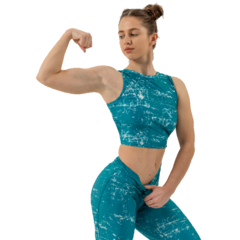
Nebbia Crop top tílko ROUGH GIRL 617
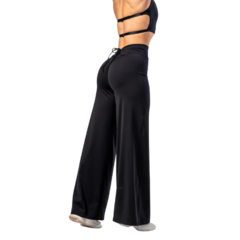
Nebbia Deni x NEBBIA Flared kalhoty s vysokým pasem 312
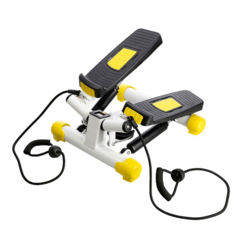
HMS Twist stepper s lanky S 3033
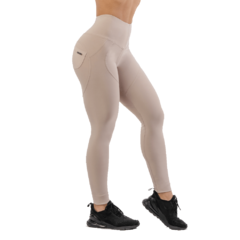
Nebbia Lifting Effect Bubble Butt legíny s vysokým pasem 587
4. Light stretching
Stretching can not only be a way to relieve muscle pain and achieve muscle relaxation, but above all it can serve as a very effective prevention! Stretching is divided into static and dynamic. Dynamic stretching is an active movement to warm up the muscles and joints and prepare the body for the load. This type of stretching will raise the heart rate and should precede every workout, not only in the gym, but also before running, skating and other activities. Thanks to it, we will prepare our muscles for the load and besides being more efficient, we will increase the range of motion and what is more important - warming up before training is an effective prevention against injuries!
Static stretching should follow the workout. As its name implies, it is a kind of "calm" stretching, without much movement. In English, this type is referred to as cooldown. But hand on heart, few of us feel like stretching after a workout, do we. Well, but stretching after a workout can help to improve blood circulation, which helps to supply the muscles with oxygen and nutrients, and this can eliminate lactic acid production and fundamentally boost recovery processes. If your muscles are already sore, a light stretch can help ease the pain and stiffness - the important thing is to perform the movement judiciously and only to a light tension.
5. Massage
Classical massage is another type of therapy you can use for muscle pain or stiffness. Massage techniques have been used by people all over the world as a means of natural healing for mental and physical ailments for thousands of years. Scientific studies show that massage therapy improves the function of the lymphatic system, helps regulate hormone levels, and can be effective in preventing many injuries. During massage, blood circulation is improved, which results in a better supply of oxygen and nutrients to the muscles, which can provide relief when muscles are already aching.
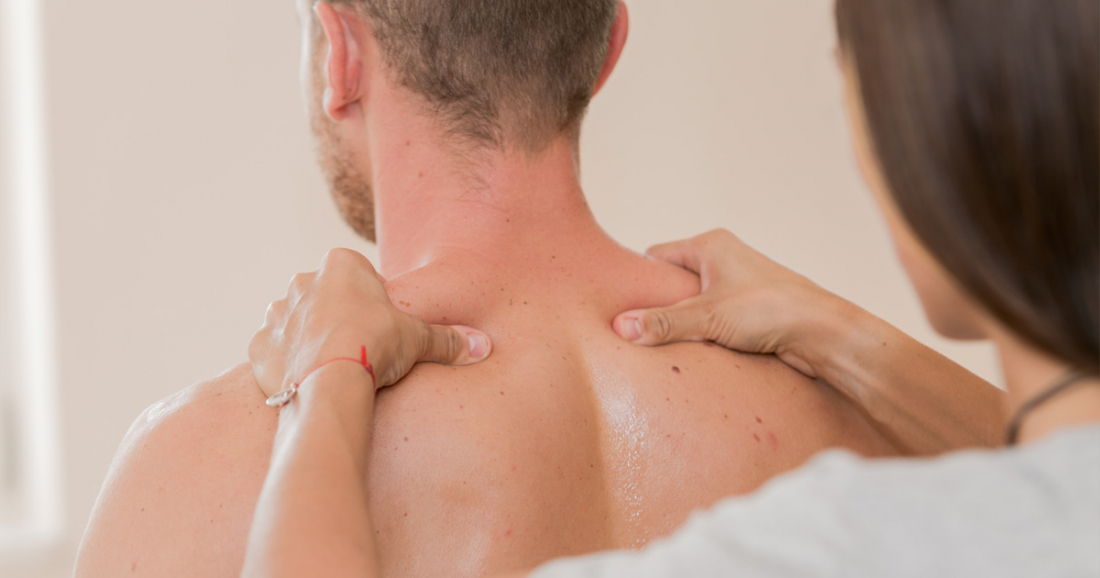
In addition, studies show that for athletes, regular massage can boost athletic performance and help prevent injuries. During massage, blood flow to the muscles occurs, which is an effective prevention against muscle shortening. In addition, massages have the effect of increasing joint range and can also affect flexibility. Massages help the body to relax and recover better (physically and mentally). Of course, all the benefits of massage therapy are only valid if you attend regular treatments. If you are a top athlete, have back or cervical spine problems, or a sedentary job, massage should be on your schedule once a week. In most cases, however, it is sufficient to treat yourself to a massage once every 2-3 weeks. This is because a massaged muscle is said to last in good condition for about 14-21 days, after which it will start to return to its original phase, hence the need for regularity.
6. Flasks
As another type of therapy that provides very effective relief from painful and stiff muscles are flasks. Cupping, or vacuum therapy, is a method of alternative medicine that has been used for centuries to treat injuries and as a means of providing relief from musculoskeletal pain. The essence of cupping is the application of cups of different sizes, shapes and materials to various areas of the body. Air is then sucked out of the flasks and the resulting vacuum allows the volume of skin and subcutaneous tissue under the flask to be sucked in. Thanks to the vacuum, the area is very well blooded and after removing the flask, a circular bruise is left as a reminder. The bruises are usually not painful and are accompanied by relief from the initial tightness or pain. The advantage of the flasks is their ease of application and the great effect of the treatment, which is often seen immediately after the removal of the flasks themselves, or even during the procedure.
Thanks to cupping it is possible to eliminate back, muscle and joint pain. The flasks effectively warm and blood the tissue, which leads to relaxation and myofascial pain disappears. In the case of joints, synovial fluid secretion is increased and cupping also removes spasms around the affected joint. However, the flasks are also effective in treating migraines, diabetes, hypertension, digestive problems, gout, gallbladder problems and can alleviate the symptoms of cellulite. To make matters worse, they support lymphatic and blood circulation. Their effect on the immune system is also worth mentioning, and they are even used in some countries to treat respiratory problems and upper respiratory tract diseases.
7. Proper nutrition and hydration
An integral part of adequate recovery is, of course, an adequate diet and drinking regime. If we are suffering from sore muscles, we need to provide the body with enough energy for their recovery. So don't be afraid to increase your intake of complex carbohydrates for a few days and of course don't forget to get enough protein. Needless to say, the main priority at a time like this should be to take in nutrients of the highest quality - so no semi-processed, fast food, over-processed foods, but foods in the freshest and least processed form possible. Of course, this does not mean that you have to eat only rice and meat. On the contrary, eat as varied a diet as possible to provide your body with a wide variety of nutrients. Most of the above techniques help blood flow and better transport nutrients to sore muscles, but it is essential to provide your body with the highest quality energy possible. You can also include appropriate supplements - for example, magnesium.
Don't forget to drink enough, which is an integral part of health but also plays a role in the recovery process. A sufficient drinking regime is essential to ensure an optimal internal environment, which is essential for regeneration. Water is lost from the body during exercise and if you do not replenish it sufficiently during or after training, your muscles will suffer. In addition, sufficient hydration helps to reduce the feeling of fatigue and helps to better transport nutrients.
8. Cold water therapy or contrast shower
The method most commonly seen among elite athletes is to immerse themselves in a tub of cold or even ice water after exercise. Due to the cold immersion, nerve conduction to the brain is slowed down, resulting in you essentially feeling no pain. If you don't feel like taking a cold bath, you can also use a 'contrast shower' - alternating intervals of soaking in warm and cold water. You will have noticed the boom in the field of hardening, so it is probably not surprising to hear that the application of these methods is also a very effective support for the immune system.
9. Active regeneration
Movement is medicine, literally. Active recovery usually involves doing some type of aerobic exercise, for example: cycling, light trotting, walking, or swimming. Aerobic activities facilitate recovery at both the muscular and nervous system level. Active recovery is often considered the best way to recover. This is due to the fact that during exercise (albeit low-impact), blood flow to the muscles being used is increased, oxygen supply is increased, and as a result, accumulated lactate and other metabolic waste products are flushed out more quickly. In active recovery, you do not go to maximum power, but perform activities at about 60 - 70% of your maximum heart rate. At the same time, it shouldn't be much less altogether so that lactate and other unwanted substances responsible for muscle soreness and fatigue can be flushed out. Active rest plays a big role in minimizing delayed onset muscle soreness called DOMS.
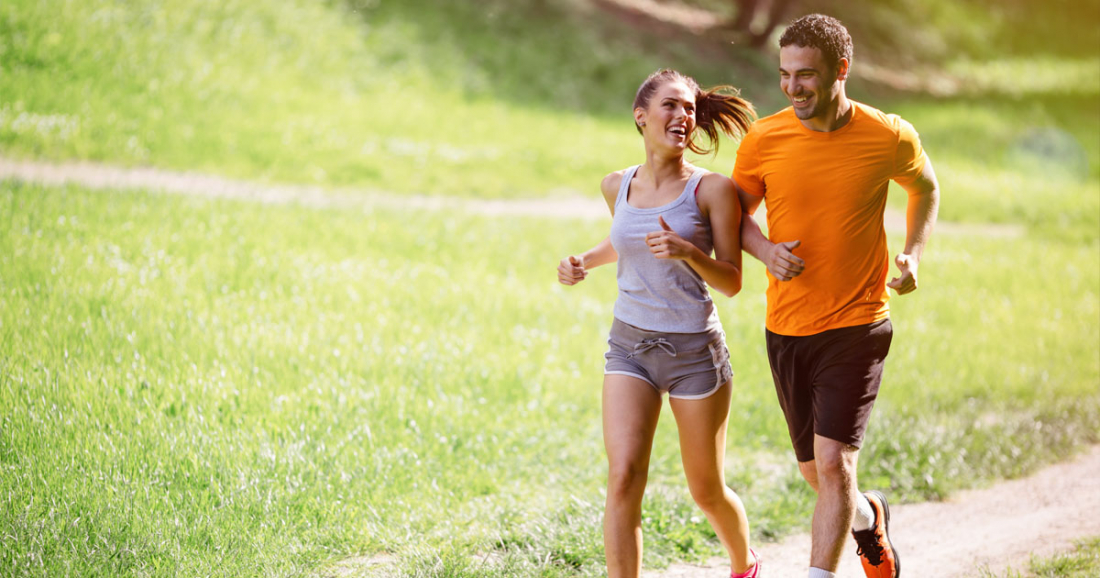
However, flushing out lactate is not the only benefit of active rest. Another benefit is the improvement of mobility, which especially in strength athletes can be a bit lame, and last but not least, active rest obviously has a positive effect on strengthening fitness. Maybe aerobic exercises are not two-time favourites in your training plan, but they have their essential role, especially if you want to train frequently and intensively. You don't just need to use aerobic activities for active recovery. Feel free to go for a lighter workout at the gym and do some circuit training with minimal or ideally no weight at all. The key factor in training as active recovery is that it must be limited in intensity. For example, it is ideal to use your own weight, light dumbbells or resistance bands.

What to take away from the article?
Muscle pain happens to every athlete once in a while. Excessive load, unusual movement or lack of recovery can be to blame. Today, we've looked at effective techniques that can alleviate pain and muscle stiffness or eliminate it altogether. If pain catches you out, it's important to give your body plenty of quality nutrients, water and quality sleep. You can also benefit from light stretching, active recovery, a massage gun, massage or even a sauna. It is important not to overdo it with training, muscle soreness is not uncommon and often not serious, but it does not have to happen at all - warm up well before training, choose a reasonable load during training, curb your ego and think about your health. We only have one and there is no need to destroy it unnecessarily.
Sources:
Draper, N., Bird, E. L., Coleman, I., & Hodgson, C. (2006). Effects of Active Recovery on Lactate Concentration, Heart Rate and RPE in Climbing. Journal of sports science & medicine, 5(1), 97-105.
Barnett A. (2006). Using recovery modalities between training sessions in elite athletes: does it help?. Sports medicine (Auckland, N.Z.), 36(9), 781-796. https://doi.org/10.2165/00007256-200636090-00005
Kim, K., Park, S., Goo, B. O., & Choi, S. C. (2014). Effect of Self-myofascial Release on Reduction of Physical Stress: A Pilot Study. Journal of physical therapy science, 26(11), 1779-1781. https://doi.org/10.1589/jpts.26.1779
Peacock, C. A., Krein, D. D., Silver, T. A., Sanders, G. J., & Von Carlowitz, K. A. (2014). An Acute Bout of Self-Myofascial Release in the Form of Foam Rolling Improves Performance Testing. International journal of exercise science, 7(3), 202-211.
Castro-Sánchez, A. M., Matarán-Peñarrocha, G. A., Granero-Molina, J., Aguilera-Manrique, G., Quesada-Rubio, J. M., & Moreno-Lorenzo, C. (2011). Benefits of massage-myofascial release therapy on pain, anxiety, quality of sleep, depression, and quality of life in patients with fibromyalgia. Evidence-based complementary and alternative medicine : eCAM, 2011, 561753. https://doi.org/10.1155/2011/561753
https://www.verywellfit.com/after-exercise-does-an-ice-water-bath-speed-recovery-3120571
Mooventhan, A., & Nivethitha, L. (2014). Scientific evidence-based effects of hydrotherapy on various systems of the body. North American journal of medical sciences, 6(5), 199-209. https://doi.org/10.4103/1947-2714.132935
No posts have been made yet.








