





Discover the benefits of active recovery and improve your performance!
 Author:
 Whether you're a top or recreational athlete, you shouldn't forget about proper recovery. Athletes often take recovery lightly, either because their career or season doesn't give them a choice or simply because they enjoy the exercise or sport they do so much that they don't realizehow important an aspect they're neglecting. However, sooner or later,this overexertion takes its toll - it can be injury, overtraining, exhaustion or even dislike of training. Just like training or nutrition, recovery practices evolve. Today, it's no longer about sitting on your butt all day, in fact it may be the least useful approach today.
Article Content:
- What is recovery anyway?
- What are the methods of regeneration?
- What is active regeneration anyway?
- Other ways of active regeneration
- How to nutrition during active rest?
- What to take away from the article?
What is regeneration?
In order to feel the regeneration process, we first need to go through physical exercise. During physical exercise, microscopic tears occur in the muscle fibres, which are then rebuilt, making the muscles grow and become bigger and stronger. And it is this recovery that allows them to handle further workouts more easily. This process also involves the development of minor inflammation. In addition , energy resources are depleted, which makes us feel tired after a workout.
Optimal recovery is a must for every sports person who wants a certain performance from their body. However, during the recovery process, not only physical strength is restored, but also the psyche, hormonal balance is established and the nervous system is relaxed. The aim of rest days is therefore to recharge physically and mentally so that the individual can perform at his best. Over time, overloading without sufficient recovery can cause disorders and even degenerative changes in the musculoskeletal system.
What are our methods of recovery?
There are a number of popular methods used by athletes to improve recovery. How many days a week you need to rest is purely subjective. The answer depends on many factors such as sleep, age, training load, training intensity, fitness level and other external stressors that can affect the athlete. For professional athletes, the facilities of their club, or the level of training and staff, also play a role.
Ego also plays a role, as a bunch of especially novice exercisers have it set in their heads that the more they work out, the more muscle they will have. When your body is begging for rest, give it to it. During rest days, you should make sure to get enough sleep. There are also two basic types of recovery - active and passive. And we can use a variety of techniques for regeneration - among the most popular and most used are:
- hydrotherapy
- active regeneration
- stretching
- yoga
- compensatory exercises
- massages
- sleep
- nutrition
We have already discussed sleep, stretching, massages, sauna and other rather passive regeneration techniques several times on the web, so in this article we will focus specifically on active regeneration, talk more about why it is so much praised, what benefits it offers, how to explain this concept and what is actually important to do during active rest.
What exactly is active recovery?
Active regeneration generally consists of aerobic exercise, which can be done in different variations such as cycling, light trotting, walking, or swimming. Active regeneration is often considered a better method for quality recovery than passive regeneration.This is precisely because during active movement (albeit unrestrained) , blood flow to the muscles being used is increased, which results in faster flushing of accumulated lactate and other metabolic waste products through increased oxygen supply.
Active recovery is usually accomplished through low-intensity, yet high enough intensity activities (about 60-70% of maximum heart rate) to allow lactate and other unwanted substances responsible for muscle soreness and fatigue to be flushed out. Active rest plays a big role in minimizing delayed onset muscle soreness called DOMS.
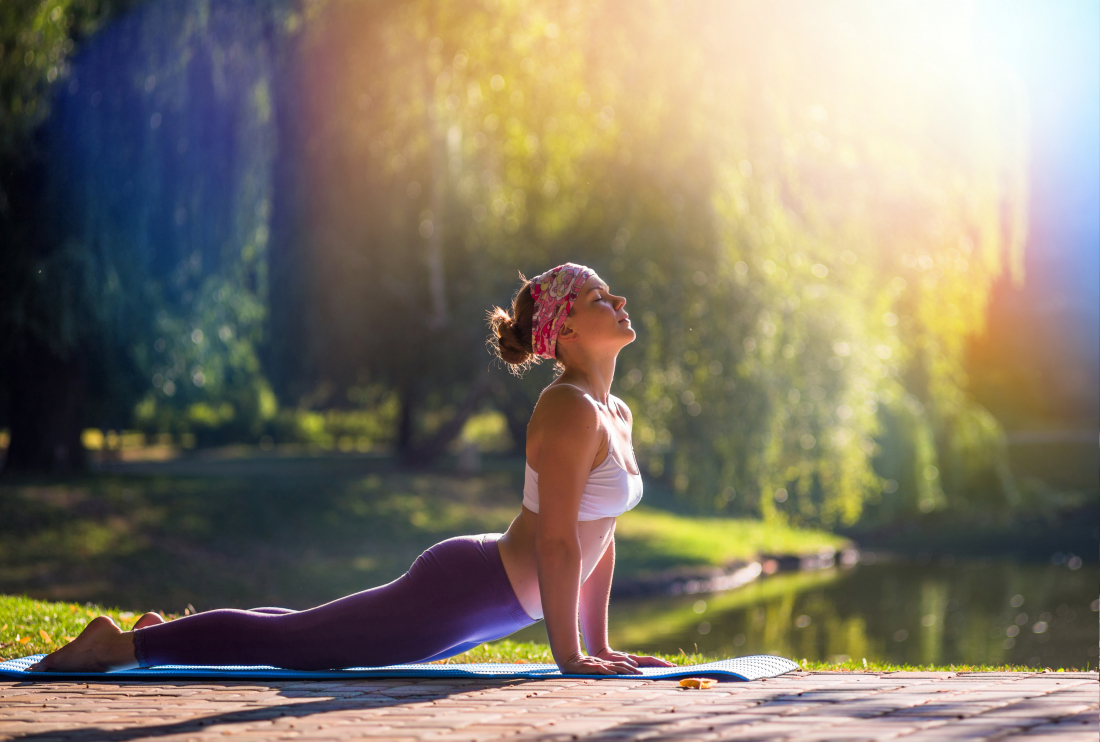
Muscle pain is caused by lactic acid build-up in the muscles. The lactic acid molecules break down in the blood and create hydrogen ions that lower the pH of the blood - which in turn causes something called metabolic acidosis, which leads to the pain you feel during exercise and subsequently during DOMS. That's where active rest comes into play, because it can help "clean up" this lactic acid through increasing the metabolic rate that generates lactate oxidation. That's why relaxing after a hard workout with some light technique like pedaling a bike coupled with mobility is so valuable for reducing the effects of DOMS and allowing you to perform at similarly high levels throughout the week.
However, lactate flushing is not the only benefit of active rest. Another benefit is improved mobility, which especially in strength athletes can be a little lame. If we choose appropriate activities, we can work very effectively during active recovery just to increase mobility and flexibility. Not only will this help us feel better, but if we choose appropriate exercises, it can also improve our overall quality of movement and mobility.
And last but not least, active rest has of course a positive effect on improving fitness. Aerobic exercises may not be two-time favourites in your training plan, but they have an essential role to play, especially if you want to train frequently and intensively. Aerobic activities facilitate recovery at both the muscular and nervous system levels. There is a close connection between the aerobic system and the parasympathetic nervous system, so incorporating active rest can also play a big role in influencing the nervous system.

You don't have to use only aerobic activities for active recovery. You can go to the gym for a lighter workout and do some circuit training with minimal or ideally no weight. The key factor in training as active recreation is that it must be limited in intensity. The ideal is to use your own weight, light dumbbells or perhaps resistance bands. Use complex rather than isolated exercises. Choose exercises such as squats, lunges, push-ups and the like. Such exercises will get the blood flowing and oxygen circulating, but they will also help eliminate muscle stiffness and soreness so you can return to intense workouts much more quickly.
Other ways of active recovery
Stretching or stretching?
Although stretching is one of the most widely used techniques to loosen muscles, there are only a small number of studies that have looked at what effect stretching actually has on muscle relaxation. However, the truth is that if you stretch well after a workout, you can reduce or completely eliminate muscle stiffness and improve muscle recovery. Stretching is a progressive method used primarily to stretch shortened muscles and secondarily to significantly increase mobility in the joints. It is a modification of compensatory exercise, which is based on the principle: isometric muscle tension - perfect relaxation, relaxation - stretching. Athletes have shortened muscles, especially after exertion, and they are often stiff and, due to metabolic causes , swelling often occurs in the interstitial space. Stretching can be facilitated in a number of ways, e.g. by massage, various methods of warming up, with consequent dilation of blood vessels and improved flow. You can also use a foam roller for stretching , which we have dedicated an entire article to.
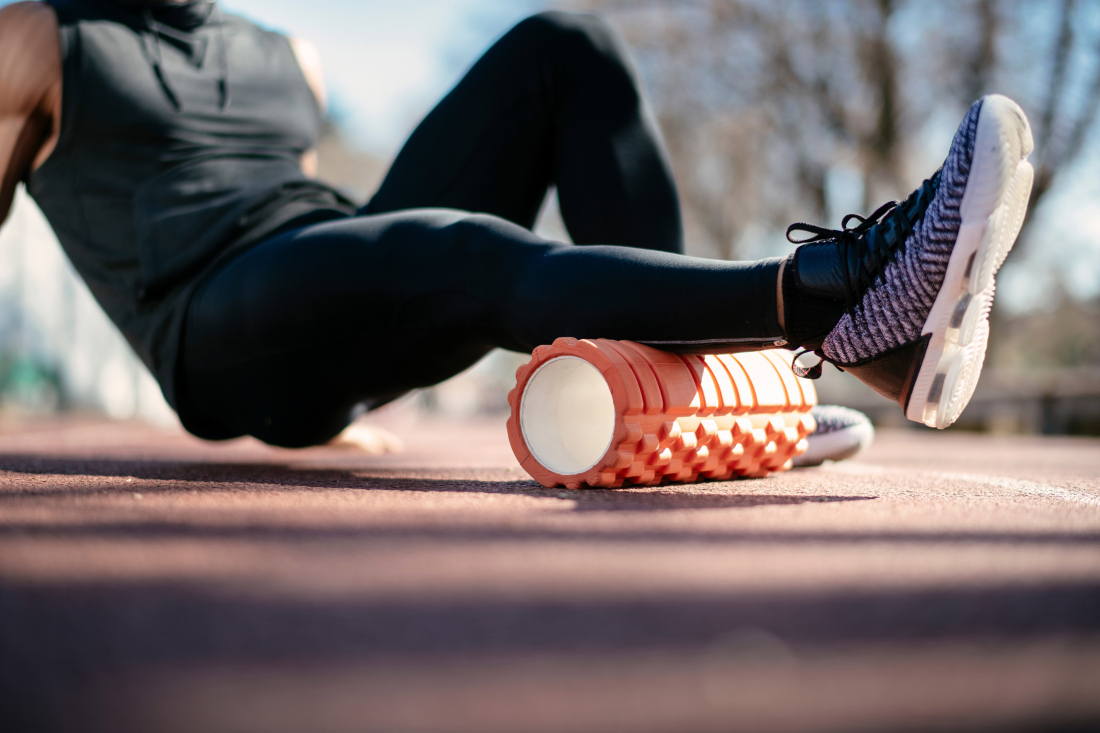
Compensatory exercises
The approach to this type of exercise varies depending on the point of view - from a coaching point of view, compensatory exercise is seen as a complementary activity, while from a physiotherapy point of view, it is a defined exercise routine aimed specifically at individual muscle groups.A specific form of compensation can be a correctly chosen other sporting activity, i.e. one that primarily involves those muscle groups that are not used or are used incorrectly during sport. In addition, the choice of another activity tends to be mainly a psychological relaxation. Especially for young athletes, compensatory exercise is a guarantee of proper development and also a prevention against the development of muscle imbalances that could remain fixed and cause serious damage later in life.
Swimming, water exercise and hydrotherapy
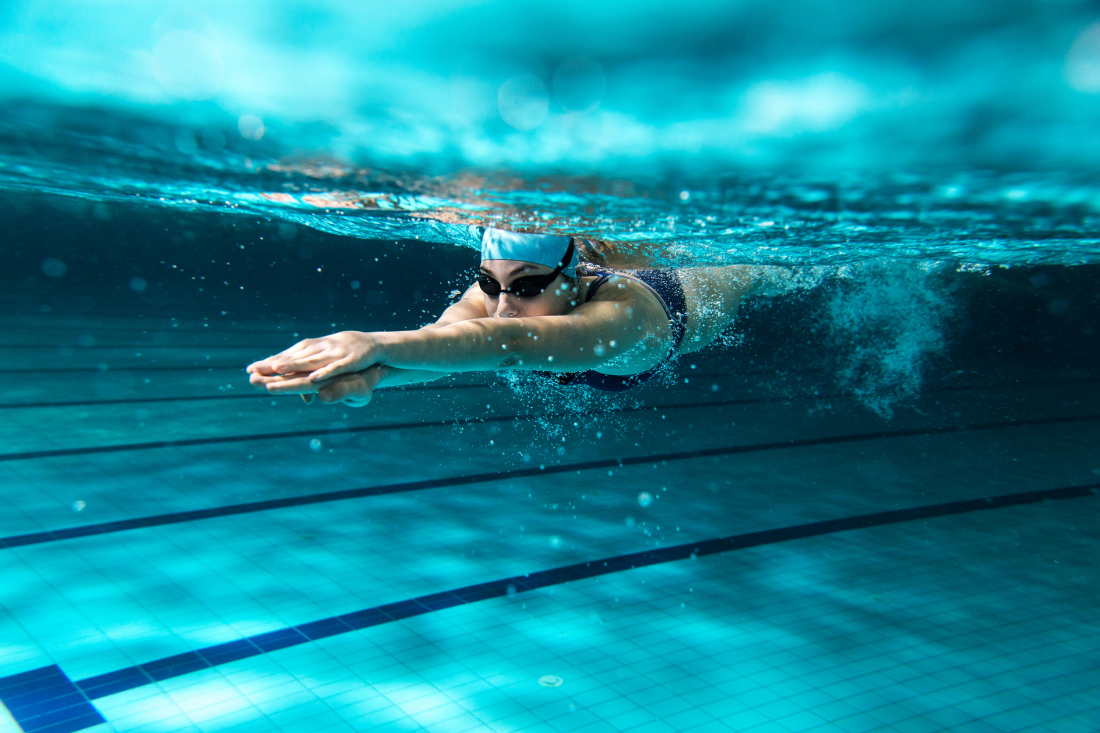
Water not only has a beneficial effect on the body from the inside, but is also very good for the musculoskeletal system. Water lifts us up, thus reducing our body weight and allowing effective exercise even for overweight people. Water reduces the load that is placed on the entire support and musculoskeletal system, especially the spine and joints. The human body responds to immersion in water by changes in heart rate, changes in blood flow, and changes in skin, ligament and muscle temperature. These changes in blood flow and other temperature responses can block inflammation, boost immune function, and reduce muscle pain and the perception of fatigue. Various forms of water immersion are becoming increasingly popular with elite athletes, particularly in the form of aqua therapy, but also to increase fitness through various water exercises such as aquajogging or aqua aerobics.
Of course, swimming is also a good exercise and one of the best ways of active regeneration. We have also dedicated a whole article to it. All kinds of exercises in the water are a dynamic form of movement, in which about one sixth of all skeletal muscles are actively used . During the movement, the muscles are not in constant tension, but alternate between tension and relaxation, which is characteristic of cyclic movement. If water exercise is practised regularly and over a long period of time, the body gradually adapts to the load and this has a positive effect on the autonomic system, blood circulation, heart, muscles, ligaments and joints. This results in an increase in performance.
What about nutrition during active rest?
An extremely important part of the recovery process is proper post-workout nutrition. After strength training, we should take protein 30 minutes apart , and after about 60 minutes a solid diet in the form of an easily digestible, non-fatty protein source and a dose of complex carbohydrates. If you are not a top bodybuilder, you do not have to be completely concerned with the spacing of your meals. Similarly, if you're not using protein, simply skip this step and go straight to solid food, but leave your body at least 60 minutes apart from your workout to give it time to kick-start the recovery processes. So what to focus on nutritionally? Actually, you just need to follow the basics that you all already know very well.
Enough protein
Every athlete, whether strength or endurance, needs to take in more protein than inactive individuals. From our articles on protein, we already know that protein intake for athletes can range between 1.5g - 3g per kilogram of body weight. You can use meat, dairy, eggs, protein, but also plant sources, but it is better to combine them together for ideal utilization. Sufficient protein is important for muscle growth and subsequent muscle protection.
Carbohydrates
Athletes should definitely not skip carbohydrates. Use carbohydrates strategically to support your workout by placing them in meals before and/or after your visit to the gym or other sports venue. Consuming them in the pre-workout period will help ensure high energy levels and allow you to train at a high intensity, while consuming carbohydrates in the post-workout period will increase glycogen resynthesis, aid better recovery, and better prepare you for the next training load. In both cases, focus on sources of complex carbohydrates instead of simple sugars.
Hydration
Water is one of the most important elements of human life and dehydration has a negative impact on health, performance and recovery. Don't forget to replenish fluids during active rest and don't be afraid to reach for a sugar-free hydration and recovery supplement, perhaps with added electrolytes or minerals, so you can reap the added benefits these substances provide to the body.

Dietary supplements
Of course, you can also take advantage of dietary supplements to support recovery , which can help you start the recovery process very effectively. You can use supplements such as a multivitamin, omegas 3, glutamine, protein, possibly BCAA and others.
What to take away from the article?
Recovery is a much underrated component of the training process. Whether in the case of professional athletes or recreational exercisers, regardless of the sport they are involved in, recovery should stand alongside training and nutrition. These three pillars are complementary in the training process and all three are equally essential.
If we don't devote enough time to recovery, sooner or later the body will ask for rest on its own, and in a worse case scenario, there could be fatal consequences that could cut you off from the sport for good. If the idea of a "rest day" and lying in front of the TV scares you, you can breathe a sigh of relief - it turns out that active rest techniques are much more effective, whether for relaxing the muscles, the nervous system, and even have the effect of increasing fitness, which will lead to better sports performance! Go for a run, a bike ride, a walk, or play a team sport with friends. Sometimes you just need to "ease off the gas" a little so you can start off stronger.
Recommended
Nebbia Fitness tílko FLEXIN' 360

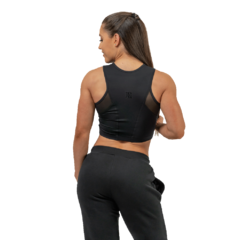
Nebbia Dámský crop top s vysokou podporou INTENSE Mesh 842
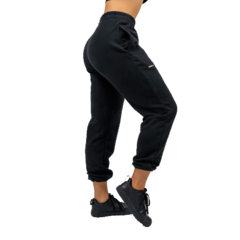
Nebbia Sportovní volné tepláky GYM TIME 281
SOURCES:
http://www.ncbi.nlm.nih.gov/pmc/articles/PMC3818679/
https://www.ncbi.nlm.nih.gov/pubmed/16937953
https://www.ncbi.nlm.nih.gov/pubmed/18274940
https://www.ncbi.nlm.nih.gov/pubmed/18058595
https://www.aspetar.com/journal/viewarticle.aspx?id=182#.XZtWYC3ypQI
https://www.ncbi.nlm.nih.gov/pubmed/20809231
https://www.ncbi.nlm.nih.gov/pubmed/16937951
Dovalil, J. et al. Performance and training in sport. Prague: Publishing house Olympia,a.s., 1st edition, 2002.
https://boxlifemagazine.com/active-recovery-the-difference-between-rest-days-and-recovery-days/
No posts have been made yet.








