





How to return to training after an injury? We have a complete guide for you!
 Author:
 Injuries can be waiting for us literally at every corner, not only in the world of sport, but also outside of it. For avid athletes, however, some time away from exercise can be even more depressing, and after recovery they often rush into all sorts of activities unnecessarily quickly, which can be counterproductive. So in this article we bring you a complete guide to getting back into training after injury.
Article content:
- The most important thing is the correct head alignment
- Return to training is not a race
- Respect your injury
- Modify your training
- How do you get into training?
- Don't forget about proper nutrition!
- What should you take away from this article?
The most important thing is proper head alignment
If all you were expecting in this article was some mindlessly put together training plan to stick to after a few months off, you are mistaken. While we will of course present some specific tips on how to get back into training later on, it's important to note at the outset what many athletes don't even realize before an injury. This is because the biggest problem is often how your mindset is set as an athlete. Let's take a look at a few things to be aware of:
Returning to training is not a race
If you've been out of training for an extended period of time, it's logical that you're looking forward to getting back into the gym. But it's a good idea to slow down and do all the exercises mindfully. After all, your goal shouldn't be to get back to your original level as quickly as possible, but to get back as fast as your body will allow. If you accidentally rush your return and your original complications return, it will slow your progress much more than if you return gradually. At the same time, despite the claims of some well-known athletes, it's a good idea to respect the recommendations of your doctors in this regard, who probably have a more accurate estimate of your recovery time than, say, your gym buddies.

Injuries are not uncommon in sport. But it's good to be cautious about returning to training.
Respect your injury
Of course, many athletes are fixated on the need to continually improve their performance, so it can be quite depressing for them to think that their post-surgery performance is much worse and they still aren't making any significant progress. This is where it is advisable to re-evaluate your perception of the sport, because especially after major surgery it may well be that your performance will never be the same again. On the other hand, if you are not a professional bodybuilder or powerlifter, you probably don't have to be too bothered by the deterioration of your performance on specific exercises.
Modify your training
If you've had hamstring surgery, for example, you can't expect to be able to pull off the same workout you did before your injury. Following on from the previous paragraph, however, it's worth adding that weight on the barbell isn't quite everything. Try swapping out heavy squats for lighter squats, for example, and focus more on technique, adding a pause at the bottom of the exercise, doing more reps, or modifying the exercise in other ways so that you still enjoy it but don't make it your priority to get the most weight on the barbell. This way you avoid putting too much strain on your joints, but at the same time you don't deprive yourself of your favourite exercises.
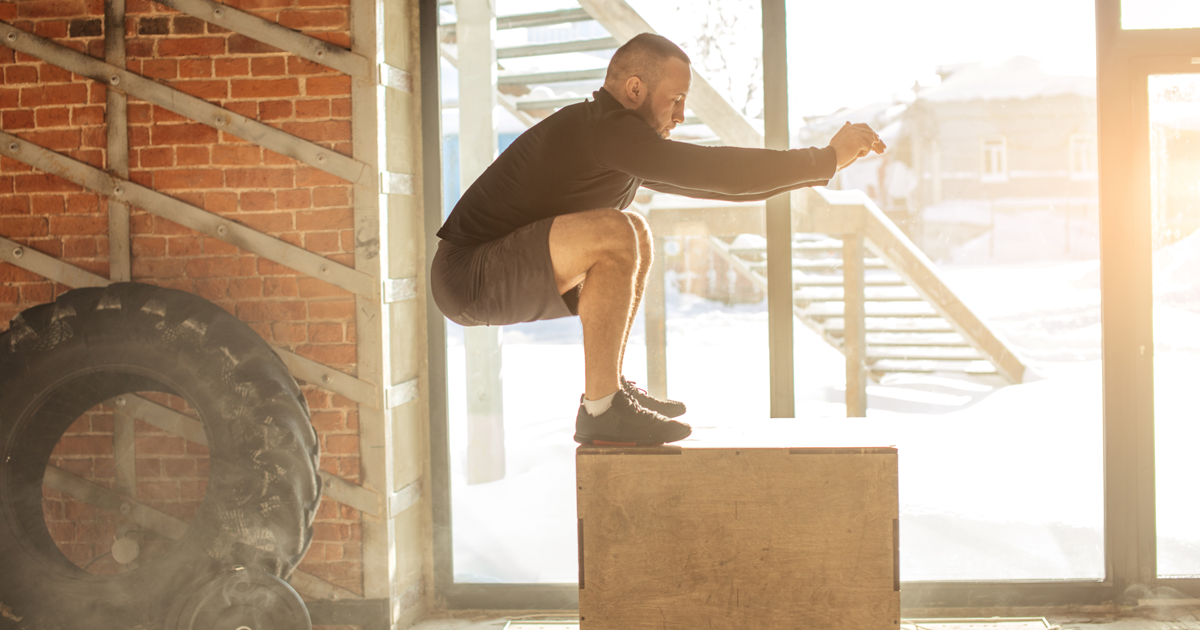
Prepare yourself for the fact that you may not be pushing your maxes for some time. Still, you can build up a series of challenging workouts.
How do you get into your workouts?
The bottom line is that it's definitely not a good idea to go to the gym after an injury with the expectation that you'll push your max performance to a new level in a few days. However, if you have the right mindset and your health allows it, reintroducing sports activity into your life will definitely come in handy. Let's take a look at how to get into training:
-
Consult your doctor
Social media groups are full of people who exercise despite doctors' claims that they will never be able to do the sport again. But most of the time, you don't know the whole story and you don't know what problems these people have experienced, so you can't be sure that your situation will be the same. So try to take the doctors' recommendations into account, at least to start with, and try to respect them. If they recommend rest for a few weeks after surgery, don't try to overwhelm your body at all costs just to prove them wrong.
-
Start with your own weight
If, on the other hand, your doctors recommend that you start exercising slowly, you don't necessarily have to go back to the weights right away. You should bear in mind that after a prolonged period of inactivity, you may be a little more prone to injury, which of course could ultimately be quite counterproductive. Try stretching slowly and performing exercises with your own weight to start with. You'll find that after a few weeks without exercise, even a super series of squats and lunges without weights will give you a good workout.
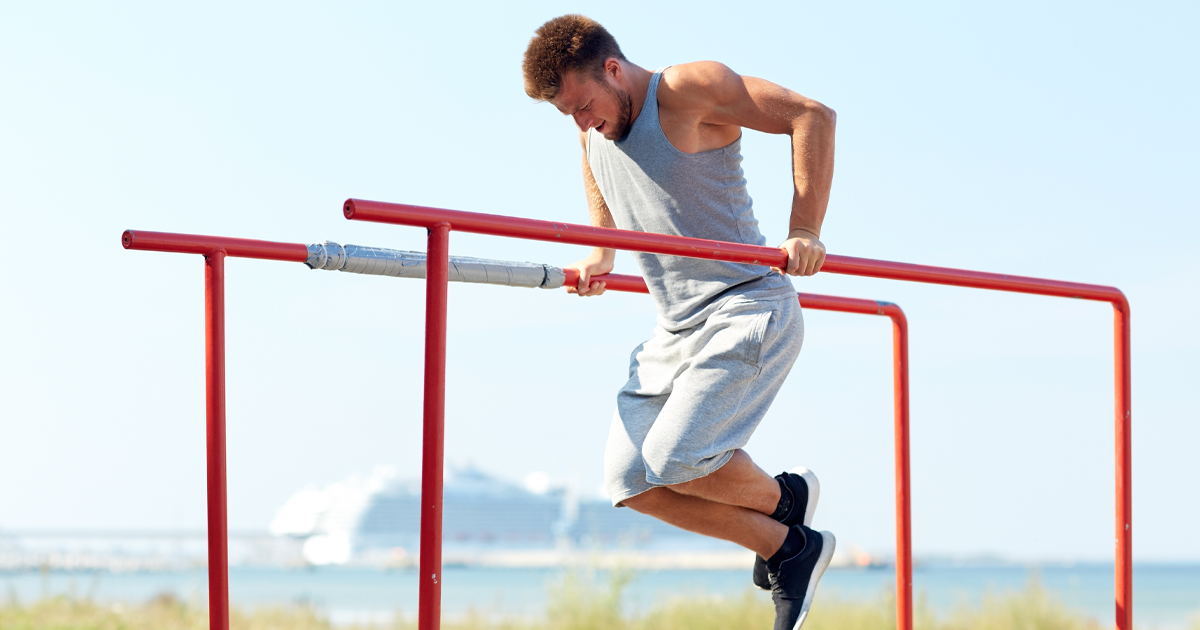
When you return to training after a long break, it's not a bad idea to start with exercises without added weight.
-
Don't be afraid of other sports
When consulting with your doctor, don't be afraid to ask about other types of physical activity that might be suitable for you. Swimming, for example, is often recommended because it can gently and gently increase joint mobility after an injury, which you can then use in strength training.
-
Give your body time
As we mentioned in the previous section of this article, don't be afraid to give your body plenty of time. There's no reason to try to return to your original performance in the shortest possible timeframe - instead, it's preferable to add load gradually so that your joints can gradually re-acclimatise to the increasing load. Non-injured limbs are likely to get used to getting back into training a little quicker than those that have been injured, so it may not be a bad idea to create a training schedule for specific limbs and add in small steps each week.
-
Be aware of how the body reacts
We've deliberately saved the most important piece of advice for last. Every body is different, so it's impossible to say in general how a forced break caused by an injury will affect you in the long run. Some people can recover without any problems in half the time that the doctors originally estimated, others take twice as long. However, don't let the pressure to constantly improve your performance stress you out. Instead, enjoy the process and the fact that you can exercise again without significant restrictions. If you don't feel comfortable in certain positions, don't do them, and certainly don't try to overcome the pain by adding weight to the barbell.
Generally speaking, the areas that are close to the original injury are usually the biggest problem. For example, if you have had some sort of injury in the chest area, you will probably find all the compression exercises challenging, and it may not be a bad idea to replace them initially with more light stretching on pulleys and incorporate them gradually into your training. If you have a lower limb injury, on the other hand, stretching and complex exercises such as squats will be a problem. In this case, it is not a bad idea to start with simple walking and gradually add isolated and then multi-joint exercises.
Do not forget about proper nutrition!
Finally, we would like to add that in addition to a gradual return to training, proper nutrition plays a huge role in recovery, providing the muscles, internal organs and immune system with the nutrients needed for recovery. Recovery from injury usually requires no special approach compared to a normal healthy lifestyle, but we would still like to stress the importance of avoiding monotonous diets, industrially processed foods, excessive stress or some of the other factors from our separate article on dietary mistakes.
Supplements are also of great importance in recovery, and it is good to focus on vitamins and minerals, but protein supplements are not out of place either, and our article How to choose a protein can help you choose one. However, it's not a bad idea to consult your doctor about any specific needs, who can recommend some specific supplements tailored to your needs.

What should you take away from this article?
The main thing you should take away from this article is that after any injury it is not only the physical return to training that is important, but also the mental side of any athlete. You should always keep in mind that you don't need to return to your original performance as quickly as possible, but that it will be enough to gradually add load and be able to move as much as your body will allow after a long break. It's also not a bad idea to start with your own weight and look at other sports activities such as the often recommended swimming. In short, give your body the time it needs and don't try to push your original limits all the time. After all, a gradual return to training is a better option than another injury that may keep you away from the gym altogether for some time.
Recommended
Nebbia Dámské tvarující push-up legíny INTENSE Heart-Shaped 843

Czech Virus Melatonin

Nebbia Teplákové kraťasy GYM BRO 352

Beta Alanine 300g 1+1
No posts have been made yet.








