





Did you get sunburned? Try our tips - quick relief from sunburn!
 Author:
 Summer, barbecues, long days by the water, playing sports in the sun, sunbathing... it all belongs to summer! We covered how to properly protect yourself from the sun in our last article, so today let's take it a little differently - we're going to tell you how to get the quickest relief when you don't quite get it right and manage to get a sunburn. Being out in the sun is of course very healthy and a great way to get that all-important vitamin D, but as they say - too much of anything is bad for you and this is especially true when it comes to the sun. However, even when we do get a sunburn, there are plenty of ways to help ourselves quickly and very effectively. What's more - you don't have to go far for really effective helpers, but you can find many of them in your pantry at home. So let's take a look at them together!
Theoretical window - what is sunburn and how does it manifest itself?
As usual, we will start with a classic theoretical introduction, i.e. the answer to the question "what is sunburn?". A standard definition of sunburn might go something like this: "inflammation of the skin caused by overexposure to ultraviolet radiation, or sunlight." How long does it take for our skin to recover from sunburn? This is of course very individual - it depends on the extent of the sunburn, the sensitivity of the skin.. but usually it takes anywhere from one to several days.
A sunburn occurs when the sun or other source of ultraviolet light hits the unexposed body and exceeds the limit that the skin can accommodate. This prompts the skin to release melanin, its protective pigment. When the sun's rays damage the skin, the skin produces more melanin in an effort to protect it from further damage. This causes the skin tone to change colour. Lighter-skinned individuals are more likely to have red skin, while darker individuals are more likely to turn brown.
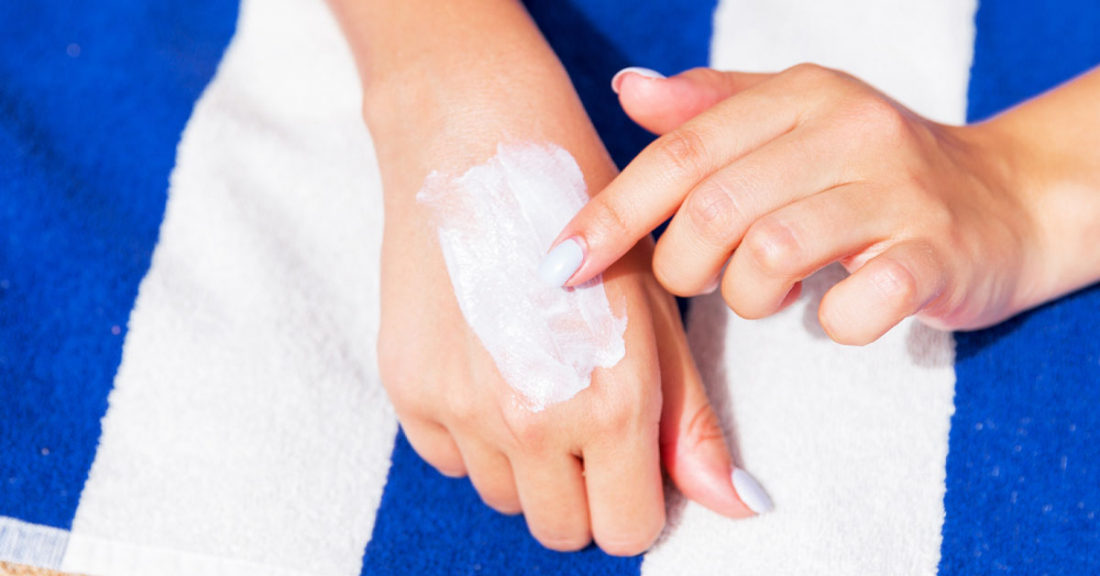
Interestingly, it can take up to 24 hours for the full extent of the burn to take effect! Therefore, at first you may not even register that something like this is happening. Not only can the burn manifest itself with red, very sensitive to the touch, skin, but also little blisters can appear that really hurt solidly - who hasn't experienced that, right? The burns will then usually peel off and turn into a tan - but it's definitely not a good strategy to purposely burn yourself first to get a tan. Common sense and plenty of sunscreen with a high enough SPF with you whenever you're out in the sun for an extended period of time!
The first steps to relief...
Before we get into the basic recommendations, it's worth recalling the perhaps clichéd-sounding phrase - the best cure is prevention itself. Use a cream with a high enough SPF, renew your layer regularly, avoid the sun at midday, remember to drink, wear sunglasses and headwear, eat foods that are good for our skin's health and can protect it, or perhaps boost its appearance and ability to tan - see our recent article.

But if you ask what can be recommended as an effective first step to relieve the pain of a sunburn, it's definitely cold showers or compresses. When drying off, it's a good idea to leave a small amount of water on your skin and then stock up on moisturiser to help trap the water in your skin and promote hydration, which is really key at this point. It's also recommended to use products containing aloe vera, which has soothing and regenerative properties, but we'll get to that later.
Don't forget to hydrate sufficiently in terms of drinking. If blisters form on your skin, it means you have a second-degree burn. Leave the blisters alone (in other words - don't purposely pop, scratch or try to squeeze them under any circumstances!) as they help the skin heal and protect against infection.
Natural helpers in the fight against sunburn
Okay, enough theory and basic recommendations - let's finally take a look at what helpers, which you probably have on hand on a regular basis, can be used to alleviate the symptoms of sunburn.
From the fridge and pantry, the following will come in handy for sunburn:
Oatmeal
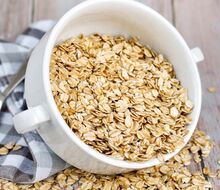
In addition to making a great, healthy and nutritious breakfast, oatmeal has also been shown to relieve itchy skin sensations and help reduce inflammation as burns heal. Blend the dry flakes in a blender until completely smooth. Then just add the crushed oatmeal in a cloth bag to lukewarm bath water and soak in it for a few minutes.
Milk
Milk can also help reduce skin pain and relieve sunburn. You can create a cold compress by either soaking a washcloth in cool milk and applying it directly to the burned areas, or by adding about a cup of cold milk to a cold bath and soaking in it for at least thirty minutes. It is best to use whole milk for these purposes.
Black tea
Black tea is not only a delicious beverage to drink, but it also works as a great helper when trying to reduce the redness of the skin after a burn and speeds up the recovery process. Steep a few black tea bags in a pitcher and let it infuse well until the water is super black. Then use a washcloth to apply to the affected areas and do not rinse. The tannic acid in the tea, which gives it its dark color, relieves the "bitter" feeling and provides much needed relief.
Yoghurt
Yoghurt is a wonderful food and even our grandmothers knew that it could be used to make various poultices to help with relief of a range of symptoms and sunburn is included. Yogurt contains probiotics and lactic acid, making it an excellent choice for reducing redness and soothing the skin. Again, opt for a thicker, plain white yogurt - like Greek yogurt - and gently apply it to the burned areas. Leave on for about 10 minutes and then wash off in the shower.
Aloe Vera and coconut oil
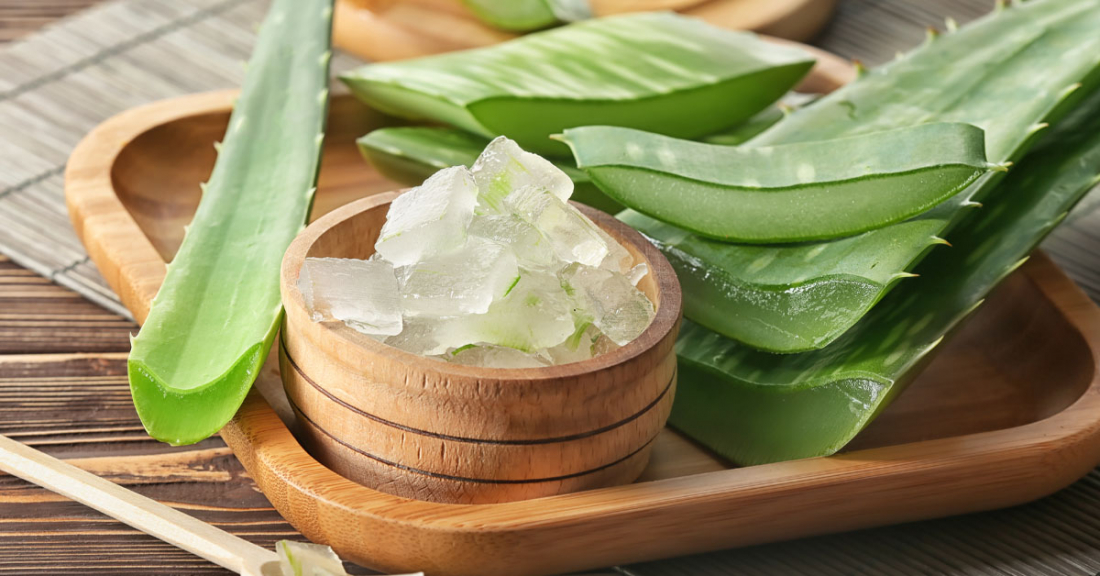
The moment you get a sunburn, it's really important to moisturise your skin a lot. Using moisturizers like pure coconut oil and aloe vera gel can provide really quick relief. Aloe vera is sometimes even called the "burn plant" because it is a really effective natural remedy for burns of all kinds. You can buy a bottle of pure aloe vera or alternatively use the plant fresh, but few people will have this available in our conditions. However, if you get burnt somewhere exotic, don't hesitate to ask the hotel staff for an aloe leaf. Just cut the aloe vera leaf in half and apply the juice to your skin. Tip: keep a bottle of aloe in the fridge - hydration combined with cooling is just what your aching body needs!
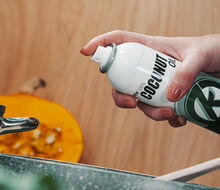
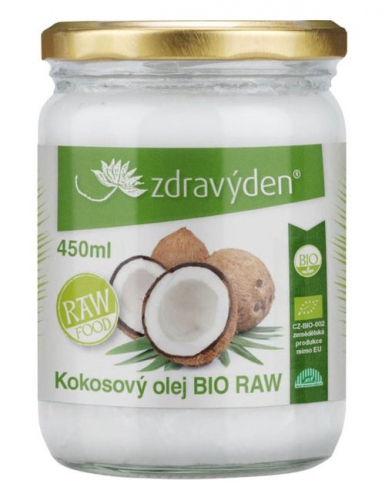
Healthy Day Organic Coconut Oil is made from fresh organically grown coconuts.
Hydrating foods
Hydration is not only needed on the outside, but definitely on the inside too! A great way to do this is of course an ample supply of clean water, but you can also take advantage of the fact that there are plenty of foods available over the summer that have the ability to hydrate. Some of the best ones include cucumbers, watermelon, or oranges, which also provide vitamin C. You can also include drinks with electrolytes - like fresh coconut water. During sunburn treatment, avoid alcohol and sugary foods, which can increase inflammation and slow the healing process.
Apple cider vinegar
Did you know you can use apple cider vinegar on sunburns? Apple cider vinegar has been talked about a lot in recent years in many different ways, but not many people know that it can also be used specifically to treat sunburns because it can soothe irritated skin. Add a cup to a cold bath along with ¼ cup of coconut oil and a few drops of lavender essential oil and soak in the tub for at least 30 minutes. Don't have time for a bath? You can also prepare a 1:1 solution of vinegar and water, soak a washcloth and rub the affected areas.
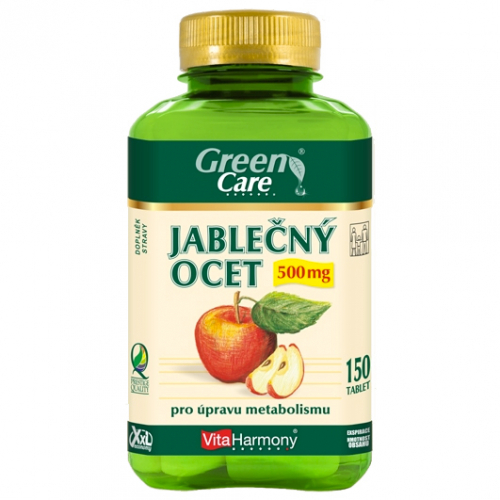
You can also buy apple cider vinegar in tablets in our shop!
Essential oils
Essential oils can beautifully scent a home and are a great way to relieve stress and anxiety. However, they can also be used as natural helpers in the treatment of sunburn. Peppermint oil, for example, is a natural analgesic or pain reliever. It also helps to soothe burned areas because it has the ability to induce a cooling sensation. Another essential oil that is used for sunburns is the oil of lavender. This can help to relieve redness and ease the pain of sunburn. With its antioxidant, pain relieving and anti-inflammatory properties, it is a perfect choice for speeding up healing and allowing the skin to recover faster.
Recommended
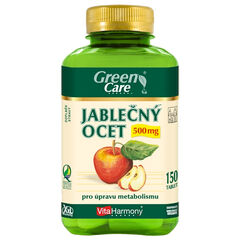
VitaHarmony Jablečný ocet
What to take away from the article?
Summer inherently involves spending a lot more time outdoors. Barbecues, swimming, outdoor sports, sunbathing... And this is of course a very good thing! But who among us ever manages to forget to apply sunscreen or even fall asleep in the sun and get a good sunburn. Often painful sunburns can be a real pain, and they're not exactly healthy for our skin. Today, we've covered tips on how to help yourself naturally in such a case. You can use things you normally have at home - oatmeal, yogurt, milk, coconut oil, apple cider vinegar or black tea. Sufficient hydration is also beneficial. However, it is true that the best cure is prevention, so make sure you take good care of your skin on sunny days and don't forget to use a cream with a sufficiently high SPF.
Sources:
Reynertson, K. A., Garay, M., Nebus, J., Chon, S., Kaur, S., Mahmood, K., Kizoulis, M., & Southall, M. D. (2015). Anti-inflammatory activities of colloidal oatmeal (Avena sativa) contribute to the effectiveness of oats in treatment of itch associated with dry, irritated skin. Journal of drugs in dermatology : JDD, 14(1), 43-48.
Rhodes, L. E., Durham, B. H., Fraser, W. D., & Friedmann, P. S. (1995). Dietary fish oil reduces basal and ultraviolet B-generated PGE2 levels in skin and increases the threshold to provocation of polymorphic light eruption. The Journal of investigative dermatology, 105(4), 532-535. https://doi.org/10.1111/1523-1747.ep12323389
Silva, G. L., Luft, C., Lunardelli, A., Amaral, R. H., Melo, D. A., Donadio, M. V., Nunes, F. B., de Azambuja, M. S., Santana, J. C., Moraes, C. M., Mello, R. O., Cassel, E., Pereira, M. A., & de Oliveira, J. R. (2015). Antioxidant, analgesic and anti-inflammatory effects of lavender essential oil. Anais da Academia Brasileira de Ciencias, 87(2 Suppl), 1397-1408. https://doi.org/10.1590/0001-3765201520150056
Silva, G. L., Luft, C., Lunardelli, A., Amaral, R. H., Melo, D. A., Donadio, M. V., Nunes, F. B., de Azambuja, M. S., Santana, J. C., Moraes, C. M., Mello, R. O., Cassel, E., Pereira, M. A., & de Oliveira, J. R. (2015). Antioxidant, analgesic and anti-inflammatory effects of lavender essential oil. Anais da Academia Brasileira de Ciencias, 87(2 Suppl), 1397-1408. https://doi.org/10.1590/0001-3765201520150056
de Cássia da Silveira E Sá, R., Lima, T. C., da Nóbrega, F. R., de Brito, A., & de Sousa, D. P. (2017). Analgesic-Like Activity of Essential Oil Constituents: An Update. International journal of molecular sciences, 18(12), 2392. https://doi.org/10.3390/ijms18122392
Rezazadeh, F., Moshaverinia, M., Motamedifar, M., & Alyaseri, M. (2016). Assessment of Anti HSV-1 Activity of Aloe Vera Gel Extract: an In Vitro Study. Journal of dentistry (Shiraz, Iran), 17(1), 49-54.
Matheson, J. D., Clayton, J., & Muller, M. J. (2001). The reduction of itch during burn wound healing. The Journal of burn care & rehabilitation, 22(1), 76-75. https://doi.org/10.1097/00004630-200101000-00017
No posts have been made yet.








