





5 most common mistakes of advanced practitioners
 Author:
 Much has been written about beginner mistakes, but what about advanced exercisers who have been doing fitness for a few years? They aren't without fault either, we'll show you what most often holds them back from progressing and how to improve.
1) Extreme drills and no rewards
What many advanced exercisers don't lack is the ultimate passion for the cause, they're not afraid to push themselves harder and push their limits when it comes to athletic performance, they know what they want and they go hard for it. They can be just as precise and strict with themselves when it comes to eating. But the saying "too much of anything is bad for you" applies here as well. The body deserves to be rewarded for all the hard work and rest, and it will have the extra strength to perform even better.
What to do?
There is no need to feel guilty about occasionally indulging in something beyond the menu (going for a sushi run, visiting grandma, etc.) or taking a few days off from training, in the end it can only be to our benefit if we are otherwise used to being hard on ourselves. The body and mind need to switch off from time to time, it is not a failure to slow down for a while. For example, treat yourself to a massage, go to a sauna, cryosauna, salt cave or simply relax at home. If you're more of an action type and lounging isn't your thing, no problem, there are also benefits to active recovery such as swimming, walking, yoga or cycling.

2) Stereotype
The stereotype in exercise and diet doesn't benefit the body or mind in the long run, yet most of us tend to slip into it because it's simply practical for us and represents security, we're comfortable with not having to put unnecessary strain on our brains and going round and round like robots. The human body is clever and adapts very quickly to a certain kind of movement and eating, because of the stereotype it can happen that we don't move for a long time and our form doesn't improve and we don't enjoy everything as much as we used to. In the same way, muscles get used to a particular type of training and exercises and just adding weights may not be a sufficient stimulus for their growth and shaping.
What to do about it?
Surprise your body with something new, keep your diet varied, taste new foods and try new recipes and cooking methods. For example, meat tastes different when you don't cook it as usual in a pan or boiled, but try a contact grill or a hot air fryer instead. Spices can do wonders for food. Even side dishes offer a huge scope for change, so instead of white rice and potatoes, make red lentils, wholemeal pasta, buckwheat or quinoa, with red lentil or chickpea pasta available in supermarkets. You can also play around with macronutrients and see how your body reacts if you take away something and increase another macronutrient.
The training is a chapter in itself and you can vary it in any way you like. Whether it's the frequency of workouts throughout the week, pairing up batches, alternating heavier and lighter workouts, etc. If after years of stereotyping you don't feel like overhauling it right away, try starting by doing the exercises you normally do in a different way.
-
Instead of bilateral training (exercises performed with both arms or both legs at the same time) , incorporate unilateral training (train each limb of the body in isolation - e .g. first do 10 reps with the right arm and then the left). Unilateral training increases force production, helps to compensate for imbalances and strengthens the mid-body as it places more emphasis on stability when performing the exercise. Exercising each side separately has a positive effect on improving muscular development, as we engage more muscle fibres and are able to develop greater strength than if we exercise both limbs simultaneously.
-
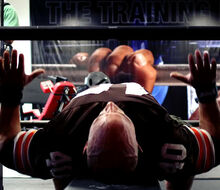
Superseries - you do one set of an exercise and then immediately follow it up with another set of another exercise without pause, followed by a short break. You can choose to do a superseries on the same or opposite limb. Exercises for the same part should not be of the same nature (e.g. both push-ups). We have discussed this training method in more detail in the article Superseries for super results.
-
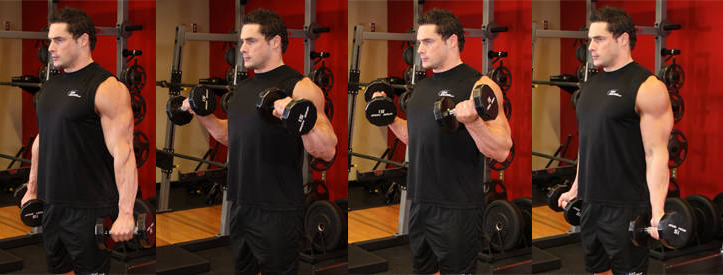
change the stance and grip - replace the underhand grip with an overhand grip, a narrower squatting stance with a wider one, shoulder presses in sitting with standing presses, etc.
3) Forgetting that we are each individual
Everyone may have different strengths, weaknesses, goals and health conditions and should adapt their training plan and diet accordingly. This also applies to individual supplementation intake. Our personality, how we tolerate stress, what kind of mental state we are in and what kind of work we do also have an influence. What suits Frant from the gym and has great results on it, may not suit us at all.
What about it?
Work on your relationship with your body and start to feel it better, notice how it reacts to what and adjust your diet, training and supplementation accordingly. Of course, it would be easier if there was a one-size-fits-all guide, but that's not how the human body works.
Recommended
Prom-in BCAA Synergy

Nebbia Muscle fit tričko FLEXIN' 358
Nebbia Deni x NEBBIA Sportovní tank top 309

Nebbia Teplákové šortky HERO 295
4) Using banned substances without getting close to the natural maximum
It used to be taboo to use banned substances, but nowadays, thanks to some athletes and influencers, it has slowly become the "cool" thing to do, even for those who can't even exercise and build a diet. Thinking that we've reached a natural high because we're stagnant and actually reaching it are two diametrically opposed things. Yes, muscles unfortunately don't grow forever and they have their limits, but who really gets close to them before reaching for a banned substance? Reaching a natural maximum is not easy and requires not only an excellent knowledge of your own body, but also a deeper understanding of training methodology, nutrition and supplementation that leads to maximizing muscle hypertrophy.
What to do about it?
Try to get the most out of your body as naturally as possible and ideally ditch the use of banned substances, especially if you're not going to be a track athlete. But what are we going to say, it's a tempting thing that's becoming more readily available and it can be hard for some to resist, especially when they see individuals around them who are taking banned substances, exercising for shorter periods of time and looking much better. If you don't give yourself permission and just "have to", at least do it right, don't push it to extremes, get advice from someone who actually understands it and won't write you a cure to take away your health. There are a lot of unprofessional and nonsensical articles and advice on how to make a cure on the internet, we definitely don't recommend to just blindly follow what you read somewhere in a discussion on Facebook or on an untrustworthy website where you don't even know who wrote the article, what their experience and results are, etc.
5) Technique of exercises not perfected in detail
We may not even realise it, but over time, as we lift heavier and heavier weights, we can get to the stage where we are engaging muscles that we shouldn't be during exercises in order to help us "tighten up" the exercise with a heavy weight. If we are doing a difficult exercise and we don't have a good technique, we put an uneven load not only on the muscle but also on the joints and tendons, which increases their tension and causes a potential risk of injury.
Now and then, of course, an advanced practitioner can judiciously use "cheating" - it will increase the amount of time the muscle is under tension during the exercise, ease the transition through the concentric (positive) phase of the exercise, and encourage emphasis on the eccentric (negative) phase of the exercise.
The problem arises when cheating is used not occasionally and consciously, but regularly and unconsciously.
What to do about it?
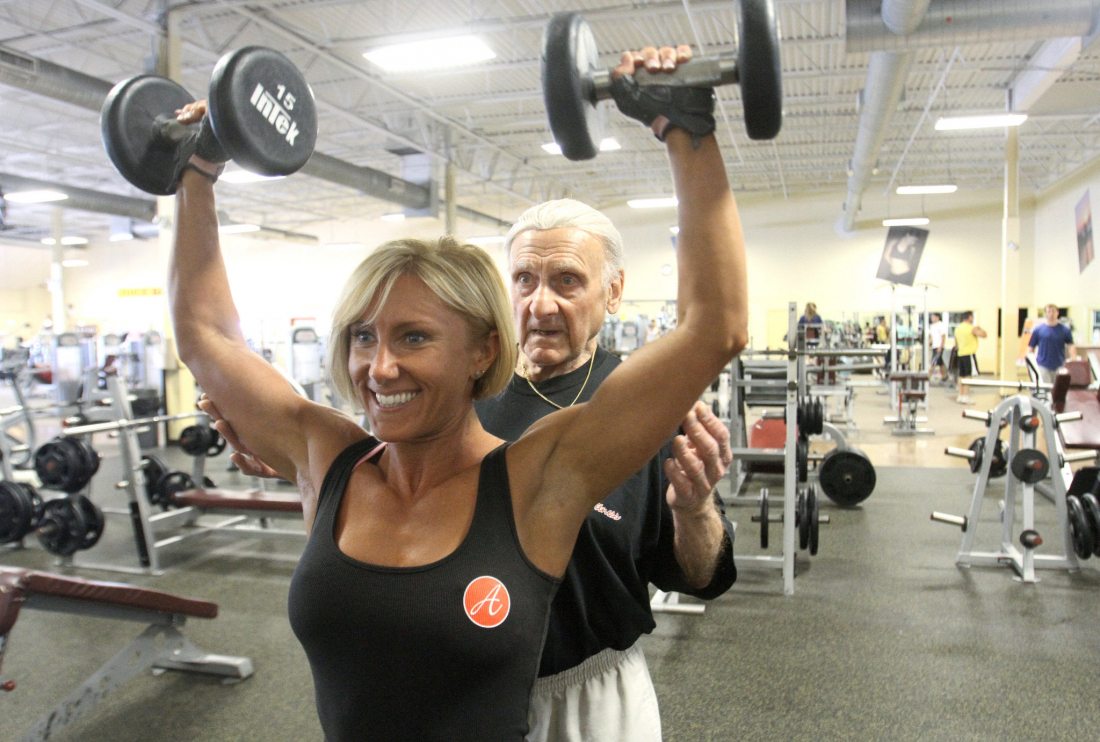
There is no shame in having your exercise technique checked by someone who understands it perfectly and has years of experience. Especially coaches and former competitors of the so-called "old school" tend to be extreme sticklers for technique and no detail escapes them. And often these details in technique can do a lot, until you may be surprised how you suddenly feel the muscle better and give it more work even with less weight.
Bottom line
Practicing for years and being an advanced practitioner doesn't necessarily mean that we have nothing to improve and that we don't make mistakes. Fitness isn't just about gaining muscle and losing weight, it's about how we approach our lives and our bodies in general and how much we can appreciate and reward hard work. We may have read many articles and books, but unless we respect the signals our body is sending us, we won't even get the best results.

Image sources: shutterstock.com, fitnessbaddies.com, kekewellness.com, nj.com
No posts have been made yet.








