Why does the body itch after a pre-workout kick and what to do about it
 Author:
 Are you one of the athletes who like to indulge in a pre-workout supplement, popularly known as a "kicker"? Then you've almost certainly encountered that strange, slightly unpleasant itching, tingling or prickling sensation that comes on shortly after drinking. This phenomenon, which most often appears on the face, neck, hands and chest, has its scientific name - paresthesia. Although it can be disconcerting to newcomers, scientific studies show that it is not dangerous. On the contrary, it's direct evidence that a key ingredient in your supplement has begun to take effect. Based on scientific articles from the prestigious PubMed database, let's take a look at what exactly is going on in your body and how this side effect can be effectively managed.
Article Content:
- The main culprit revealed: beta-alanine
- How does beta-alanine trigger paresthesia?
- Is paresthesia dangerous?
- How to get rid of itching or at least reduce it?
The main culprit revealed: beta-alanine
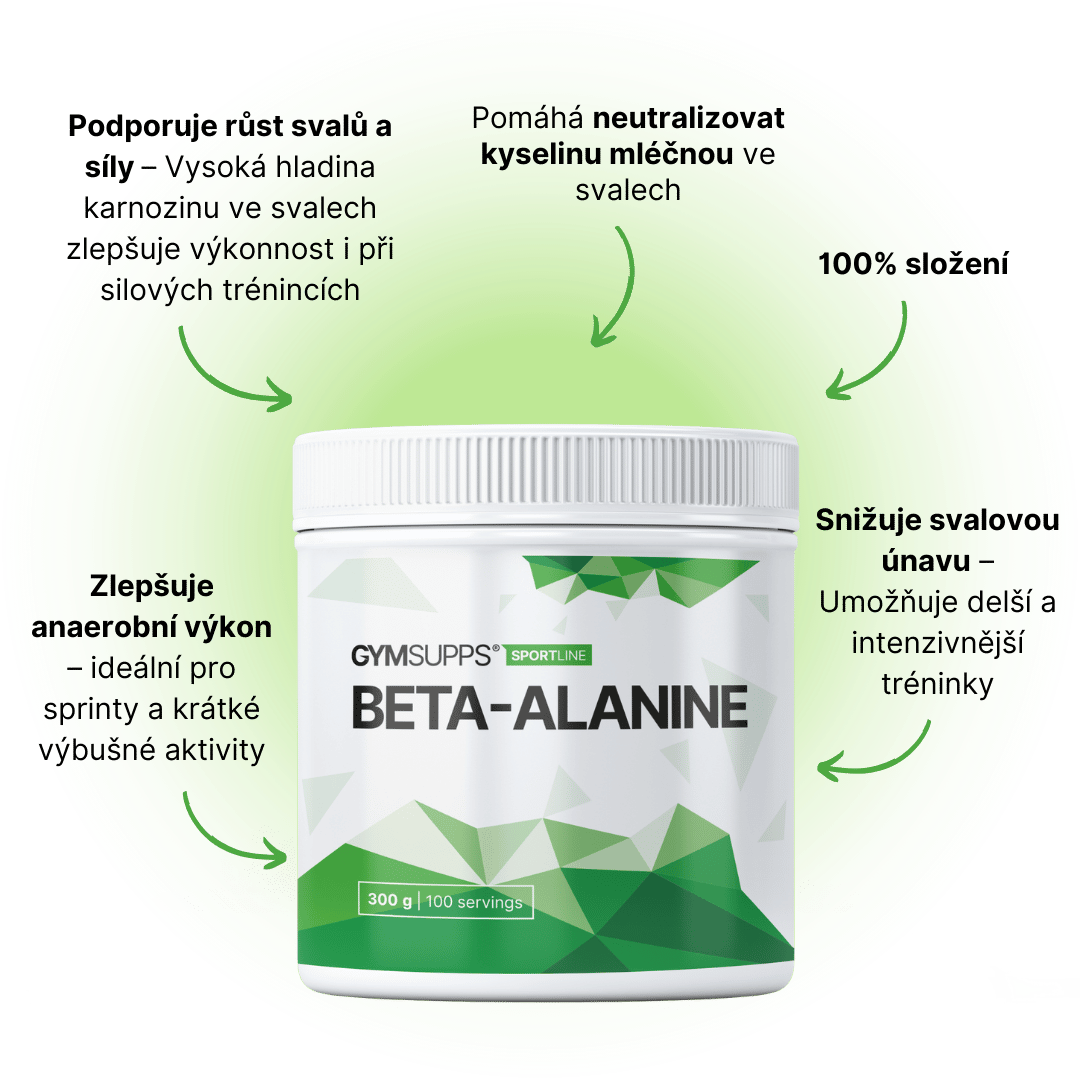
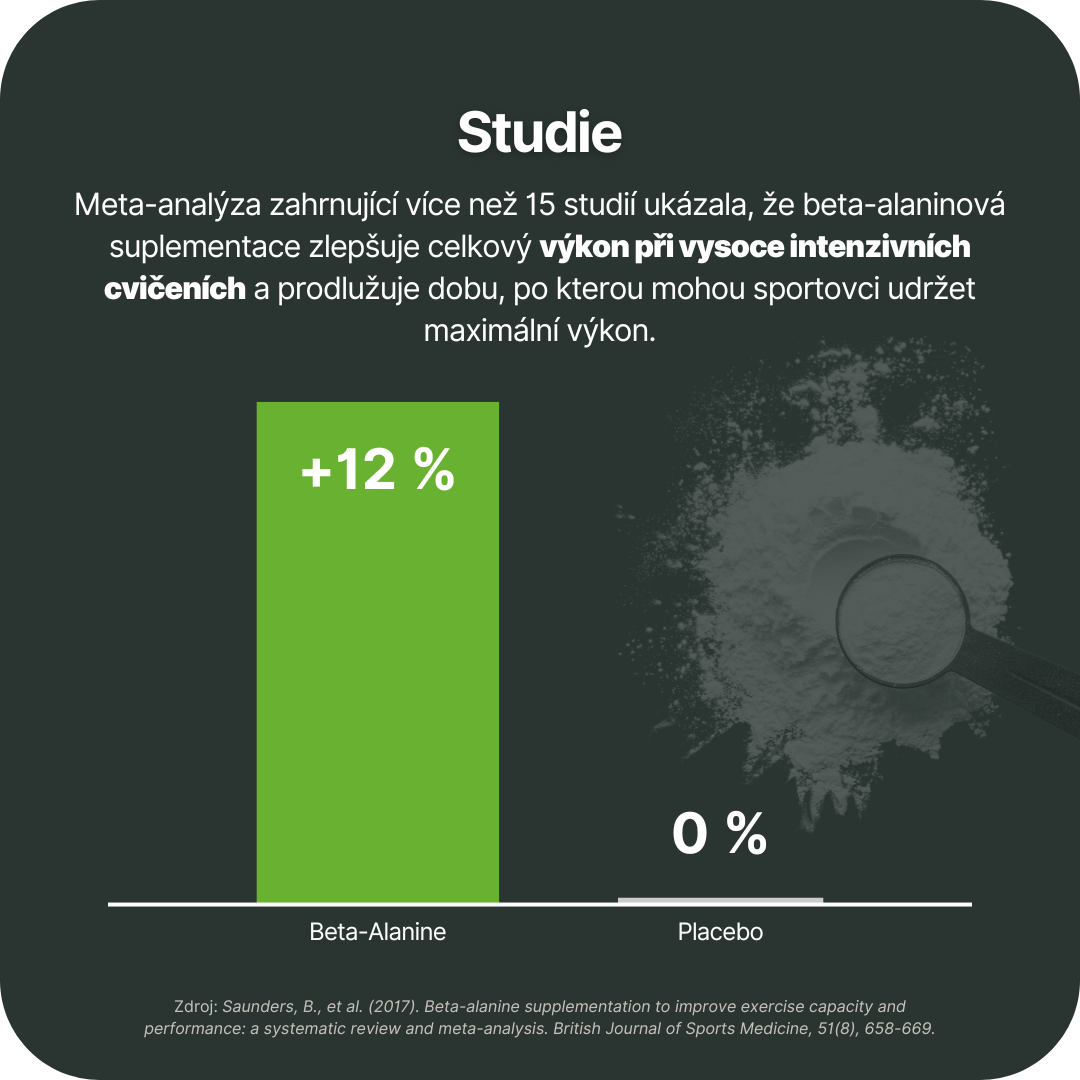
Caffeine, citrulline, or any other common ingredient in pre-workout mixtures is not behind the characteristic itch. The main and only culprit is a non-essential amino acid called beta-alanine. Why do athletes take it in the first place? Beta-alanine itself has no direct effect on performance. Its magic is that it combines with another amino acid, histidine, in the body to form a molecule called carnosine.
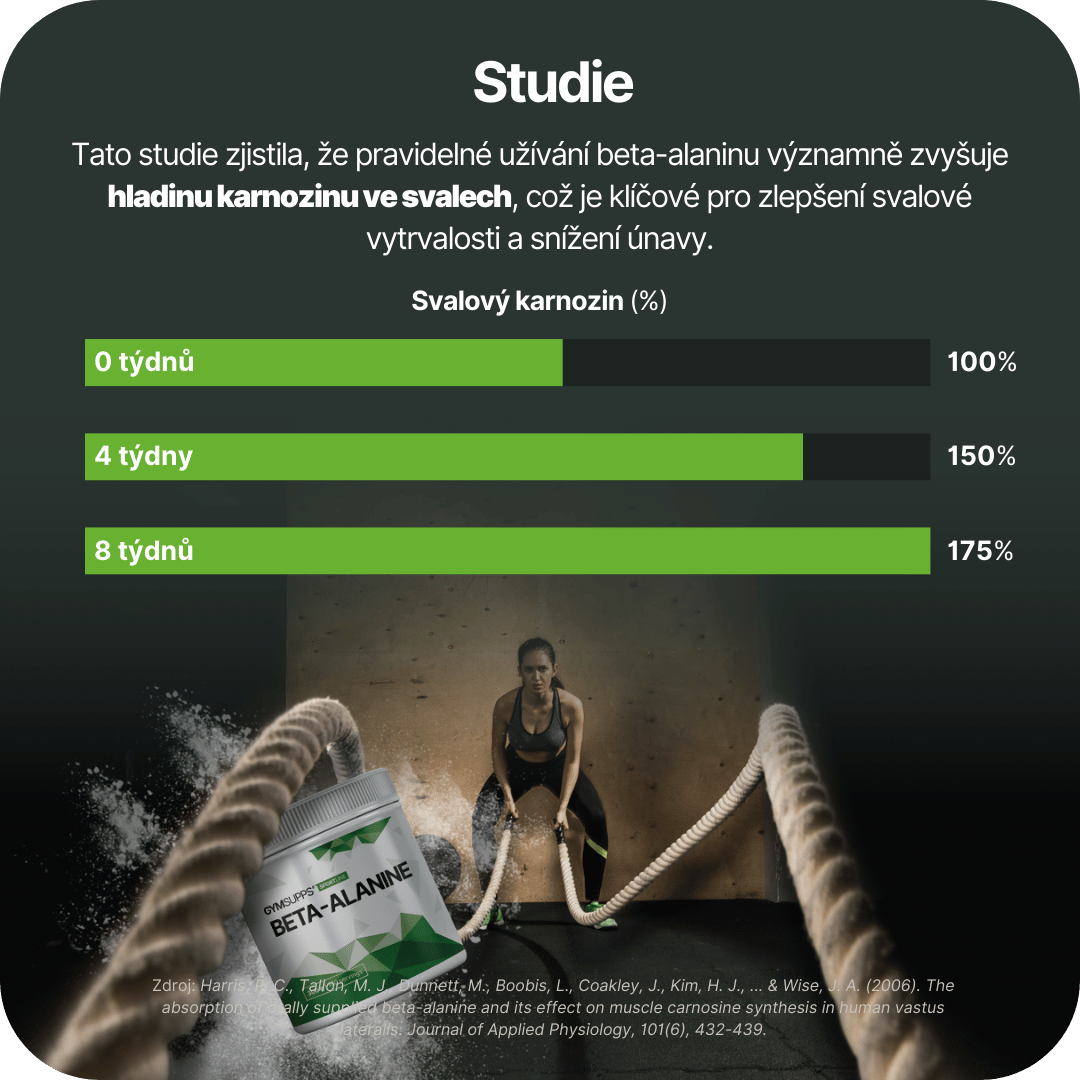
And carnosine is the real hero. It is stored in muscle cells and acts as a very effective intramuscular buffer. During intense exercise, such as a sprint or a set of heavy weights, hydrogen ions (H+) build up in the muscles, causing the pH to drop - the muscles become "more acidic". This condition, known as acidosis, leads to a burning sensation, fatigue and eventually muscle failure. Carnosine can neutralize these hydrogen ions, delaying the acidification and allowing you to perform more reps, sprint longer or simply train at a higher intensity for longer. Increased levels of carnosine in the muscles are therefore directly linked to better athletic performance.
How does beta-alanine trigger paresthesia?
When you drink your favorite "kicker", beta-alanine is quickly absorbed into the bloodstream. Its molecules then travel through the body and reach the skin in addition to the muscle cells. This is where specific nerve receptors sensitive to touch and pressure, technically called MRGPRD (Mass-related G-protein coupled receptors), are located. Beta-alanine has the ability to bind to these receptors and "activate" them.
This activation is essentially a false alarm. The nerve ending thinks it is being mechanically stimulated and immediately sends a signal along the nerve pathways to the brain. The brain interprets this signal as an itching, tingling or pricking sensation. It is therefore a purely sensory phenomenon that has nothing to do with allergy or inflammation. The intensity and duration of paresthesia are directly proportional to the size of the dose. Most studies agree that single doses higher than 800-1000 mg of beta-alanine already commonly produce this side effect.1 The sensation usually sets in within 15-20 minutes after consumption and resolves spontaneously within 60-90 minutes.
An interesting psychological aspect mentioned in one study is the so-called "belief effect". Many athletes have associated the itching sensation with the effectiveness of the supplement. They feel that when the body tingles, the "kicker" works, which may psychologically motivate them to perform better. Although the study did not show a direct link between paresthesia intensity and actual performance improvement, the athlete's belief may play a non-negligible role.2
Is paresthesia dangerous?
To this question, scientific studies give a clear answer: no. Paresthesia caused by beta-alanine is considered a harmless and temporary side effect. It is not toxic, does not cause nerve or skin damage and always resolves spontaneously. The only negative is the subjective discomfort, which can be disturbing for some individuals, especially those just starting out with beta-alanine.

How to get rid of itching or at least reduce it?
Although itching is harmless, not everyone is a fan. Fortunately, there are scientifically proven methods to minimize this phenomenon without giving up the benefits of beta-alanine supplementation.
Reducing the individual dose
The simplest and most logical step. If your supplement contains, for example, 3 grams of beta-alanine in a single dose, try giving yourself only half that dose to start with. This will reduce the concentration of beta-alanine in your blood reaching the nerve receptors all at once.
Daily dose distribution
The total daily dose, not the size of a single dose, is the key to maximizing muscle carnosine levels. The recommended daily amount is between 4-6 grams. Instead of taking one large dose before a workout, you can divide the total amount into 3-4 smaller doses of 1-1.5 grams each, taken a few hours apart during the day. This will maintain a steady supply of beta-alanine to your muscles, but avoid the spike in peak that causes paresthesia.
.png)
Look for Slow-Release products
The most sophisticated solutions are special tablet forms of beta-alanine with gradual-release technology. A study published in the journal Amino Acids directly compared the effects of standard beta-alanine powder and gradual-release tablets. The results were unequivocal. The tablets released beta-alanine into the bloodstream more slowly and over a longer period of time. This led to a significantly lower maximum blood concentration, and most importantly, the intensity of paresthesia was so low with the tablets that it was no different from the placebo group. In addition, the body was able to use the beta-alanine from the tablets better, and less was excreted in the urine.1 So if itching bothers you, investing in a slow-release or sustained-release product is the best choice.
Consumption with food
Taking beta-alanine with food can slightly slow its absorption and thus reduce the intensity of paresthesia. This is not as effective a method as gradual-release tablets, but it can help.
In conclusion, tingling and itching after a pre-workout supplement is a normal and expected reaction to beta-alanine. It's a sign that the substance has entered your system and is on its way to increasing your muscle stores of carnosine. If this sensation makes you uncomfortable, there are several effective strategies available to you to manage it. The key is understanding that this is not a dangerous phenomenon, but a fascinating demonstration of how our bodies react to specific bioactive substances.
Recommended
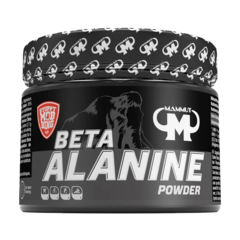
Mammut Beta Alanin powder
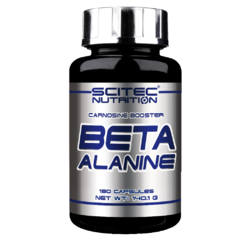
Scitec Beta Alanine
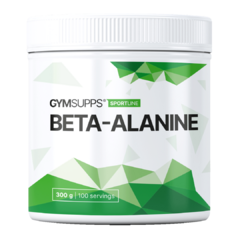
GymSupps Beta Alanine
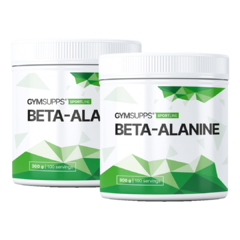
Beta Alanine 300g 1+1
Sources:
- [1] Harris, R. C., et al. "Effect of slow-release β-alanine tablets on absorption kinetics and paresthesia." Amino Acids, vol. 43, no. 1, 2012, pp. 67-76. PubMed,
- [2] Saunders, B., et al. "Performance Effects of Acute β-alanine Induced Paresthesia in Competitive Cyclists." Journal of Sports Science and Medicine, vol. 14, no. 1, 2015, pp. 101-107. PubMed,
No posts have been made yet.