How to take Beta Alanine for maximum performance?
 Author:
 Beta Alanine is a non-essential amino acid that binds with histidine in the body to form a dipeptide called carnosine. The increased content of carnosine in the muscles acts as an effective buffer that neutralizes lactic acid and other metabolites produced during intense physical activity. As a result, the onset of muscle fatigue is delayed, allowing for longer and more intense exercise. Below we look at the effects of Beta Alanine, optimal dosage, methods of use and safety considerations.
Article Content:
- How does Beta Alanine work?
- What does Beta Alanine do?
- Optimal dosage of Beta Alanine
- Side effects and safety
- How to take Beta Alanine properly for maximum performance?
- Practical tips for integrating Beta Alanine into your training regime
How does Beta Alanine work?
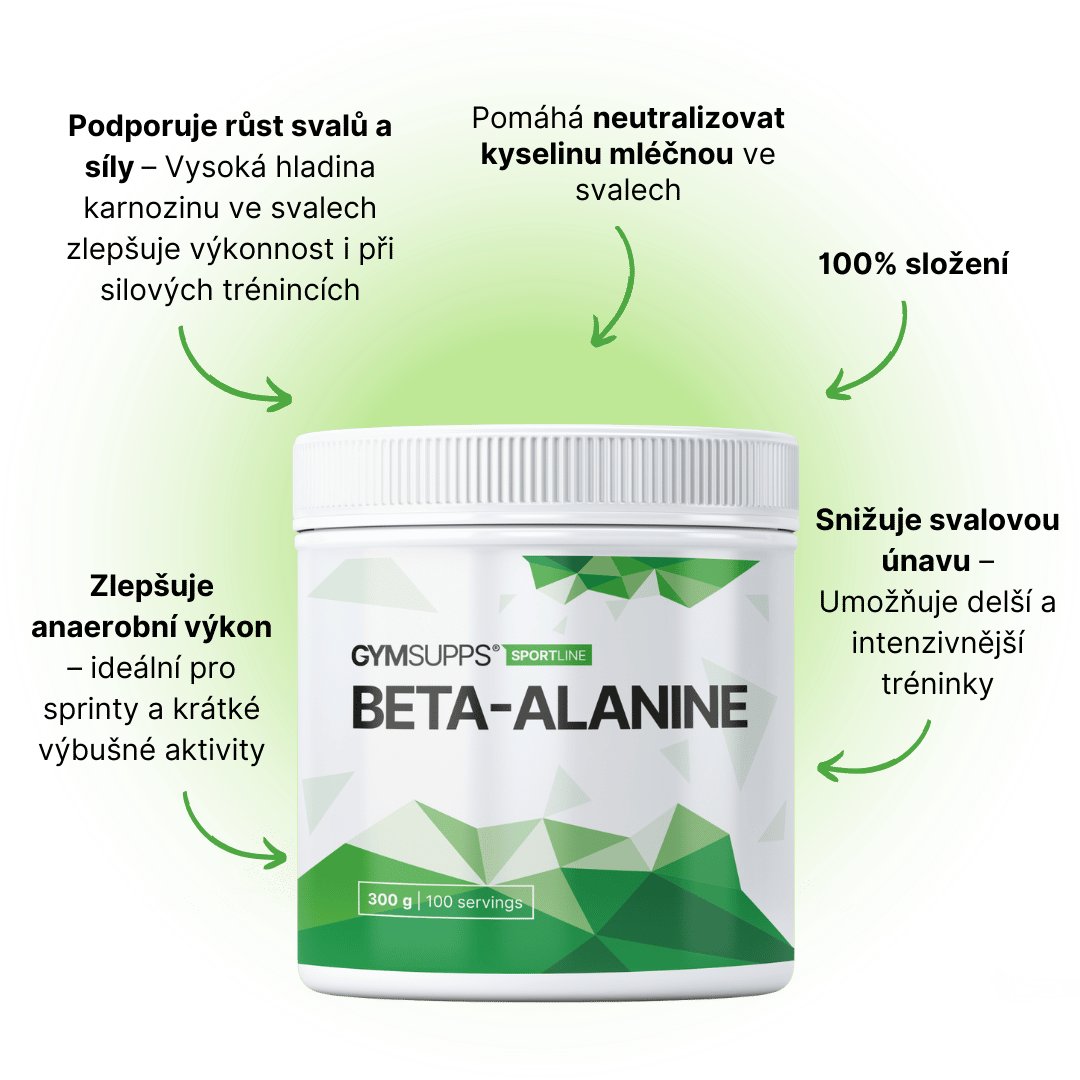
Beta Alanine binds with histidine to form carnosine, which accumulates in the muscles and helps buffer the acidic products of metabolism. This ability increases muscle resistance to fatigue and supports performance during high-intensity exercise.1
.png)
Effects of Beta Alanine
Increase muscle buffering
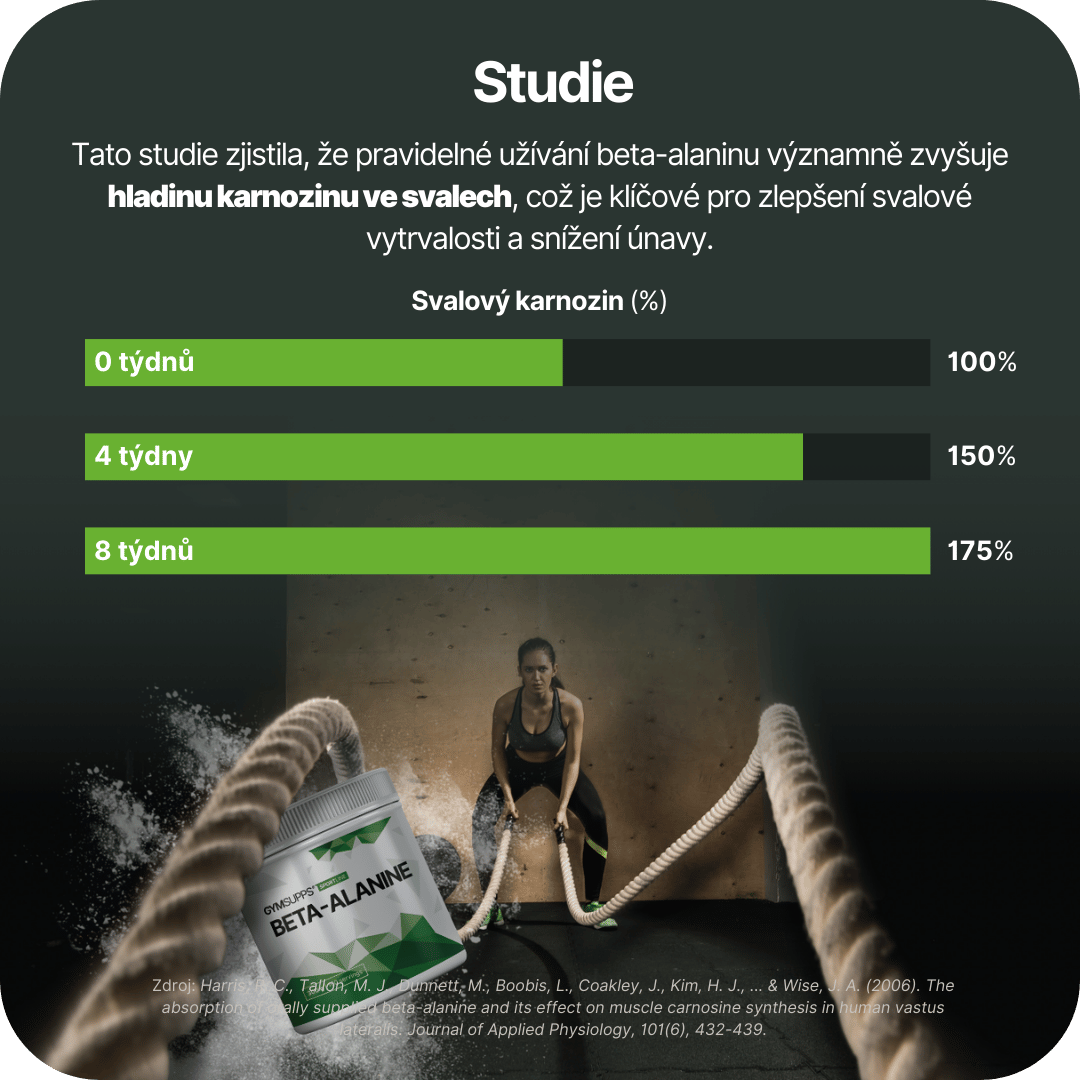
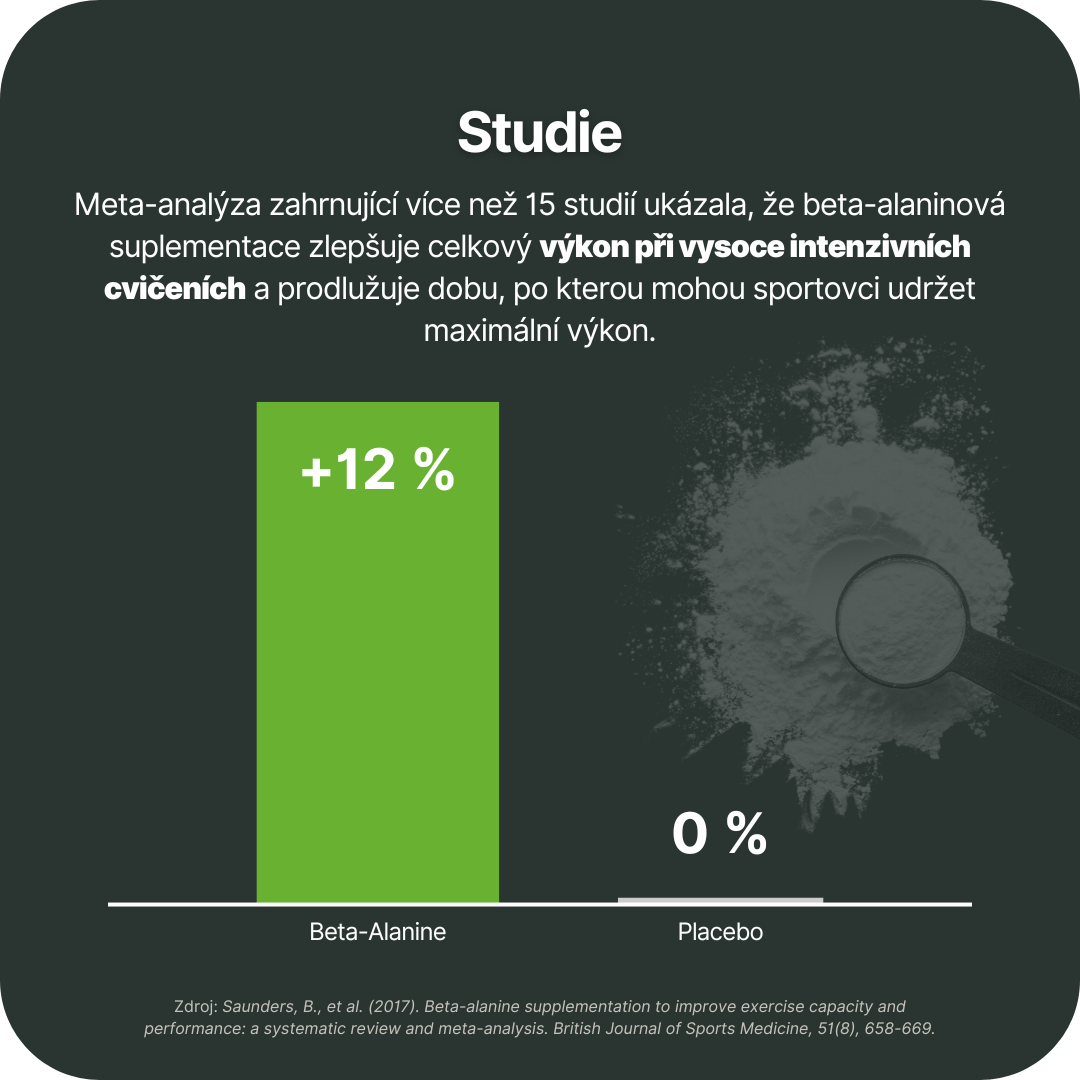
Regular supplementation with Beta Alanine leads to an increase in muscle carnosine, which increases muscle buffering capacity and allows for more efficient neutralization of acids produced during exercise. This process contributes to delaying the onset of fatigue and prolonging the ability to perform at high levels during repeated exercise.1
Improved performance and endurance
Studies show that athletes taking Beta Alanine perform better in activities requiring short-term high intensity, such as sprinting, interval training or strength training. The increased concentration of carnosine leads to improved overall endurance and allows for longer training units without a significant decrease in performance.2
Supporting recovery
Due to its buffering effects, Beta Alanine can also improve recovery after a tough workout, reducing the risk of muscle damage and allowing for more frequent and intense training.
Optimal Beta Alanine dosage
Recommended amount
Most studies recommend daily doses of Beta Alanine in the range of 4 to 6 grams. These doses are usually divided into several smaller portions throughout the day (for example, 800-1,600 mg in 4-6 doses) to minimize side effects and optimize absorption.3
Dosing strategy
- Loading phase: Some athletes choose a "loading phase" where they take higher doses (e.g., 6 g per day) for 4-6 weeks, resulting in a maximal increase in muscle carnosine.
- Maintenance Phase: After the loading phase, the dose can be reduced to 3-4 grams per day to maintain elevated carnosine levels.
Staggering the dose throughout the day also helps reduce the risk of side effects.
.png)
Side effects and safety
Paresthesia (tingling and tingling)
The most common side effect of Beta Alanine is paresthesia - a tingling or tingling sensation on the skin that usually lasts 30-60 minutes after dosing. This phenomenon is benign and can be alleviated by dividing the daily dose into smaller portions or by using sustained-release forms of the supplement.4
Other potential effects
When recommended doses are followed, no serious side effects usually occur. However, each individual may react individually and it is advisable to start with a lower dose and gradually increase it to allow the body to adapt.
How to take Beta Alanine properly for maximum performance?
Dose distribution
To reduce the likelihood of paresthesia, it is recommended to divide the total daily dose into 4-6 smaller portions. For example, at a dose of 4 grams per day, 800 mg can be taken every 3-4 hours.
Combination with other supplements
Beta Alanine is often combined with creatine because the two substances act synergistically - creatine increases the availability of energy in the cells, while Beta Alanine improves the buffering capacity of the muscles. Such a combination can significantly boost strength and endurance.
Timing of supplementation
Beta Alanine is not a supplement with an immediate effect; its benefits only become apparent after regular use for a minimum of 4-6 weeks. Therefore, it is advisable to start supplementation well in advance of an important race or training cycle.
Supplementation and hydration
A balanced, nutrient-rich diet and adequate hydration are also important to achieve maximum benefits. Proper nutrition and drinking support recovery and overall athletic performance.
Practical tips for integrating Beta Alanine into your training regime
To achieve maximum benefits from Beta Alanine, its proper integration into your overall training plan is also essential. Athletes should experiment with the timing of supplementation - for example, taking Beta Alanine with a pre-workout meal or drink - to ensure that increased levels of carnosine are used as efficiently as possible during demanding training units. Regular performance monitoring and feedback from a trainer or nutritionist can help optimise dosage and tailor supplementation to current training needs. In addition, long-term supplementation with Beta Alanine can have a cumulative effect that contributes to steady performance improvement and faster recovery after intense exercise.
Conclusion
Beta Alanine is a proven supplement for athletes who want to enhance their performance during high-intensity activities. Its main benefit lies in the increase of muscle carnosine, which improves muscle buffering capacity, delays fatigue and promotes endurance. The optimal dosage of Beta Alanine is between 4 to 6 grams per day, divided into smaller portions to minimize side effects (especially paresthesia). To achieve maximum effect, regular use of Beta Alanine for at least 4-6 weeks and possible combination with other supplements such as creatine is key.
Recommended
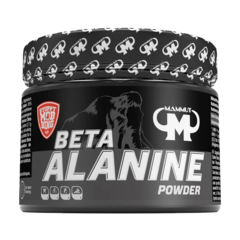
Mammut Beta Alanin powder
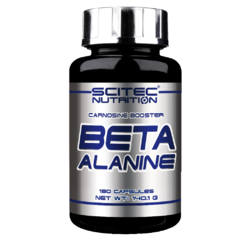
Scitec Beta Alanine
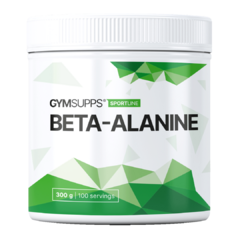
GymSupps Beta Alanine
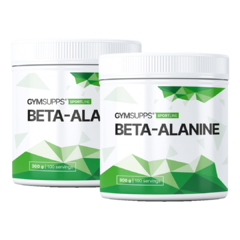
Beta Alanine 300g 1+1
Links to studies
- Harris, R.C., Tallon, M.J., Dunnett, M., Boobis, L., Coakley, J., Kim, H.J., Fallowfield, J.L., Hill, C.A., & Sale, C. (2006). The absorption of orally supplied beta-alanine and its effect on muscle carnosine synthesis in human vastus lateralis. Amino Acids, 30(3), 279-289.
- Hobson, R.M., Saunders, B., Ball, G., Harris, R.C., & Sale, C. (2012). Effects of beta-alanine supplementation on exercise performance: a meta-analysis. Amino Acids, 43(1), 25-37.
- Trexler, E.T., Smith-Ryan, A.E., & Stout, J.R. (2015). International Society of Sports Nutrition position stand: beta-Alanine. Journal of the International Society of Sports Nutrition, 12, 30.
- Derave, W., Ozdemir, M.S., Harris, R.C., Pottier, A., Reyngoudt, H., Koppo, K., De Clercq, D., & Hespel, P. (2007). Beta-alanine supplementation augments muscle carnosine content and attenuates fatigue during repeated isokinetic contraction bouts in trained sprinters. Journal of Applied Physiology, 103(5), 1736-1743.
No posts have been made yet.