





Unconventional proteins | What to enrich your diet with? We have 6 tips for you
 Author:
 Perhaps everyone who has ever crossed the threshold of the gym knows that protein is absolutely indispensable for both muscle growth and strength development. But how to do it so that we do not have a huge stereotype in their intake? After all, everyone knows that the basis of the diet should consist of meat, eggs and, to a certain extent, dairy products. But what to choose when you have enough of all this? Our today's article will focus on unconventional sources of protein that will enrich your diet in a tasty and effective way.
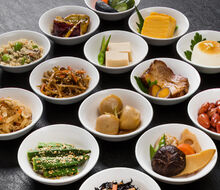
Room noodles
- Why eat them? In addition to carbohydrates, they contain a large amount of protein and effectively spice up your diet
- How to use them? As a carbohydrate side dish with meat or tofu.
- Where to buy them? In specialist health food shops or online
Although many of you would classify soba noodles (quite possibly because of the name alone) as a non-traditional source of carbohydrates, due to their high protein content they deserve a place here too. These are noodles made from buckwheat, which gives them 10g of very good protein and a huge amount of other health benefits, including rutin. The latter is known for its ability to increase the elasticity of blood vessels and thus prevent cardiovascular disease, but it has also been shown to lower LDL cholesterol. In addition, it is important to remember that soba noodles, due to their high carbohydrate content, function as a side dish, so when combined with meat, tofu or any other protein source, they are a truly complete protein with excellent usability.
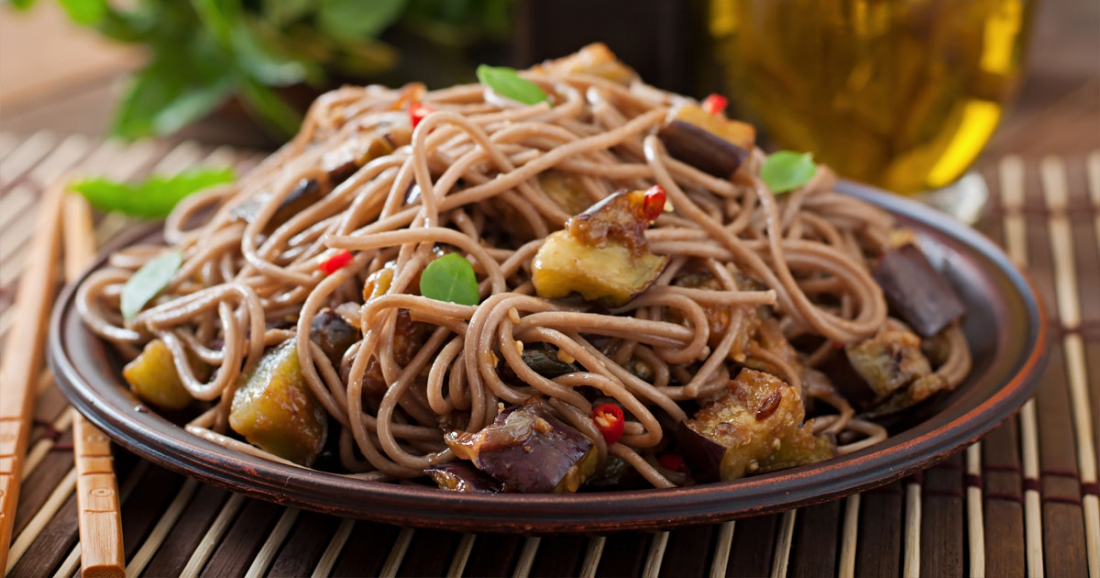
Soba noodles taste great not only with meat, but also with vegetables.
Kefir and Greek yoghurt
- It contains calcium, biotin and other nutrients important for athletes, in addition to protein.
- How to use it? In smoothies and with your morning cereal.
- Where to buy it? In specialist health food shops or online
Tired of yoghurt and other dairy products? Try using products that are not typical but have a similar nutritional profile. One example is kefir, which is fermented, which suits a whole range of people who are not too happy with conventional dairy products. In addition, it contains a huge portion of calcium, biotin and folic acid and can be consumed in a thousand different ways. It's great in fruit smoothies, you can pour it over muesli and even add it to various pancakes and other recipes. In short, it will always find a good use and it adds 10 grams of protein to your meal in one 250ml glass.
Greek yoghurt is similarly good. Although it is not fermented, it is still a change from traditional yoghurt. This is mainly due to the fact that it is devoid of whey, which results in both a thicker consistency and a slight change in the nutritional profile. In fact, it is characterised by a higher fat and protein content at the expense of a reduced amount of carbohydrates - in short, an ideal product for those of you trying to follow a low-carb diet.
Recommended

Collagen Beauty 120g 1+1
GymSupps XGen

Nebbia Clubhouse kalhoty CLUB D’OR 645
Crickets and cricket flour products
- Why eat it? 66% of the weight of crickets is well utilized protein.
- In the form of flour, it is suitable for baking any recipes, alone it can replace meat.
- Where to buy it? In specialist health food shops, online and in flour form even in some larger supermarkets.
Never heard of crickets as a source of protein? That's not surprising, although their popularity has been skyrocketing recently. And the Czech company Sens Food certainly has its share in this. This ingredient is often talked about as the food of the future, and no wonder - it is a quality source of animal protein, its farming is sustainable and its nutritional values are more than good.If you reach for cricket flour, which, by the way, is no different in properties from conventional flour (it is only gluten-free, which is an undeniable benefit for many people with gluten intolerance or sensitivity), you can bake your own bread or other baked goods. And what is the best? In 100 grams of this flour, you'll find 66 grams of great-for-you protein. And that's a hefty dose. Plus, there is scientific research that confirms that regular consumption of cricket products can improve the health of the gut microbiome.
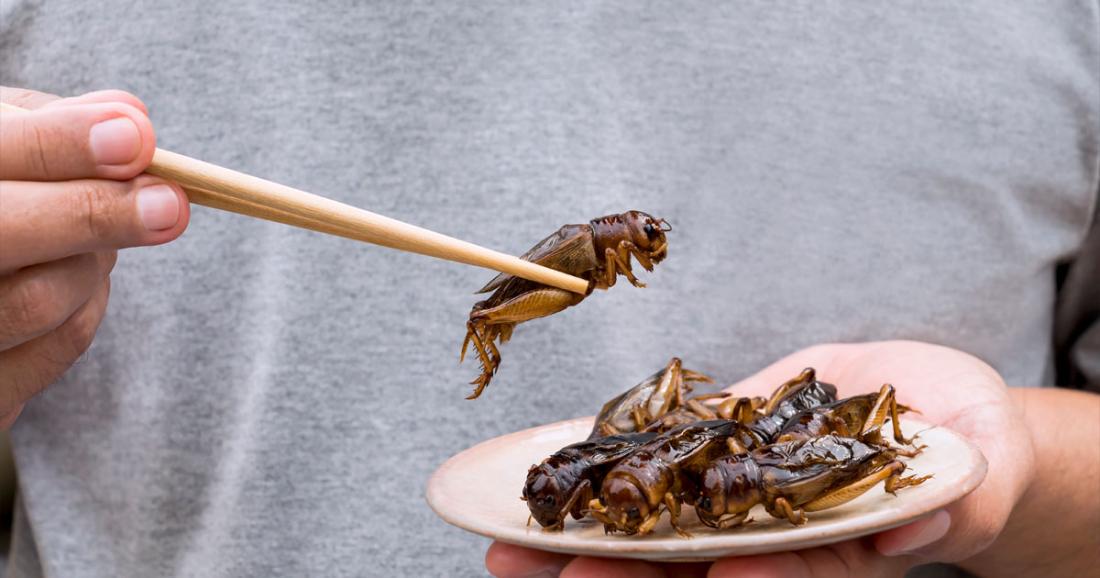
Crickets may not look very appealing at first glance, but you won't notice any change from the traditional cricket flour.
Seafood
- Why eat them? They contain a lot of protein and at the same time a minimum of carbohydrates or fat.
- How to use them? Like any other meat- for example, prawns are great with noodles and rice and, for example, sauce with coconut milk.
- Where to buy them? In supermarkets or specialist shops.
Although seafood has almost no popularity in our country, the vast majority of it has something to offer nutritionally. For example, such shrimps are even a concentrated protein, because in 100 grams they contain 24 grams of protein and only 1 gram each of fat and carbohydrates. In addition, they are also rich in a wide range of vitamins, minerals and omega-3 fatty acids. Unlike other seafood, prawns are really well available - you can find them frozen in any supermarket anywhere in the country, and of course in larger cities it is no problem to find them fresh in specialised shops. Although prawns are a wonderfully tasty and nutritionally rich food, it is important to remember that like any other seafood, including fish, they can be susceptible to the accumulation of certain heavy metals and therefore the optimum frequency of consumption of these foods is twice a week.

With lemon, spices and chilli sauce, prawns taste simply fantastic.
Spirulina
- Why eat it? Spirulinapowder contains over 60% protein and a variety of micronutrients.
- How to use it? In smoothies, porridges and on its own.
- Where to buy it? In specialist health food shops, online or in some supermarkets.
Spirulina is definitely not a typical food in our diet and most people probably only know it from some capsules intended for vegetarians. But if you get spirulina powder, it has almost 60 grams of protein in 100 grams, according to expert sources , which is equivalent to about 4 grams in one teaspoon of powder. You can add it to a variety of smoothies with fruit, in baked and unbaked recipes, or drink it on its own. In addition to protein, spirulina also contains a variety of micronutrients that, according to scientific studies, can, for example, eliminate yeast infection cells or lower LDL cholesterol. So while it's definitely not a food you'll base your entire diet on, it's definitely worth adding it to some dishes from time to time.

Hummus
- Why eat it? 6 grams of protein and a huge serving of micronutrients.
- How to use it? Together with bread, in the form of falafel, for example in tortillas or as a meat substitute.
- Where to buy it? Hummus is commonly sold in supermarkets, but if you want to avoid unwanted additives, make it at home.
Although hummus is an incredibly tasty food and, above all, simple to make, few people know it. Simply blend cooked chickpeas, add white tahini paste, a little oil and any spices you like (Roman cumin or red pepper is most often recommended, but there are no limits to your imagination). In 100 grams of prepared hummus, you will find 6 grams of protein, and in addition to a wide range of vitamins and minerals, it is also worth highlighting the demonstrably high lysine content. Lysine, on the other hand, is very deficient in wheat products. This means that if you spread hummus on bread or eat it in the form of falafel in a vegetarian tortilla with vegetables, you are getting a full spectrum of amino acids and therefore a very good meal.
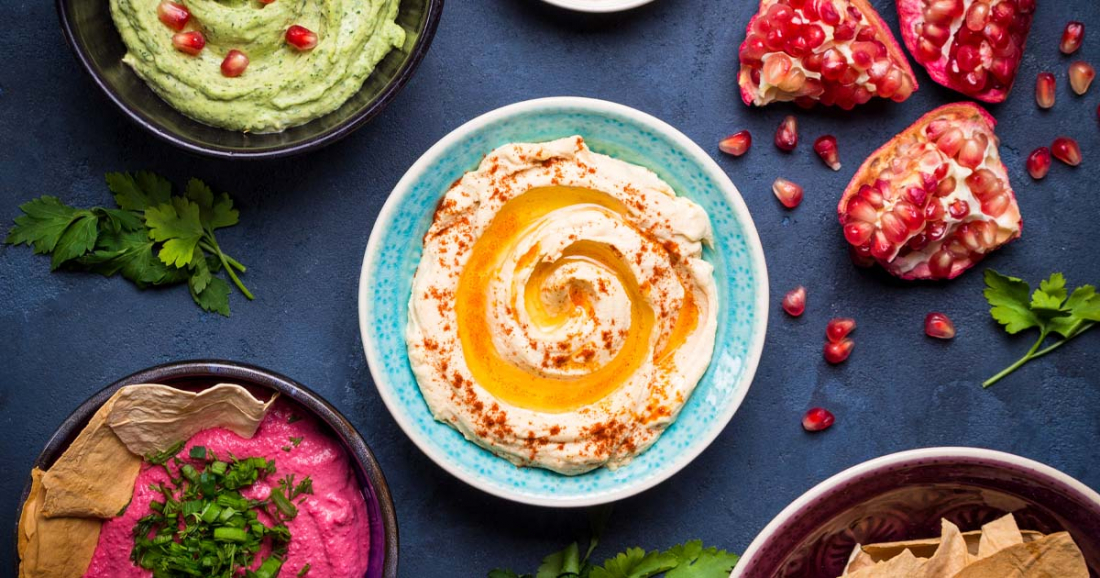
Although few people regularly include hummus in their diet, this food definitely has something to offer.
What to take away from today's article?
The main thing you should take away from today's article is that even the sources of protein in a bodybuilding diet don't have to be the same all the time. In our article today, we haven't presented all the options, because we could have mentioned, for example, different non-traditional meats (from venison to ostrich to kangaroo, each with slightly different nutritional values) or Skyr or goat and sheep milk products. But it's important not to be afraid to try different alternatives, because there's nothing worse than a stereotypical diet.
No posts have been made yet.








