





The Great Vitamin Review | What can you find in food, drink and supplements?
 Author:
 Although it may not seem like it, vitamins are all around us. You'd be hard pressed to find food, drink or supplements that are void of micronutrients. While it's true that some foods contain far more vitamins than others, they are present in some degree everywhere. So in our article today, we're going to break down vitamins in detail and tell you where you can find them everywhere.

Article content:
Water-soluble vitamins
The basic division of vitamins is into water-soluble and fat-soluble. All vitamins are extremely important for humans, but the water-soluble ones have one huge advantage - you don't have to worry about a decent excess. If you exceed the recommended daily allowance by a little, the body will simply excrete these vitamins in the urine. However, since most of them are excreted immediately, the body cannot store them for long periods of time and they must be taken in almost constantly, with a few exceptions. So what water-soluble vitamins do we know?
B vitamins
The B vitamins are extremely important in themselves, but physically active athletes and mentally stressed people should be especially careful to take them. Although there are 8 different B vitamins, incidentally referred to as the B-complex, most of them have largely similar effects and can therefore only be summarised briefly:
- VitaminB1 - Sometimes called thiamine, it helps to optimize the nervous system in our body and, like the other vitamins in this group, is involved in the metabolism of certain macronutrients. Important sources include meat, yeast and cereals.
- VitaminB2 - The name riboflavin is used for this vitamin and in addition to metabolism, it plays an important role in heart, skin and eye health. It is primarily found in animal sources such as meat (including offal) or dairy products, so vegans are particularly susceptible to deficiency.
- Vitamin B3 - Niacin provides energy metabolism for cells and is also important for proper cell signaling. Leafy vegetables, meat and yeast can be sources of niacin and a deficiency can lead to a disease called pellagra.
- Vitamin B5 - Pantothenic acid is one of the well-known B vitamins, as it is an ingredient in many cosmetics including, for example, bepanthen, where it helps to hydrate the skin and inhibit the development of wrinkles. When consumed from the diet or supplements, this vitamin helps with macronutrient metabolism and is also behind the synthesis of some amino acids. You can find it in avocados, yoghurt and wholemeal bread, for example.
- VitaminB6 - It doesn't so much refer to one specific vitamin as it does to three different derivatives - pyridoxal, pyridoxamine and pyridoxine. Their intake requirements increase with the amount of protein and are therefore important for athletes. Important sources include meat, offal, bananas or even potatoes.
- VitaminB7 - Biotin can be found in meat, milk and eggs and is extremely important for metabolism, gene expression and maintaining stable blood sugar levels. In addition, it is also extremely important in the action of a number of enzymes. Even exceeding the recommended daily dose by a factor of 100 does not bring side effects.
- Vitamin B9 - Folic acid is important not only for pregnant women, but also for athletes. It is involved in the growth and development of cells and the formation of red and white blood cells. The main source this time is not meat (although it is also found in it), but mainly leafy vegetables. For a normal person, a dose of 200 mcg is sufficient, for pregnant women it can be three times as much.
- VitaminB12 - Cobalamin affects DNA synthesis and is important for the proper functioning of the human nervous system. It is also interesting that as probably the only water-soluble vitamin, the body can store it in the liver for up to several years. Again, it is found primarily in animal foods from dairy products to meat.
B vitamins are extremely important and of great importance. If you happen to want to read more about them, we'll be sure to refer you to our separate and comprehensive article on B vitamins, where we go into more detail about scientific studies and recommended dosages.

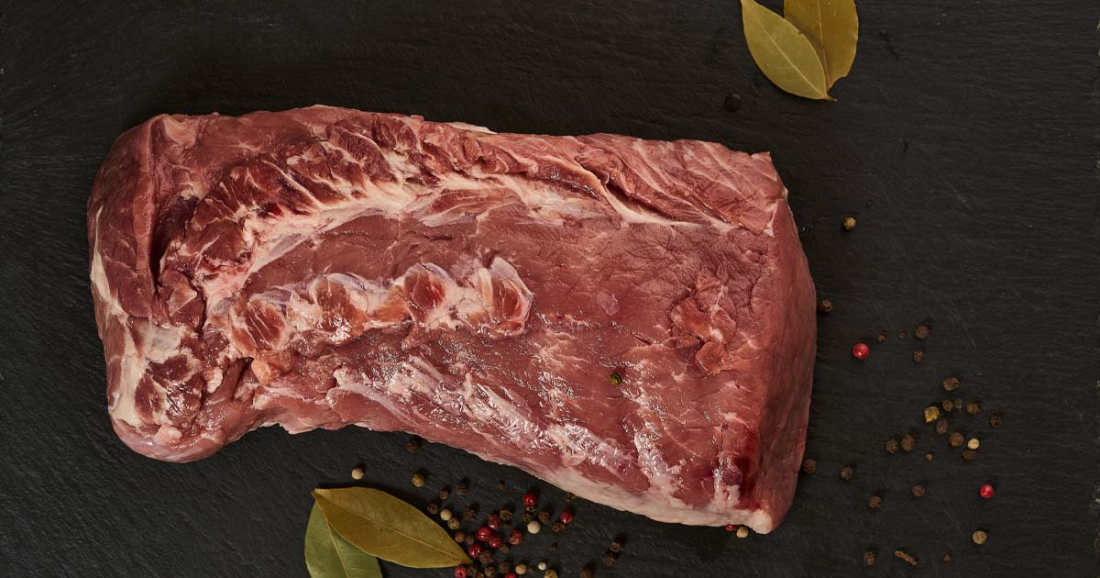
Various meats, offal and dairy products are great sources of B vitamins.
Vitamin C
The 9th and final water-soluble vitamin is vitamin C, for which the name l-ascorbic acid is used (especially in the food industry). It is absolutely essential for a good and happy life as it influences a huge range of reactions and functions. It is required for the metabolism of certain amino acids, as a result of which it plays an important role in, for example, the synthesis of collagen. This in turn influences the quality of skin, hair and nails, for example. Furthermore, ascorbic acid also ensures the proper absorption of iron, has been shown to support the immune system, and has also been said to affect ligaments and cartilage.
Although it seems that athletes may have increased requirements for its intake, it is certainly not deficient in our diets. It can be found abundantly in rose hips, acerola, blackcurrants, kiwi, broccoli, citrus fruits, strawberries, goji or cabbage, for example . It is best to consume these ingredients raw, as vitamin C is not stable when exposed to higher temperatures or light. In a balanced diet, you should still get enough, but if you want to boost your immune system before a tough winter, you can reach for liposomal vitamin C, which we've detailed in a separate article.

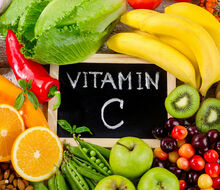

Rose hips are literally loaded with vitamin C, and therefore they can give a great boost to the immune system during the cold months.
Fat-soluble vitamins
The second category is fat-soluble vitamins. These are also extremely important, but unlike the water-soluble ones, the body can store them and use them later when needed. When taking various supplements, it is often desirable to discontinue supplementation for some time. In larger doses, they can be extremely toxic and cause serious illnesses. Fortunately, this is not so common. We distinguish between the following 4 vitamins:
Recommended

Vitamin A
Although we usually refer to it as a single vitamin, there are actually two active forms -A1 ( retinol) andA2 (3-dehydroretin). Sometimes you may see the term beta-carotene, however, this is not directly vitamin A, but its precursor. While the recommended daily allowance of vitamin A is 0.8 mg per day, in the case of beta-carotene it is six times that amount. This vitamin can be obtained from fish oil, eggs or milk, for example. But there are also vegan sources, primarily vegetables (spinach, broccoli, kale) and fruits (apricots, cherries).
The spectrum of vitamin A effects is extremely broad. Probably the most frequently mentioned is the positive effect on eyesight - its deficiency has been linked by scientists to impaired night vision. But in addition, it is a powerful antioxidant linked to a lower risk of certain cancers, supports the immune system and even affects the health of the musculoskeletal system.

Making an omelette for breakfast? Then you're getting a good dose of vitamins A and B.
Vitamin D
Vitamin D, like vitamin A, refers to a whole group of different substances, the most important of which for humans are D2 (ergocalciferol) and D3 (cholecalciferol). The importance of these compounds lies primarily in ensuring strong and healthy bones, which is achieved by ensuring proper absorption of calcium and phosphorus. In addition, studies suggest an effect on a lower risk of depression and even, according to some research, may promote fat burning. However, we also wrote more about it in a separate article.
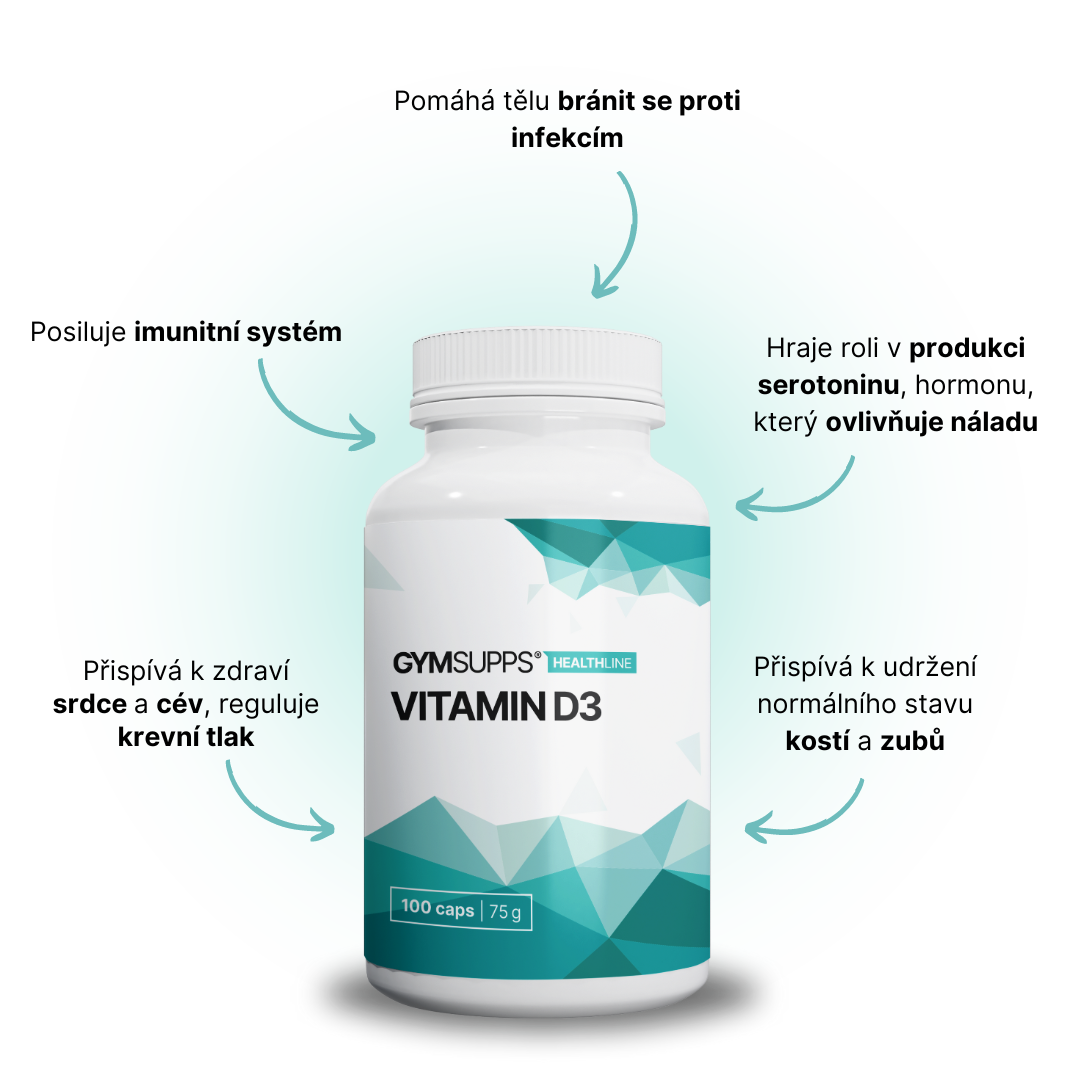
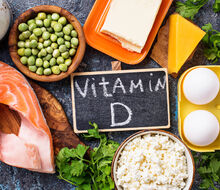
There are quite a few sources in nature, in particular yeast, eggs, milk or fish oil. However, its production is also important - as you may have heard, vitamin D is produced in our skin by the action of the sun's UV radiation. The recommended daily dose of this vitamin varies widely, but the Ministry of Health of the Czech Republic recommends an intake of between 25-50 μg. Most people can easily cover it through diet and their own synthesis during the summer months, but over the winter it is possible to include a supplement in the form of a good quality vitamin D.
Vitamin E
Vitamin E also refers to a whole group of different substances known as tocopherols and serves primarily as an antioxidant - many sources even say it is the most important antioxidant in the body. It protects cells from oxidative stress, helping to slow aging. But beyond that, there are studies pointing to a possible reduction in complications from osteoarthritis, it is said to help better manage diabetes and has even been linked to a lower incidence of cardiovascular problems. We also wrote a whole separate article about this very important vitamin.
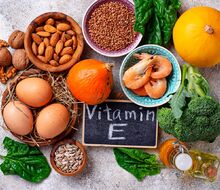
The recommended daily intake for an adult is between 8-19 mg and the most important sources are various seeds and oils, nuts, meat, butter and dairy products. Most of these sources contain vitamins K and C in addition to vitamin E, and the daily intake can easily cover a balanced diet. Further supplementation therefore makes little sense for most healthy people.
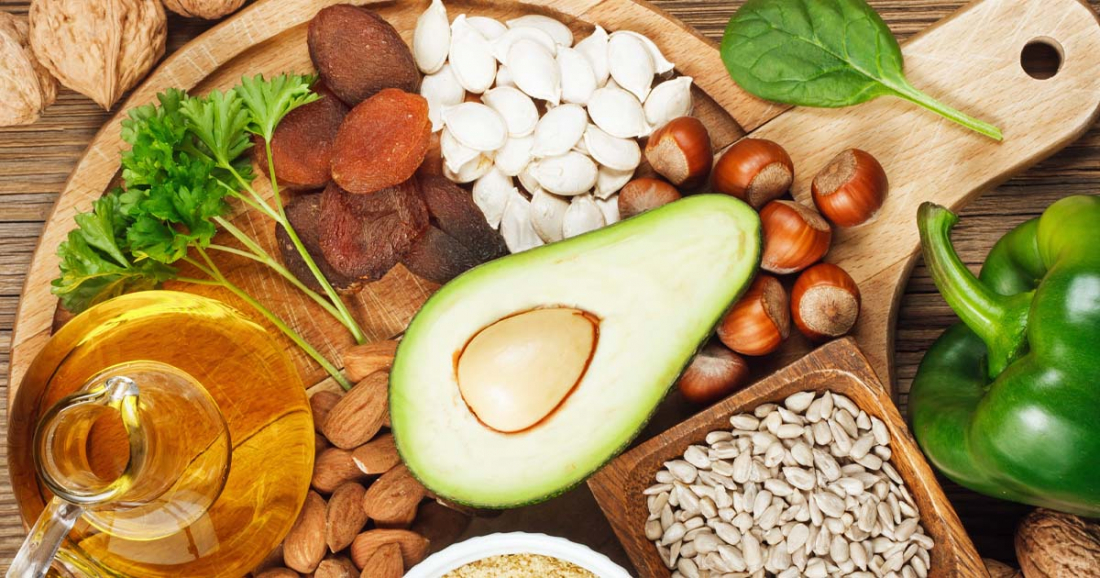
If you have a healthy and balanced diet, you don't need to worry about external vitamin E supplementation.
Vitamin K
Vitamin K is absolutely essential for proper blood clotting, after all, the letter K was given from the German Koagulation, meaning clotting. Again, there are several variants - K1 synthesised by plants, K2 produced by bacteria and K3, which is fully synthetic and is found in animal feed rather than in the human diet and is metabolised to K2 in the body. Rather curiously, K1and K2 behave differently in the body, the former being concerned with blood clotting and the latter more with bone mineralisation and cell growth.
K2, like vitamin D, can be synthesizedby the body itself, specifically by bacteria in the intestines. However, it is good to increase its levels through diet - specifically vitamin K can be found in leafy vegetables, yeast and vegetable oils. It is also advisable to supplement it in the form of supplements, but in this case always reach for the K2 variant. Expert sources suggest that K1 has a much lower availability. It is most ideal to take it together with vitamin D, which is what most good supplements do.
What to take away from today's article?
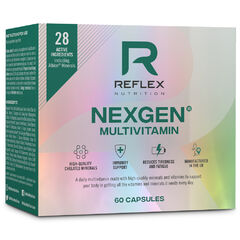
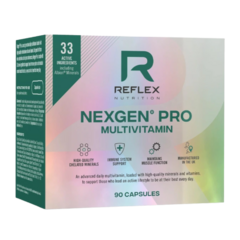
The main thing you should take away from today's article is that vitamins are extremely important substances that should not be forgotten in nutrition. However, if you have a varied and balanced diet, you can certainly do without any excessive supplements. We would recommend using a reliable multivitamin that will enrich your diet with the most important things. Other supplementation is rather up to each individual - vitamin B can be taken for digestive problems, vitamin C is good for boosting the immune system in winter for example, and vitamins D and K can be supplemented with a single supplement especially in winter. In the case of vitamins A and E, a rich diet is absolutely sufficient and supplementation is not necessary.
Recommended
No posts have been made yet.








