





Ten foods that are ideal for preparing a healthy and nutritious breakfast
 Author:
 For many of us, a good quality, nutritious and, last but not least, tasty breakfast is the basis for a good day. If you belong to this group, we recommend you keep reading. Today, we're going to take a look at nine foods that are extremely suitable for preparing a breakfast that gives us energy for the morning and pleases our palate. And don't worry - both sweet lovers and those who prefer more savoury options in the morning will find something to enjoy. Forget about bought cereals or quick snacks bought during the sprint to work and come with us to put together a really healthy, nutritious and tasty breakfast that you will look forward to every morning!
Eggs
Of course, we can't start with anything other than just eggs. Eggs are such a little nutritional treasure and a superfood in the truest sense of the word! They are one of the very basic foods, they are easily accessible, they don't cost millions and they have a high biological and nutritional value. Eggs are an excellent source of high quality proteins that promote muscle synthesis. Since proteins take a while for the body to digest, eggs can also keep us full for quite a long time. This is not only good for the fact that we can then concentrate on work for longer and not suffer from a growling stomach, but it's also a great tactic for fat reduction.
You can find the full recipe for porridge with a poached egg HERE!
An egg is made up of two parts - the white and the yolk, and the two parts offer different nutritional benefits. The egg white is distinguished by its high biological value protein content, minimal fat and very low caloric value. In contrast, the yolk is high in fat, contains less protein, logically has more calories and is really rich in a number of important micronutrients. It is a good source of selenium, phosphorus, vitamin D, choline and vitamin B12. Egg yolks are rich in lutein and zeaxanthin - antioxidants that are important for the health of our eyes and help prevent disorders such as cataracts and macular degeneration. Eggs are also one of the best sources of choline, a vital nutrient for brain and liver health.
It is clear from the nutritional profile that it is not necessary to consume only one part of the egg or the other, but that together they form a very nutritious food providing a full spectrum of nutrients important for overall health. The nutrient content varies not only from the egg white/yolk perspective, but is also influenced by the particular treatment chosen for the eggs. If you prepare scrambled eggs, an omelette or even a good spread, and top it with some good bread and vegetables, you can be sure that you are giving your body a really good breakfast that will fill you up and we have no doubt that you will enjoy it too.

Greek yoghurt
Greek yogurt is another great food option - especially if you prefer speed in the morning. It's made by coagulating whey and other liquid from the curd of milk, creating a creamy product that's richer in protein than regular yogurt. Unlike regular yogurt, Greek yogurt is lower in calories, lower in fat and higher in protein. In addition, Greek yogurt is full of beneficial nutrients such as calcium, vitamin B12, zinc, potassium and phosphorus. However, remember to only reach for the white, unflavoured version, which can be flavoured at home to suit your fancy. This avoids the fact that sweetened yoghurt will give you a large amount of sugar first thing in the morning, which can make you drowsy, plus we can definitely find more suitable sources of sugars - perhaps from a piece of fruit.
Some types of Greek yoghurt are also a good source of probiotics, which are important for the proper functioning of our digestive system and for a strong immunity. If you want to be sure that your Greek yogurt contains probiotics, look for the phrase "contains live and active cultures" on the label. Greek yoghurt can be complemented with homemade granola, fruit and nuts, for example, or used as a protein source in porridge for a lovely creamy texture.
Oatmeal
Oh yeah, we can't follow up with anything other than oatmeal. Porridge is perhaps one of the most popular breakfast choices ever, and we're not surprised! Not only does porridge warm and fill you up, but it can be made in countless variations and tastes great every time, making it a truly ideal breakfast choice. Oatmeal is a very interesting ingredient from a nutritional point of view. They are a source of complex carbohydrates and contain a unique fibre called beta glucan. This soluble fibre not only helps to lower cholesterol but also promotes a feeling of satiety.
In addition, oats are a good source of iron, B vitamins, manganese, magnesium, zinc and selenium. Oatmeal is also a fairly good source of vegetable protein - approximately 10 grams can be found in one cup. However, it's a good idea to supplement oatmeal with another source - protein powder, yogurt, or even an egg. Then just top it with fruit, peanut butter or chocolate and you have the perfect, balanced and delicious breakfast!
Oats are a naturally gluten-free cereal and contain the protein avenin, which is usually well tolerated by people with allergies. However, it is often processed together with gluten-containing cereals, which increases the risk of cross-contamination. People with gluten intolerance or allergy should therefore choose products that are guaranteed to be gluten-free on the packaging.
Find the recipe for protein porridge with apples and cinnamon HERE!
Berry fruits
A variety of berries, from blueberries to raspberries, blackberries to strawberries and more, are a great source of antioxidants. Most berries are high in fiber, which promotes satiety and is important for strong immunity and proper functioning of our intestines. One serving of berries (about 120g) offers approximately 8g of fibre, which is a really impressive amount. As a bonus, berries are also very low in calories, making them an ideal choice for weight loss diets.
Berries also contain antioxidants called anthocyanins, which give them their characteristic blue, purple or red colour. A diet high in anthocyanins has been linked to a reduction in inflammation and a lower risk of diseases such as heart disease and some cancers. In addition, anthocyanins are associated with promoting both brain health and performance and may protect against mental decline associated with aging. You can buy berries fresh year-round or feel free to reach for frozen ones over the winter. Add them to Greek yogurt, cottage cheese, oatmeal, or use them to make a protein-packed breakfast smoothie.
Chia seeds
Chia seeds are incredibly nutritionally packed and are a great source of beneficial fibre. Chia contains both soluble and insoluble fibre. Soluble fiber in particular has the ability to bind water, which increases its volume, leading to an increased feeling of satiety. The highly soluble fiber in these seeds can also help stabilize blood sugar levels and is beneficial for heart health. Chia seeds aren't the richest in protein, but this can easily be treated by adding them to yogurt or mixing them with protein. Chia can be sprinkled on top of porridge, added to a smoothie or breakfast bowl of yoghurt, but you can also use them to make a simple and tasty pudding.
Find the full recipe for coconut chia pudding HERE!
Rye bread
Another immortal breakfast variation that we give the thumbs up to is sandwich bread. In particular, we recommend rye or wheat-rye bread. As well as containing complex carbohydrates and a decent dose of protein, it is also an important source of fibre and minerals. And what to put on the bread? Well, there are no limits to the imagination! Try a classic variation with scrambled eggs, use cream cheese, ham and cheese, make a good spread, serve instafriedly avocado toast or try something completely out of the ordinary. How about a combo of goat cheese, figs and honey?
Nuts
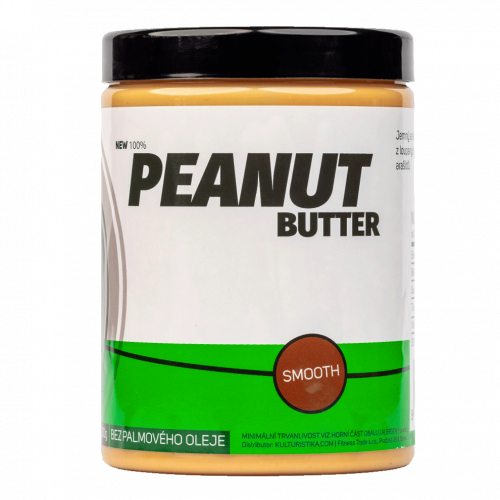
Nuts are also a great ingredient for making a balanced and tasty breakfast that will give you energy and kick-start your brain. Nuts of all types are high in magnesium, potassium and heart-healthy monounsaturated fats. They are also a great source of antioxidants. Nuts are quite fatty, but unlike sweets or sausages, they contain mostly fats that are beneficial to our health. Nuts also contain vitamins, minerals and fiber, so they can fill you up very well. Consuming nuts and is associated with promoting brain health, cardiovascular health and many other health benefits. Throw a few nuts into a bowl of your morning porridge, yoghurt or even a smoothie and tweak your breakfast to perfection - both in taste and nutrition! Peanut butter works just as well, but be careful to make sure it only contains nuts.
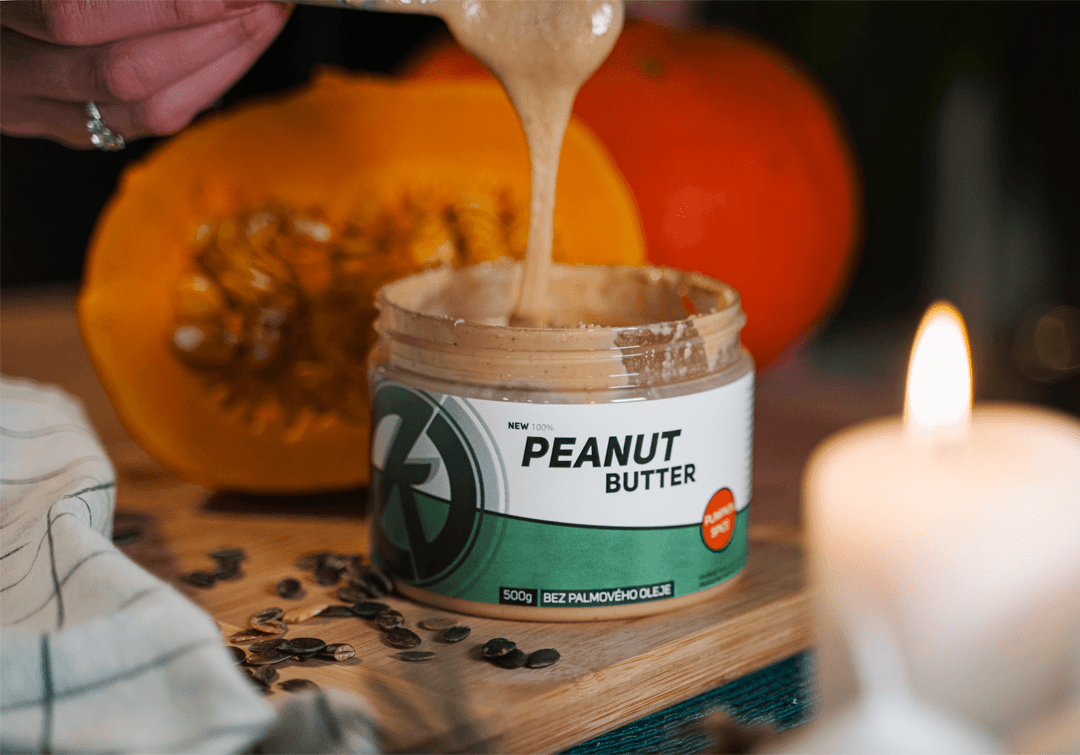
Try our peanut butter!
Protein
A supplement that's now an absolutely staple in our diets and a great choice for making a balanced breakfast is protein powder. There are, of course, a number of different types - from whey, to multi-ingredient, to different plant-based variants. Each of them, of course, has its own specific characteristics and offers specific benefits. In general, protein is important for many bodily functions. They provide enzymatic reactions, are crucial for maintaining and building muscle mass, and also, for example, serve to support healthy skin and hair. In addition, proteins have the ability to fill you up very well, contain a small amount of calories and yet are really nutritious, making them a super food suitable for weight loss diets. You can use protein powder in smoothies, porridge, various pancakes or pancakes, or you can use it to sweeten and nutritionally enrich a good homemade bun. There are no limits to your imagination here either!

Other fruits
In addition to the berries we have already mentioned, other fruits are of course a good part of breakfast. Most fruits are relatively low in calories but have a good amount of fibre and a variety of vitamins and minerals. The fibre in fruit helps to slow down the absorption of sugars and provides you with a steady source of energy. Many fruits offer high levels of vitamin C, which acts as an antioxidant and plays a key role in overall health. The antioxidant content depends on the specific type of fruit and its colour. Therefore, it is important to rotate fruit types.
Research shows that eating fruit can offer a really long list of benefits, such as a reduced risk of heart disease and cancer, lower rates of depression and in turn better mood, and the fibre content of all fruit is beneficial for promoting health and proper bowel function. However, we don't recommend eating fruit on its own in the morning - supplement it with some protein - such as yoghurt, cottage cheese, eggs, cottage cheese or perhaps protein powder.
Green tea
Green tea is a beverage that will give you the perfect kick-start in the morning. It contains caffeine, a stimulant that increases alertness and can improve your mood. But one cup of good quality green tea contains only 35-70 mg of caffeine, which is about half the amount in the same serving of coffee, so you avoid over-stimulation first thing in the morning, which is of course to your benefit.
Recommended
Zdravý den Chia semínka BIO
Green tea is also high in L-theanine, a compound that helps induce relaxation and can reduce the tension associated with caffeine intake. It can also boost mood and reduce feelings of anxiety or depression. Last but not least, green tea is a source of a compound called EGCG (Epigallocatechin-3-gallate), an antioxidant that protects against chronic diseases such as heart disease, type 2 diabetes and mental degradation. In addition to the aforementioned, green tea can boost our metabolic performance in a mild way, but definitely don't rely on the fact that just drinking green tea is enough and you don't have to follow a healthy diet and play sports anymore - green tea really doesn't work that miracles.
What to take away from the article?
Today we've focused on foods that are extremely convenient to incorporate into breakfast. Firstly, because they are nutritionally interesting and packed with various health benefits, but also because they have benefits that our body really appreciates in the morning. Most of them are also delicious and filling, which is a nice extra bonus that will help us function at our best all morning. Try scrambled eggs with rye bread, porridge with protein and fruit, or pancakes with Greek yoghurt and peanut butter.
Sources:
Tamargo, A., Martin, D., Navarro Del Hierro, J., Moreno-Arribas, M. V., & Muñoz, L. A. (2020). Intake of soluble fibre from chia seed reduces bioaccessibility of lipids, cholesterol and glucose in the dynamic gastrointestinal model simgi®. Food research international (Ottawa, Ont.), 137, 109364.
Rebello, C. J., Chu, Y. F., Johnson, W. D., Martin, C. K., Han, H., Bordenave, N., Shi, Y., O'Shea, M., & Greenway, F. L. (2014). The role of meal viscosity and oat β-glucan characteristics in human appetite control: a randomized crossover trial. Nutrition journal, 13, 49. https://doi.org/10.1186/1475-2891-13-49
Kalt, W., Cassidy, A., Howard, L. R., Krikorian, R., Stull, A. J., Tremblay, F., & Zamora-Ros, R. (2020). Recent Research on the Health Benefits of Blueberries and Their Anthocyanins. Advances in nutrition (Bethesda, Md.), 11(2), 224-236. https://doi.org/10.1093/advances/nmz065
Marventano, S., Vetrani, C., Vitale, M., Godos, J., Riccardi, G., & Grosso, G. (2017). Whole Grain Intake and Glycaemic Control in Healthy Subjects: A Systematic Review and Meta-Analysis of Randomized Controlled Trials. Nutrients, 9(7), 769. https://doi.org/10.3390/nu9070769
Gebauer, S. K., Novotny, J. A., Bornhorst, G.. M., & Baer, D. J. (2016). Food processing and structure impact the metabolizable energy of almonds. Food & function, 7(10), 4231-4238. https://doi.org/10.1039/c6fo01076h
McArthur, B. M., & Mattes, R. D. (2020). energy extraction from nuts: walnuts, almonds and pistachios. The British journal of nutrition, 123(4), 361-371. https://doi.org/10.1017/S0007114519002630
Li, M., & Shi, Z. (2019). A Prospective Association of Nut Consumption with Cognitive Function in Chinese Adults aged 55+ _ China Health and Nutrition Survey. The journal of nutrition, health & aging, 23(2), 211-216. https://doi.org/10.1007/s12603-018-1122-5
Williams, J. L., Everett, J. M., D'Cunha, N. M., Sergi, D., Georgousopoulou, E. N., Keegan, R. J., McKune, A. J., Mellor, D. D., Anstice, N., & Naumovski, N. (2020). The Effects of Green Tea Amino Acid L-Theanine Consumption on the Ability to Manage Stress and Anxiety Levels: a Systematic Review. Plant foods for human nutrition (Dordrecht, Netherlands), 75(1), 12-23. https://doi.org/10.1007/s11130-019-00771-5Carbone, J. W., & Pasiakos, S. M. (2019). Dietary Protein and Muscle Mass: Translating Science to Application and Health Benefit. Nutrients, 11(5), 1136. https://doi.org/10.3390/nu11051136
Lam, F. C., Bukhsh, A., Rehman, H., Waqas, M. K., Shahid, N., Khaliel, A. M., Elhanish, A., Karoud, M., Telb, A., & Khan, T. M. (2019). Efficacy and Safety of Whey Protein Supplements on Vital Sign and Physical Performance Among Athletes: A Network Meta-Analysis. Frontiers in pharmacology, 10, 317. https://doi.org/10.3389/fphar.2019.00317
Kakutani, S., Watanabe, H., & Murayama, N. (2019). Green Tea Intake and Risks for Dementia, Alzheimer's Disease, Mild Cognitive Impairment, and Cognitive Impairment: A Systematic Review. Nutrients, 11(5), 1165. https://doi.org/10.3390/nu11051165
No posts have been made yet.








