





Tap water: The foundation of every day, or the foundation of big problems?
 Author:
 Water is the very foundation of our lives and we would hardly last a few days without it. But at the same time, it has become quite a controversial and debated topic over the past few years - even though we are one of the countries where even tap water is of relatively high quality, it still does not mean that it is ideal for drinking. But can we help ourselves if we buy bottled water? That's what we look at in our article today.
Article content:
- What is water actually good for?
- Tap water is the best, right?
- Isn't it better to buy plastic water?
- Find your own well instead
What is water good for?
Water is the substance in which life itself was created and, as it makes up around 60% of the human body's mass, it is quite obvious that we cannot function without it. Water helps keep vital organs running, participates in digestion, regulates body temperature, removes waste products from the body and much more. And as we mentioned in our separate article called Focus on Drinking, even very mild dehydration can cause fatigue and headaches as well as impair concentration. But where to get water from? That's a question most of you have probably never thought about, except that water is so important to us that it's definitely worth keeping everything associated with it properly covered and never drinking any that doesn't pass analysis.
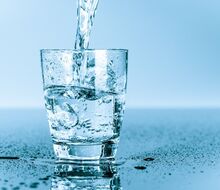
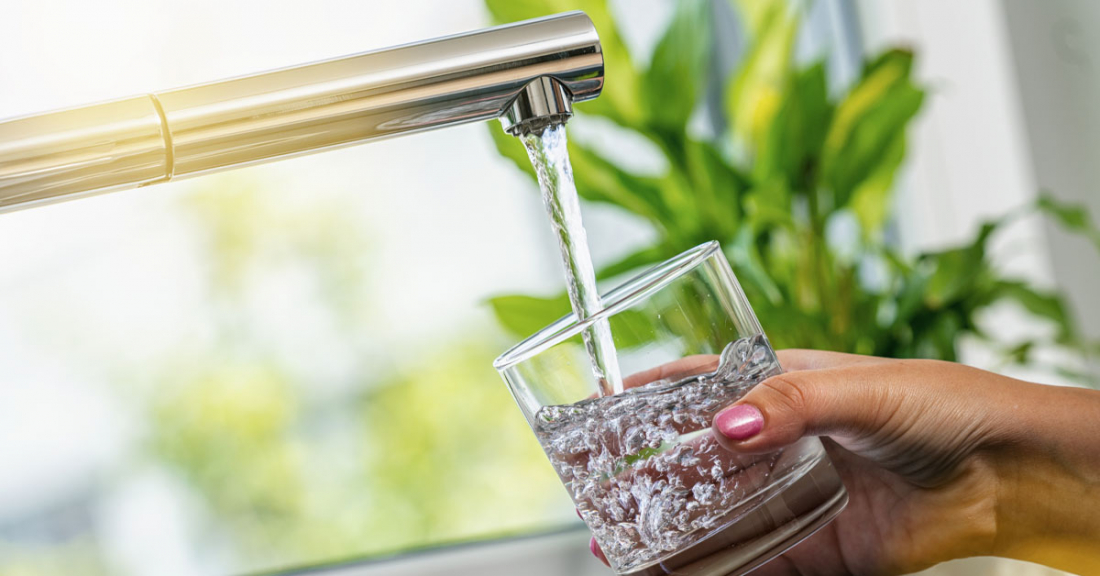
Water is incredibly important to us and its quality should not be underestimated.
Tap water is the best, right?
If you've ever visited the Greek islands or Albania, for example, you'll know that the quality of the water there is really terrible in some places and the locals always bring big barrels of water from the supermarket. But we don't have this problem here and the Czech water is drinkable in the vast majority of our territory. Moreover, water from a municipal source regularly undergoes a series of tests and must therefore meet fairly strict parameters, which state that the concentration of certain potentially problematic substances must not exceed a clearly stated limit. However, as you can probably guess, not exceeding the limit does not mean that the water is completely free of these substances. Quite the contrary. So what could be lurking in your tap water?
Chlorine
Of course, tap water is chlorinated. But is that a good thing? On the one hand, it certainly is, because chlorine kills bacteria, viruses and germs very effectively and its addition to water has stopped the spread of many infectious diseases, among other things. On the other hand, however, chlorine is a potentially carcinogenic substance, which can also react with organic substances in the water to form other potential carcinogens. Last but not least, some people complain about the taste and smell of chlorinated water. Although this substance is much demonised by many people, in fact, according to the WHO, chlorine poses only extremely low risks compared with what would happen if the water were not chlorinated. At the same time, there are scientific studies that show that chlorinated water does not interfere with the composition of the microbiome in children. Unless you're going to Gibraltar, for example, where the chlorination rate is much higher, you probably don't need to worry about it too much. At most, you can let the water sit for a few minutes or rely on various filtration methods, which we'll cover later in this article.
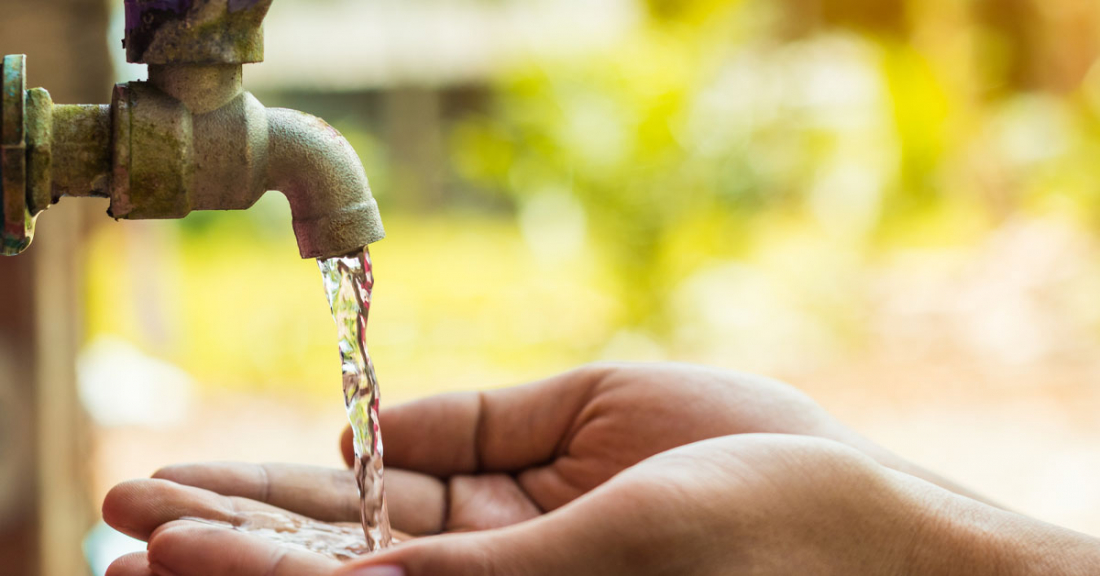
Although chlorine has been rather demonised lately, without its use the quality of the water would be much lower.
Heavy metals
In addition to chlorine, there are a number of other substances that can be found in water, the primary ones worth mentioning are heavy metals such as lead, aluminium, nickel, cadmium and many others. Heavy metals have one major disadvantage - you cannot detect them on your own, as they are colourless, odourless and do not affect the taste of the water. These metals usually enter the water through industrial waste - for example, lead can come from batteries and mercury from old thermometers or tonometers. Long-term exposure to these substances can be carcinogenic, affect the health of the foetus and cause various rashes and other health complications.
Iron
Special attention should be paid to iron, which can also be released into the water. In nature, it can enter the water through many routes, but the most common problem is if you live in a house with older iron pipes. There can be a huge amount of rust in these pipes, and as the water in these pipes can stand for some time, this obviously affects the quality of the water and the iron content.
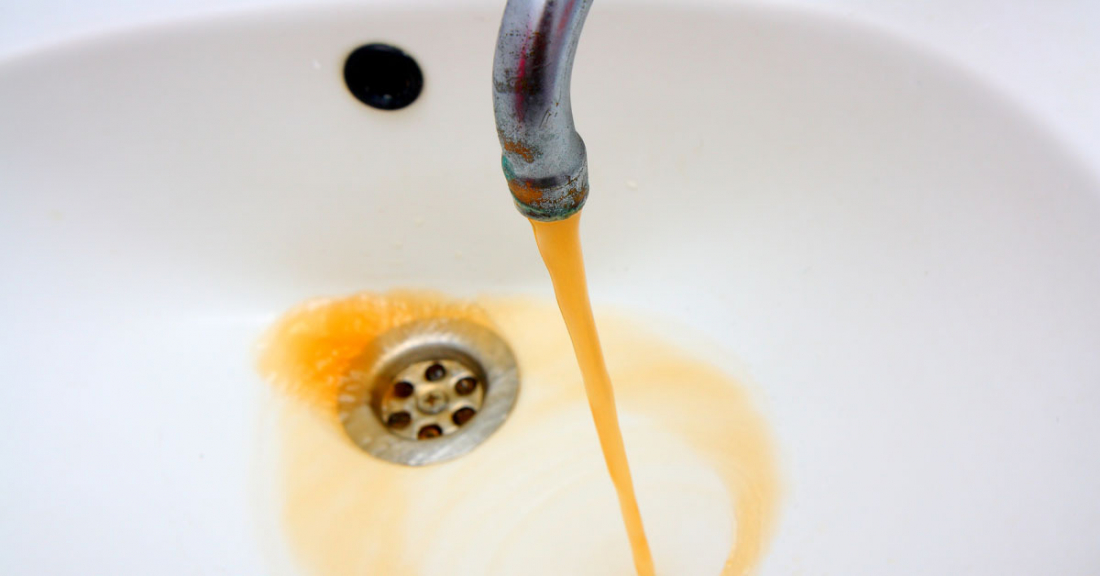
If you live in a house with old iron pipes, excessive amounts of rust can also get into the water, which will of course show up in discoloured water.
Residues of contraceptives, estrogens and other drugs
Of course, many articles mention that you may find, for example, estrogen residues or other drugs in the water that the sewage treatment plants are unable to remove. But in this case, there is currently no reason to panic - as expert articles show, elevated concentrations of estrogen are strictly a surface water issue, and deep well water is still perfectly safe. Not to mention that even those treatment plants that are unable to remove estrogen completely still eliminate most of it. With this residual estrogen content, there are as yet no relevant scientific studies to suggest any danger. But that does not mean, of course, that the issue of estrogen in water will not be much more serious in the future. For now, though, it may not make you too upset.
Nitrates, nitrites and pesticides
The last chapter we would like to address in relation to drinking water is nitrites, nitrates and pesticides, which are substances usually associated with agricultural production. The first two substances are relatively abundant in water, although their levels can vary quite a lot seasonally. However, the levels of nitrite and nitrate are still not even close to the established limits - in this context, it is worth mentioning the Prague Water Supply and Sewerage Authority's website, where you can find out directly the amount of each substance in your city or street on an interactive map. While the limit for nitrates is 50 mg per litre and for nitrites 0.5 mg per litre, for example, in Prague's Korunní district, 22 mg of nitrates per litre of water were measured, and in the case of the latter, the amount was even less than 0.01 mg. Similarly, the amount of pesticides in the water is currently low and need not be of any concern. Pesticides, of course, also have limits and are regularly checked, so you need not worry at all.

Agricultural fertilisers can be a source of nitrite and nitrate in drinking water. However, the actual levels in the water do not even come close to the set limits for many sources.
Isn't it better to buy plastic water?
So tap water, which many of us have come to regard as the imaginary holy grail of our drinking regime, in fact contains not only chlorine but also heavy metals, iron, drug residues and various waste products from fertilisers and pesticides. One might therefore wonder whether it would not be better to buy water made of plastic, as they do, for example, in the Greek island states. But unfortunately PET bottles can leach heavy metal ions and phthalates for a change, and BPA, which is used in the manufacture of many plastic products, is a rather controversial substance with many other negative effects on our health, which we discussed in detail in our article on why not to buy the cheapest shakers. Not to mention that buying water in single-use plastics isn't environmentally friendly either - once you stopped using tap water for drinking and cooking (because you can't get rid of many of the substances in water even by boiling it), you'd probably throw away as many as five to ten plastic bottles every day. And that's obviously bad from an ecological and environmental point of view.

You better find your own well
Once it no longer makes sense to drink tap water and plastic water, it's probably best to take your glass bottle and go and get some water from a nearby well. At least that's what some experts recommend. Actually, this runs into two basic problems:
Impracticality
Suppose you drink 3 litres of water every day and use the other 3 litres for cooking. And who among us has the time these days to take their glass bottles and go to a well in the woods? Not to mention that it can take quite a bit of time just to find a suitable well.
The need for regular analysis
More fundamental than impracticality is the fact that just because you fill up your water at a well does not mean it will be suitable for drinking. And it certainly doesn't mean that it will be better than the water you have at home. Almost certainly, such water will not be chlorinated, which can mean a high incidence of various bacteria. It may also have a much higher content of the aforementioned nitrates and nitrites, which are linked to the fertilisation of the surrounding fields. So when you find a well, you should get a reliable water analysis. And then continue to do this ideally on a monthly basis, as the level of each of the negative components can be influenced by, for example, how much it rains or whether any products are currently being applied to the fields. And of course, such water is also more expensive. So, despite the recommendations of some experts, well water is not an ideal choice either.
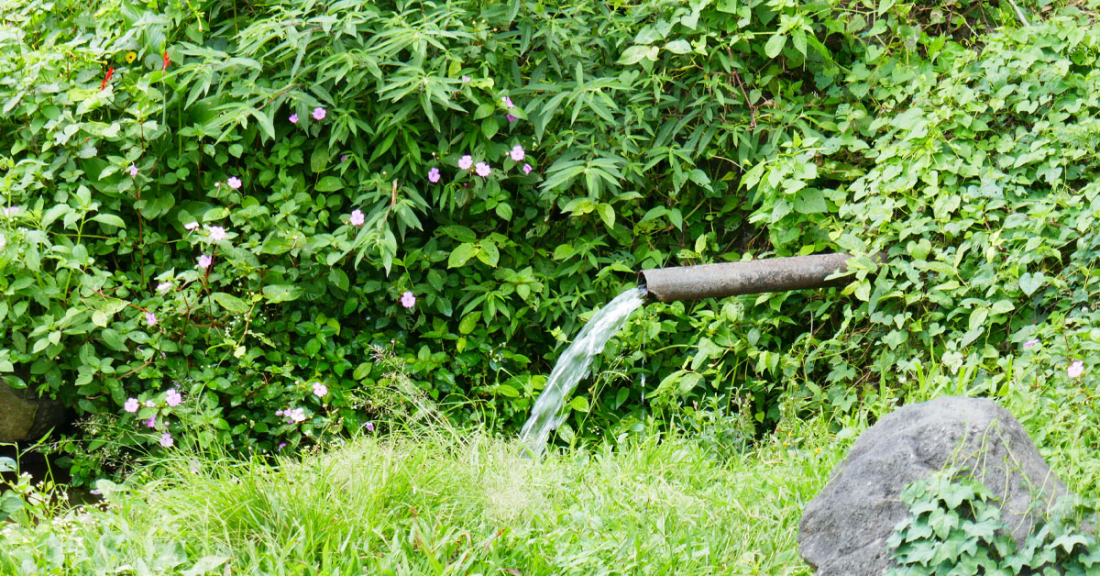
The fact that water is from a well certainly does not guarantee its purity and suitability for drinking.
So what should I do?
At the end of today's article, in which we have thrown dirt on tap water, plastic bottle water and water from forest wells, we should of course come up with a solution. And that's pretty simple - don't be afraid of either tap or bottled water. Of course, there are some negative substances in the water, but that doesn't mean you should stop drinking it altogether. Still, there are a few recommendations we have for those of you who don't want to take the quality of your drinking water lightly.
Get a reliable water analysis
You can't address problematic water quality without knowing what problems your water has. So a reliable water analysis should be the basis of everything. If you get your water from a municipal supplier, you'll know that they regularly publish water analyses. But the problem is that the water tested by them still travels a long way to your tap - so rust or other substances can appear even in good quality water due to your lack of equipment. In the case of municipal water, however, generally speaking, the cheaper variants of water analysis will suffice, as, for example, in well-equipped new buildings, a minimum of problems is expected. The moment you have water from your own well, it is definitely a good idea to buy a really comprehensive water analysis that will reveal any potential deficiencies.
Buy the necessary equipment
Once you've uncovered the problem, you can come up with a solution. Sometimes it helps to replace the boiler, sometimes it's effective to buy a water filter, for example. Even the cheapest filters are effective and you'll see that they can improve the taste of the water dramatically. They cost around 1,000 crowns and usually last 2 to 3 months, after which you only need to replace the cartridge, which costs around 250 crowns. Once you have bigger problems with the water, you may need to replace the pipes or buy more powerful filters. The recommended ones are those that work on the principle of reverse osmosis, which will ensure the mineralization of the water and also remove many microorganisms.
Well, that's it for this comprehensive article on drinking water. In conclusion, we would like to remind you once again that there is no need to panic, because the quality of drinking water in the Czech Republic is certainly not so bad that we have to be afraid to drink it. But of course, you can't go wrong by analysing the water and then buying a filter.
Recommended

Nebbia Oversized tričko LIFTING CLUB 353

Nebbia Classic HERO sportovní podprsenka 579

Nebbia Crop top tílko CONFIDENCE 476

No posts have been made yet.








