Simple tips to boost natural testosterone production
 Author:
 Testosterone is a hormone that is very important for the health of (not only) men. It is well known that testosterone levels decline with age, and so testosterone and the natural and artificial increase in its production is a very common topic. As a result, there are a lot of myths and half-truths around this hormone. Today, let's take a look at what testosterone actually does in the body, what the symptoms of testosterone deficiency are, and what simple daily habits can boost its production naturally.
Theoretical window - what is testosterone?
As mentioned in the opening lines - testosterone is a steroid hormone that is crucial for both men and women, in several different areas. It is especially important for the male part of the population, which is what we will focus on in today's article, so ladies will forgive. Testosterone is not only a human hormone, but animals have it as well. Testosterone is derived from progesterone, which is formed by modifying the carbon skeleton of cholesterol. Thus, the human body itself can produce it - in men it is produced in the testicles, precisely in the so-called Leydig cells. Testosterone is found in plasma in two forms - free (2%) or bound (98%). In the bound form, it binds to specific plasma proteins (SHGB and TeGB, 44%) or to albumin (54%). Only the free form and the albumin-bound form are biologically active.
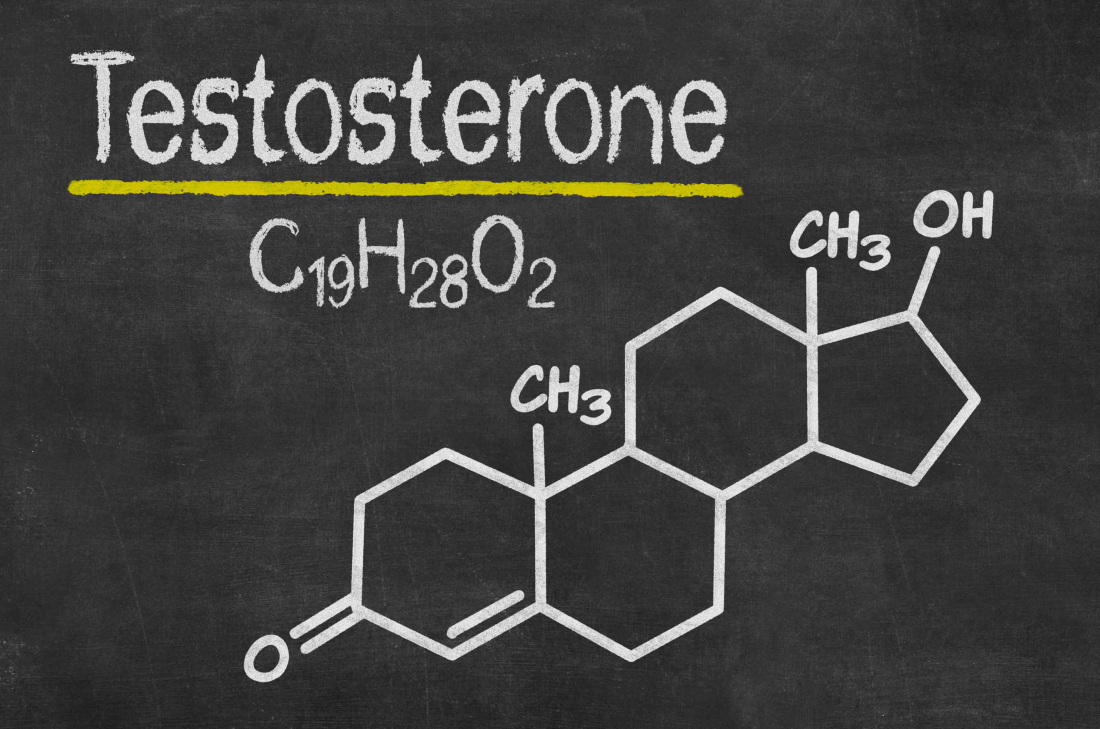
Testosterone acts on spermatogenesis (sperm production) and influences the development of sexual characteristics at puberty. Men produce 30-50% more testosterone per day than women. In men, levels are highest in the morning, which explains why men have many times the appetite for sex in the morning. In addition to ensuring fertility, stimulating libido, and regulating sexual difference, testosterone is also important for our bone health, cardiovascular health, and may play a role in relieving pain. Aside from the aforementioned, of course, testosterone is also important for muscle size and strength - it's clear that men have the upper hand in this regard, as their testosterone levels are naturally much higher than those of women.
How does a deficiency manifest itself?
Daily testosterone production in an adult male is 3-10 mg and normal plasma concentrations of total testosterone range from 8-34 nmol/l. Too high or, conversely, too low levels can cause health problems, see below. We already know that testosterone levels decline with age - it peaks around the age of 30 and then starts to decline, and problems with really low testosterone production usually occur later in life (around 50-60 years of age). People who are obese, smokers, but also diabetics or people who are under chronic stress are at high risk. It is reported that about 2.1% of men, or 2 out of 100, have testosterone problems. As has already been suggested, age plays an absolutely crucial role. In the case of young men, about 1% suffer from difficulties, but in older men over 80, up to 50% of men have a problem with testosterone production.

So how do we know if we have a problem with its production? Below are the most common symptoms that can indicate that your body is not able to produce enough testosterone.
Decreased sexual libido and difficulty with erections
The most commonly discussed topic is testosterone and sex. This is because this hormone plays a key role in influencing sexual libido in men and is important for achieving an erection. Thus, one of the most common symptoms indicating a problem with testosterone production is a decrease in interest in sex and associated erection difficulties. Although testosterone itself does not cause an erection, it stimulates receptors in the brain to produce nitric oxide, which is essential for inducing an erection. Of course, other factors also affect erections, so low testosterone levels may not be the only or primary reason.

Loss of muscle mass and fat gain
Because testosterone plays a role in building muscle, men with low levels of this hormone may register a loss of muscle mass and a simultaneous increase in fat tissue, especially then in the abdominal area (the so-called beer belly is formed). Often, men due to testosterone deficiency develop gynecomastia or breast tissue enlargement. It is believed that this negative side effect occurs in men due to an imbalance between testosterone and estrogen.
Mood changes, increased depression and memory impairment
Because testosterone affects a variety of processes in the body, it also affects mood and mental capacity. Research suggests that men with low testosterone levels are more likely to suffer from depression, irritability and have difficulty concentrating. There is also evidence that as testosterone levels gradually decline, cognitive function, especially memory, deteriorates.
Bone loss and bone weakening
As mentioned above, testosterone also affects bone health. Therefore, reduced levels can result in thinning bone mass, which can lead to the dreaded osteoporosis. As a result, injuries, fractures and other traumas are more likely to occur.
How to support natural production?
There are a number of ways you can support your own testosterone production. If you have persistent or long-term problems, definitely consult a doctor first. Of course, testosterone production can also be treated medically - through the injection of TST, possibly in the form of gels or patches, but it must be said that this method of treatment can have a number of negative effects, such as sleep disturbances, acne, increased risk of developing heart disease and reduced sperm production. Therefore, it is usually recommended to start with lifestyle modifications. So let's take a look together at specific ways testosterone production can be boosted.

That healthy diet again
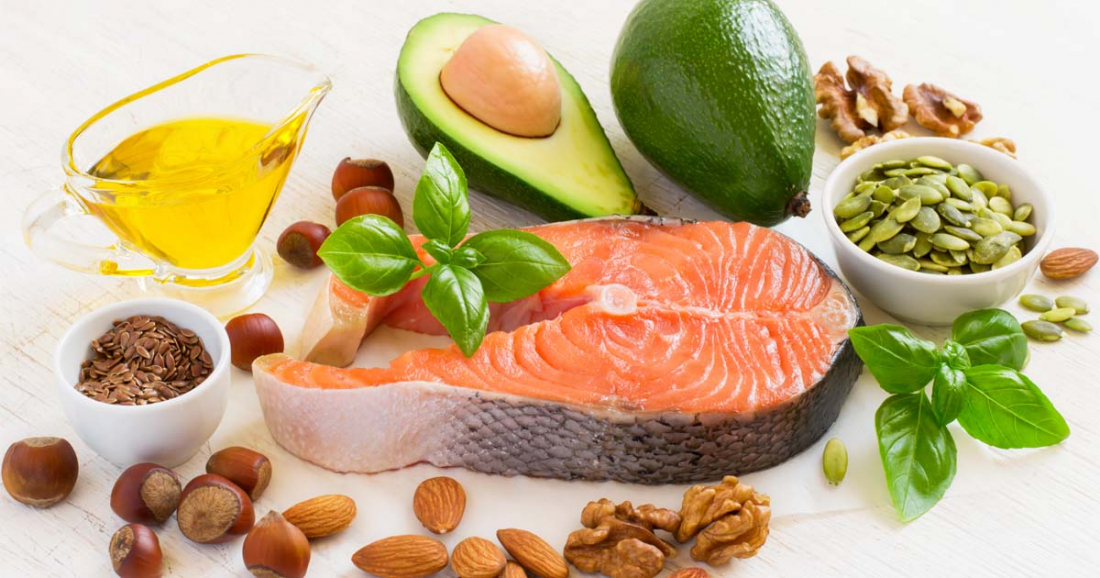
Yes, it is indeed possible to influence the natural production of testosterone with a properly adjusted diet. Even when it comes to ensuring optimal testosterone levels, the principles of a healthy diet apply - that is, concentrate on the least processed foods possible, in the maximum quality and quantity that suits your needs. Fat and protein intake seems to be particularly important. Even so, it is a good idea not to leave any macronutrient out of your diet and to make sure that the proportions are balanced. You can include the following in your diet:
- Healthy fats - avocados, nuts, fish, olive oil, seeds, good quality chocolate, egg yolk
- Quality protein sources - fish (especially tuna and oysters), beef from grass-fed cattle, eggs, chicken and turkey, legumes, dairy products and protein powder
- Complex carbohydrates - flakes, barley, rye, brown rice, quinoa, potatoes, sweet potatoes, whole grain breads and more.
Don't forget plenty of fruits and vegetables and adequate drinking. Conversely, it is a good idea to avoid refined sugars, excessive intake of solid fats, drinking alcohol and overly processed foods.
Bet on strength training and HIIT
Good news for all iron lovers! Regular strength training is very effective for stimulating testosterone production. HIIT, high-intensity interval training, is very similar and is also an effective weapon in fat reduction. Other types of physical activity will also increase testosterone levels, but the aforementioned strength training and HIIT are the most effective in this regard. However, even here it is true that less is sometimes more - it turns out that SHORT and very INTENSE workouts are the best choice, while with long workouts it is even possible that testosterone leaching will be reduced. Beware of overtraining, which also reduces testosterone production.
Get enough sleep - both quality and quantity
Sleep is a key component for health, it is important for the proper functioning of the body, and logically this is no different when it comes to testosterone production. Studies suggest that getting enough sleep is one of the most effective ways ever to boost testosterone levels, but be warned, it has to be a reasonable amount. Most people need about 7-9 hours of sleep each night. The body's circadian rhythm is reset every night. Which is important for maintaining overall hormonal balance, which can prevent low testosterone levels. Ideally, you should go to bed and get up at about the same time every day, even on weekends.
Recommended
Amix Tribusten Testo Booster

Czech Virus Testo Virus Part 2
Try to minimize stress
Stress is something that more or less crosses everyone's life, and nowadays especially. An excess of stress, or even a chronic version of it, is obviously not good for health and can even be said to kill quality of life. Mental and physical stress can be quite beneficial to the body, but not too much of it. The negatives resulting from chronic stress are of course numerous, but when looking at testosterone production it is essential to know that during stress the body flushes out too much cortisol. Cortisol and testosterone have a common precursor and stand in opposition to each other. And logically, therefore - if there is too much cortisol, the less substrate left for testosterone production. Stress is one of the most common ever causes of testosterone problems.
So how do you go about it? Try to limit stress as much as possible. Find ways to vent it - go outdoors, exercise, try meditation or yoga, read a book, talk to friends, or simply relax to your heart's content. Beware of alcohol consumption, which may seem like a great way to blow off steam, but it actually does much more harm than good, and it will dampen testosterone production even more.
Incorporate the right supplements into your daily routine
Testosterone production can also be boosted naturally with the right supplements. And no, don't expect me to tell you which steroids to take. I'm referring to perfectly common, perfectly safe and legal vitamins and minerals. Testosterone production can be boosted by zinc, which not only helps form testosterone in the body, but also prevents it from being converted into estrogens (female sex hormones).
Another important element that can support testosterone production is vitamin D. We talk about vitamin D quite often, and even in the case of testosterone, we can't leave it out. Studies suggest that regular use of vitamin D can increase testosterone production by up to 30%. The paradox is that up to 90% of the world's population suffers from vitamin D deficiency. Yet so little is enough - 20-30 minutes a day in the sun. Over the winter, and when we don't get out in the sun regularly, it is very advisable to take vitamin D3 in supplement form, as it is crucial for overall health, not just testosterone production.
You can also include maca. Although it does not stimulate testosterone production per se, this Peruvian miracle can boost libido and sexual desire in both sexes.
Weight reduction will also be beneficial
Especially when you're struggling with a few extra pounds or even more excess weight, it's definitely a good strategy to focus on sensible fat reduction. Insulin resistance, which also plays an important role in testosterone production, is also linked to overweight and obesity. The moment you focus on limiting refined sugars, processed foods, improving your overall diet, giving your body enough sleep and keeping it physically occupied on a regular basis, the weight will start to come off and natural testosterone production will increase. Beware, however, the deficit should be reasonable, as an excessive caloric deficit will trigger a decrease in testosterone production.
What to take away from the article?
Healthy testosterone levels are important for both men and women. Testosterone affects a variety of bodily processes - from shaping sex and ensuring sexual libido, to mood, to muscle mass and bone strength. Its production decreases with age, and normally healthy individuals have no problems with it. The problem arises in the case of the obese, diabetic or chronically stressed. Today we have told how it is possible to simply take care of the body to produce enough testosterone. The key is a properdiet, appropriate supplements, getting enough sleep, physical activity and also minimizing stress.
Sources:
https://www.uroklinikum.cz/andrologie-ve-pro-sexuln-zdrav-mue-9009/adam-syndrom-nedostatku-testosteronu/
Huo, S., Scialli, A. R., McGarvey, S., Hill, E., Tügertimur, B., Hogenmiller, A., Hirsch, A. I., & Fugh-Berman, A. (2016). Treatment of Men for "Low Testosterone": A Systematic Review. PloS one, 11(9), e0162480. https://doi.org/10.1371/journal.pone.0162480
Tsujimura A. (2013). The Relationship between Testosterone Deficiency and Men's Health. The world journal of men's health, 31(2), 126-135. https://doi.org/10.5534/wjmh.2013.31.2.126
Resnick, S. M., Matsumoto, A. M., Stephens-Shields, A. J., Ellenberg, S. S., Gill, T. M., Shumaker, S. A., Pleasants, D. D., Barrett-Connor, E., Bhasin, S., Cauley, J. A., Cella, D., Crandall, J. P., Cunningham, G. R., Ensrud, K. E., Farrar, J. T., Lewis, C. E., Molitch, M. E., Pahor, M., Swerdloff, R. S., Cifelli, D., ... Snyder, P. J. (2017). Testosterone Treatment and Cognitive Function in Older Men With Low Testosterone and Age-Associated Memory Impairment. JAMA, 317(7), 717-727. https://doi.org/10.1001/jama.2016.21044
Grossmann M. (2014). Testosterone and glucose metabolism in men: current concepts and controversies. The Journal of endocrinology, 220(3), R37-R55. https://doi.org/10.1530/JOE-13-0393
Chang, C. S., Choi, J. B., Kim, H. J., & Park, S. B. (2011). Correlation between serum testosterone level and concentrations of copper and zinc in hair tissue.Biological trace element research, 144(1-3), 264-271. https://doi.org/10.1007/s12011-011-9085-y
Lerchbaum, E., Trummer, C., Theiler-Schwetz, V., Kollmann, M., Wölfler, M., Heijboer, A. C., Pilz, S., & Obermayer-Pietsch, B. (2019). Effects of vitamin D supplementation on androgens in men with low testosterone levels: a randomized controlled trial.European journal of nutrition, 58(8), 3135-3146. https://doi.org/10.1007/s00394-018-1858-z
Erol, A., Ho, A. M., Winham, S. J., & Karpyak, V. M. (2019). Sex hormones in alcohol consumption: a systematic review of evidence. Addiction biology, 24(2), 157-169. https://doi.org/10.1111/adb.12589
Hooper, D. R., Kraemer, W. J., Saenz, C., Schill, K. E., Focht, B. C., Volek, J. S., & Maresh, C. M. (2017). The presence of symptoms of testosterone deficiency in the exercise-hypogonadal male condition and the role of nutrition. European journal of applied physiology, 117(7), 1349-1357. https://doi.org/10.1007/s00421-017-3623-z
Hull, M. (2020) How can you increase testosterone naturally? From: https://examine.com/nutrition/increase-testosterone-naturally/
No posts have been made yet.