





Let's take a look together at the 18 biggest nutrition myths of 2018, and try to dispel them - part 2.
 Author: Šárka Randáčková
 There are so many myths about nutrition that we don't even know where to start. In the next few lines we will discuss carbohydrates, fats, proteins, eggs and much, much more.
You would think that the nonsense and myths about nutrition would be diminishing with the advent of the internet. But the opposite is, unfortunately, true. They are spread through social networks, blogs and vlogs, and are even authored by many well-known personalities.
The actual studies are too long and complicated. It's more fashionable to indulge in a viral hit and not ask too much about the origin of the information.
We are all about scientific evidence. So we've collected 18 of the biggest nutrition myths that just won't die and we're going to scientifically debunk them.
We covered the first nine myths in the first part of this article.
Myth 10: Food is always better than supplements
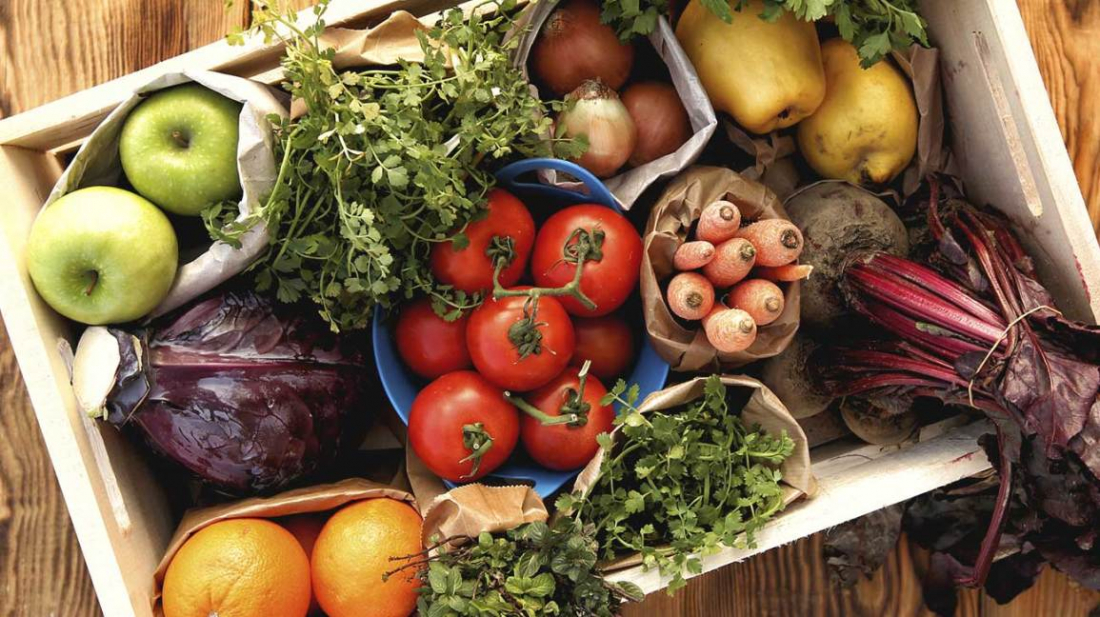
How often do you hear this? Of course, the truth is not so clear-cut. Some substances are better in the form of supplements.
One example would be curcumin. It is not well absorbed by the body on its own, but in liposomal form [37] or with black pepper, its absorption is noticeably improved. Vitamins have the same effect.
For example, K1 is tightly bound to plant membranes, or is more readily available in supplement form[38] Vitamin B9 is the same. However, it may not always be positive.
Many supplemental vitamins have both natural and synthetic forms. This makes them more accessible. If B12, for example, could not be synthesized, it would be incredibly expensive and completely unacceptable to vegans.
Myth 11: Supplements are necessary
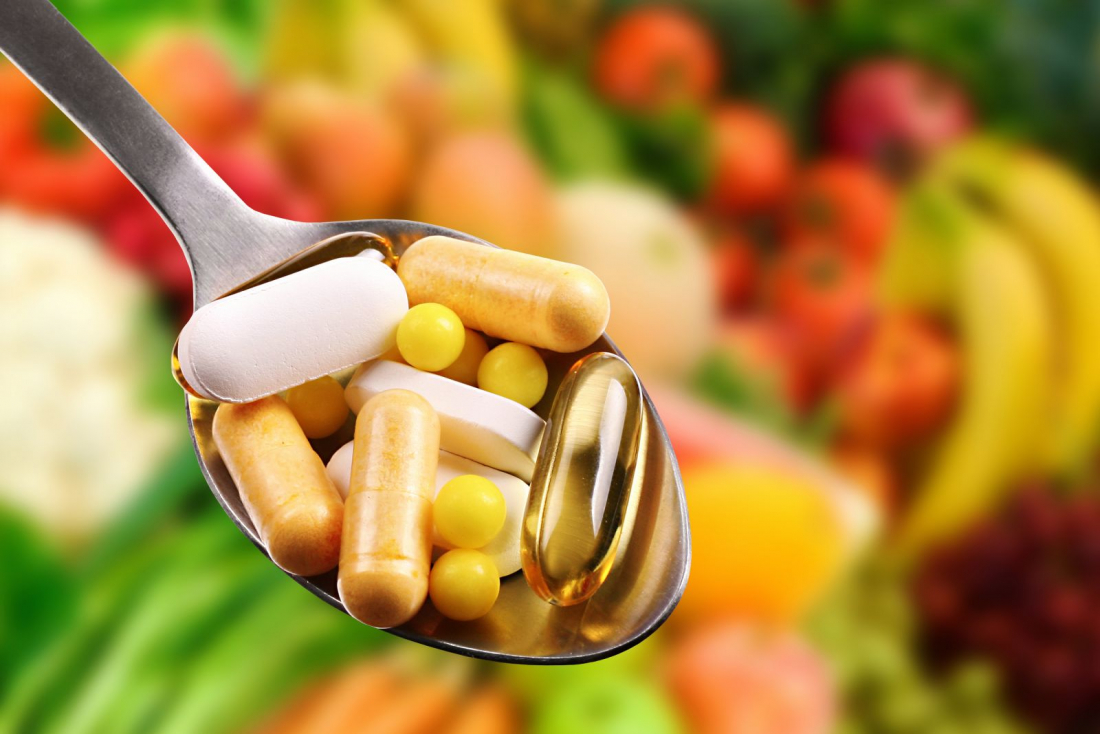
Of course, their sellers are behind this myth. One argument is that the potential of the earth has been exhausted, [39] making its products nutrient deficient. Another argument is that whole foods contain dangerous substances such as saturated fat, cholesterol, gluten, etc. When you add to that some restrictive diet, it's hard enough to last without supplements.
More than a third of Americans take a multivitamin, which has not been shown to increase life expectancy in any way. While it may be healthful for some, it may even be harmful for others[40].
Multivitamins rarely have good content. And in one pill, it's no wonder. But they often contain things that are too much in a healthy diet, making them completely unnecessary. Focus on a balanced diet and supplement with rare things like vitamin B12 if you're vegan or elderly, and D if you don't get much sun.
It's tempting to try living on meal replacements that have all the healthy stuff and none of the aforementioned poisons. However, we don't really know what all we need to live. And until we understand it perfectly, a varied diet full of unprocessed foods will be the safest. And it will taste better too.
Myth 12: You should eat clean
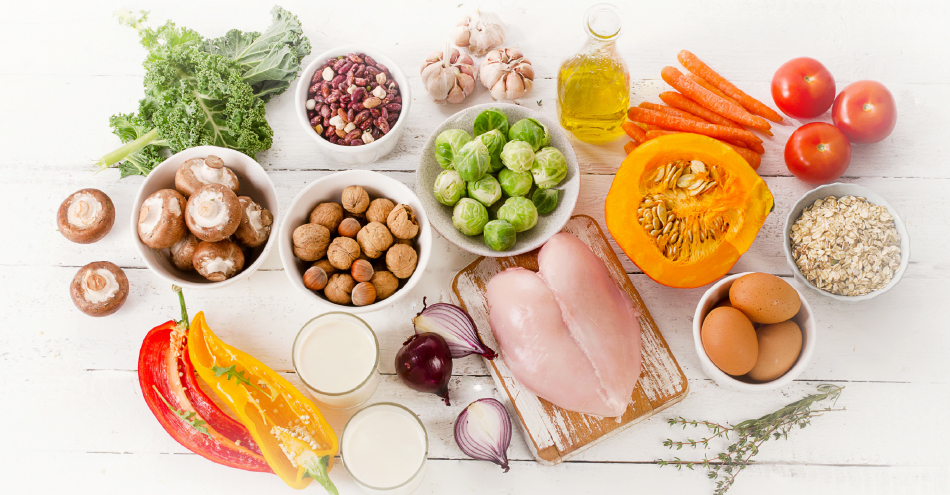
This is more of a misunderstanding. People usually don't even agree on what it means to eat clean. A common problem with many diets is the focus on eliminating certain components of the diet. Clean eating is usually defined by forbidding you to eat something.
The prototype of such a diet may be veganism, which looks past meat for both health and ethical reasons. Although both vegans and vegetarians live longer[41], it may not be just the diet. Such people also usually exercise, relax, meditate, don't smoke and don't drink.
In fact, they probably don't eat enough of the nutrients they need. However, even this can be made up for with supplements.
But nowadays, everything is bad. It's not enough to eat your vegetables. It has to be organic. It may not improve health any more[42], but that is not a barrier.
Pesticides are a real threat. Today, even natural pesticides are being debated. However, these are not necessarily the lesser evil compared to chemical ones[43]. However, ministries of agriculture have long tested pesticide levels in food that are below the permitted standards. Washing, peeling and cooking food further removes any remaining pesticides.
Furthermore, some experts recommend not treating food at all. This is sheer lunacy. Raw milk can contain harmful bacteria, eggs avidin, and protein can bind biotin, leading to biotin deficiency. In short, nothing should be overdone.
Myth 13: You should detox regularly
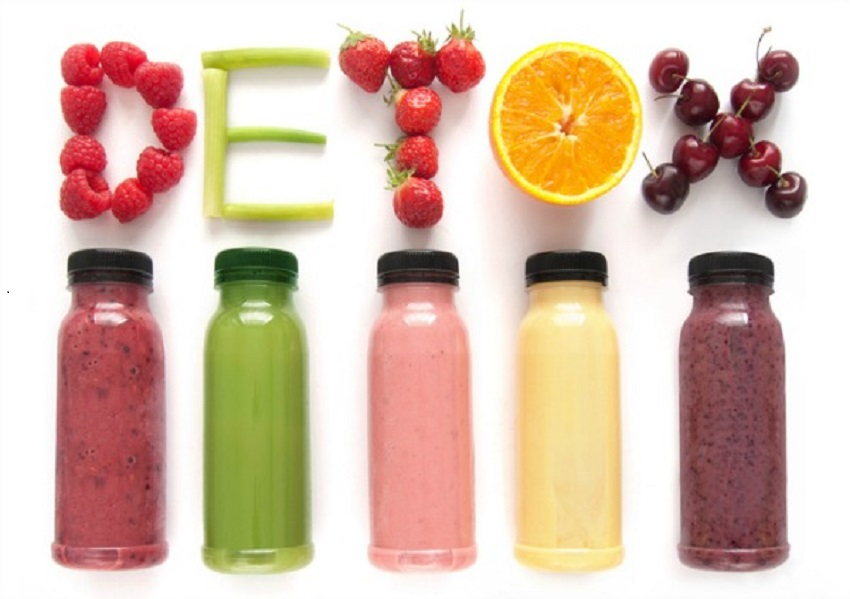
Detox is the result of a maximum effort to eat clean. Most of the time, it is a diet restricting you to some juice, perhaps enriched with a supplement. And that's supposed to cleanse you of...
From what? Good question.
Research in 2009 on 10 companies selling detox supplements found that these companies can't even name their "toxins", let alone remove them from the body.
In the context of detox, a toxin is anything harmful that supposedly accumulates in the human body. That's why you need a detox. You need to get rid of such a substance before it does any harm. Worth mentioning are heavy metals, pollutants, pesticides, preservatives, additives such as dyes and sweeteners, and synthetic chemicals in general.
Even if the substance is actually harmful, the cleanse doesn't really help. Acute toxicity will probably require medical attention and chronic will only be remedied by a long-term balanced diet. A weekend of pepper soda won't help anything. The liver, kidneys, lungs, and several other organs work non-stop to filter the pollutants. And you can't help them with diet. You can help them with a balanced diet and smart supplementation. Cole vegetables and other vegetables full of fiber will also work.[45][46]
Detoxes aren't necessarily safe either. A case of liver or kidney failure after a detox pops up every now and then. [ 47][ 48] Why are cleanses so prevalent when they don't actually have many positives? It's down to one thing: rapid weight loss. Which would be great ... if losing weight always meant losing fat. The body needs three grams of water to store one gram of glycogen in the liver and muscles. Glycogen is easily depleted in 24-48 hours if the body is not getting enough carbohydrates. This will quickly cause you to lose several pounds of weight.49 Once you start eating normally, glycogen and water will come back very quickly.
Myth 14: Eat more often to kick-start your metabolism
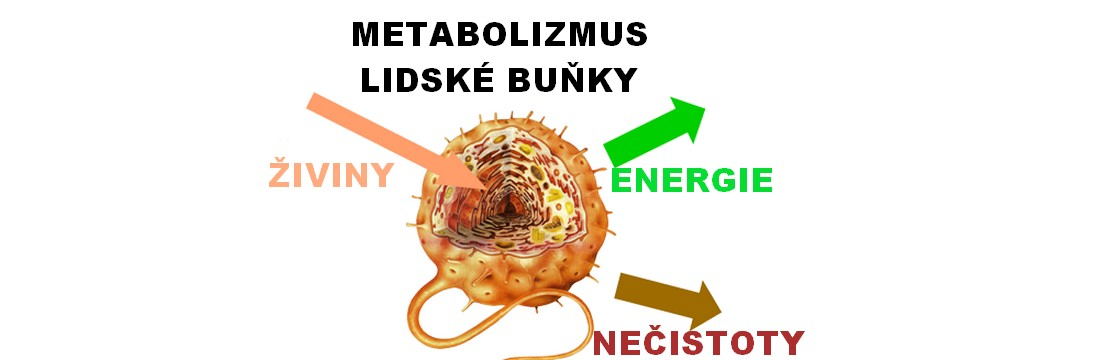
Digestion boosts metabolism a bit, or more frequent, small portions might work. The theory.
But practice tells us that as long as caloric intake remains the same, different portions don't affect metabolism differently.50
Another study also claims that with smaller portions, you'll be more likely to add food.[51] Your metabolism fluctuates slightly, but with the same caloric intake, it basically doesn't matter how big your portions are .
Myth 15: You need breakfast
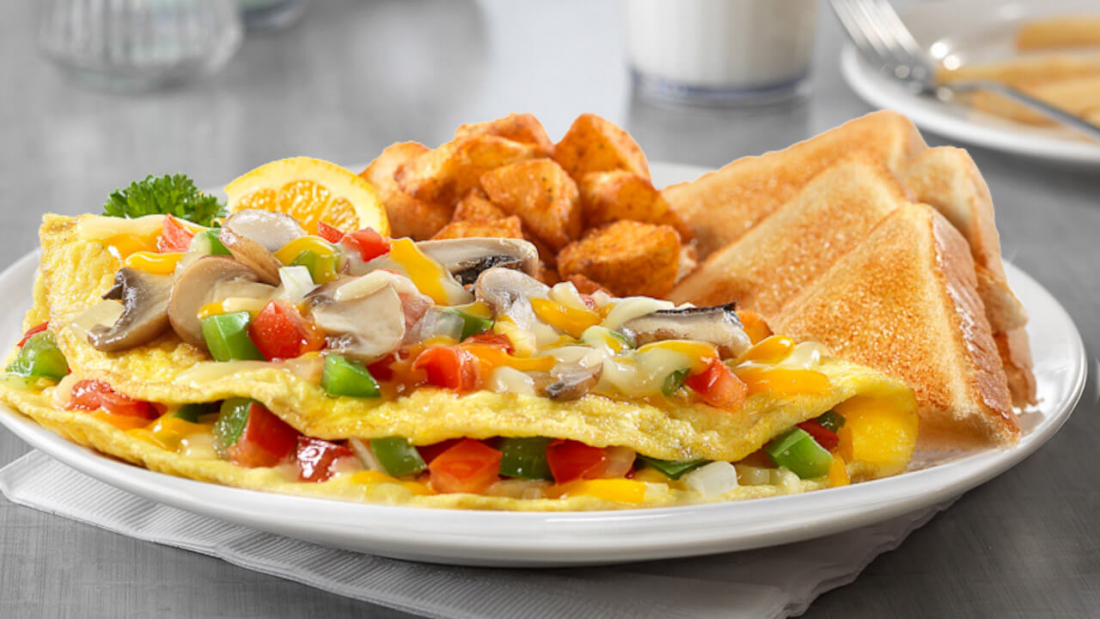
Breakfast is the most important meal of the day. Parents, doctors, bloggers and advertising campaigns say so. It's just if they don't go a little overboard with the importance.
There is a study that confirms a higher BMI in people who don't eat breakfast.52 But clinical trials show that it's more a matter of preference. Some people simply make up for missing breakfast during the day, while others don't.53 The important thing is not to force yourself into something that doesn't suit you.
Another popular claim is that skipping breakfast slows down your metabolism. That's not necessarily true either.[54][55]
Who really shouldn't skip breakfast are people whose bodies don't manage glucose well. Skipping breakfast can further exacerbate this condition.[55]
Myth 16: When losing weight, don't eat before bed

Studies confirm this, but not dramatically. In real life, there are 2 reasons why this statement might work. Both have to do with increased calorie intake.
The first is that if we're eating instead of sleeping, we probably wouldn't normally eat that kind of food.
The second is that a tired body craves tasty nonsense. So if we're staying up late, we're not eating because we're hungry, we're eating to fight sleepiness.
Myth 17: Lose weight with fasted cardio

When to include cardio, after meals or on an empty stomach? If you're going near max (sprints, HIIT, heavy gym), eat. Going to max on an empty stomach would probably negatively affect your performance. However, most people do something less drastic like jogging on an empty stomach.
The energy expenditure is the same whether you are exercising on an empty stomach or eating. You burn more fat on an empty stomach, but you won't burn better the rest of the day (that's when you eat). You'll also burn a little more muscle on an empty stomach, but that muscle will also grow slightly more. In short, the two ways sort of balance out in the end.
Myth 18: You need the right protein after a workout
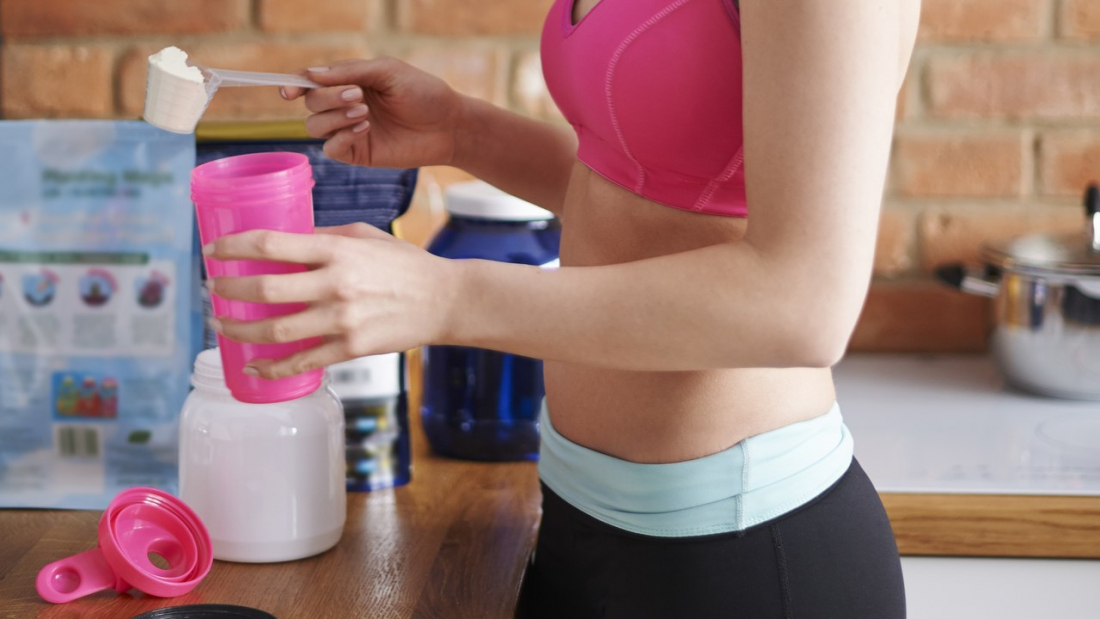
Muscles get bigger and stronger by repairing damage from training. Protein serves as a building material for this. The anabolic window after a workout is constantly debated[56][57].
That you need protein after a workout is not a myth, it's just a bit of an exaggeration. In fact, it depends mostly on your total daily intake. Aim for 1.4 - 2.2 g of protein per kilo of body weight.
Disinformation
You probably hear all these myths over and over again. Unfortunately, they spread more easily than the truth. And it's just the tip of the iceberg. The sensational headlines just keep coming.
In 2017, you may have read that coconut oil is harmful. If you study the incriminating study carefully, you'll find that it actually says no such thing, and coconut oil has positives and negatives just like most other substances.
The studies on low-carbohydrate and low-fat diets are most often misinterpreted.
For this reason, we have a whole team dedicated to research and we look at all the studies available, not always just one or two. We analyze, put things in context and try to educate the public, not just impress them.
Source: www.examine.com - The top 18 nutrition myths of 2018
Author.
Author: Šárka Randáčková No posts have been made yet.








