





How to save when buying carbohydrates? Bet on these 5 tips!
 Author:
 It's no secret that food prices are skyrocketing, so it's not uncommon to find that after paying for a monthly gym membership you don't have as much money left over for the food you used to buy. It's not uncommon - we've touched on savings-related topics on our website in our articles How to eat well when food prices are rising? and How to save money when buying protein, two articles we definitely recommend you study. But the biggest part of most people's diets is carbohydrates. Is there any way to save money on them? Find out what to do and what to avoid in our article today.
Article content:
Explore new ingredients
Most people tend to look at the same foods over and over when shopping. And besides the fact that a stereotypical diet isn't good for your body, it's not necessarily good for your wallet either. Try looking for side dishes that you've never bought before and you might find that they're actually very tasty, versatile and don't cost much money at all. For example, in our article on 6 unconventional sources of carbohydrates, we mentioned kamut, sorghum, mung beans and freekeh, which are exactly the kind of ingredients that very few people have in their diet. Not only are they extremely rich in complex carbohydrates, but they often contain a good portion of protein as well. If your favourite side dishes aren't on sale, or you're just plain sick of them, just look in the unexplored aisles of the supermarket and try something new. The truth is, you'd be hard pressed to find a cheaper side dish than white rice.
Shop on sale
If you're the kind of person who shops at the same store all your life and never wants to hear about any other, you may be paying more than necessary for your purchases. Even if it takes time and isn't much fun, it's not a bad idea to keep an eye on the discount leaflets of individual supermarkets. As soon as you come across some foods you like, it's a good idea to visit the supermarket and shop there at a discount. This is especially true with carbohydrates - the various side dishes tend to have a fairly long shelf life and can therefore be bought in bulk.
Cook sensibly
Once you've come back from shopping, think about what ingredients you're going to use and, more importantly, how much of them. Try to gradually work out how much rice, potatoes, pasta or whatever side dish you really need to fill you up and meet your macronutrient requirements. It's quite possible that you don't realise how many times you cook more of a side dish than you really need and it ends up in the bin the next day. And while this may seem like a complete triviality at first glance, you can actually waste quite a bit of money this way.
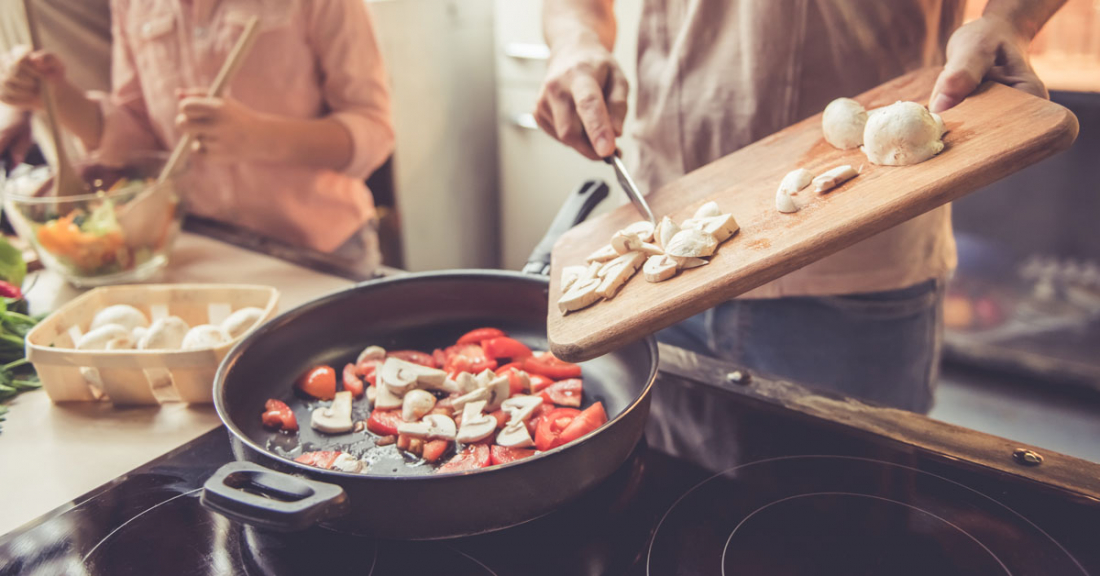
Next time you cook, use only as many ingredients as you can actually use.
Include oatmeal in your diet
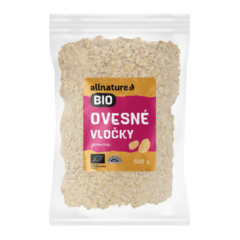
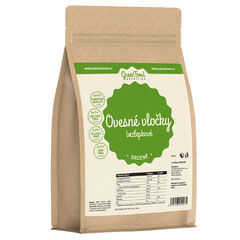
Oatmeal is literally a miracle food that you should definitely not neglect in your diet. And to make matters worse, they literally cost pennies. As we mentioned in our separate article on oatmeal, this whole grain cereal is highly digestible and has great biological value. What's stunning, though, is the micronutrient profile that oats possess. In addition to the slightly notorious beta-glucans, you can find a good portion of B vitamins, manganese, phosphorus, iron and zinc. Unlike many side dishes such as the aforementioned rice or potatoes, oatmeal has a huge amount of fibre, which is important for our intestines, and due to its low glycaemic index, it provides energy for a long time without unpleasant fluctuations. You can pay less than 100 crowns for a kilo of gluten-free oatmeal in our shop, which is why it works out really well even if you eat it regularly. You can use them to create a variety of recipes - from classic porridge to various nutritious smoothies.
Recommended


Save on fruit and vegetables
This paragraph should definitely not be taken to mean that fruit and vegetables do not need to be included in your diet at all - this is definitely not true and, as we mention in one of our articles, some fruit is suitable for a slimming diet. But if you want to save money, it's important to choose the right products. For example, the price of fruit depends, among other things, on whether it is in season - if you have a taste for very specific products like dragon-fruit, you will have to expect to pay extra for them. But if you focus more on the price and eat more fruit grown in the Czech Republic over the summer, your wallet may well notice. Not to mention that such fruit doesn't have to be picked unripe and therefore has more time to ripen. This means that, in addition to better taste, the vitamin and mineral content is also much better. The same applies to vegetables, of course. And if there happen to be no vegetables in season in winter, there is absolutely nothing wrong with buying deep-frozen vegetables. These retain much of the vitamins and minerals of the original vegetables, but often work out much cheaper than vegetables that have travelled halfway around the world to reach you.
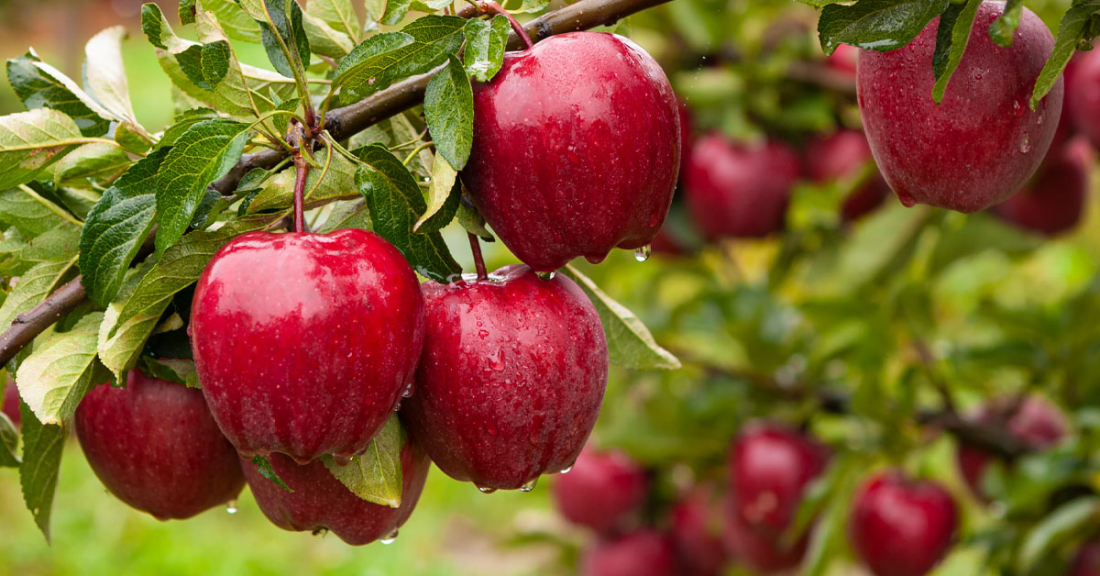
When apples are in season here, they work out much better than fruit imported halfway around the world. And they may well have a better vitamin and mineral profile.
What to take away from today's article?
The main thing you should take away from today's article is that food prices may be rising, but on the other hand you can save quite a bit by making small adjustments to your diet. Try new side dishes that you haven't tried or thought of before. Choose items on sale and think about how much of the food you actually consume before you cook it. You might be surprised at how many pennies you can save. And if you want to perfect your savings, we recommend you also read the article on how to save money when buying protein.
No posts have been made yet.








