





How important is diet for a powerlifter? 6 things you should know
 Author:
 Many people live under the misconception that powerlifters don't need to have a system in their diet, as the vast majority are not limited by any weight category. But is this really the case? Does diet play any role at all in strength training? That's exactly what we'll look at in our article today, in which you'll learn 6 important things you should know for proper progression.
Even powerlifters limit calories
If you want to lose weight, your caloric intake must be lower than your caloric expenditure. If you want to gain weight, you need to take in more energy than you can expend in a day. Well, if you want to maintain your current weight, you have to take in plus or minus the amount of calories you burn in a day. These three simple rules apply to every person in the world and therefore to the powerlifter as well. If a triathlete needs to lose weight into a certain weight class before a competition, it is appropriate to reduce caloric intake, just as it is advisable to increase it when aiming to build mass. Most important of all, then, is to realize that even powerlifters are limited by a certain caloric intake and cannot just do whatever they want.
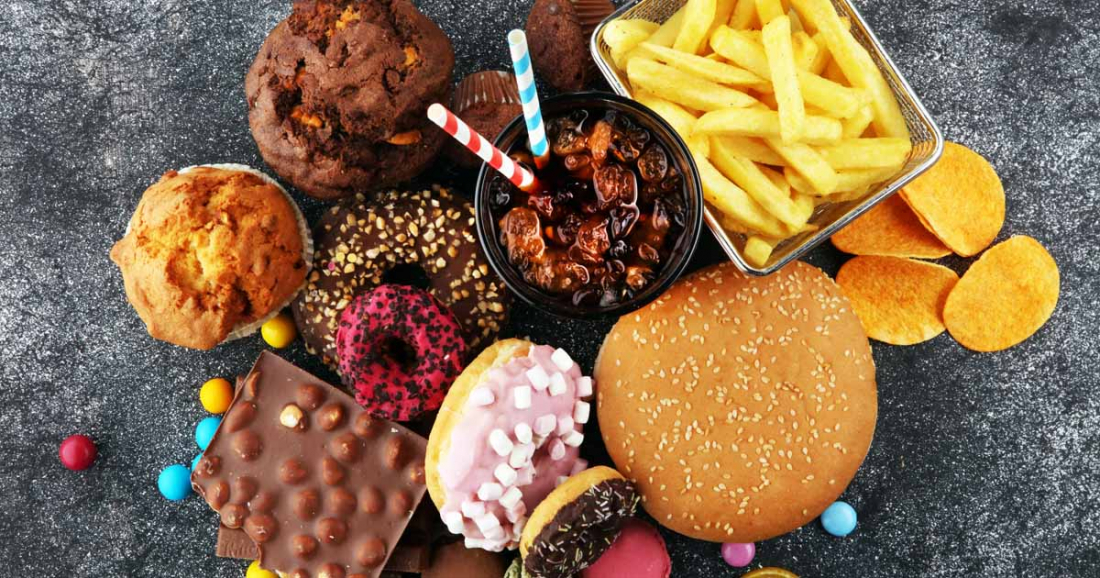
Once you're limited by your calorie count, you can't eat whatever you want all day.
Protein comes into play
The second important factor to think about is protein intake. Protein is the building block for muscle recovery as well as building new muscle tissue, which goes hand in hand with strength development. Just like bodybuilders, powerlifters should ideally take in protein at every meal, and protein consumption increases in proportion to training intensity and frequency, body weight and other factors. We have written a separate article on optimal protein intake for those of you who are still confused about it. However, it is important to know that for the vast majority of strength athletes, a minimum of around 2 grams of protein per kilogram of body weight is usually recommended. So when you think about the fact that a 100-kilogram pro powerlifter needs to take in 250-300 grams of protein, it should be clear that he doesn't have much room for donuts and sweets.
A good load of carbohydrates
As with bodybuilders, there are quite a few exceptions and each of us is set up slightly differently. That's why, of course, you'll find a number of athletes functioning primarily on fat. In general, though, it's a good idea for most strength-oriented athletes to draw energy primarily from carbohydrates - it's no secret that many lifters use up to 6 grams of carbs per kilo of weight. However, this must be matched by fat intake anyway, otherwise you'll be gaining unimaginable (weight) heights. For the uninitiated, it's worth remembering that carbohydrates are a kind of fuel for the muscles. Primarily, of course, it is advisable to draw energy from complex carbohydrates, which are released gradually; fast "sugars" can be used in the pre- and post-workout period, when energy needs to be supplied in a shorter period of time.
Recommended
Prom-in Creatine HPLC
Nebbia Dámská mikina na zip INTENSE Warm-Up 833
HMS Magnetický rotoped M8750
Ensure proper intake of minerals and vitamins
It is important to remember that training as a triathlete is usually extremely demanding and often takes several hours due to the need for relatively long breaks. Along with this comes the need to take in much larger amounts of minerals and vitamins than the average individual who only plays sports from time to time. This is another reason why you should eat healthy - a varied and balanced diet contains much more health benefits than donuts or fast food burgers. Although supplementation with various food supplements is certainly good and more or less appropriate, it certainly cannot replace a varied diet.
Maintain your drinking and sodium intake
Are you getting enough sleep, eating healthy, but your performance at the gym is still not 100%? Your drinking regime might be the problem. Because if you're not taking in as much water as your body needs, muscle contractions can deteriorate and, according to many experts, insufficient hydration can cause up to a 10% drop in an athlete's strength capabilities. It is equally important to maintain a relatively high intake of calcium, sodium and potassium. Calcium and potassium are more or less no problem if you eat dairy products, nuts and fruit. Sodium, although much demonized of late, can have up to several grams of sodium in a litre of sweat, which in itself is a fairly good reason for salting your food occasionally. But of course, don't overdo it.
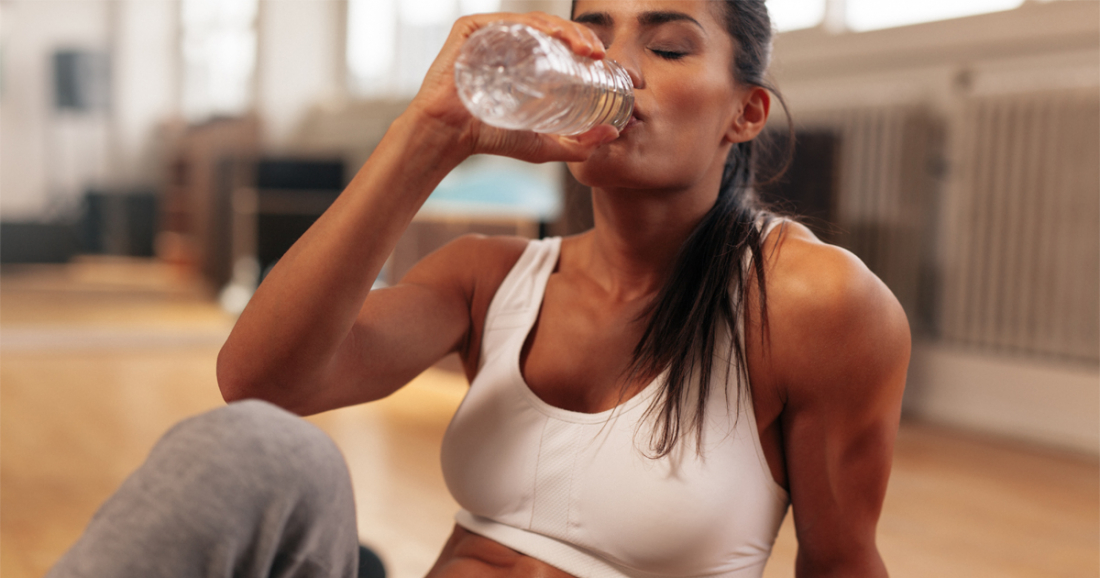
Not drinking enough can reduce your performance by up to 10%.
Don't stress about food
Although this point may sound a bit contradictory to the rest of the article, the truth is a little different. In my experience, a properly designed diet in which 80% is healthy food is an absolute necessity even for a powerlifter. However, this in no way means that you need to stress yourself out with food. There's no reason to eat dry meat and rice unless you're currently on a reduction diet before a competition. In short, prepare your food so that you enjoy it and never manage to overeat. Because ultimately a few grams of carbohydrate or fat in the meal will be completely lost, due to the length and intensity of the workouts. Similarly, a lifter diet doesn't mean you'll never be able to indulge in, say, donuts again. If you like them, feel free to have them from time to time and it's not something to feel guilty about.
What should you take away from today's article?
There are several things you should take away from today's article. Probably the most important one is that powerlifters will also benefit greatly from eating healthy. Firstly, they will provide their bodies with plenty of protein, vitamins and minerals and secondly, they will also feel much better. This is also linked to better overall health, which is of course extremely important in order to go to training at all. At the same time, it is important to note that you don't have to stress yourself out with food at all costs. As a powerlifter digesting in the gym very often for two or more hours, you have a relatively high energy expenditure and can afford to eat something other than dry chicken and rice. So compared to bodybuilders, you obviously don't have to diet so strictly and if you don't have a contest to lose weight for right now, you can easily indulge in some not-so-healthy food from time to time.
No posts have been made yet.








