





Flours under scrutiny - or which flour is best?
 Author:
 In recent years, white wheat flour has been considered practically a poison and has been attributed with various health complications and, of course, obesity. For this very reason, it is perceived as 'bad' and it is often recommended to replace it with a 'healthier' alternative. Although white flour itself is not as harmful as it is often presented, it is true that wholemeal or gluten-free flour variants often offer variety and an interesting nutritional profile. And today we will look at alternatives to conventional flour in a slightly more similar way and see what each has to offer.
Flour and reduction - is it really so inappropriate?
Let's start by saying that even with reduction, there is no need to avoid flour - whatever it may be. In any case, flour does not have to be eliminated completely, because the problem is not the flour itself, but the quantity, as it always is - the difference between medicine and poison is the quantity. It is not the specific food that makes you fat, but the overall caloric excess. Complex carbohydrates, such as those contained in wholemeal flour, are an important part of our diets and there is no need to fear their sensible consumption.
Carbohydrates are a major source of energy, important for muscle recovery and building, for brain function and mood, and much more. At the same time, it is important to note that even whole grain or alternative flours will not be suitable for reduction if we cannot moderate the amount in which we take them in. Even wholemeal or alternative flours are quite calorific, so even if they are considered 'healthier', it does not mean that we can consume them without restriction.
Dividing flours
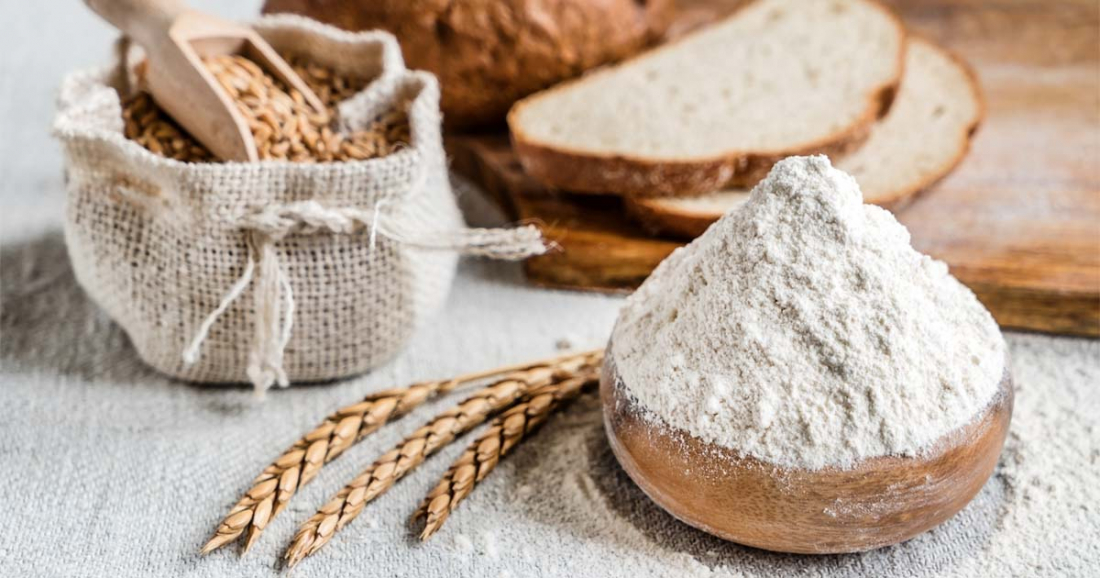
Flour is most often made from cereals - it is the part of the grain that is ground into the flour that is important. There are 3 parts to a grain (the hull, the kernel and the germ) and each part offers different nutrients. Accordingly, we can divide flour into white, wholemeal and bread flour. Less common are flours made from legumes, nuts, seeds and even fruits and vegetables.
Flour can also be divided in other ways. It is important to divide by coarseness, or grain size, as this determines what the flour is suitable for. According to this division we have 4 types - semolina, coarse flour, semi-coarse flour and smooth flour. Each of these is suited to somewhere else, and so it's useful to have a representative of each coarseness at home. Flours can also be divided into gluten and gluten-free. Okay, enough talk, let's take a look at what types of flours we actually come across most often and where they fit in.
Whole wheat flour
The most well-known and one of the most affordable alternatives to conventional flour is whole wheat flour. It is milled from the whole grain, including the hull and germ, which makes it biologically and nutritionally significantly more valuable. This has benefits for both health and reduction. Wholemeal flour contains up to 3 times more fibre, which is not only important for the proper functioning of the digestive system, but also keeps us full for longer, which is particularly beneficial when reducing. It also has a higher protein content, a lower glycaemic index and more than half the micronutrient content. A small disadvantage is that it is a little harder to rise and it has to be said that calorie-wise it is on a par with regular flour, but it is definitely more nutritious.
Where to use it?
Whole wheat flour fits wherever you would use regular flour. In sweet and savoury pastries, dumplings, pasta, gnocchi, pancakes, fritters, cakes, bundt cakes and you can also use it to thicken soups etc.
Spelt flour
An even more convenient variant of wheat flour is spelt flour. Spelt flour is made from a non-breeding type of wheat that does not need to be fertilised and is therefore pesticide-free. It has a lower glycaemic index, a higher micronutrient content and a higher protein content than conventional wheat. Spelt flour is very well leavened, so it is even better than conventional wholemeal flour in this respect. It has a slightly nutty taste.
Where to use it?
It is ideal for making homemade pizzas, baking bread, but also for pancakes, crepes, sweet and savoury pastries and all kinds of cakes, crumpets and buns. It is again very versatile.
Rye flour
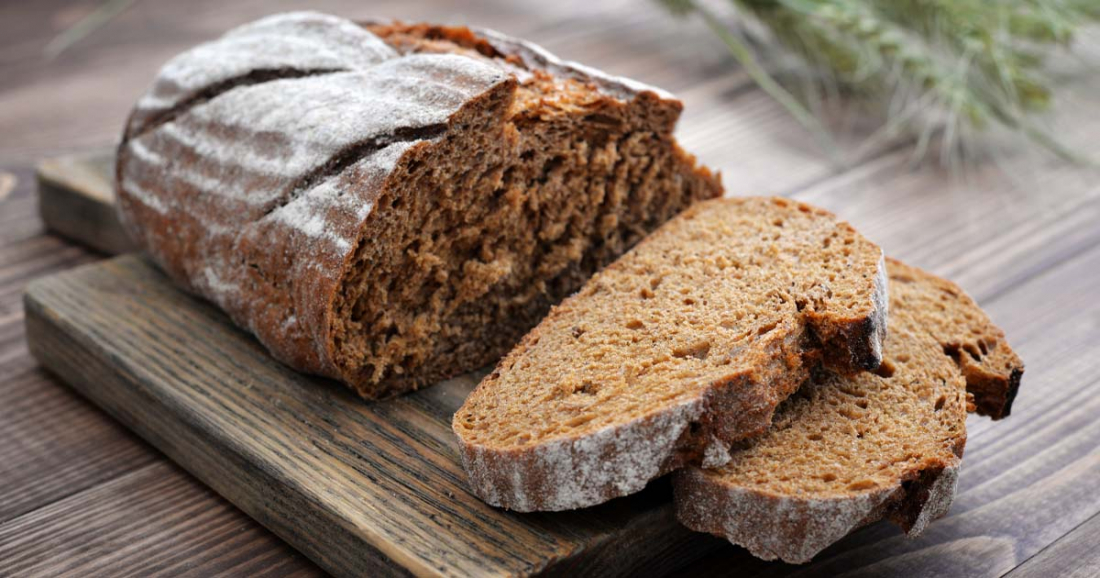
Rye flour is another alternative to conventional wheat. It is (logically) made from rye grains. Rye contains a very small amount of gluten, which is why rye flour does not rise very well. It is most often used for baking sourdough bread, where gluten is not really particularly important. Otherwise, it should be combined with other flours to give it better properties. It has a lower glycaemic index, a higher protein content and contains a good amount of fibre.
Where to use it?
In baking sourdough bread, gingerbread and for thickening. If you combine it with another type of flour, it can be used almost anywhere.
Oat flour
Oats get a lot of attention in the health food industry, and rightfully so! Oats have an amazing nutritional profile and a low glycemic index. It is a source of protein with a high biological value, and it is also worth mentioning its high proportion of fibre and fats with a favourable fatty acid ratio. In addition, oats are gluten-free - they contain the protein avenin, which does not cause any problems for a significant proportion of allergy sufferers.
Gluten is introduced into oats by so-called cross-contamination during storage or processing together with other gluten-containing cereals. If you want to be sure, look for oat flour that will directly state that it is gluten-free. Because it does not contain gluten, it is harder to sprout and is therefore often combined with other flours.
Where does it fit?
Oat flour is very versatile. It is suitable for savoury and sweet recipes and for thickening sauces or soups.
Barley flour
Of course, barley seeds are also used to make flour. Even barley flour has a good proportion of fibre and a low glycaemic index. Barley contains a very low proportion of gluten, which is why it is difficult for flour to rise. However, if you combine it with another type of flour, you can make the dough more elastic and extend its shelf life.
Where does it fit?
It is great in combination with other flours for baking sweet pastries, pancakes, crepes and can also be used for thickening.
Buckwheat flour
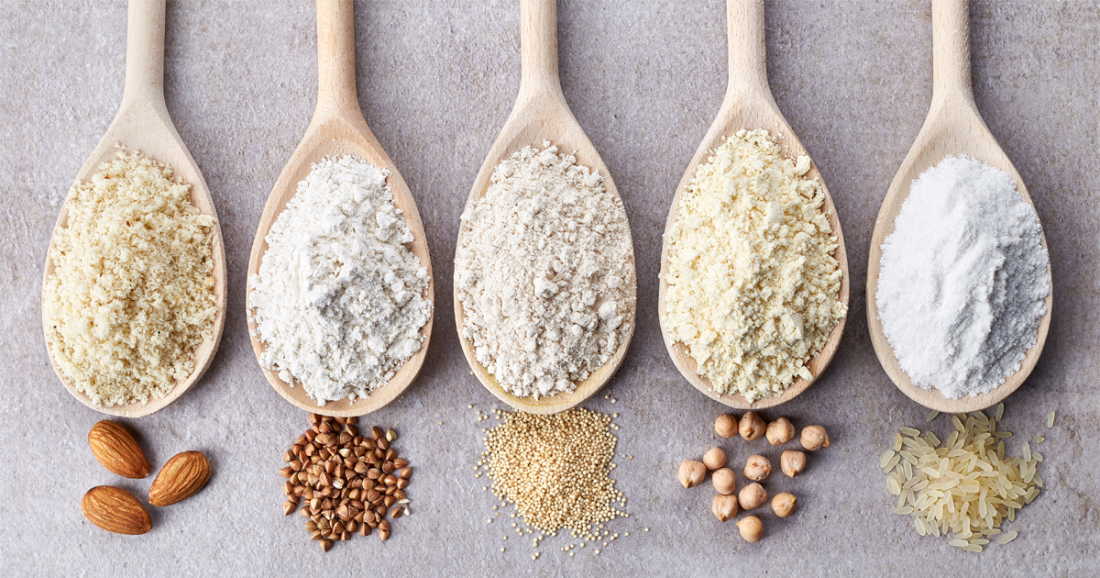
Buckwheat is a gluten-free cereal that also has an amazing nutritional profile and is rich in protein. It is a good source of fibre and micronutrients such as manganese, magnesium, copper, iron and phosphorus. Research shows that this flour can lower blood sugar levels in people with diabetes and improve biomarkers of heart health. It may also have anti-cancer, anti-inflammatory and prebiotic properties. It has that specific, slightly sour, slightly nutty taste. It is easily digestible, has great binding properties and a low glycemic index. Ideally, buckwheat flour should be combined with other types (in a 1:3 ratio).
Where to use it?
It is great for desserts, pancake batter, pancakes, savoury pastries and is also delicious in Christmas cakes.
Rice flour
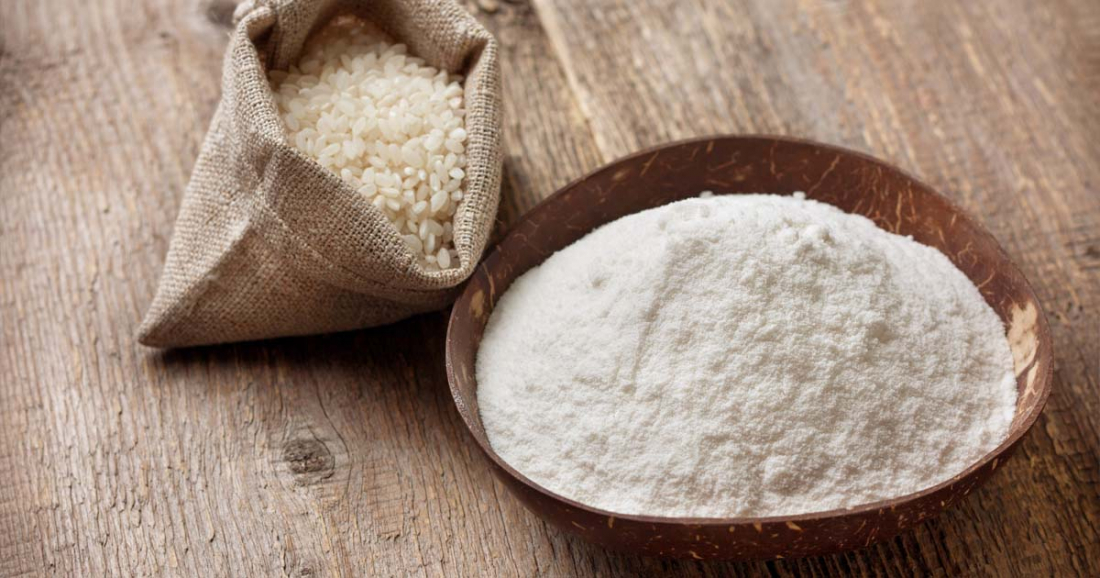
Another popular alternative to gluten flour is rice flour, which has come to us from Asia, where it forms the basis of most dishes. Rice flour is made from white or brown rice or a combination of the two. Rice flour itself has a high glycaemic index, but this can be reduced when combined with protein (e.g. egg) and other ingredients. Rice flour increases the volume and binding capacity, but it is better to combine it with another type of flour. It can also be found in an instant version, which is better for making porridges, for example.
Where is it suitable?
In unleavened desserts, for thickening sauces, soups and it is also great for coating.
Corn flour
One of the most well-known gluten-free alternatives is corn flour. It is rich in fibre, protein and has an iconic distinctive yellow colour. Like rice flour, corn flour has a very high glycemic index, but this may not be crucial for the final dish if you supplement it with protein. It can be bought fine and coarse or in instant form, called polenta, which can be shaped to make not only porridge but also gnocchi or dumplings.
Where to use it?
Corn flour is suitable for making tortillas, corn cakes, dumplings, gnocchi, it makes a great porridge, sweet and salty, it can be used for coating and thickening. It is therefore very versatile.
Coconut flour
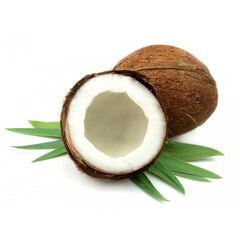
Coconut flour has become very popular lately, probably because it contains very few carbohydrates and is therefore suitable for low-carbohydrate diets. Coconut flour is made from the coconut pulp, which is stripped of water and most of the fat (beware, this is not ground coconut, the flour is finer). It is a good source of protein, fat, fiber and minerals such as iron and potassium. Coconut flour is also rich in antioxidants and appears to have antimicrobial properties. It also has a low glycaemic index. Coconut flour sucks a lot, so if you incorporate it into recipes, you need to increase the ratios of liquid ingredients. It adds freshness to dishes and makes doughs beautifully moist.
Where does it fit?
It is ideal for sweet desserts, cookies, mugcakes, pancakes but you can also use it for thickening.
Other nut flours
Not only coconut, but also other nuts are used to make flour. Almond, hazelnut or walnut flour are very popular. Such flours are a nice change from the classic doughs, but you should bear in mind that they are fatter. Recipes with them often look healthier, but the calorific value of nut flours may be higher than with conventional flours. For variety they are definitely great, but if they should be the only type of flour you use then you need to account for this. Nut flours are rich in micronutrients, fiber, antioxidants, omega-3 fatty acids and more.
Where do they fit?
They're great in all desserts, pancakes but they're also great for breading and all sorts of crusts for meat.
Recommended
Hemp flour
A relatively hot new product is hemp flour. It is produced by grinding hemp seeds and offers a very interesting nutritional profile. Hemp is one of the most complete sources of protein (i.e. it contains all essential amino acids) and hemp seed flour contains up to 30% protein. The high proportion of beneficial omega-3 fatty acids is also interesting. It is also worth mentioning the high proportion of fibre and various micronutrients (vitamins B1, B2 and E, magnesium, calcium, iron, niacin and others). Hemp flour is heavy, so it is advisable to supplement it with another type of flour. It has a specific green colour and a slightly nutty taste.
Where does it fit?
Hemp flour fits perfectly in a variety of breads and pastries, but also in pancakes, muffins and sweet cakes. You can also use it to thicken dishes.
Quinoa flour
Quinoa is another gluten-free pseudo-grain. It has a high protein content and, like hemp, can be considered a complete source of protein. It is also rich in fiber, iron and unsaturated fats. In addition, it boasts antioxidant and anti-inflammatory properties that can benefit digestive health, inhibit tumor growth and reduce overall disease risk. Quinoa has a specific slightly nutty flavour and adds suppleness to doughs.
Where does it fit?
Quinoa flour is great for pancakes, muffins and pizza and pies. You can also use it to thicken soups and sauces.
Legume flours
Another, relatively new thing, are legume flours. Flours are made from just about every kind - lentils, beans, chickpeas. Legume flours are a great variety and add a lot of nutrients to dishes! In addition, the inclusion of legume flours will increase the protein content of baked goods and other baked dishes (with a significant presence of the amino acid lysine, which is deficient in cereals, for example), fibre and other micronutrients and antioxidants. Legume flours have a low glycaemic index and often have fewer calories than conventional flours.
Where do they fit?
Legume flours find their place in savoury and sweet recipes, and are ideal to combine with other flours.
Which flour is best?
Simple? All and none! Because it always depends on the overall concept of the diet and how much we eat in a day. A good strategy is to change, combine and alternate flours to make your diet as varied as possible, to give your palate a different experience each time and to offer your body different nutrients, because each flour contains something a little different. So there is no such thing as the best flour, or rather, it's whatever fits into your daily intake. If you are not allergic to gluten, you don't have to force yourself into gluten-free options, just always choose the option that you feel most comfortable with. Of course, there are many more types of flour than we've listed today, but to list them all would make for a really long article, so maybe we'll come back to them in time.
What to take away from the article?
There is a good variety of flour types! We can choose from cereal, nut, legume and gluten-free flours. Each flour offers some benefit and a different nutrient content. We still need to keep in mind that even though some flours are considered healthier, they still have calories. So it's always the total calorie intake that matters rather than which flour you use.
Boateng, L., Ansong, R., Owusu, W. B., & Steiner-Asiedu, M. (2016). Coconut oil and palm oil's role in nutrition, health and national development: A review. Ghana medical journal, 50(3), 189-196.
Bahadoran, Z., Mirmiran, P., & Azizi, F. (2016). Fast Food Pattern and Cardiometabolic Disorders: A Review of Current Studies. Health promotion perspectives, 5(4), 231-240. https://doi.org/10.15171/hpp.2015.028
Salama, H. H., Abdelhamid, S. M., & Dairouty, R. (2019). Coconut Bio-yoghurt Phytochemical-chemical and Antimicrobial-microbial Activities. Pakistan journal of biological sciences : PJBS, 22(11), 527-536. https://doi.org/10.3923/pjbs.2019.527.536
Ren, G., Zhu, Y., Shi, Z., & Li, J. (2017). Detection of lunasin in quinoa (Chenopodium quinoa Willd.) and the in vitro evaluation of its antioxidant and anti-inflammatory activities. Journal of the science of food and agriculture, 97(12), 4110-4116. https://doi.org/10.1002/jsfa.8278
Zhang, H. W., Zhang, Y. H., Lu, M. J., Tong, W. J., & Cao, G. W. (2007). Comparison of hypertension, dyslipidaemia and hyperglycaemia between buckwheat seed-consuming and non-consuming Mongolian-Chinese populations in Inner Mongolia, China. Clinical and experimental pharmacology & physiology, 34(9), 838-844. https://doi.org/10.1111/j.1440-1681.2007.04614.x
Jahreis, Gerhard & Brese, Melanie & Leiterer, Matthias & Schäfer, Ulrich & Böhm, Volker. (2016). Legume flours: Nutritionally important sources of protein and dietary fiber. Ernährungs Umschau. 63. 36-42. 10.4455/eu.2016.007.
No posts have been made yet.








