Everything you need to know about vitamin K
 Author:
 Vitamin K2 began to be studied in detail relatively recently. You probably wouldn't think that higher-fat cheeses, eggs and beef liver are actually very beneficial foods for heart health, would you? But the truth is that one of the most researched nutrients in the field of cardiovascular health, vitamin K, is found abundantly in the aforementioned foods. We can come across three types - vitamin K1, vitamin K2 and vitamin K3. Vitamin K1 plays an important role in the prevention of blood clots and bleeding disorders, K2 plays an important role in bone health, dental health and artery health, and finally vitamin K3, which is synthetic and therefore not entirely natural, is added to animal feed and is prohibited in the Czech Republic from being given directly to humans.
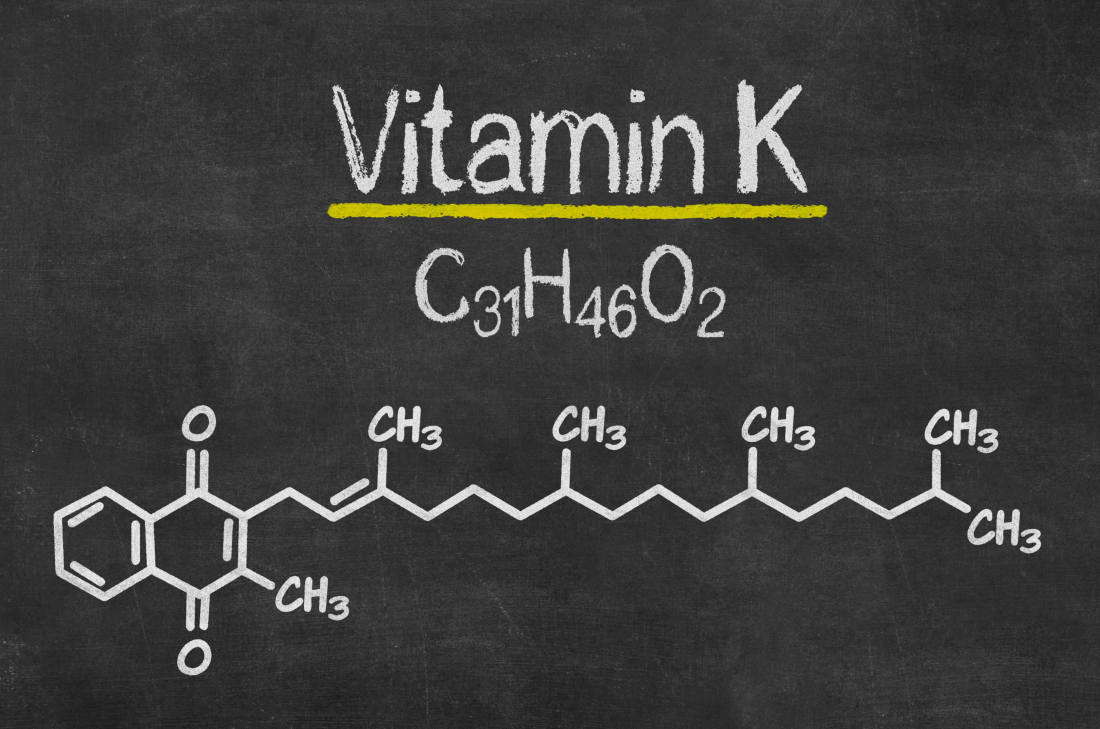
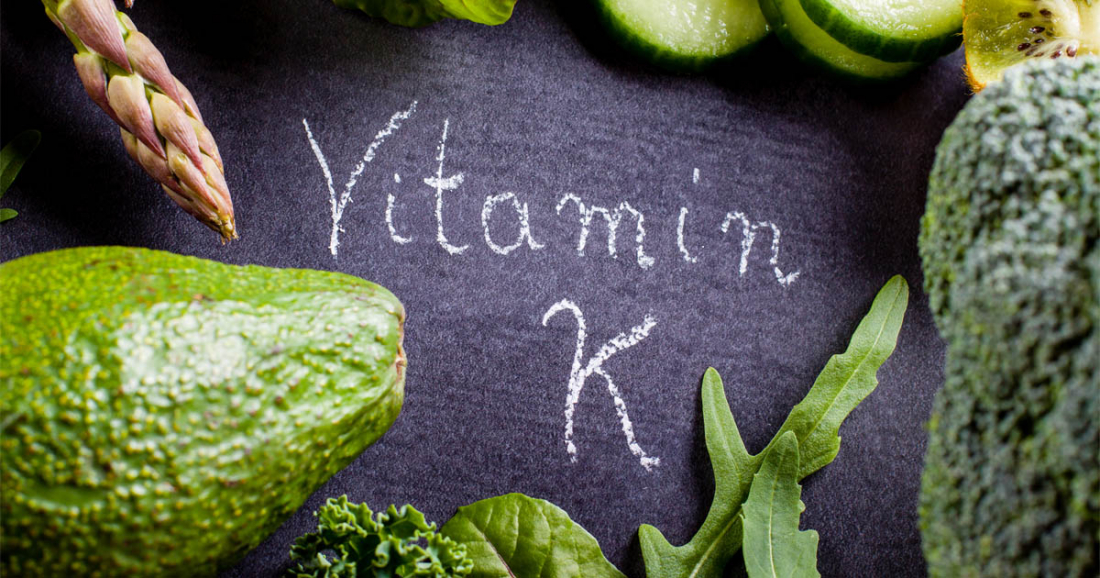
What makes vitamin K unique (the two types we'll discuss, K1 and K2) is that it actually doesn't just need to be taken in supplement form. It seems that taking K2 from natural sources is much more beneficial than getting it from a supplement. Unlike vitamin K1, which is most commonly found in plant foods such as leafy greens or broccoli, vitamin K2 can be obtained primarily from animal foods such as meat, natural cheeses, fermented foods, and eggs. It is also produced in small amounts by beneficial bacteria in the gut microbiome. Compared to vitamin K1, vitamin K2 is approximately 75% effective. Let's take a closer look at this macronutrient.
Article content:
- Theoretical window - what is vitamin K2?
- What is the difference between vitamin K1 and vitamin K2?
- Health benefits of vitamin K2
- Helps regulate calcium levels and distributes it to the bones and teeth
- Protection for the cardiovascular system
- Promotes bone and dental health
- May provide protection against cancer
- Improves hormonal balance
- Supports kidney health
- Recommended dosage
- Food sources of vitamin K
- Manifestations of vitamin K deficiency
- What to take away from this article?
Theoretical window - what is vitamin K2?
Vitamin K is a fat-soluble vitamin. As mentioned in the introductory paragraphs, vitamin K has two naturally occurring forms - vitamin K 1 (phylloquinone), which is synthesized by plants, and vitamin K2 (menaquinone), which is produced by bacteria and found mainly in animal sources. Vitamin K2 also has two other forms - Vitamin K2 MK-4, menatetrenone, which is made by animals from vitamin K1 found in the green grass they eat (alfalfa, etc.). Vitamin K2 MK-7, menaquinone, which is produced by bacteria.
Compared to many other vitamins, the nature and health benefits of vitamin K2 have only recently been discovered. What actually makes vitamin K2 stand out? It has many important functions in the body, but the most important is to help the body use calcium, which makes bones stronger and improves their structure. It also helps prevent calcification of the arteries, which can lead to heart disease. New studies show that a deficiency of this vitamin is also linked to diseases related to bone decalcification, such as osteoporosis.
If we had to give one reason why we really need vitamin K2, it's because it prevents calcium from accumulating in the wrong places, specifically in soft tissues, organs and arteries. Low intake of vitamin K2 can contribute to plaque formation in the arteries, tartar formation on the teeth, and stiffening of the tissues, causing symptoms of arthritis, reduced flexibility, stiffness, and pain. Some evidence also suggests that K2 has anti-inflammatory properties and may offer some protection against cancer.
What is the difference between vitamin K1 and vitamin K2?
If you're wondering what the differences are between the two types of vitamin K, let's take a look. According to studies, we know that people tend to take in about 10 times more vitamin K1 from food than vitamin K2. Vitamin K1 deficiency is actually very rare, even said to be "almost non-existent", but K2 deficiency is much more common. Recent studies show that vitamins K1 and K2 are not just different forms of the same vitamin, but essentially function as two different vitamins together. Vitamin K1 is more abundant in foods but less bioactive than vitamin K2.
Vitamin K2 from animal sources is more active in humans. While humans can convert K1 to K2, they cannot do so with the same efficiency as animals. This does not mean that plant foods that provide a source of K1 are unhealthy or unimportant, it just means that they are not the best dietary sources of bioavailable vitamin K2. K2 is also more easily distributed to bones and other tissues. Vitamin K1 is very important in promoting blood clotting, but is not as beneficial in protecting bones and teeth as vitamin K2.
Health benefits of vitamin K2
Helps regulate calcium levels and distributes it to bones and teeth
One of the most important jobs that vitamin K2 has is the distribution of calcium. Vitamin K2 benefits the skeleton, heart, teeth and nervous system by helping to regulate calcium levels, especially in the bones, arteries and teeth. It is well known that calcium is important for bone health and a sure prevention against osteoporosis, but excessive accumulation of calcium, on the other hand, can increase the risk of heart disease. Why does this happen? Vitamin K2 deficiency! Vitamin K2 is closely related to vitamin D3, and both together help inhibit osteoclasts, which are the cells responsible for bone resorption.
The relationship between vitamin D and calcium is important, as you may already know from our article on vitamin D, because vitamin D helps transport calcium into the bloodstream and regulates the amount of calcium. But that's where vitamin D's job ends and the moment of glory comes for vitamin K2, which must activate one of its dependent proteins, osteocalcin. Research shows that thanks to this, the body then removes calcium from the bloodstream and stores it in the bones, teeth, in short, wherever it is needed.
So you understand that for ideal calcium absorption and maximum effectiveness, it is ideal to combine vitamin D3 and vitamin K2. Depending on your age, health and dietary style, you may need vitamin D3 supplementation and possibly other supplements. Vitamin K2 is essential for the function of several other proteins in addition to osteocalcin, and helps with growth and development, among other things. It is also involved in the maintenance of arterial wall structures, and is important for the health of the joint system, teeth, and the regulation of cell growth.
Protection for the cardiovascular system
Vitamin K2 is one of the best vitamins, especially for men, because it provides quite significant protection against heart problems such as atherosclerosis (corrosion of the arteries), which is the leading cause of death in many developed countries. This happens because vitamin K2 prevents calcium deposition in the blood vessels. Studies show that people who get enough vitamin K are up to 52% less likely to have calcification of their blood vessels. Also, the risk of death from cardiovascular disease is lower by 57% in people with enough vitamin K2.

Promotes bone and dental health
For decades, vitamin K has been known to be important for blood clotting - but only recently have studies revealed that it also significantly promotes bone health and protects against cardiovascular disease. Following on from the first benefit mentioned, the results of studies say it is a very effective supplement needed for calcium and vitamin D3 absorption. Another 2015 meta-analysis supports the hypothesis that vitamin K2 plays a role in maintaining and improving bone mineral density and preventing fractures in postmenopausal women who suffer from osteoporosis. K2 benefits the skeletal system by taking calcium and helping to transport it to the bones and teeth to keep them strong and firm.
Some clinical studies have found that K2 slows the rate of bone loss in adults and even helps increase bone mass, plus it may reduce the risk of hip fractures and vertebral fractures in older women. Vitamin K2 can increase the concentration of osteocalcin in the extracellular matrix of osteoblasts inside bones, which promotes bone mineralisation. In addition, it helps maintain the structure of teeth and jaws. Many traditional cultures considered foods containing K2 to be an important part of their diet because they believed they could help prevent tooth decay and plaque formation. It turns out that getting enough K2 during pregnancy is also important for fetal growth and bone health.
It may provide protection against cancer
Some research shows that those who have higher amounts of K2 in their diet have a lower risk of developing certain types of cancer. For example, vitamin K2 may help specifically protect against lung and liver cancer, as well as leukemia. Clinical research suggests that K2 reduces liver cancer recurrence and extends life expectancy. In turn, an observational study of 11,000 men found that a high intake of this vitamin was associated with a 63% reduced risk of advanced prostate cancer. The results look promising, but further research is needed.
Improves hormonal balance
In our bones, K2 can be used to produce osteocalcin hormone, which has positive metabolic and hormonal effects. Fat-soluble vitamins are also important for the production of reproductive/sex hormones such as estrogen and testosterone. According to recent studies, women with polycystic ovary syndrome (PCOS) and postmenopausal women may also benefit from having more K2 in their diet. Vitamin K2 may also contribute to blood sugar balance and insulin sensitivity, which may reduce the risk of metabolic problems such as diabetes and obesity. Some research suggests that K2 helps regulate glucose metabolism by modulating osteocalcin.
Supports kidney health
K2 may benefit the kidneys by helping to prevent calcium from being deposited in the wrong places, which is the underlying cause of kidney stones. It can do the same for other organs, including the gallbladder.
Recommended dosage
The minimum daily requirement for vitamin K2 in adults is between 90-120 micrograms per day. Research is currently being conducted to determine the actual amount needed, as many of the positive effects on the body have been discovered relatively recently, and thus speculation is that current recommendations are inadequate. Some experts recommend taking about 150 to 400 micrograms per day, ideally from K2-rich foods rather than supplements. Overall, it is recommended to adjust the dose depending on current health status. Doses can be increased further in people at higher risk of heart disease or bone loss (such as older women).
Is it worth taking supplements? If you take a vitamin K supplement, it usually contains vitamin K1. 5 - 15% of the amount of vitamin K1 you take enters the circulation, while for vitamin K2 it is 95 - 100%. Vitamin K1 can be converted to K2 in the body, but this amount is insufficient. In the bloodstream, vitamin K is mainly carried in lipoproteins. Compared to other fat-soluble vitamins, very little vitamin K circulates in the blood. Vitamin K1 is rapidly metabolized and excreted. Based on phylloquinone measurements, the body retains only about 30% to 40% of the oral physiologic dose, while about 20% is excreted in urine and 40% to 50% in feces. This rapid metabolism accounts for the relatively low blood and tissue levels of vitamin K compared to other fat-soluble vitamins.
You can find the full range of vitamin K in our shop.
Little is known about the absorption and transport of vitamin K produced by gut bacteria, but research shows that significant amounts of long-chain menaquinones are present in the large intestine. Vitamin K2 is likely to remain in the body for a longer period of time, allowing the body to use it for storage in the bones and teeth. In view of this, it appears preferable to administer vitamin K2. If you do take a supplement, check that it actually contains vitamin K2, and ideally the MK7 form.
Is it possible to overdose on vitamin K? Although vitamin K overdose is relatively rare, it can occur exceptionally. Excess vitamin K can cause a compilation in people with blood clotting problems. You also need to watch out for potential contraindications with other medications, so check with your doctor before taking vitamin K, or at least read the package inserts of your medications.

Food sources of vitamin K
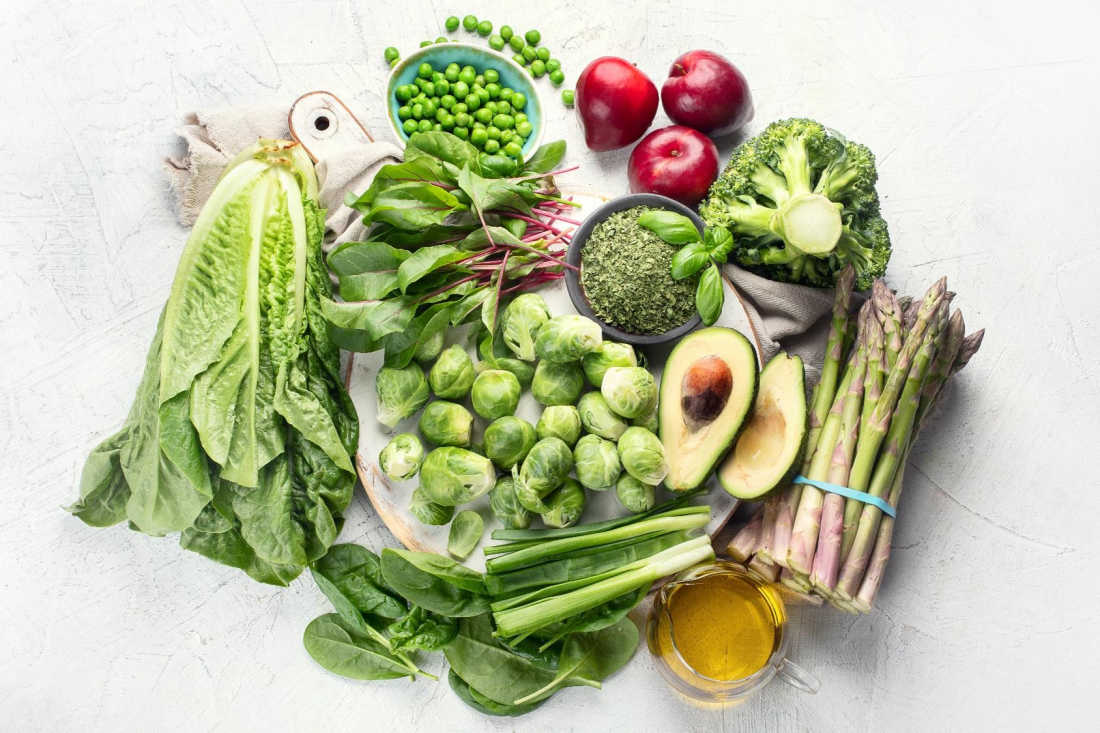
If we look for vitamin k in food, K1 is found mostly in vegetables and K2 is found mostly in animal products or fermented foods. K2 is a fat-soluble vitamin and a synergist of other vitamins, especially vitamins A and D, so it is present in foods of animal origin that also contain fat, specifically saturated fat and cholesterol. Animals can transform vitamin K1 into K2, but humans do not have the necessary enzyme to do this efficiently, which is why we benefit from obtaining K2 directly from foods of animal origin. The best food sources of vitamin K include:
- Natto
- Beef liver
- Dark meat chicken
- Goose liver
- Aged cheeses
- Sour dairy products
- Egg yolk
- Sauerkraut
- Fermented vegetables
- Vegetable oils
- Legumes
- Cauliflower and cabbage
- Broccoli
As already mentioned, animals have the ability to convert vitamin K1 into K2. The more vitamin K1 an animal ingests from food, the higher the level of K2 that will be stored in its tissues. This is why meat from grass-fed and free-range animals is better than products from farmed animals. Going back to the fact that vitamin K2 is found in several forms, MK7 is found in the highest concentration in foods of animal origin, and the other types are found in mostly fermented foods. MK4 is a synthetic form of K2. It can be difficult for vegans to meet adequate vitamin K2 intake if they don't like natto, which is also the best source of vitamin K2 ever.
Manifestations of vitamin K deficiency
How does vitamin K deficiency manifest itself? Vitamin K deficiency leads to blood clotting disorders. The most common and obvious symptoms include bruising, bleeding from the nose and gums, blood in the urine and stool, or extremely heavy menstrual bleeding. In infants, vitamin K deficiency can lead to life-threatening bleeding. Another symptom is bone demineralization, which can lead to osteoporosis and osteoporotic fractures.
Vitamin K deficiency is very rare. This is because it is abundant in leafy vegetables, and because the bacteria that normally inhabit the colon synthesize menaquinone - vitamin K2. However, newborns and infants are at much greater risk of deficiency due to the fact that their digestive systems do not have the ability to produce K2.
What to take away from the article?
Vitamin K2 and its health benefits have only come to light in the last few years. In addition to its long-known effect on blood clotting, vitamin K2 has also been shown to be beneficial for bone health, dental health, and by helping to distribute calcium efficiently, it prevents excessive calcium deposition in the blood vessels, thereby protecting the heart. Recent studies also show that it is a promising supplement in the prevention and treatment of cancer. Studies say that vitamin K is better taken from natural food sources than through a supplement. The best source of vitamin K2 is natto, a fermented cheese made from soybeans. Egg yolks, meat and milk from grass-fed cattle are also rich sources, and it is also abundant in leafy greens and broccoli. Vitamin K is a very important micronutrient, and getting enough of it is key to maintaining optimal health.
Sources:
https://www.ncbi.nlm.nih.gov/pubmed/22169620
https://www.cdc.gov/heartdisease/facts.htm
https://www.ncbi.nlm.nih.gov/pubmed/15514282
https://www.ncbi.nlm.nih.gov/pubmed/28646812
https://www.ncbi.nlm.nih.gov/pmc/articles/PMC5494092/
https://www.ncbi.nlm.nih.gov/pubmed/25516361
https://www.ncbi.nlm.nih.gov/pubmed/15320745
https://www.ncbi.nlm.nih.gov/pubmed/10799384
https://www.ncbi.nlm.nih.gov/pmc/articles/PMC6040265/
https://www.researchgate.net/publication/42541747
https://www.ncbi.nlm.nih.gov/pubmed/28407660
https://www.ncbi.nlm.nih.gov/pmc/articles/PMC3161300/
https://www.ncbi.nlm.nih.gov/pmc/articles/PMC3731399/ xml-ph-0013@dee
Recommended
Viridian Vitamin K
VitaHarmony Vitamin K2 + D3
No posts have been made yet.