





Eating avocados brings many interesting benefits!
 Author:
 Avocados top the list of the healthiest foods ever, and rightly so. As well as having a pleasant taste and being a great addition to your diet, it is literally packed with health-giving nutrients. Particularly important are the healthy fats, fibre, potassium and vitamin K. Thanks to its nutritional profile, eating avocados has many interesting benefits - from boosting cardiovascular health, to supporting healthy digestion, to being a useful fat reduction aid. Yes, avocados are truly an amazing food and we're going to take a look at them in a little more detail today.
What is an avocado?
The avocado is a nutritious fruit that originated in Mexico, but is now grown virtually all over the world. You can grow avocados at home without too much trouble - just plant them and take good care of the stone inside the fruit. The avocado tree, also known as Persea americana (called pear tree in Czech), belongs to the laurel group and can grow up to 20 metres tall. However, it is more likely to be grown here as a smaller houseplant. The trees have greenish-yellow flowers and produce single-seeded berries known as avocados.
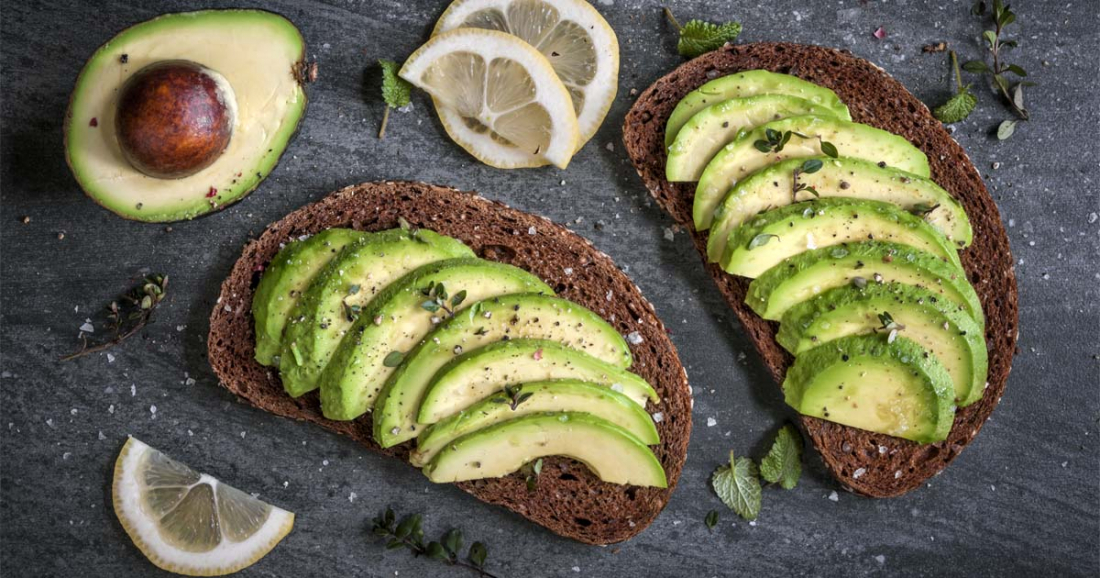
There are several different types of avocado, each of which is actually a different cultivar of the avocado plant. The most popular variety is the Hass avocado, but there are several other less common varieties - Bacon, Lula, Pinkerton, Fuerte and Gwen avocados, for example. Avocados are typically characterised by a dark outer skin with smooth green flesh inside and a large stone in the centre. It has a mild flavor and creamy texture that works well in many different dishes and recipes, but we'll come back to that at the end of this article.
Avocado nutritional profile
In order to understand why avocados are so beneficial to our health, it's good to first understand what kind of nutritional profile they actually have. Avocados are literally packed with nutrients and contain a large proportion of various vitamins and minerals. This small fruit is one of the most health-giving sources of fat we can have in our diet. In fact, the fats that avocados contain are very beneficial for our cardiovascular system. Although avocados contain a large number of calories for a fruit because of their fat content, they are also a good source of fiber, vitamin K, folate, vitamin C and potassium. When it comes to potassium, avocados are an even better source than the often cited banana. Most of the antioxidants and beneficial substances in avocados are found in the darkest part of the flesh, closest to the skin. In addition to those already mentioned, this fruit also contains some omega-3 fatty acids, omega-6 fatty acids, choline, betaine, calcium and selenium. In short... avocados are a really nutritionally very interesting food and definitely worth giving a chance.

The biggest benefits of eating avocados
We already know that avocados are a little nutritional treasure - they contain large amounts of micronutrients, antioxidants, fibre and are also one of the most healthful sources of fat. Now let's take a look together at what benefits regular avocado consumption can actually bring us.
Benefits for heart health
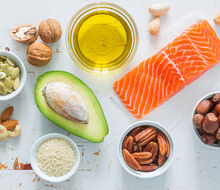
Avocados (and avocado oil in particular) are very beneficial for the health of the cardiovascular system and this is because they help balance blood lipids. In terms of chemical composition, about 71 percent of avocado fats are made up of monounsaturated fatty acids, 13 percent polyunsaturated fatty acids and 16 percent saturated fatty acids.
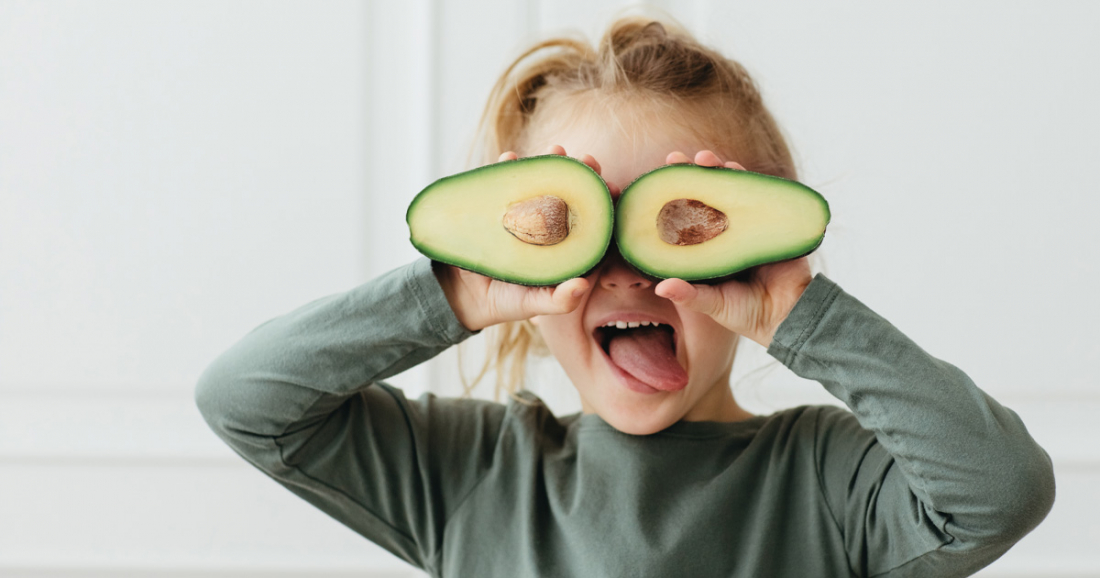
A diet that contains adequate amounts of healthy fats - especially monounsaturated fats (MUFA) - is effective in preventing plaque buildup in the arteries, according to research. In addition to fat and fibre, there are other compounds in avocados that support heart health - for example, beta-sitosterol compounds, which help regulate cholesterol levels, and magnesium and potassium, which are also found in avocados in relatively high amounts. The connection between avocado consumption and cholesterol regulation is a regular and very common topic of research, and we can say that avocados are a really useful tool in this respect, and that by eating them regularly, LDL cholesterol, triglycerides and blood lipids can be reduced. At the same time, it also appears that it can raise HDL, the beneficial cholesterol, in contrast.
Helps reduce the risk of developing metabolic syndrome
Some research suggests that eating avocados might be associated with a lower risk of metabolic syndrome. Metabolic syndrome is the term for a collection of negative health complications that increase the risk of developing heart disease, stroke and diabetes. Avocados can also help regulate high blood sugar, high blood pressure, and are even proving to help fight obesity and excess belly fat.
Avocado is a handy fat reduction helper
Right off the bat, though, let's just say that eating avocados alone isn't the most crucial thing to tackle in weight loss. Avocados are a significant source of fiber, which has a great satiating power, which can be very desirable when restricting caloric intake. Fats have the same effect, so avocados are really very beneficial in this respect, because eating them will help us to prolong the feeling of satiety and reduce the activity of the hormone ghrelin, whose elevated level leads to the feeling of hunger. However, it should be noted that avocados are indeed a very caloric food and that the key thing that influences whether the reduction will be successful or not is the observance of the principle of a REASONABLE calorie deficit, not whether the diet contains avocados or not.
Promotes eye, skin and hair health
Avocado is rich in fat-soluble vitamins and monounsaturated acids, which also benefits the health of skin, eyes and hair, not only internally but also in the form of various masks and creams. In fact, avocados are one of nature's best moisturisers. Avocados are a food high in antioxidants. For example, it contains lutein, a type of carotenoid that is essential for eye health and for maintaining healthy, youthful-looking skin and hair. Carotenoids are a group of antioxidant phytochemicals found in vegetables such as carrots, squash and sweet potatoes, and are known to block the negative effects of environmental toxins on the human body.
You can use avocado or avocado oil directly on your skin. It will add hydration and make it look fresh. Of course, there are many cosmetic products available in the market that contain avocado extracts or avocado oil and can be used. You can also use avocado in hair masks to nourish, moisturize and add shine. In addition to the aforementioned, even medicinal ointments and creams are made from avocado oil.
Improves the health of the intestinal biome
Avocado is a great source of fiber. Depending on the size, one whole fruit contains 11-17 grams of fiber, which is practically more than any other fruit and also most servings of vegetables, grains and beans. High-fiber foods are important for all of us, but especially for individuals who have digestive tract issues, because fiber helps create a balance of bacteria in the gut - increasing the number of beneficial bacteria while decreasing the amount of harmful bacteria that can cause some digestive disorders. Fibre also helps increase stool volume, promotes regular bowel movements and helps remove waste and toxins from the digestive tract. Fats are also essential for digestion and absorption of nutrients, especially fat-soluble vitamins.

Protects against insulin resistance and diabetes
Many studies suggest that a diet rich in MUFAs can improve insulin levels in insulin-resistant subjects. Consuming large amounts of MUFA-rich foods can also help lower blood sugar and insulin concentrations for hours compared to carbohydrate-rich foods. Consumption of MUFAs is also very important to ensure optimal blood lipid profiles, help regulate blood pressure, improve insulin sensitivity, harmonize glucose levels, provide prevention against the development of obesity, and fight oxidative cell damage.
Avocado for a good mood
Fatty acids play an important role in regulating central nervous system function and cognitive processes by influencing neurotransmitter levels and helping to create a natural balance of hormones. It follows that when we consume enough of these healthy fats, we will be in a better mood, concentrate better and be more productive (among other things). In fact, adequate fat intake is a good basis for preventing depression, anxiety and other mental disorders, because fats facilitate proper thought processing, hormone production and are important for stress-reducing mechanisms in the brain. Avocados are one of the best foods to consume in this regard, thanks to their high fat content.
How to choose avocados in the store and how to store them?
When choosing an avocado, first make sure it is ripe. There are many different methods, but the best and easiest way to check the ripeness of an avocado is to simply squeeze it (lightly). It should be about medium soft - not too much, but not rock hard. Ripe avocados can be stored in the fridge for several days without spoiling. If you can't get a sufficiently ripe avocado, don't despair - just set it on the kitchen counter and let it just ripen at room temperature for a few days. If you cut the avocado and don't eat it whole, drizzle it with lemon juice to preserve it, wrap it in cling film or seal it in a box and it will stay fresh in the fridge for another 2-3 days.
Recommended

Nebbia Sportovní podprsenka se síťkou PERFORMANCE 477


HMS Elektrický běžecký pás BE1862

Nebbia Crop top s dlouhým rukávem ELEVATED 468
How to use avocados?
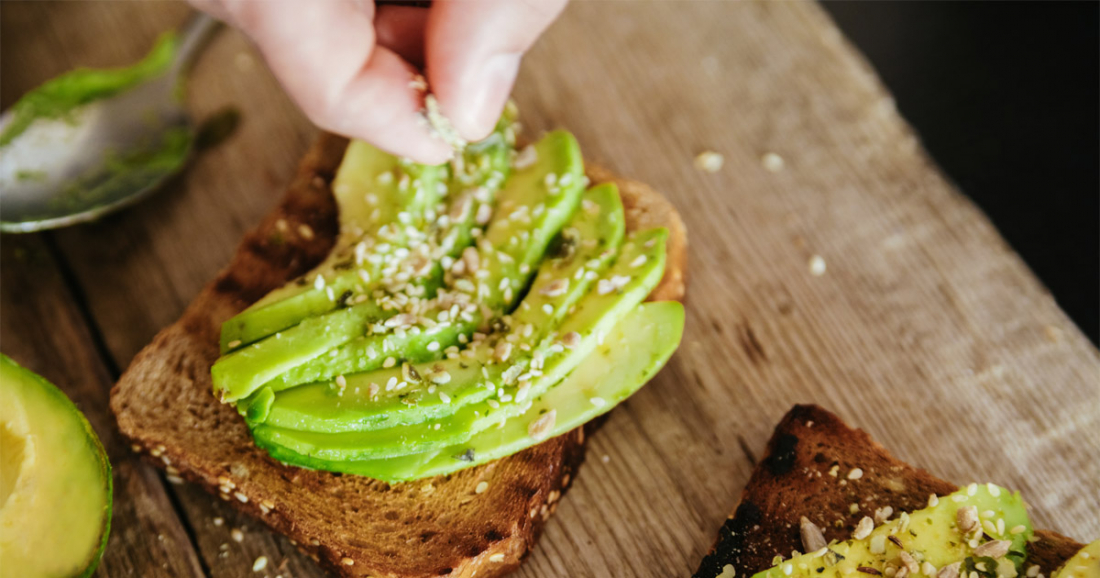
Avocados are super versatile and can be used in both sweet and savoury dishes. One of the most popular ways to eat avocados is with avocado toast - bread spread with mashed avocado and a poached egg. In addition to a million ways to spread it, it also makes a tasty guacamole or salsa for tortillas or meat. You can also just scoop out the avocado and bake it with an egg, throw it into hot and cold salads, incorporate it into a variety of smoothies, make pesto, sauces or soups. But it's also great for making desserts like chocolate mousse or brownies. Thanks to its high smoke point, avocado oil is suitable for any kind of cooking, and it makes dishes taste great. In addition to its kitchen use, you can use it to make a cream or mask for your skin or hair. Avocados are really good at home.
What to look out for?
Avocados are a super health food, but you should bear in mind that they are very high in calories. And the moment its consumption puts us over the calorie balance, even eating avocados can lead to weight gain. What we mean to say is that even healthy foods need to be consumed in reasonable quantities because that is the key. Avocados also contain a high proportion of fibre, which is beneficial in normal situations, but the moment you suddenly increase your intake of fibre, or simply take in too much, you may experience bloating, gas, diarrhoea or constipation.
Of course, you can also be allergic to avocados - the symptoms of an avocado allergy are traditionally hives, itching, swelling. If you observe any of these after eating avocados, you'd better be careful about eating them. People who have kidney problems should also be careful, as avocados contain significant amounts of magnesium, which can cause serious problems. In what other cases is it better not to eat avocados? Well, when you don't like it. Just because a food is super healthy doesn't mean everyone has to like it, and avocados, which have a rather specific taste, are a prime example of this.
What to take away from the article?
Avocados are a nutritionally very interesting food that is definitely worth having in your diet on a regular basis. It is one of the world's healthiest sources of fat, contains significant amounts of fibre and a range of antioxidants, vitamins and minerals. Thanks to its nutritional content, eating avocados benefits health in several ways - for example, it boosts the health of the cardiovascular system, serves to prevent depression and anxiety, contains substances that promote eye, skin and hair health, and is also a useful aid for slimming diets. Avocados have a very wide range of uses and you certainly won't get bored with them in the kitchen.
Sources:
Dreher, M. L., & Davenport, A. J. (2013). Hass avocado composition and potential health effects. Critical reviews in food science and nutrition, 53(7), 738-750. https://doi.org/10.1080/10408398.2011.556759
Fulgoni, V. L., 3rd, Dreher, M., & Davenport, A. J. (2013). Avocado consumption is associated with better diet quality and nutrient intake, and lower metabolic syndrome risk in US adults: results from the National Health and Nutrition Examination Survey (NHANES) 2001-2008. Nutrition journal, 12, 1. https://doi.org/10.1186/1475-2
López Ledesma, R., Frati Munari, A. C., Hernández Domínguez, B. C., Cervantes Montalvo, S., Hernández Luna, M. H., Juárez, C., & Morán Lira, S. (1996). Monounsaturated fatty acid (avocado) rich diet for mild hypercholesterolemia. Archives of medical research, 27(4), 519-523.
Johnson E. J. (2002). The role of carotenoids in human health. Nutrition in clinical care : an official publication of Tufts University, 5(2), 56-65. https://doi.org/10.1046/j.1523-5408.2002.00004.x
Ding, H., Han, C., Guo, D., Chin, Y. W., Ding, Y., Kinghorn, A. D., & D'Ambrosio, S. M. (2009). Selective induction of apoptosis of human oral cancer cell lines by avocado extracts via a ROS-mediated mechanism. Nutrition and cancer, 61(3), 348-356. https://doi.org/10.1080/01635580802567158
D'Ambrosio, S. M., Han, C., Pan, L., Kinghorn, A. D., & Ding, H. (2011). Aliphatic acetogenin constituents of avocado fruits inhibit human oral cancer cell proliferation by targeting the EGFR/RAS/RAF/MEK/ERK1/2 pathway. Biochemical and biophysical research communications, 409(3), 465-469. https://doi.org/10.1016/j.bbrc.2011.05.027
Capuano E. (2017). The behavior of dietary fiber in the gastrointestinal tract determines its physiological effect. Critical reviews in food science and nutrition, 57(16), 3543-3564. https://doi.org/10.1080/10408398.2016.1180501
Sánchez-Villegas, A., Verberne, L., De Irala, J., Ruíz-Canela, M., Toledo, E., Serra-Majem, L., & Martínez-González, M. A. (2011). Dietary fat intake and the risk of depression: the SUN Project. PloS one, 6(1), e16268. https://doi.org/10.1371/journal.pone.0016268
Paniagua, J. A., de la Sacristana, A. G., Sánchez, E., Romero, I., Vidal-Puig, A., Berral, F. J., Escribano, A., Moyano, M. J., Peréz-Martinez, P., López-Miranda, J., & Pérez-Jiménez, F. (2007). A MUFA-rich diet improves postprandial glucose, lipid and GLP-1 responses in insulin-resistant subjects.
No posts have been made yet.








