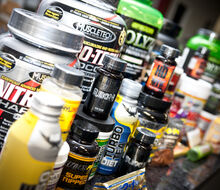
Does the kicker always run you through, too? We have an explanation for you!
 Author:
 Kickers are one of the most popular pre-workout supplements and can turn a quiet "Bruce Banner" into an incredible "Hulk" who is ready to break weights and improve his training performance. For many athletes, these stimulants are an indispensable part of the journey to greater strength and better muscle growth.Kickers, however, have a less popular side - they often stimulate the digestive tract to move. Some people are uncomfortable talking about it, so they think the problem is on their side, not the dietary supplement's. But the truth is that if the urge to "go big" arises after taking a pre-workout supplement, it's not unusual or dangerous.
The stimulants in kickers (typically caffeine or other energizers) can cause a bloated belly or faster bowel peristalsis, which often leads to an immediate urge to visit the restroom. It doesn't matter whether you're drinking cheap kickers or expensive 'premium' pre-workout drinks - the effect on digestion can be similar in all of them. So if you're looking for energy before a workout, expect that these supplements may "kick you up" in other ways than you'd expect.
In the end, there's no need to worry too much about these side effects - despite these minor drawbacks, kickers can significantly help you improve your performance in the gym, increase focus and promote muscle growth. Just be prepared that you may need to run a little bit next door first before your squat series.
Article Content:
- What are kickers?
- Why can a kicker "sneak up on us"?
- How to reduce the risk of stomach upset after taking a kicker?

What are kickers (pre-workout supplements)?
Kickers, also known as pre-workout supplements, are consumed before going to the gym and are used to promote performance and fitness. They are a blend of multiple ingredients, each performing a specific task - from increasing energy, endurance and focus to optimizing blood flow and pumping up muscles.
The active ingredients often include BCAAs or creatine, which can start the muscle recovery and regeneration process during training. Although most of these ingredients complement each other, side effects can occur at higher doses.
Most people expect to "rock" their workout to the max thanks to a pre-workout kicker. However, sometimes stomach upset occurs within the first 5-10 minutes after ingestion, especially in beginners. This effect tends to be associated with caffeine or other stimulants, which can make more sensitive individuals feel nauseous. However, if you choose your supplements appropriately, these pre-workout supplements can help you maximize performance, promote muscle growth and improve recovery after a tough workout.
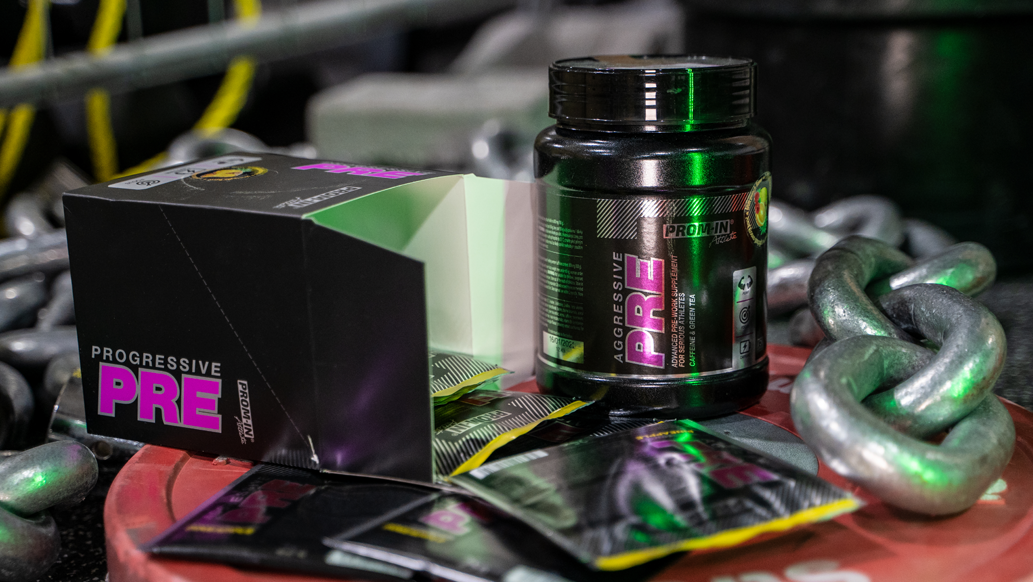

Why can a kicker "lose" us?
The main culprit is caffeine and other stimulants that are abundant in pre-workout supplements. Most athletes reach for a kicker just to increase energy and focus, but the same rush of stimulation can also speed up your bowel movements, sometimes forcing you to the toilet before you even grab a barbell.
Caffeine - best friend and secret enemy
Caffeine is the most widely used stimulant in kickers, which boosts performance, stimulates alertness and can even promote liver and colon health. Sports nutrition manufacturers often compete to see who can offer the highest dose of caffeine per scoop - which can range from 150 to 300 mg. Compared to the average 80 mg of caffeine in a regular cup of coffee, that's a hefty "kick" of caffeine, but one that often comes with a quick visit to the restroom.
How to reduce the risk of stomach upset after taking a kicker?
-
Never take a kicker on an empty stomach
- A light meal can ease the irritating effects of stimulants on the stomach.
-
Reduce the dose of the kicker
- Start with smaller amounts and gradually test what your body can tolerate.
-
Try a different product
- If your current pre-workout supplement doesn't suit you, look for an alternative with a different formula.
-
Limit caffeine intake during the day
- Too many stimulants (coffee, tea, energy drinks) can lead to an overload of energy.
-
Avoid ingredients that don't suit your stomach
- Monitor how your body reacts to specific substances (e.g. artificial sweeteners, DMAA).
-
Do not overlap stimulants from different supplements
- Mixing multiple products at the same time increases the risk of side effects.
-
Try a pre-workout supplement without stimulants
- These "non-stim" products often contain substances to improve blood flow and pump up muscles, but without the uncomfortable "run" to the toilet.
With these tips, you can enjoy the kicker to the fullest without unnecessary trips to the bathroom, while maximizing performance and recovery during a tough workout.
Recommended
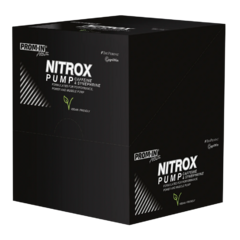
Prom-in Nitrox Pump
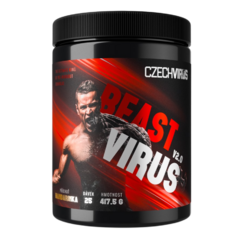
Czech Virus Beast Virus V2.0
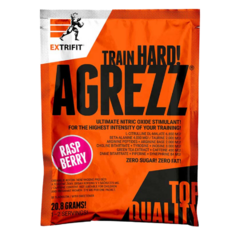
Extrifit Agrezz
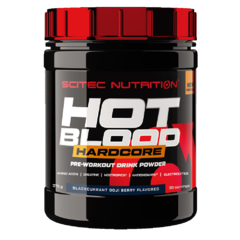
Scitec Hot Blood Hardcore
Source:Fitnessvolt
No posts have been made yet.