American Kickers | A new level of training or a gamble with health?
 Author:
 American Kickers are a trend that has been oscillating in the fitness community for several long years. More experienced athletes have managed to form some sort of opinion and either actively use these supplements or have completely given up on them and don't recommend them to anyone. However, there are still a number of younger athletes among us who may never have heard of these substances and so don't really know what to think about them. In our article today, we will independently and based on scientific studies tell you whether they can really take you to the next level or whether they are more of a health hazard.
Article content:
What makes American kickers different?
When you go to the supermarket and buy something, it has to be a product approved by a number of relevant bodies that oversee safety and the ingredients used. The same is true for dietary supplements. Anything you get from any online shop has to meet the fairly strict requirements of the authorities that regulate the active ingredients. You may have noticed that a number of kickers contain 200mg of caffeine per dose. Why? Because this is the maximum amount allowed.
In the United States, this principle works essentially the same way, but the benchmarks for a number of products are different because the level of consumer protection is, simply put, not as high. Thus, many American kickers may contain more caffeine, you can (not) find a variety of natural ingredients on the market (for example, Tonka beans have been banned in the US since 1954, but you can buy them commonly here) and even various food additives.
But besides more caffeine, the problematic substance in most American products is a substance called DMAA. Although the courts there currently consider it illegal, it is in fact still used in many supplements and is sold without restrictions. You can get it without any problems in our country, just not on the eshops, but mostly in various groups on social networks or from friends in gyms.
Why is it used? It simply works as a good stimulant that will offer an incredible drive to your workout, delay fatigue and in the long run help burn fat as well. Ideal, right? Unfortunately, it has its buts.
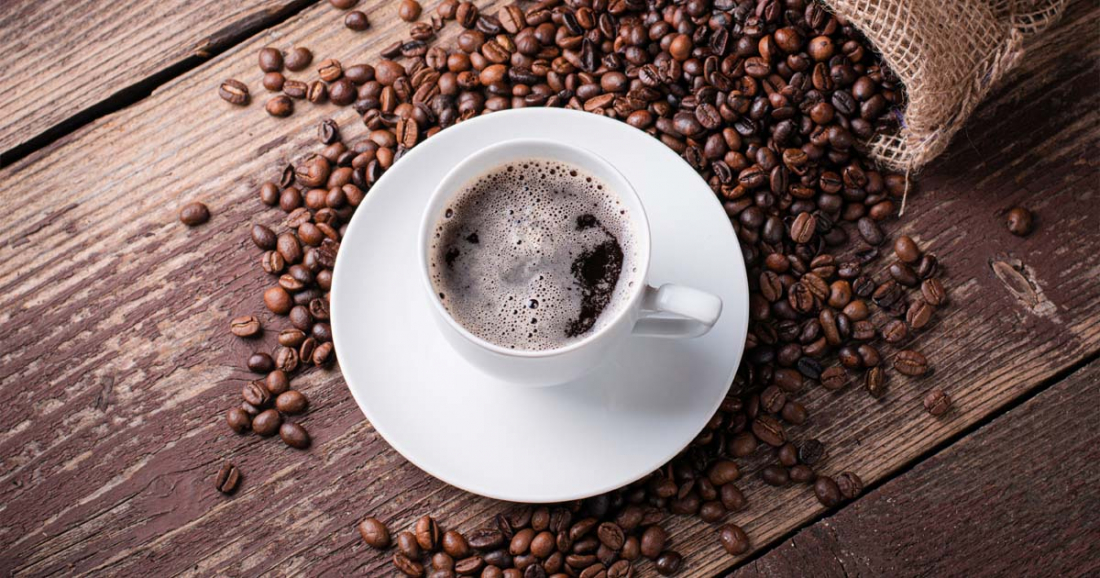
US supplements may have more caffeine, but over here, some people indulge in pre-workout coffee.
Lukas Roubik's woes speak for themselves
American supplements are not only made up of DMAA, although DMAA is the most potent substance. They are made up of substances such as PEA (phenylethylamine), which also belongs to the amphetamine group, or DMHA (octodrine). Lukáš Roubík from the Institute of Modern Nutrition could certainly say something about these substances, as his fight against the "Miracle coffee for weight loss" containing the above-mentioned substances made it to the Black Sheep. And although you can read the whole case on the imv.cz website, its summary is definitely suitable for our article today.
So. The plot of the case revolves around a kind of slimming coffee, thanks to which you don't actually have to exercise and still manage to lose weight healthily. This coffee was (and quite probably still is) offered by various popular bikini fitness competitors. The problem is that the coffee contains the two aforementioned doping substances, and although the manufacturer itself talks about them, the resellers often keep them quiet.
Four batches of coffee have been tested for the presence of banned substances by the State Agricultural Food Inspectorate. One of the batches had such high levels of PEA that it had to be labelled as harmful. The other 3 batches had either minimal or in one case zero amounts of PEA.
For the purposes of today's article, it is important to summarize what we know about the case. No one, including the sellers, are able to tell you how much of any given batch contains any given substance. This is unacceptable in European supplements, many manufacturers even take the trouble to test each batch separately. And just the fact that you don't actually know exactly what you're drinking should be reason enough to avoid the supplement. If that's not enough for you, below you'll find a short list of proven side effects.
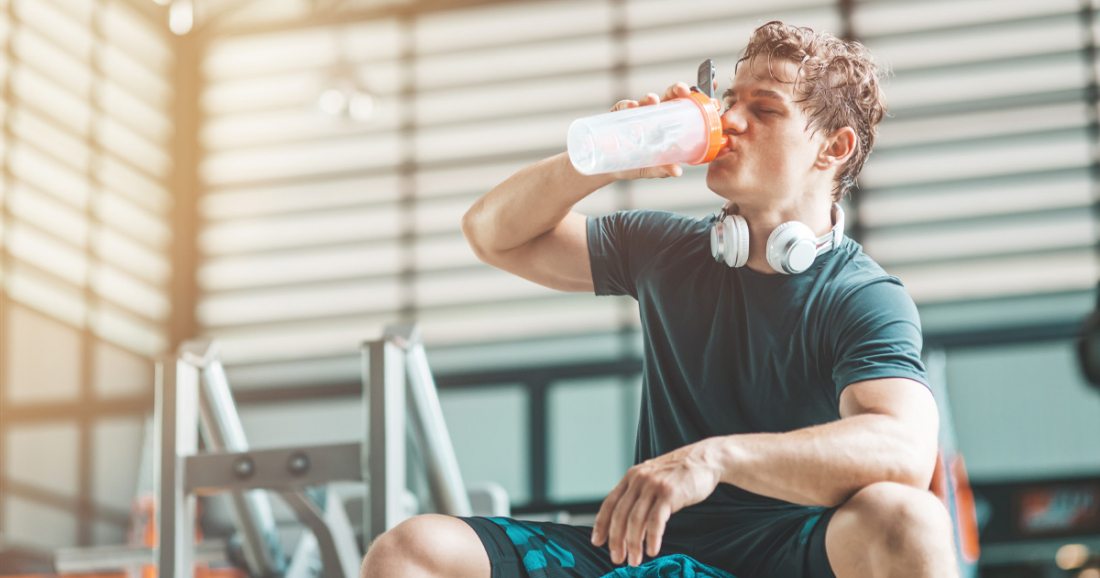
Does it make sense to drink a supplement that you don't know exactly what it contains?
Why are American supplements bad?
Let's not kid ourselves, the higher caffeine content is usually not a problem. In fact, if you somehow urgently crave extra caffeine, it's not a problem to buy caffeine tablets in addition to the classic kicker and take an equivalent amount before your workout. A much bigger problem is the aforementioned DMAA - 1,3-dimethylamylamine, a substance that is very similar in structure to amphetamine and has even caused a positive doping test for the drug in the past. However, PEA and other substances can also exhibit the same behaviour. So why are they problematic?
Mainly because of reported side effects. In fact, according to the available data, athletes have primarily reported the following things after taking either DMAA alone or as part of some supplements like Jack 3D, Rage, older editions of Mesomorph or Rocky KO:
- Vomiting and nausea - The most common side effects consist of vomiting, nausea or headaches and, according to research to date, roughly 15% of users suffer from them. While this side effect can occur even with EU approved kickers (mainly due to caffeine), it is more common with American supplements.
- Shortness of breath - This effect occurs quite often in the case of US supplements and, to make matters worse, in addition to professional websites, the US FDA itself points it out.
- Liver damage and brain bleeding - Already in 2013, according to available data, 36 people were hospitalized with liver complications directly related to DMAA use. Brain haemorrhage has also been reported. Statistically, the frequency of occurrence is of course small, but this does not change the fact that these two effects do not occur at all in supplements on our market according to the available data.
- Low risk of death or serious health complications - Even before DMAA was officially banned, at the turn of 2012-2013, the US Department of Defense was deciding on the use for military purposes and concluded that DMAA is quite risky because although the risk of death or serious health complications is very low, it does not provide any compensating benefits, as Wikipedia.org points out.
But besides DMAA, of course, PEA and DMHA are also problematic. Although experts from the aforementioned Institute of Modern Nutrition talk about increased blood pressure, tachycardia, heart palpitations and anxiety, there are scientific articles admitting a correlation between PEA and schizophrenia, for example.
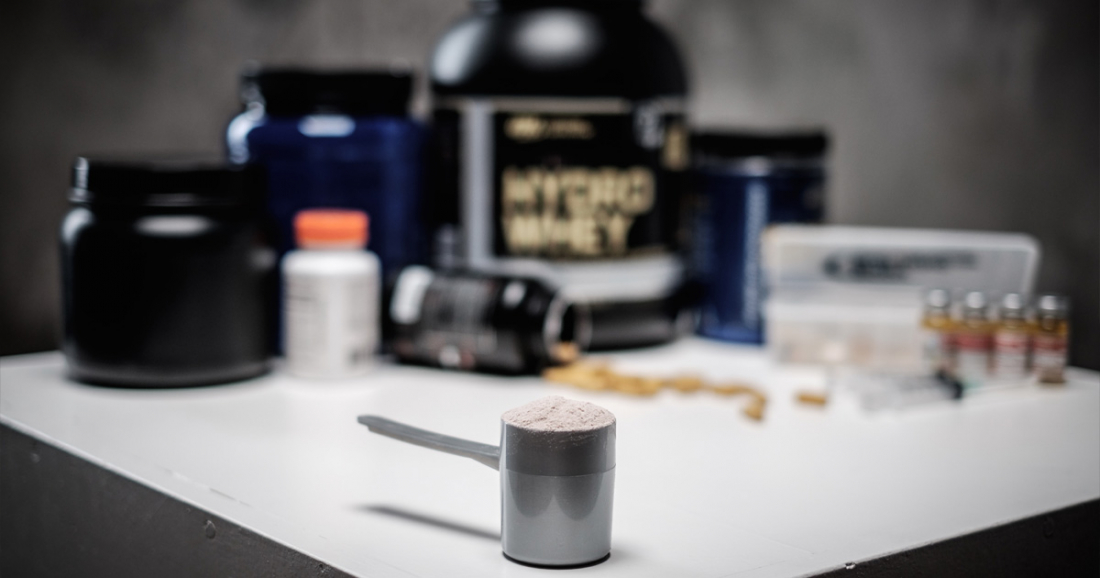
You watch every gram of food in your diet. So why use a supplement with an unknown composition?
What to take away from today's article?
Whether to use American kickers, or rather avoid them in an arch way, we leave entirely up to you. But what you should take away from today's article is that the extreme stimulating effect is offset by various risks - more or less frequent and serious. But you need to be aware of these risks as well as the fact that different batches may contain different amounts of substances. That's why European supplements are a safe bet.
Recommended
No posts have been made yet.