





Caffeine, the best and most used stimulant
 Author:
 How many of us can't imagine a morning, or a pre-workout ritual, without our favourite cup of coffee, tea or a kick-ass drink. Yes, today's article is dedicated to talking about this world's most used stimulant.
Caffeine has been consumed by humans for many years. The market for caffeine products continues to grow, whether we're talking about beverages, supplements or other caffeine-containing products. Being a great CNS stimulant, it is one of the most widely used psychoactive substances in the world. Together with salt and water, it is actually the basis of our diets. You may be shaking your head, but caffeine is one of the most consumed "foods" in the world. Often not just for occasional use, up to 90% of us consume caffeine on a daily basis and it is part of our daily rituals. We find it in a huge variety of foods - chocolate, coffee, sodas, tea, ice cream and many other products where you wouldn't actually expect to find it. Thanks to its stimulating effects, supplements containing it are among the most sought-after categories among bodybuilders, endurance athletes, and recreational athletes alike.

Caffeine is a much-discussed part of nutrition, especially its physiological effects and the absence of calories have generated a lot of interest in its effect on overall health. The most frequently asked questions are related to the risk of cardiovascular disease. A large number of studies have been carried out on this topic and most conclude that, when consumed in reasonable quantities, it has rather beneficial effects for the body. Excessive intake of caffeine obviously has health consequences, such as insomnia, headaches, gastrointestinal problems (in other words, digestive problems). Caffeine is also largely not recommended for pregnant women, as caffeine and its metabolites pass freely through the placenta to the fetus.
The residence time of caffeine in the body is approximately 3 to 10 hours, depending on the amount. It is most effective 30 to 60 minutes after ingestion. The stimulating effect can be observed as early as approximately 15 minutes after consumption. Caffeine has been shown to have mild diuretic (dehydrating) effects. You may read somewhere that it leads to dehydration. However, it has subsequently been proven by many studies that caffeinated drinks hydrate in almost the same way as decaffeinated drinks. The truth is that it is better to supplement caffeinated drinks with more water, especially if consumed in hot weather, as caffeine is thermogenic (warming).
Caffeine is also classified as a fat-burning agent. Firstly, due to the reduction of the feeling of hunger or the aforementioned thermogenic effect. It also slightly increases resting energy expenditure - meaning the amount of calories you burn when you are doing nothing. However, caffeine doesn't act as a burner on its own, you have to adapt to the condition and choose the appropriate workout.
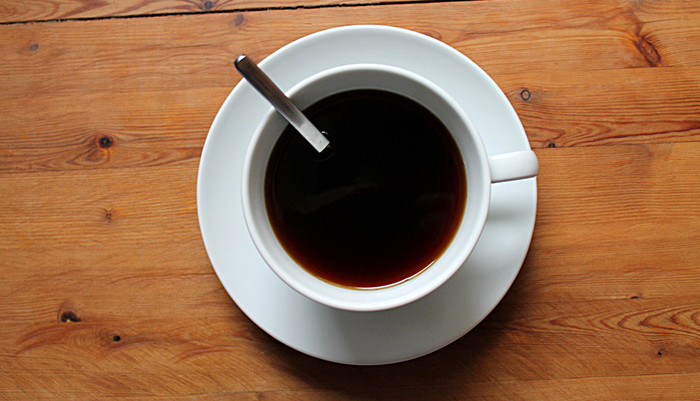
Another common question associated with the consumption of caffeine and caffeinated beverages is that of developing an addiction to the substance. Over time, we really develop a tolerance (even addiction) to caffeine, and therefore we tend to drink more and more coffee and increase the doses of kickers to achieve the same effect. Therefore, if you keep adding, you need to take a break from caffeine for a few days. After you suddenly stop consuming high doses of this stimulant, you may actually experience some withdrawal symptoms, such as a headache, irritability or difficulty concentrating. Fortunately, these symptoms do not last long. Many people are also sensitive to caffeine to the point that it disrupts their sleep, causes inner restlessness, or makes them feel more stressed. Then caffeine needs to be limited and a reasonable level sought.
When to take caffeine?

Caffeine as good servant, bad master
Caffeine is both a great support and a threat to life, as it affects it on every possible level - sleep, mood, appetite, performance, etc. On top of that, it's also a great helper for your training, which is probably the part you're most interested in. It's been shown to improve physical performance in all sports while slowing down mental fatigue so we actually endure training harder and longer.It increases blood pressure, heart rate, and stimulates adrenaline production. To get the most out of the effects of caffeine, we need to consider the amount and frequency with which you take it.
The larger the dose and the more often, the less its 'stimulant' effects will affect you. Caffeine blocks adenosine, a substance that, simply explained, causes drowsiness and loss of concentration. The body produces it when tired or before sleep. On the other hand, caffeine increases the concentration of dopamine, a neurotransmitter in the brain that controls the pleasure and reward centres, so it helps to induce feelings of happiness and satisfaction.

So how to optimally time caffeine depending on your workout?
As mentioned in the previous paragraphs, the ideal time to take a caffeinated beverage is about an hour or two before your workout. We should avoid consuming caffeinated products and drinking caffeinated beverages in the afternoon, precisely because of the adenosine block, which could lead to problems falling asleep. Caffeine has a long decay time, so if you take, for example, a caffeine tablet containing about 200 mg of caffeine at 6pm, you will still have about half the amount in your system around midnight. Therefore, you should be careful about taking caffeine preparations in the afternoon. A safe dose is considered to be approximately 2-3 mg per kg of body weight.
No posts have been made yet.








