





Come find out the link between red meat and cancer
 Author:
 Red meat has been quite a hot topic in nutrition lately, dividing experts and the public into two groups. There are those who claim that eating red meat leads to cancer and has a negative effect on health, and then there are others who advocate rationality in eating and believe that beef, pork and venison carry nutritional and health benefits. As with most issues relating to diet, training or lifestyle, nothing is ever black or white and there is always a need to look at the issue more holistically. Let's go through the pros and cons of eating red meat together.
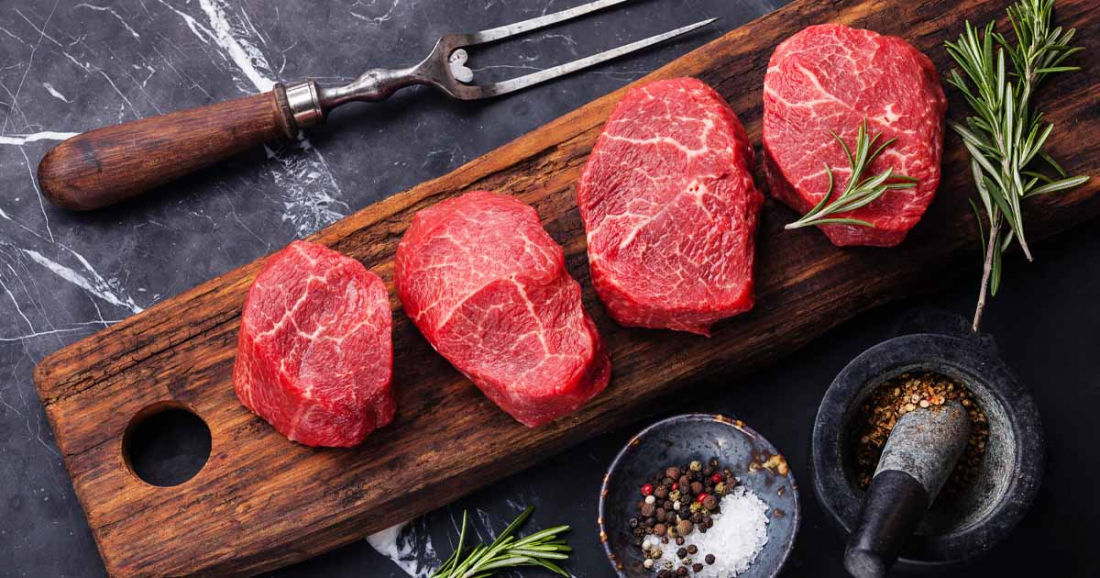
It's true that studies dealing with red meat consumption are rapidly increasing, it's safe to say that every other week there's a new one that refutes the previous one and it can be confusing as to what's actually true. Let's do a little review of all the pros and cons and look at whether red meat is really the evil it has recently been made out to be.
Theoretical window - what is red meat?
Red meat is generally defined as mammalian meat. Unlike fish or poultry, it is usually raw red in colour and tends to darken when cooked. Technically, red meat can also be classified as any type of meat that has more myoglobin than meat that has, for example, poultry or fish sources.
So what is considered red meat? Once again, nothing is ever just black or white, and this is also true when it comes to the distinction between white and red meat from animals. So, again, there are a bunch of opinions and guidelines on how meat is divided. While beef, elk and venison are almost always classified as red meat, other meats such as pork or veal are often considered white meat by culinary definition due to their lighter hue. According to the USDA, the meat of all mammals is considered red.
TYPES/TYPES OF RED MEAT
There is a lot of conflicting information when it comes to red meat, as with most nutrition topics. So what types are actually considered red meat? Although some meats are classified as white meat by culinary definition, the meat of all mammals technically falls under the category of red meat animals. Here's a list of the most common meats that are considered red.
- Beef
- Lamb
- Pork
- Veal
- Venison
- Goat meat
- Mutton
- Boar meat
- Buffalo meat
- Horse meat
- Rabbit
- Buffalo meat
- Elk and reindeer meat
Red meat from a nutritional point of view
One of the main benefits of eating meat is the many nutrients it provides. Although the exact nutritional profile can vary depending on the type, slicing and preparation of the meat, most meats are high in protein and micronutrients such as zinc, iron, vitamin B12 (generally B complex vitamins) and selenium. Meat (not just red meat) has virtually zero carbohydrate content and the fat content varies by type and method of preparation.

For example, beef from grass-fed cattle is considered much healthier than meat from conventionally raised cattle, as cows fed only grass and natural feed are said to have healthier meat. In fact, it makes perfect sense that what a cow eats directly affects the types and levels of nutrients and fats you get when you eat meat from such an animal. Meat from grass-fed cattle contains much more omega-3 fatty acids and more conjugated linoleic acid (CLA) than meat from conventionally raised cattle.
Risks of eating red meat
Over the last few years, many studies have appeared that question the possible positive health effects of meat and, on the contrary, denounce it as harmful. So let's take a look at the reasons why red meat is potentially bad?
The first and main risk that has been raised in connection with red meat consumption is the very high saturated fat content. Although studies show that there is no direct link between saturated fat consumption and heart disease, it could raise levels of bad LDL cholesterol in the blood, which can contribute to the build-up of fatty plaques in the arteries. Some evidence suggests that eating red meat may also be associated with a higher risk of heart problems. For example, one study from Boston showed that eating more red meat was associated with a higher risk of heart failure in male doctors.
Another study found that increased consumption of red and processed meats was associated with a higher risk of death from heart disease and cancer. However, it is important to distinguish between processed and unprocessed meat when assessing potential negative health effects. And it is really, really important. For example, in a massive study involving more than 448,000 people, processed meat was associated with a higher risk of mortality, primarily due to heart disease, while the study found no negative health effects for unprocessed red meat.
Several studies have also confirmed the link between red meat consumption and the development of cancer. In 2015, the World Health Organization even classified red meat as "potentially carcinogenic to humans," referring to the fact that there is evidence of a possible link between higher red meat consumption and colorectal, pancreatic and prostate cancers. However, it is important to bear in mind that many of these studies apply generically to all red meat, i.e. processed and unprocessed meat combined, which could potentially bias the results.
Recommended

Nebbia Legíny na cvičení ROUGH GIRL 616

HMS AirBike MP5420
Czech Virus Liver Max V2.0

Nebbia Asymetrická sportovní podprsenka ELITE 469
In fact, if we look at the studies that distinguish between the different types, the results are quite clear - while the risk of developing diseases, including cancer, is indeed possible and quite significant for processed meat, it is practically zero for unprocessed meat. Some research suggests that other factors, such as the way meat is cooked and prepared, could also play a role. Cooking meat and other foods at high temperatures can increase the production of harmful substances such as advanced glycation end products (AGEs), heterocyclic amines (HAs) and polycyclic aromatic hydrocarbons (PAHs), and high intakes of these can actually contribute to the development of cancer. Minimizing exposure to high heat by using aqueous cooking methods such as braising or steaming can help reduce the formation of these harmful chemicals.
Although uncommon, some people have an allergy to red meat, also known as an alpha-gal allergy. For those with allergies, eating meat can cause side effects such as nausea, itching or vomiting. If you experience any of these symptoms after eating it, consult a doctor immediately.
Health benefits of eating red meat
Okay, let's take a look at the other side of red meat consumption, specifically its health benefits. In reasonable amounts, red meat can be very beneficial - it's a great source of many nutrients and can help increase your intake of key vitamins and minerals such as zinc, B complex vitamins, especially B12, selenium, iron and or niacin. These micronutrients play a central role in ensuring optimal health. For example, zinc is essential for proper immune system function and helps protect the body from disease and infection. The B-complex vitamins found in red meat, in turn, are involved in energy production, brain function and cell renewal.
Meat is also one of the best food sources of iron, an important mineral that is essential for the production of red blood cells, which are very important for health. A deficiency of this key nutrient can cause anemia, a condition characterized by symptoms such as weakness, fatigue, brittle nails and shortness of breath.
Plus, meat is a high-protein food. Protein is a super important nutrient that can promote healthy growth and development, support immune function, is essential for muscle growth and maintenance, and more. Especially for active individuals, protein has a very important function. Studies show that protein can also significantly help with weight management. Eating more protein can help reduce levels of ghrelin, the hormone responsible for stimulating feelings of hunger.
How to prepare red meat?
In the previous paragraphs, we have already indicated that the choice of meat preparation plays an important role. The key is to choose the right meat - reach for unprocessed lean red meat whenever possible and keep your consumption of processed products such as sausages, bacon and other cold cuts or sausages to an absolute minimum.
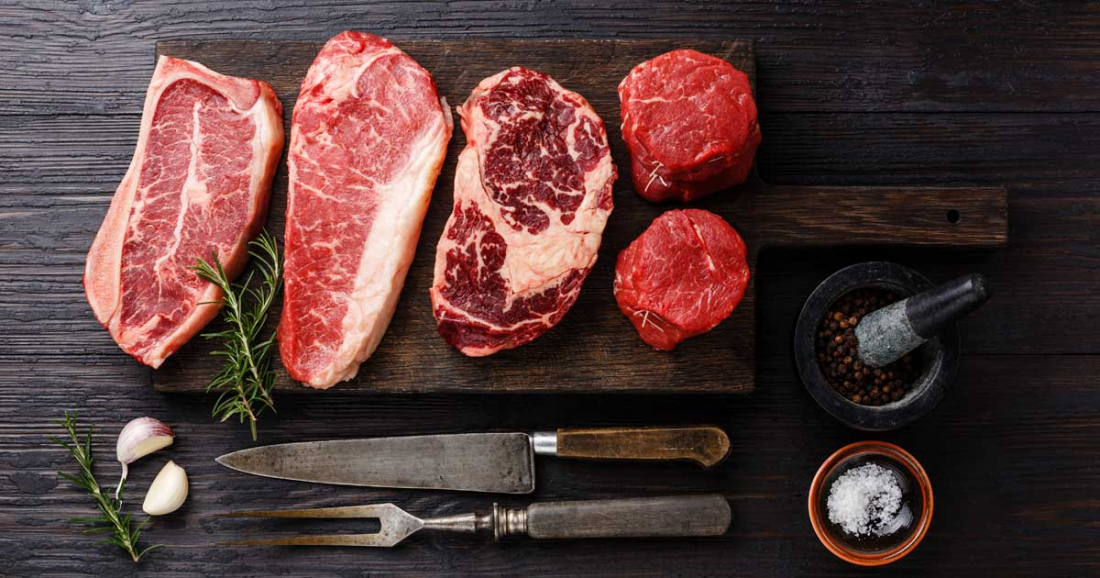
The way you prepare your meat also plays a very important role and can also help reduce potential health risks. Instead of cooking meat at high temperatures, try steaming or braising to prevent the formation of harmful substances such as AGEs and heterocyclic amines. Avoid eating meat that has been burnt, smoked or cooked too many times, as it is likely to contain carcinogens. Marinating meat in lemon juice, garlic, or red wine before cooking is another strategy that can also prevent the formation of these harmful chemicals.
So what is it, is red meat harmful or not?
Again, let's recall two ideas, namely that there is no unhealthy food, only unhealthy amounts, and that the difference between a drug and a poison is the amount. Therefore, keeping meat consumption within a reasonable level and limiting processed food creations, which can be classified as "junk food" meaning fast food, cold cuts and other nutritionally uninteresting foods, is also very important. In fact, the American Institute for Cancer Research recommends limiting red meat intake to about three servings per week.
Do you love beef or other red meat and are concerned about eating it? You don't have to, if you want a simple solution that will help you meet your protein intake needs and ensure you eat well, try alternating meat with other protein sources in your diet, such as free-range poultry, wild fish, protein powder, eggs and plant-based proteins like tofu, natto, miso and legumes. Dietary variety is very important and plays a role in not only how we look but also how we feel. Don't be afraid to use and combine different sources of nutrients, or to vary the types of meat you eat to ensure that your body is getting a good supply of nutrients from all possible sources, as this is one of the better ways to ensure that your body has everything it needs for health and optimal functioning.
What to take away from the article?
The consumption of red meat has been very negatively portrayed lately. The truth is that excessive consumption can indeed be carcinogenic, however, it does have a few BUTs. The first is the fact that most of the negative effects, are associated with consuming excess processed meat, not the unprocessed, high quality kind. But the second, is that there is no such thing as an unhealthy food, only an unhealthy amount, and any food can be harmful to health if we consume too much of it. Focus on eating a wide variety of food sources in the highest quality available, limit overly processed ingredients, and in short, eat food that is real food. Red meat is an appropriate part of the diet, it just shouldn't be the only source of nutrients.
Sources:
https://www.ncbi.nlm.nih.gov/pubmed/24723079
https://www.ncbi.nlm.nih.gov/pmc/articles/PMC5293238/
https://www.ncbi.nlm.nih.gov/pmc/articles/PMC2974007/
https://www.ncbi.nlm.nih.gov/pubmed/26143683
https://www.ncbi.nlm.nih.gov/pubmed/23497300
https://www.iarc.fr/wp-content/uploads/2018/07/pr240_E.pdf
https://www.ncbi.nlm.nih.gov/pmc/articles/PMC4549221/
https://www.ncbi.nlm.nih.gov/pmc/articles/PMC4045458/
https://www.ncbi.nlm.nih.gov/pmc/articles/PMC3724376/
https://www.ncbi.nlm.nih.gov/pmc/articles/PMC4772032/
https://www.ncbi.nlm.nih.gov/pubmed/26797090
https://www.ncbi.nlm.nih.gov/pmc/articles/PMC3999603/
https://www.ncbi.nlm.nih.gov/pubmed/16469977 xml
No posts have been made yet.








