





A list of foods that are guaranteed to lift your mood!
 Author:
 Food can affect a whole range of bodily processes, how we look and ultimately how we feel and our mood. Following healthy lifestyle principles such as a balanced diet with adequate nutrients, optimal drinking, getting enough sleep and regular exercise is generally a very good strategy to ensure that we feel good. However, when it comes to feeling good, there are foods that contain substances that have a beneficial effect on mental health and can help us feel happier and in a better mood. Today, let's discover together a list of the best foods that are rich in substances that can improve your mood!
What nutrients are essential when it comes to good mood?
A number of substances can affect our mood. For example, good mood can be boosted by eating plenty of foods that provide nutrients such as protein, tryptophan, omega-3 fatty acids, vitamin D and vitamin B12 - all substances that are beneficial for mental health and can influence how we feel. This happens because the nutrients mentioned have the ability to produce more chemicals (such as the neurotransmitter serotonin) that are crucial for a good mood. Foods high in antioxidants and complex carbohydrates, which (among other things) provide the body with fibre, also have a positive effect in this regard. This is important for promoting gut health and fighting chronic inflammation - two key aspects linked to improved mood and mental health.
A list of nutrients that can make us feel happier:
- Tryptophan
- Omega-3 fatty acids
- Complex carbohydrates
- Fiber
- Antioxidants (bioflavonoids, polyphenols, anthocyanidins and catechins)
- Folate
- Magnesium
- Vitamin C
- Vitamin B12
- Vitamin D
- Copper
- Zinc

A list of TOP foods that are guaranteed to lift your mood!
Okay, let's move from theory to practice - below you'll find a list of foods that are rich in various compounds that can boost mental health and mood.
Dark chocolate
Chocolate lovers can rejoice - good quality dark chocolate (meaning really dark chocolate, with a minimum cocoa content of 85%) has been shown to really improve mood. Real dark chocolate (or cocoa) is very rich in antioxidants that fight the negative effects of free radicals, which can have a variety of negative effects on our bodies. Chocolate can lift our mood almost instantly thanks to the presence of the compounds theobromine and phenylethylamine, which act as "natural antidepressants". It also contains tryptophan, which helps the brain produce serotonin, the happiness hormone. So if you are in a bad mood, a cube or two of dark chocolate is a very good strategy.

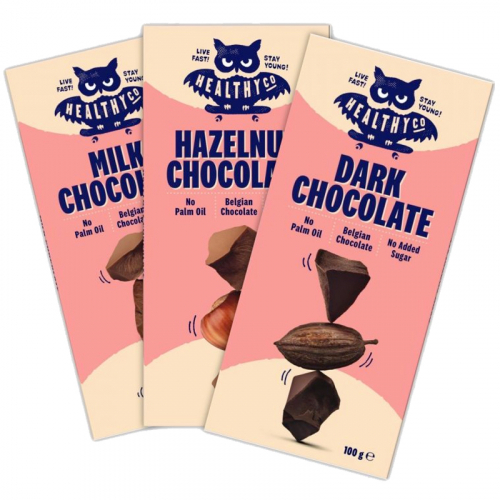
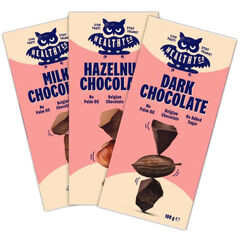
Buy dark chocolate from HealthyCo Chocolate HERE!
Salmon and other fatty fish
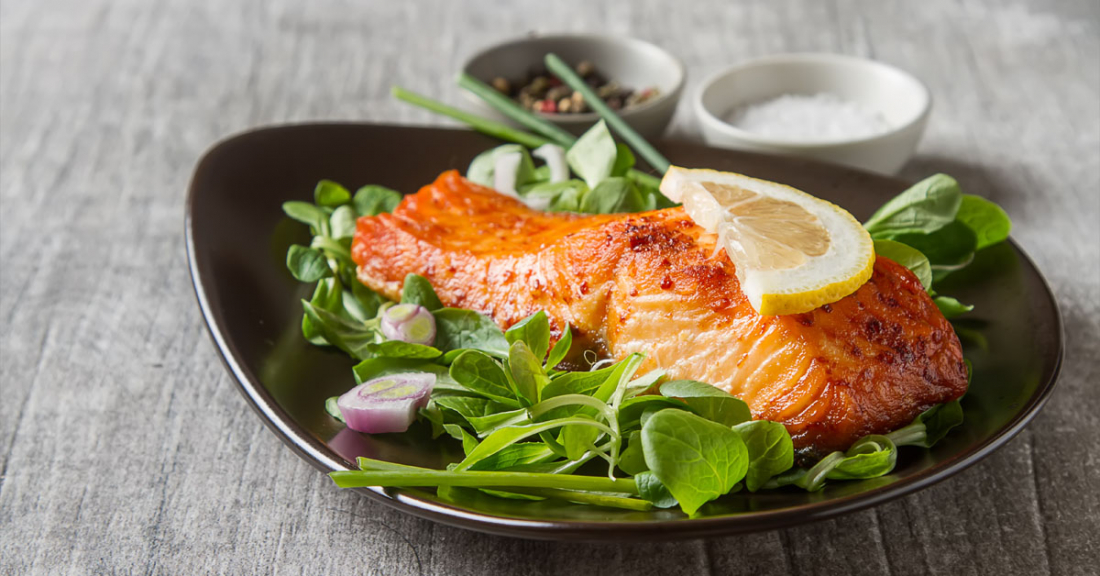
Oily fish such as salmon, sardines or anchovies are the best food sources of omega-3 fatty acids, which can improve mood and fight inflammation, anxiety and depression. Omega-3 fatty acids are a group of essential fats that are essential for our bodies and must be consumed in the diet because our bodies cannot make them on their own. In addition to their ability to protect our brains, support cognitive function, prevent the development of depression and improve memory, omega-3 fatty acids are one of the most important nutrients during the development of the brain itself.
Fish is also a good source of protein, which is composed of amino acids. It is amino acids that our bodies use to create neurotransmitters (chemicals that allow brain cells to communicate). Protein-rich foods are known to have the ability to positively affect mood and energy - not to mention satiate and can prevent hunger, which is also associated with mood swings, irritability and fatigue, among other things.
Yoghurt and other fermented dairy products
Fermented foods, which include kimchi, yogurt, kefir, kombucha and sauerkraut, can improve gut health and mood. The fermentation process allows live bacteria to thrive, which are then able to convert sugars into alcohol and acids. During this process, beneficial probiotics are produced. These live microorganisms promote the growth of beneficial bacteria in the gut and can increase serotonin levels. Serotonin is a neurotransmitter that affects many aspects of human behavior such as mood, stress response, appetite, and even sexual desire. Up to 90% of serotonin in the human body is produced by the gut microbiome, so eating fermented foods seems to be a very good way to boost its production.

Buy Kombucha HERE
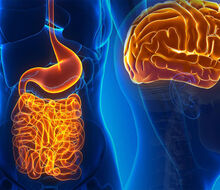
In addition, the gut microbiome plays a role in brain health. If you read our website regularly, you will know that there is something called the "But-Brain Axis" in the body, which, as the name implies, connects our gut and brain and mediates their continuous communication. This logically implies that a healthy and well-functioning microbiome plays an absolutely crucial role also in terms of psychological, mood and mental health.
Bananas
Bananas are a good source of carbohydrates and electrolytes, which help provide energy to the brain and body. They also contain tryptophan, an amino acid that has been shown to have calming properties because it increases the release of serotonin, which we're mentioning here today. They also contain vitamin B6, which helps synthesize the neurotransmitters dopamine and serotonin. This ubiquitous tropical fruit, especially when it is less ripe - that is, with green skin, is an excellent source of prebiotics, which is a type of fiber that helps "feed" the healthy bacteria in our gut. And as we mentioned in the previous point - a healthy and well-functioning gut microbiome is, among other things, the basis for a good mood.
Nuts and seeds
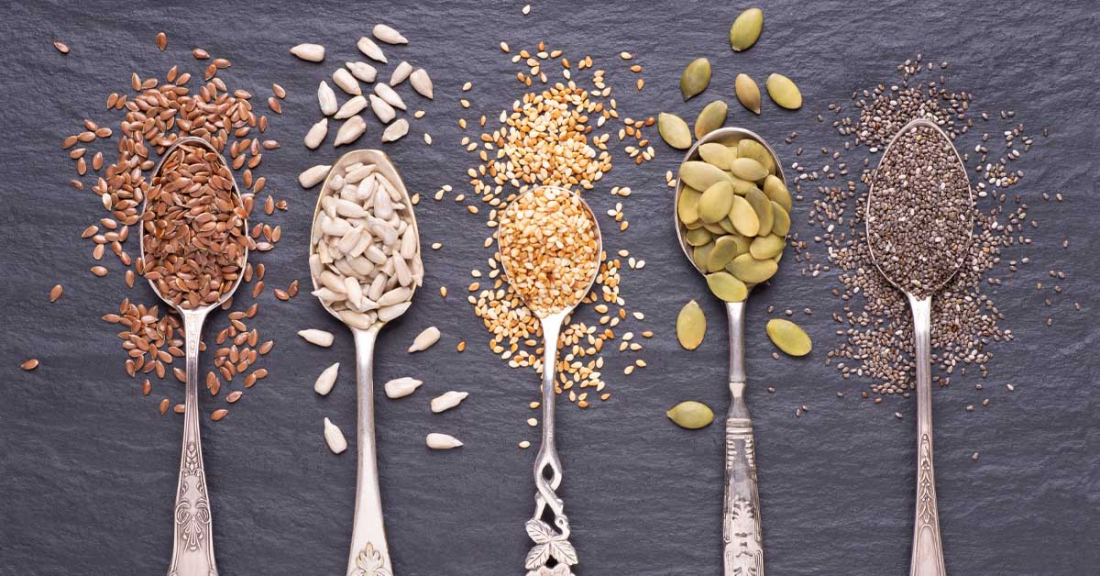
Nuts and seeds are high in vegetable protein, healthy fats and fibre. Nuts and seeds also provide tryptophan, an amino acid responsible for the production of serotonin, the feel-good hormone. Almonds, cashews, peanuts and walnuts, as well as pumpkin, sesame and sunflower seeds, are excellent sources of the tryptophan just mentioned, but also of omega-3 fatty acids, which also affect our mood. These foods also contain vitamin E, which has the ability to protect our brain health. Some nuts, such as Brazil nuts, almonds and pine nuts, are good sources of zinc and selenium. A deficiency of these minerals, which are important for brain function, has been linked to higher rates of depression and low mood.
Berry fruits
Berry fruits such as strawberries, blueberries and raspberries contain very high levels of vitamin C and a wide range of antioxidants and phenolic compounds that protect the brain from oxidative stress. Although the mechanism is not yet fully understood, a diet rich in antioxidants may help manage inflammation associated with depression and other mood disorders. Berries also provide other nutrients, such as copper or folate, which are important for cognition, mental well-being and mood. If you can't get berries fresh, at least try to buy frozen - this should be frozen so that the fruit retains the maximum amount of antioxidants.
Oatmeal and other whole grain products
Whole grain products and cereals like oats, quinoa, buckwheat, etc. contain significant amounts of fiber, minerals, and even plant protein. Because of their nutritional content (especially fiber), these foods promote gut health and proper function by "feeding" healthy probiotic microbes that play a role in regulating inflammation and hormone production. Fibre helps to slow down the digestion of carbohydrates, which allows for the gradual release of sugar into the bloodstream, and this helps to provide stability in energy levels. In addition, carbohydrate-containing foods contribute to the synthesis of serotonin, which we already know plays a very crucial role in influencing mood. Oatmeal is also an important source of iron, which is often deficient in some populations. Manifestations of iron deficiency include depression, fatigue, brain fog and low mood.
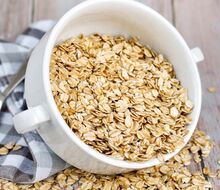
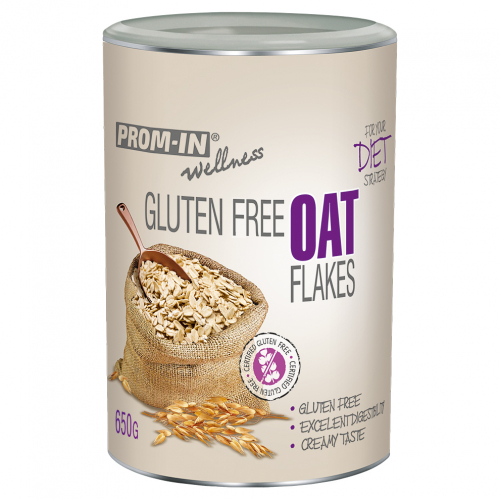
Prom-in Gluten-free oatmeal can be bought HERE!
Coffee and green tea
If you're one of those of us who can't imagine a day without a good cup (or is it several?) of coffee, then you'll be happy. Coffee is one of the world's most popular beverages, mainly due to its caffeine content, which provides energy and is known to increase motivation and concentration. Coffee contains a large amount of antioxidants and its consumption is also associated with a reduced risk of depression. In addition, according to research, coffee increases the release of mood-enhancing neurotransmitters (dopamine and norepinephrine). Of course, other caffeinated beverages such as green tea have a similar effect. In green tea, you'll find a neuroprotective compound called epigallocatechin-3-gallate(EGCG), which has been linked to benefits such as improved concentration and increased attention, as well as helping with stress relief and inducing calm.
Turmeric
The active ingredient in turmeric root, called curcumin, has anti-inflammatory properties and according to studies has the ability to promote mental health and can induce a good mood. Scientists believe that turmeric/curcumin may work by positively affecting serotonin and dopamine levels, protecting the brain and mitochondria from damage and increasing resistance to the negative effects of stress. And where does turmeric fit in? On meat, in sauces, curries or even on roasted vegetables!
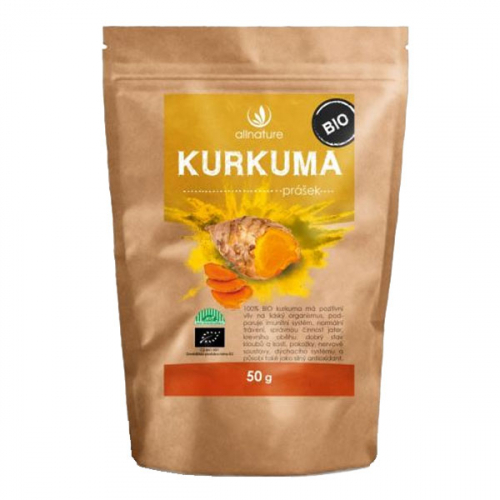
Buy turmeric powder ORGANIC HERE!
Leafy vegetables
Green vegetables such as kale, spinach, chard and others contain folate, which has been shown to provide protection against the development of depression. Green vegetables also contain high amounts of antioxidants and other nutrients that help calm the mind and body. An example of such a nutrient is magnesium, which can help with muscle relaxation and even aids digestion, which, as we have discussed several times today, also plays quite a vital role in influencing mood.
Recommended
What to take away from the article?
Adherence to healthy lifestyle principles such as a healthy diet, adequate nutrient intake, sufficient sleep, drinking and regular physical activity, and good mood go hand in hand. However, today we have verified that the link between our mood and nutrition does exist. We found that there is a decent list of foods that are rich in a variety of substances that have the ability to support our mental health and can improve our mood. Some of these foods include fatty fish, dark chocolate, nuts and seeds, fermented foods and coffee. Incorporating these foods into our diet can support our overall health and of course our mood, which is the perfect combination.
Sources:
Scholey, A., & Owen, L. (2013). Effects of chocolate on cognitive function and mood: a systematic review. Nutrition Reviews, 71(10), 665-681. https://doi.org/10.1111/nure.12065
Tuenter, E., Foubert, K., & Pieters, L. (2018). Mood Components in Cocoa and Chocolate: The Mood Pyramid. Planta medica, 84(12-13), 839-844. https://doi.org/10.1055/a-0588-5534
Bozzatello, P., Brignolo, E., De Grandi, E., & Bellino, S. (2016). Supplementation with Omega-3 Fatty Acids in Psychiatric Disorders: A Review of Literature Data. Journal of clinical medicine, 5(8), 67. https://doi.org/10.3390/jcm5080067
Giles, G. E., Mahoney, C. R., & Kanarek, R. B. (2013). Omega-3 fatty acids influence mood in healthy and depressed individuals. Nutrition Reviews, 71(11), 727-741. https://doi.org/10.1111/nure.12066
Chen, M. H., Su, T. P., Chen, Y. S., Hsu, J. W., Huang, K. L., Chang, W. H., Chen, T. J., & Bai, Y. M. (2013). Association between psychiatric disorders and iron deficiency anemia among children and adolescents: a nationwide population-based study. BMC Psychiatry, 13, 161. https://doi.org/10.1186/1471-244X-13-161
Angelino, D., Godos, J., Ghelfi, F., Tieri, M., Titta, L., Lafranconi, A., Marventano, S., Alonzo, E., Gambera, A., Sciacca, S., Buscemi, S., Ray, S., Galvano, F., Del Rio, D., & Grosso, G. (2019). Fruit and vegetable consumption and health outcomes: an umbrella review of observational studies. International journal of food sciences and nutrition, 70(6), 652-667. https://doi.org/10.1080/09637486.2019.1571021
Strasser, B., Gostner, J. M., & Fuchs, D. (2016). Mood, food, and cognition: the role of tryptophan and serotonin. Current opinion in clinical nutrition and metabolic care, 19(1), 55-61. https://doi.org/10.1097/MCO.0000000000000237
Haskell-Ramsay, C. F., Jackson, P. A., Forster, J. S., Dodd, F. L., Bowerbank, S. L., & Kennedy, D. O. (2018). The Acute Effects of Caffeinated Black Coffee on Cognition and Mood in Healthy Young and Older Adults.Nutrients, 10(10), 1386. https://doi.org/10.3390/nu10101386
Arab, L., Guo, R., & Elashoff, D. (2019). Lower Depression Scores among Walnut Consumers in NHANES. Nutrients, 11(2), 275. https://doi.org/10.3390/nu11020275
Scholey, A., Downey, L. A., Ciorciari, J., Pipingas, A., Nolidin, K., Finn, M., Wines, M., Catchlove, S., Terrens, A., Barlow, E., Gordon, L., & Stough, C. (2012). Acute neurocognitive effects of epigallocatechin gallate (EGCG). Appetite, 58(2), 767-770. https://doi.org/10.1016/j.appet.2011.11.016
Yano, J. M., Yu, K., Donaldson, G. P., Shastri, G. G., Ann, P., Ma, L., Nagler, C. R., Ismagilov, R. F., Mazmanian, S. K., & Hsiao, E. Y. (2015). Indigenous bacteria from the gut microbiota regulate host serotonin biosynthesis. Cell, 161(2), 264-276. https://doi.org/10.1016/j.cell.2015.02.047
O'Mahony, S. M., Clarke, G., Borre, Y. E., Dinan, T. G., & Cryan, J. F. (2015). Serotonin, tryptophan metabolism and the brain-gut-microbiome axis. Behavioural brain research, 277, 32-48. https://doi.org/10.1016/j.bbr.2014.07.027
Clayton P. T. (2006). B6-responsive disorders: a model of vitamin dependence. Journal of inherited metabolic disease, 29(2-3), 317-326. https://doi.org/10.1007/s10545-005-0243-2
No posts have been made yet.








