A guide to vitamins and minerals for beginners and advanced
 Author:
 Vitamins and minerals are essential substances necessary for the proper functioning of the human body. These micronutrients play a key role in many biochemical processes and a deficiency or excess of them can lead to serious health problems. Most of these substances must be obtained from outside, especially through a varied diet.
Article content:
- Vitamins and their functions
- Vitamin deficiency and vitamin overdose
- Minerals and their functions
- Supplementation of vitamins and minerals
- Vitamins and immunity
- Summary of important points
Vitamins and their functions
Division and overview of vitamins
Vitamins are divided into two basic groups: fat-soluble (A, D, E, K) and water-soluble(B vitamins and vitamin C). It is important to know what each vitamin and mineral contains in order to ensure adequate intake of these nutrients in food."
| Vitamin | Functions | Sources | Deficiency |
| A | Eye health, immune system, reproduction | Liver, carrots, sweet potatoes, spinach, broccoli | night blindness, impaired immunity |
| B1-B12 | Energy metabolism, nervous system | Whole grain cereals, meat, eggs, dairy products, leafy vegetables | fatigue, anaemia, nervous disorders |
| C | Antioxidant, immunity, collagen formation | Citrus fruits, strawberries, peppers, broccoli, kiwi | Scurvy |
| D | Calcium and phosphorus regulation, bone health | fish oil, egg yolk, fortified milk | Osteoporosis, osteomalacia |
| E | Antioxidant, protection of cell membranes | Nuts, seeds, vegetable oils, green leafy vegetables | Neurological problems, weakness |
| K | Blood clotting, bone health | cabbage, spinach, broccoli, green leafy vegetables | Increased bleeding, bone problems |
Vitamin C
Vitamin C is found in citrus fruits, strawberries, peppers, broccoli and kiwi. It works as an antioxidant, supports the immune system and collagen production. Vitamin C deficiency leads to scurvy, which is manifested by fatigue, gingivitis and bleeding.

.png)
Vitamin A
Vitamin A is found in liver, carrots, sweet potatoes, spinach and broccoli. It supports eye health, immune system and reproductive health. A deficiency can lead to night blindness and a compromised immune system.
B vitamins
B vitamins are found in whole grains, meat, eggs, dairy products and leafy greens. Each B vitamin (B1, B2, B3, B5, B6, B7, B9, B12) has specific functions, but in general they help convert food into energy and support the nervous system. A deficiency of these vitamins can cause fatigue, anemia, and nervous disorders.
Vitamin E
Vitamin E is found in nuts, seeds, vegetable oils and green leafy vegetables. It acts as an antioxidant and protects cell membranes. Vitamin E deficiency can cause neurological problems and muscle weakness.
Vitamin K
Vitamin K is found in cabbage, spinach, broccoli and green leafy vegetables. It is essential for blood clotting and bone health. Its deficiency causes increased bleeding and bone problems. Vitamin K2 and its health benefits have only come to light in the last few years.
Vitamin D
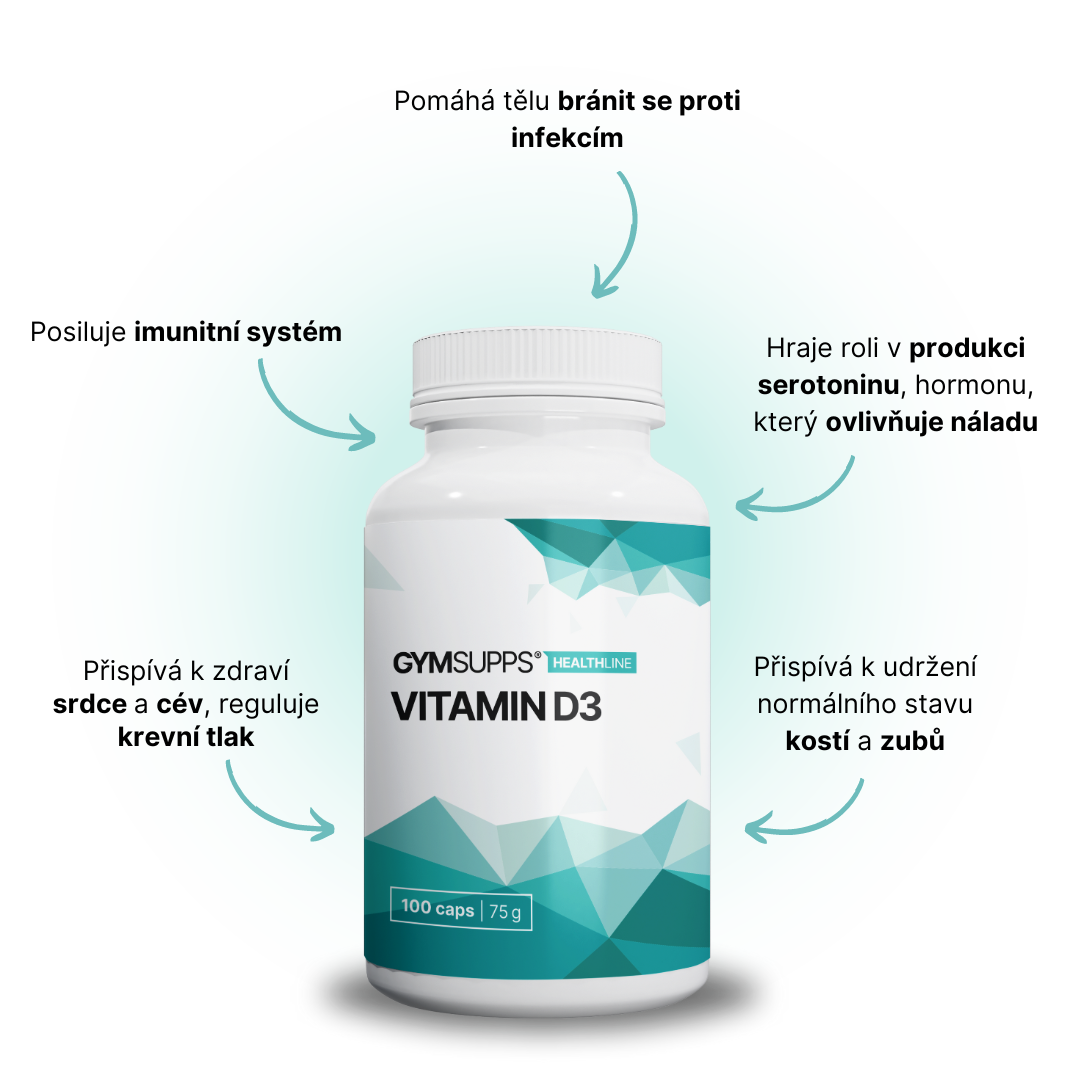
Vitamin D is found in fish oil, egg yolk and fortified milk. It regulates calcium and phosphorus levels in the body and is important for bone health. Deficiency can lead to osteoporosis, osteomalacia and rickets. Read more about this vitamin in this article!
.png)
Vitamin deficiency and vitamin overdose
Avitaminosis, hypovitaminosis and hypervitaminosis
Avitaminosis is the complete absence of a particular vitamin, causing serious health problems. Hypovitaminosis is an inadequate intake of vitamins that leads to milder but still significant health problems. Hypervitaminosis is an excess intake of vitamins that can lead to toxicity and health problems. Detailed information can be found at celostnimedicina.cz.
Recommended

GymSupps Vitamin D3

GymSupps Vitamin C
Minerals and their functions
Division and overview of minerals
Minerals are divided into macrominerals (calcium, phosphorus, magnesium, sodium, potassium, chlorine, sulphur) and microminerals(iron, manganese, copper, iodine, zinc, fluorine, selenium).
Iron
Iron is found in red meat, beans, lentils and spinach. It is important for oxygen transport in the blood. Iron deficiency leads to anemia, fatigue and weakened immunity.
Calcium
Calcium is found in dairy products, broccoli, cabbage and sardines. It is essential for bone and tooth building, muscle contraction and blood clotting. Calcium deficiency leads to osteoporosis and muscle cramps.
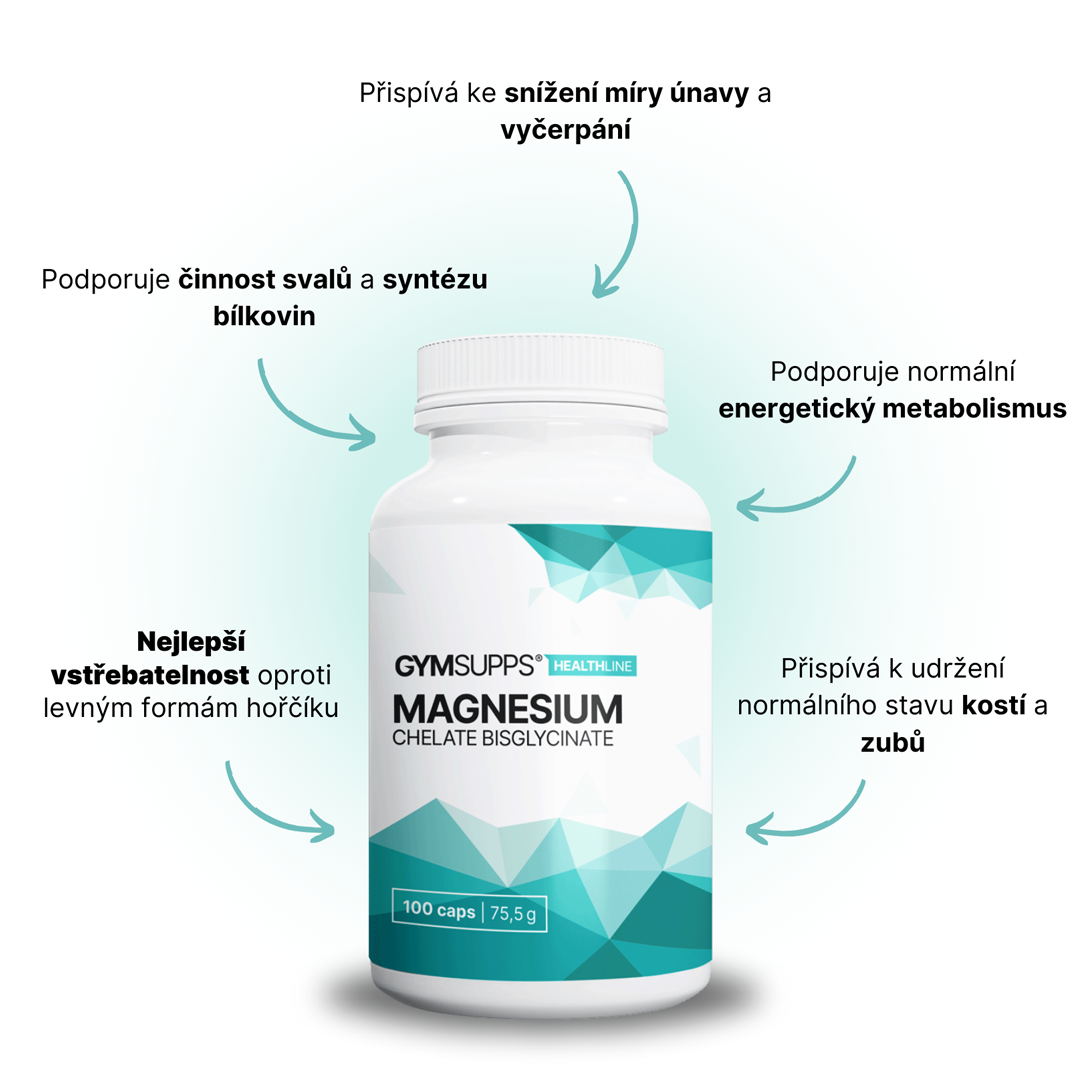
Magnesium
Magnesium is found in nuts, seeds, leafy vegetables and fish. It supports muscle and nerve function and regulates blood pressure. Magnesium deficiency can cause muscle cramps, fatigue and high blood pressure.
Mineral deficiency and mineral overdose
Mineral deficiencies can lead to a variety of health problems, depending on the specific mineral. For example, calcium deficiency leads to osteoporosis, iron deficiency to anemia. Excess minerals can be toxic and cause serious health problems.
Recommended


Supplementation of vitamins and minerals
Absorption from supplements vs. diet
The absorption of vitamins and minerals from the diet is usually better than from supplements. The diet also contains other substances that promote the absorption of these nutrients.
Effect of heat treatment of food
Cooking can reduce the content of some vitamins, especially vitamin C and some B vitamins.
When to supplement
Supplementation may be necessary when dietary intake is inadequate, for example with a vegan diet(vitamin B12) or during the winter months (vitamin D).
How to detect a deficiency
Finding out if you have enough vitamins and minerals can be done through blood tests and a consultation with your doctor or dietitian.
Pregnancy
During pregnancy, it is important to monitor your diet for vitamin and mineral deficiencies to avoid inadequate intake, which can lead to serious health complications, and to ensure that you do not overdose on these substances from taking too many supplements.
Vitamins and immunity
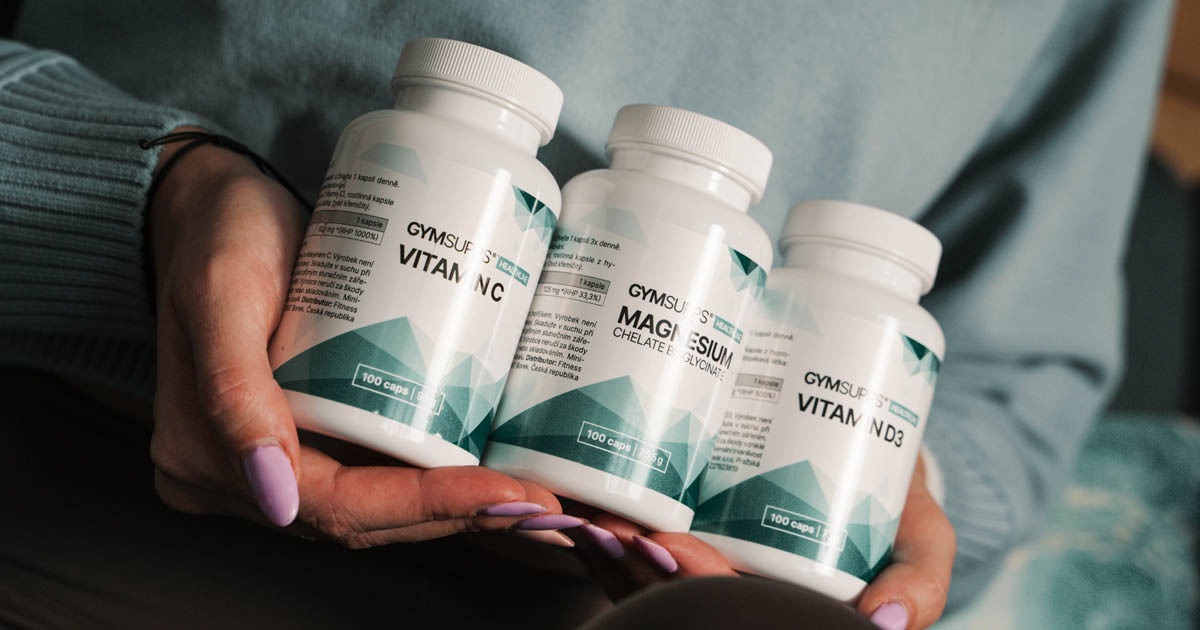
Vitamins and minerals play a key role in the functioning of the immune system. Vitamin C, D and zinc are particularly important for supporting immunity. Adequate intake of these substances can help prevent infections and improve the body's overall immune response.
Summary of important points:
Vitamins and minerals are essential for health:
- They are essential for the proper functioning of the body.
- Most of them must be obtained from outside, especially through a varied diet.
Division and function of vitamins:
- Vitamins are divided into fat-soluble (A, D, E, K) and water-soluble (group B, C).
- Each vitamin has specific functions, such as supporting vision (A), energy metabolism (B), antioxidant (C), bone health (D), cell protection (E), and blood clotting (K).
Vitamin deficiency and overdose:
- Avitaminosis (complete deficiency), hypovitaminosis (partial deficiency), and hypervitaminosis (excess) can cause serious health problems.
- Accurate diagnosis and proper treatment are essential to maintain vitamin balance.
Division and function of minerals:
- Minerals are divided into macrominerals (calcium, magnesium) and microminerals (iron).
- They are essential for bone building, muscle and nerve function, oxygen transport and other processes.
Deficiency and overdose of minerals:
- Mineral deficiencies can cause problems such as osteoporosis (calcium) or anemia (iron).
- Excess can lead to toxicity and serious health problems.
Vitamin and mineral supplementation:
- Supplementation is appropriate when there is a deficiency in the diet or when there is an increased need.
- Absorption is better from the diet than from supplements.
- Cooking may reduce the content of some vitamins.
Vitamins and immunity:
- Vitamins (especially C, D) and minerals (zinc) play a key role in supporting the immune system.
Maintaining a varied diet rich in vitamins and minerals is key to maintaining health and preventing deficiencies. If you suspect a deficiency or excess of any of these important elements, do not hesitate to consult a specialist.
Recommended
GymSupps Vitamin D3
GymSupps Vitamin C
No posts have been made yet.