What dietary supplements help against cramps?
 Author:
 Cramps, also known as uncontrolled muscle contractions, are very uncomfortable and painful conditions that can affect people of different ages and lifestyles. These painful conditions can be very disruptive and make everyday life unpleasant. For better understanding and effective prevention, it is important to know the causes and ways to prevent them.
Article content:
Causes of convulsions
Cramps can have many different causes. One of the main causes is a deficiency of certain important minerals in the body. Minerals such as magnesium, potassium and calcium play a key role in muscle function and a deficiency of these can lead to muscle cramps. Another common cause is dehydration, which can upset the body's electrolyte balance and lead to uncontrolled muscle contractions. Excessive physical exertion is also a significant factor that can cause cramps. During intense physical activity, muscles become strained and can easily fatigue, which can lead to cramps. In addition, various medical conditions such as thyroid disease, diabetes or circulatory problems can contribute to more frequent and intense cramps.

Prevention and treatment of cramps
Proper nutrition is the cornerstone of preventing and treating cramps. Dietary supplements can be very helpful in replenishing missing minerals and vitamins that are crucial for proper muscle function. In the following sections, we will look at different dietary supplements that can help relieve or prevent cramps.

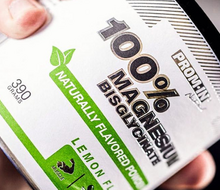
1. Magnesium
Magnesium is an essential mineral that plays an important role in muscle function and the transmission of nerve impulses. Its deficiency can lead to muscle cramps and spasticity.
- Magnesium is available in variousforms, including magnesium tablets, capsules, powders and oils.
- Recommended Dosage: Adults should consume 310-420 mg of magnesium per day, depending on age and gender.
- Food sources: Foods rich in magnesium include spinach, nuts, seeds, whole grains and dark chocolate.
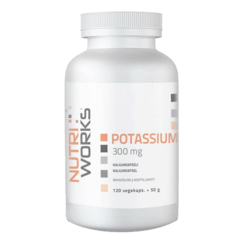
2. Potassium
Potassium is another key mineral that is essential for proper muscle function. It helps to regulate fluid and electrolyte balance in the body, which is key to preventing cramps.
- Potassium can be taken in tablet form or as part of a multivitamin supplement.
- Recommended dosage: The daily recommended intake of potassium is around 4700 mg.
- Food sources: Bananas, potatoes, orange juice, and leafy vegetables are rich in potassium.
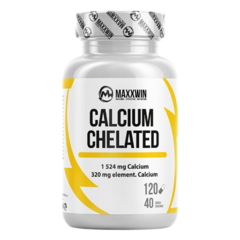
3. Calcium
Calcium is essential for proper muscle contraction. Calcium deficiency can lead to muscle cramps, especially in the elderly and postmenopausal women.
- Calcium is available as tablets, capsules and liquid supplements.
- Recommended dosage.
- Food sources: Dairy products, green leafy vegetables, tofu and fortified foods are good sources of calcium.

4. Vitamin D
Vitamin D is crucial for calcium absorption in the body. Without enough vitamin D, calcium intake can be insufficient, which can lead to muscle cramps.
- Vitamin D is availablein tablets, capsules and drops.
- Recommended Dosage: The recommended daily dose is 600-800 IU (15-20 mcg) for adults, higher doses may be recommended for older adults.
- Food sources: Oily fish, fortified milk and cereals, and exposure to sunlight help increase vitamin D levels.
5. Vitamin B complexes can increase vitamin D levels, and vitamin D supplementation can increase vitamin D levels in the body.
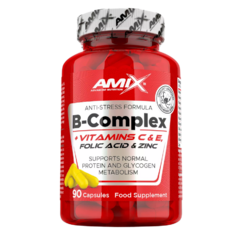
B vitamins, especially B1 (thiamine), B6 (pyridoxine) and B12 (cobalamin), are important for nerve function and may help prevent muscle cramps.
- Supplement forms: B-complex vitamins are available in tablet and capsule form.
- Recommended dosage: Dosages vary by specific B vitamins, but multivitamin supplements often contain recommended daily dosages.
- Food sources: Meat, whole grains, legumes and dairy products are rich in B vitamins.
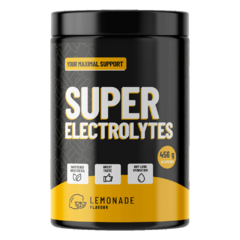
6. Electrolyte drinks
For athletes and people with high physical activity, electrolyte drinks can be helpful in maintaining proper electrolyte levels in the body.
- Forms of supplements: electrolyte drinks and powders.
- Recommended dosage.
- Food sources: Coconut water, sports drinks and some fruit juices.

Conclusion
Muscle cramps can be caused by a variety of factors, including deficiencies of key minerals and vitamins. Dietary supplements such as magnesium, potassium, calcium, vitamin D, B-complex vitamins and electrolyte drinks can play a significant role in the prevention and treatment of cramps. It is important to consult a doctor about taking dietary supplements, especially if you have chronic health problems or are taking medications that may interact with dietary supplements.
No posts have been made yet.