





Is replacement therapy a good idea for women? What are the negatives?
 Author:
 As we age, the amount of testosterone in our body decreases. And over the last few years, a process called replacement therapy has somehow managed to detabulize - that is, sort of replacing the insufficient production of our own testosterone with artificial hormones. But did you know that something very similar works in women as well? In today's article, we'll try to give you as much detail as possible on the subject of replacement therapy in women
What is replacement therapy and when is it used?
For the sake of comprehensiveness, we should start from the very basics and explain some terms. And the most important one is undoubtedly estrogen, which is the name for a group of steroids that ensure the function of the reproductive system in women. Just as testosterone levels change in men, estrogen levels change in women. Their levels begin to rise sometime during puberty, but then gradually begin to fall again after menopause. So it is not uncommon for women who are deficient in their estrogen to reach for so-called replacement therapy. This is most often used in the post-menopausal period, when the aim is to bring the plasma estrogen hormone deficit as close as possible to the level a woman achieves in the fertile period.
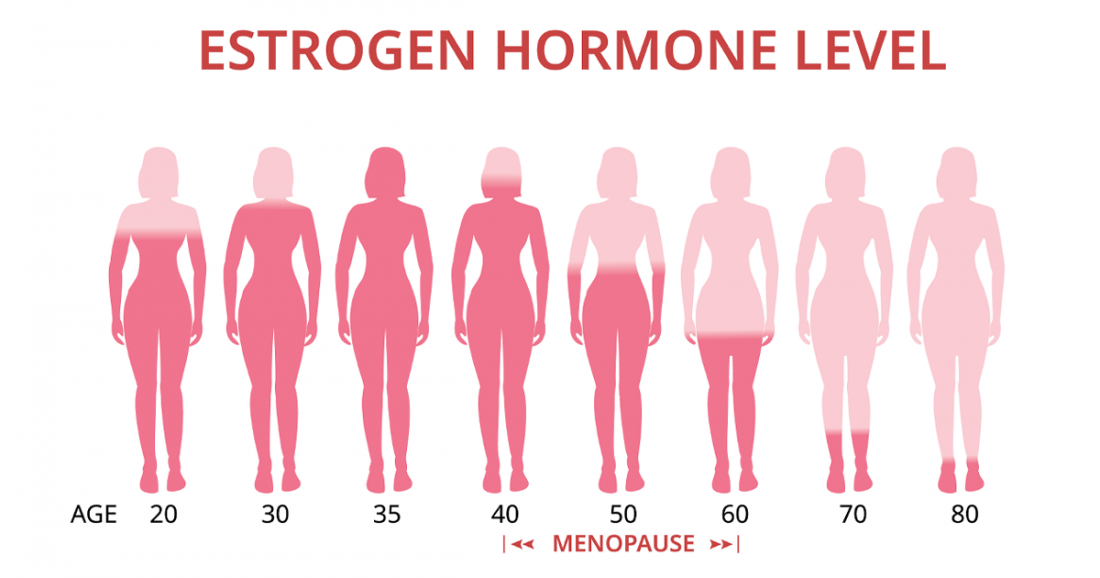
Estrogen levels change significantly as women age.

What hormones are used for replacement therapy?
While hormone replacement therapy for men is often described as simply using the recommended amount of testosterone at given intervals, for women the process is much more complex and often involves the use of several preparations at once. In particular, we can distinguish the following groups:
- estrogens, and of the estrogens, the so-called natural ones are mainly used - i.e. mainly estradiol, estrone and estriol. Available medical publications state that the estradiol/estrone ratio should be the same as in the fertile period (i.e. >1).
- progestins, which are mostly synthetic (because natural progesterone has a lower biological value than, for example, micronized progesterone). This group includes a number of other substances, some of which, for example, have strong androgenic effects and are therefore not the most suitable for various cardiovascular diseases, for example.
- Androgens are the third group used, although they are rather rarely used, especially in cases where estrogen produces certain side effects. The disadvantage of using androgens (in particular, testosterone enanthate and others are used)

Of course, there are many other groups of substances that can be used in replacement therapy, and their use should always be based on the specific needs of women and, of course, depends on the assessment of the treating physician. Sometimes one reaches for so-called SERMs (selective estrogen receptor modulators), sometimes for dehydroepiandrosterone (DHEA) and other substances. This should clearly illustrate that although testosterone replacement therapy is sometimes embarked upon by men without any medical supervision, women should not embark on replacement therapy without a thorough examination and weighing all the pros and cons.

In women's replacement therapy, even androgens more typical for men are used under very specific conditions.
Is there a downside to female replacement therapy?
Female hormone replacement therapy has a rather extensive number of side effects and adverse reactions, which, according to expert information, cause some patients to decide to discontinue treatment. Side effects of estrogen usually include increased water retention, vomiting sensations, bloating, migraines, pain and cramps in various parts of the body. The negatives of progestins then include fatigue, anxiety, aggressiveness, acne, increased appetite as well as depression.
Are there any positives to replacement therapy in women?
Of course, there are irrefutable positives to female replacement therapy. The success rate of this type of treatment for acute menopausal syndrome exceeds 90%. It is also used for urogenital atrophy, for example, but local treatment is usually used there. Last but not least, the administration of oestrogen can be an effective prevention of postmenopausal osteoporosis.

What precedes replacement therapy?
Replacement therapy is an extremely complex matter, and if you come to your doctor, a lot of testing and analysis of the risks and potential benefits based on your individual needs should precede the eventual use of hormones. Obviously, gynaecological, ultrasound and mammography examinations, weight and blood pressure should be taken. If you belong to one of the risk groups, then even more examinations are needed. At the same time, there are quite a few restrictions. For example, substitution therapy must not be sought if a woman is suspected of having breast cancer, untreated hypertension, estrogen-dependent tumours and other complications.
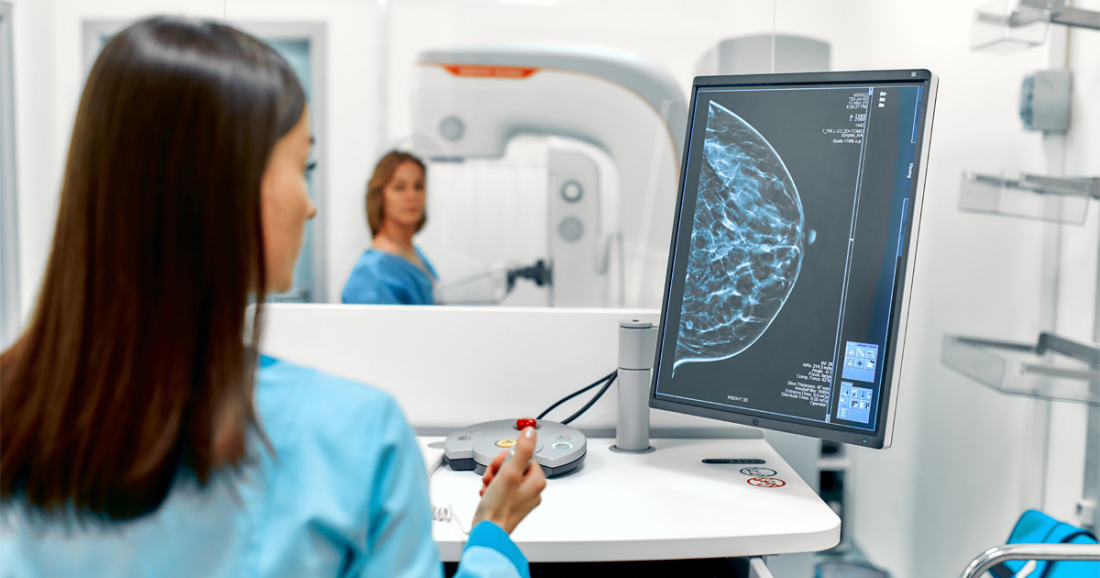
Substitution therapy for women should, of course, be preceded by a series of examinations, including mammography.
What to take away from today's article?
The main thing you should take away from today's article is that while men often kind of reach for testosterone replacement therapy on their own, we definitely don't recommend it for women. Their replacement therapy is an extremely extensive and complicated matter, which in all cases should be preceded by a medical examination and subsequent recommendation of specific preparations and specific amounts that are appropriate for you to take.
Recommended


No posts have been made yet.








