





How to get rid of cellulite?
 Author:
 Cellulite is an aesthetic problem that affects a large part of the population - especially the female part. Although it is not life-threatening in itself, it often causes depression, makes women ashamed of it, limits their normal functioning, and therefore they spend thousands on products promising miracles, follow extreme diets, or undergo ineffective cosmetic procedures. Today, let's talk about how cellulite actually arises, what aggravates its symptoms and give some tips on how we can fight it.
Article content:
- Theoretical window - what is cellulite?
- The most common causes of cellulite
- How to fight cellulite?
- The diet again
- Regular exercise
Theoretical window - what is cellulite?
Cellulite is a local metabolic disorder of the subcutaneous tissue caused mainly by lymphatic changes. It is the result of a disturbance of blood and lymphatic microcirculation in the tissue. Cellulitis is usually a mere cosmetic nuisance. It develops predominantly on the legs (especially the thighs), buttocks, abdomen and back of the arms. It is technically known as gynoid lipodystrophy and is manifested by the appearance of unsightly dimples, bumps and wrinkles on the skin. Some also call it 'orange skin' because it resembles the skin of a citrus fruit. Cellulite is caused when globules of fat form under the skin and press against the connective tissue, creating a wrinkled surface. In addition, the areas affected by cellulite also experience a change in vascular supply and more fluid builds up in the tissues, other factors that contribute to uneven skin.
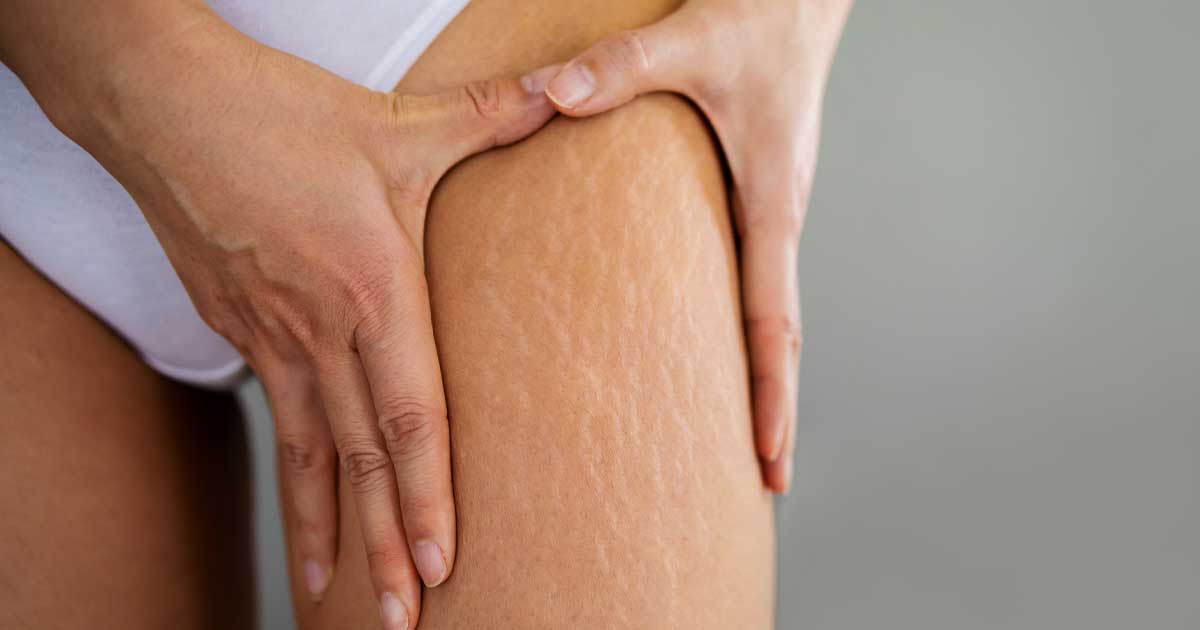
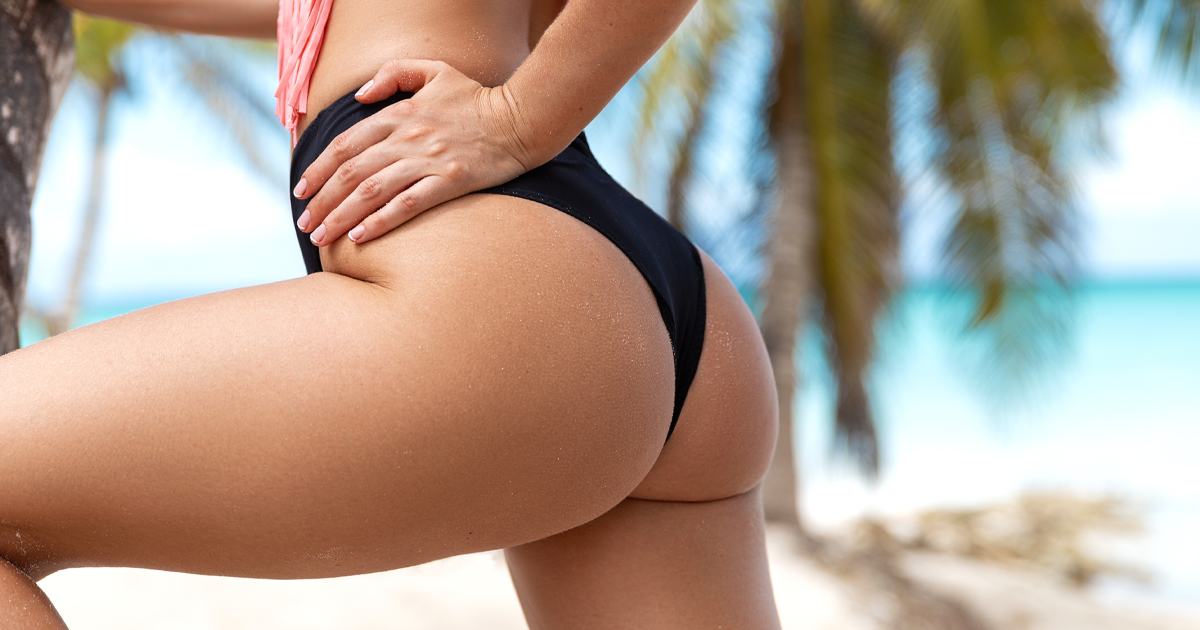
Cellulite occurs in both sexes, but women are significantly more likely to suffer from it due to the difference in the arrangement of the subcutaneous cells. Studies report that cellulite affects up to 9 out of 10 women. We'll discuss the causes of cellulite in more detail in a moment, but the most important contributing factors include lack of exercise (sedentary lifestyle), hormonal changes and - you guessed it - inappropriate diet composition. Cellulite can develop at any age, but in general, its manifestations increase with increasing age due to increased fat deposition and loss of collagen, which ensures skin elasticity. As mentioned in the introduction, cellulite is not life-threatening, but it can be distressing, especially psychologically. Women often see it as a major beauty defect, are ashamed of it and often avoid, for example, revealing their skin in swimwear, spend thousands on products promising miracles or even undergo health-threatening procedures because of it.
But the truth is that we are often overly critical of ourselves. Cellulite affects almost all of us to some extent and quite frankly there is no need to make a drama out of it. Some women fight it quite successfully, for others it is a very strong opponent, which is also due to genetics and the skin type itself. That said, even very thin women can suffer from cellulite, so weight is definitely not a key factor, although it does of course play a part. Let's take a look at the most common causes and straight away we'll talk about what we can do every day to reduce its manifestations or eliminate its development as much as possible.
The most common causes of cellulite
The development of cellulite has been the subject of research for quite some time now, and it is a fact that it is impossible to pinpoint one single cause behind orange skin. It is therefore believed that the development is usually caused by a combination of several different factors. The first of these is undoubtedly gender. As already mentioned, the female body is naturally much more predisposed to cellulite. One reason for this is the difference in the arrangement of connective tissue and fat cells in the subcutaneous tissue. Male collagen connective tissue is X-shaped, which we can think of as a net, and when fat cells form underneath, the skin remains smooth on the surface. In contrast, the female body has collagen in parallel rows perpendicular to the skin surface. This makes it easier for the fat cells to settle and clump together between them, and gradually they become redundant and are pushed to the surface of the skin. In addition, the flow of lymph and blood is reduced in these areas, thus creating unevenness in the skin. In addition, women generally have significantly more fat cells than men. The characteristics of the fat cell arrangement and their quantity go a long way to explaining why cellulite is a problem predominantly in the female population and is rather rare in men. It may not be entirely fair, but nature has simply arranged it that way.
Hormones also play an important role. The visibility of cellulite is conditioned by changes in the size and structure of fat cells, and it is therefore thought that hormones that affect the breakdown and storage of fat (such as insulin) may also play a role in the development of cellulite. And since virtually only women suffer from cellulite, scientists believe that estrogen, as a female sex hormone, also has some influence on its development. Stress or hormonal changes that occur during pregnancy, menopause or puberty also play a major role.
Of course, lifestyle is also an important factor. In fact, cellulite can also occur as a result of inappropriate eating habits and lack of exercise. A diet that contains too much salt, trans-fat, fasfood, fried foods and sweets generally leads to weight gain or a higher percentage of fat in the body, which potentially increases the risk of worsening cellulite symptoms.In general, individuals who follow a healthy diet and engage in regular physical activity have less cellulite.
How to fight cellulite?
Finally, we come to the main point - is there any way to fight cellulite? Of course it can, it will just require at least a little effort. That said, there are a number of factors that can cause this cosmetic mischief. Unfortunately, some of them we can't control (like gender, race, genetics, or skin type), but we do have our lifestyle firmly in our hands. Below you will find some tips on how to overcome this cosmetic problem.
It's that diet again
Although it may sound like a complete cliché, diet is a really important factor in the fight against cellulite. Aside from being central to maintaining a healthy weight, it is also a source of nutrients that, among other things, our skin uses to keep it healthy and vital. The diet should be based on food in its most natural form. It should contain plenty of fruit and vegetables as sources of fibre, vitamins and minerals, easily digestible protein in the form of meat, eggs, dairy products and fish, complex carbohydrates such as those found in rice, oatmeal or other whole grain supplements and, last but not least, plenty of healthy fats such as avocados, nuts or oily fish.

Conversely, we should limit our intake of industrially processed foods, semi-processed foods, fast foods, sugars and concentrated sources of salt, as eating such foods is not beneficial to our health in any way and can exacerbate the symptoms of cellulite. What we must not forget is to drink enough to keep our skin hydrated and therefore more elastic. Moreover, water helps to detoxify and cleanse our bodies, which is also very important for improving the appearance of cellulite. The ideal source is pure water, possibly flavoured with fruit pieces, herbs or ginger, as well as unsweetened teas and mineral water. Beware of consuming juices, sweetened sodas and excessive caffeine intake. Of course, limit alcohol intake.
Regular exercise
Not only diet, but also regular physical activity is a great way to fight the symptoms of cellulite or prevent it altogether. A combination of strength and cardio exercise or HIIT is ideal for fighting cellulite. Exercise improves blood circulation, stimulates the lymphatic system, burns fat and strengthens the body, which are very important points in the fight against cellulite and its prevention and can bring significant results. Among the strength exercises, squats, various variations of lunges, box jumps or hip thrusts are great for strengthening the legs and buttocks. As a complement to strength training, choose running, cycling, rollerblading, or try the magic of HIIT interval training, which is a very effective way to burn fat.
Try the magic of massage, contrast shower or massage rollers
In addition to following a healthy lifestyle, you can also try some of the manipulative techniques such as classical or lymphatic massage. These techniques can help you get rid of excess fluid in the tissues and ensure better blood circulation, which can lead to a reduction in the appearance of cellulite. Contrast showers also work on a similar principle. By alternating between hot and cold water, better blood circulation can occur and the symptoms of orange skin can improve. Various massage rollers can also help to improve blood circulation. However, these techniques should be considered more as a supplement for a healthy lifestyle and should be applied regularly for a visible effect.
Moisturise your skin not only internally but also externally
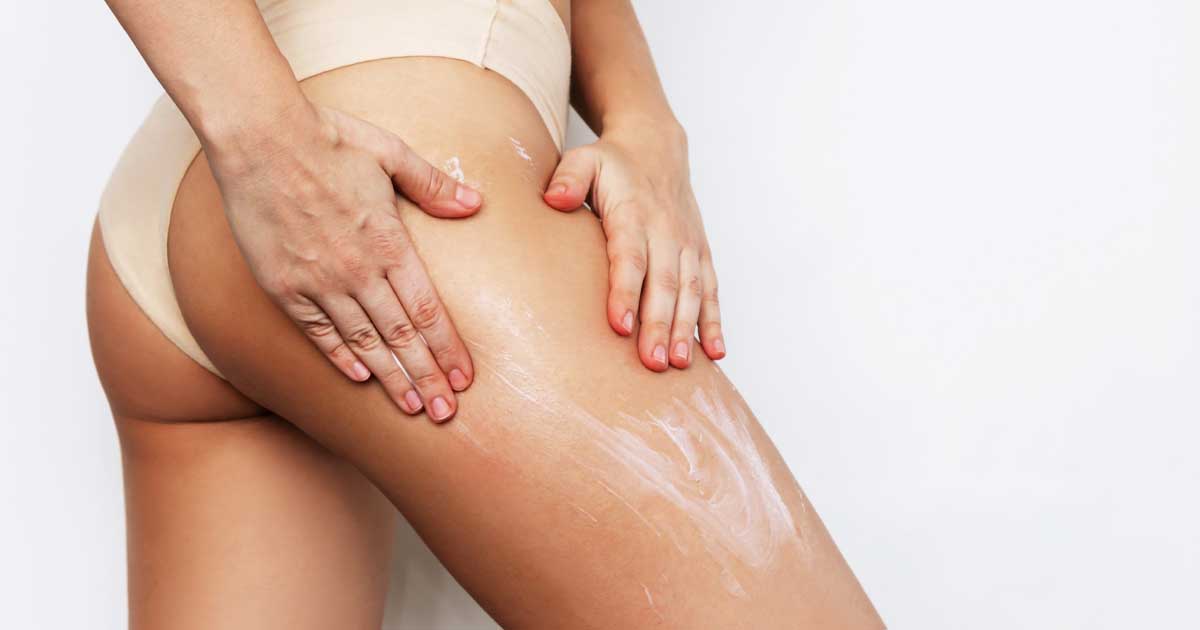
If you read the opening lines really carefully, you know that cellulite is caused by changes in the arrangement of cells. This alone makes it logical that creams or ointments, even if they are expensive and promise the best results, cannot simply return the cells to their original position. It would be nice, but it really doesn't work that way. The truth is that the effect of various cosmetic preparations against cellulite is not great, but one thing cannot be denied - they moisturise the skin externally. However, a simple moisturiser or a cream with a slightly warming ingredient is sufficient to improve blood circulation. Massage it on the cellulite affected areas every morning and evening. Orange peel alone won't get rid of it, but it will help soften and smooth the skin and promote its vitality and elasticity, making it look healthier.
Laser, shockwave or liposuction?
In addition to the "natural" ways of fighting cellulite, you can of course also try one of the techniques such as laser, shock wave or liposuction. However, it should be noted that laser or shock waves have not yet been proven to be particularly effective, so it is questionable whether such procedures are worth undergoing at all. Neither is liposuction a panacea, it costs a lot of money, it may not be successful, and moreover - unless you are willing to adjust your lifestyle, it is only a matter of time before cellulite reappears. So, we recommend that you rather accept the fact that cellulite belongs to a woman's body and if you want to fight it, choose the natural way instead - it is more challenging, but besides saving a lot of money, pain and maybe even disappointment, you will also do something for your overall health, and it is really worth it. If cellulite is bothering you in some more severe form, then consult a professional who can help you with the problem and recommend a suitable solution.
What can I take away from this article?
Cellulite affects 9 out of 10 women. This minor beauty blemish is not life-threatening, but it can still be quite distressing, especially psychologically. Women are often ashamed of it, find it disgusting, and it is no exception that it causes women to avoid showing skin in swimsuits or skirts. Fortunately, there are a number of ways to combat it. The key is to follow the principles of a healthy lifestyle, led by a well-adjusted diet, regular exercise, plenty of sleep and an optimal drinking regime. Classical or lymphatic massages or contrast showers can also help. But don't rely on miracle creams and ointments. Even expensive cosmetic interventions are not a 100% guarantee of a successful fight against this minor ailment. Rather, choose methods that are more demanding, but save a lot of money and also do something for your overall health, and that is definitely worth it.
Recommended

Big Zone Heart+
Sources:
Sadick N. (2018). Treatment for cellulite. International journal of women's dermatology, 5(1), 68-72. https://doi.org/10.1016/j.ijwd.2018.09.002. Friedmann, D. P., Vick, G. L., & Mishra, V. (2017). Cellulite: a review with a focus on subcision. Clinical, cosmetic and investigative dermatology, 10, 17-23. https://doi.org/10.2147/CCID.S95830. Wanner, M., & Avram, M. (2008). An evidence-based assessment of treatments for cellulite. Journal of drugs in dermatology : JDD, 7(4), 341-345. Kaufman-Janette, J., Joseph, J. H., Kaminer, M. S., Clark, J., Fabi, S. G., Gold, M. H., Goldman, M. P., Katz, B. E., Peddy, K., Schlessinger, J., Young, V. L., Davis, M., Hurley, D., Liu, G., McLane, M. P., Vijayan, S., & Bass, L. S. (2021). Collagenase Clostridium Histolyticum-aaes for the Treatment of Cellulite in Women: Results From Two Phase 3 Randomized, Placebo-Controlled Trials. Dermatologic surgery : official publication for American Society for Dermatologic Surgery [et al.], 47(5), 649-656. https://doi.org/10.1097/DSS.0000000000002952. Boutcher S. H. (2011). High-intensity intermittent exercise and fat loss. Journal of obesity, 2011, 868305. https://doi.org/10.1155/2011/868305. Khan, M. H., Victor, F., Rao, B., & Sadick, N. S. (2010). Treatment of cellulite: Part I. Pathophysiology. Journal of the American Academy of Dermatology, 62(3), 361-372. https://doi.org/10.1016/j.jaad.2009.10.042. Uebel, C. O., Piccinini, P. S., Martinelli, A., Aguiar, D. F., & Ramos, R. F. M. (2018). Cellulite: A Surgical Treatment Approach. aesthetic surgery journal, 38(10), 1099-1114. https://doi.org/10.1093/asj/sjy028
No posts have been made yet.








