





How to cope with hormonal fluctuations in menopause
 Author:
 Hormones are at first sight inconspicuous substances, but they play an absolutely crucial role in all biological processes in our body. Thus, to a large extent, they influence whether we feel great or, on the contrary, have depression and many health complications. And no other period in a woman's life is so much linked to hormones as menopause. How to cope with the unpleasant manifestations of hormonal imbalance? And what are the symptoms anyway? That's what we'll look at in this article.
Article content:
- What is menopause?
- What are the symptoms of perimenopause?
- What are the symptoms of menopause?
- Do dietary supplements make sense?
What is menopause?
Before we get into the more complex questions, it's worth defining what menopause actually is. It is a natural process marking the end of the menstrual cycle in women. Simply put, this is when the ovaries stop releasing more eggs and, logically, fertility comes to an end. Although the range in which menopause occurs is quite wide, most women experience it between the ages of 45 and 55. It is also important to know that menopause (the actual cessation of menstruation) is preceded by what is known as perimenopause, which is also sometimes called transition. And it is during this period that a range of symptoms occur, from uneven production of estrogen and progesterone, to hot flashes, to poor sleep quality.

What are the symptoms of perimenopause?
When you say menopause, most women naturally think of the aforementioned hot flashes or perhaps excessive sweating and weight gain. Many of the symptoms are related to hormonal imbalances. Although many women think so, it is not true that hormone levels are only falling - instead, the production of estrogen and progesterone is very fluctuating in perimenopause. However, it is true that after menopause, the levels of these substances are significantly lower than before. So what are the symptoms that can be associated with menopause?
Hot flashes
Let's start with one of the most common symptoms. According to expert sources, these hot flashes usually last from 30 seconds to 10 minutes and can sometimes be so strong that they wake you up from sleep. For some women, they affect only the upper half of the body, while others feel hot flashes everywhere, and often sweating can occur at the same time.
Sleep problems
During perimenopause, it is also quite common to experience sleep problems, which can include both frequent night wakings and problems falling asleep. It is therefore essential to have good sleep hygiene, to keep the room air fresh and at an optimal temperature and, of course, to avoid blue light, which we have discussed in a separate article.
Headaches
One of the many manifestations of declining hormone levels can be more frequent headaches, which typically occur to a greater extent in women who have had problems with migraines even before perimenopause. However, they can affect any woman and, unfortunately, can last for several hours.
Reduced libido
The decrease in estrogen is logically associated with a lower appetite for sex, which is not uncommon during perimenopause. Along with this are a number of other symptoms, which can be largely individual and include, for example, vaginal dryness, pain during intercourse or the inability to reach orgasm.
.jpg)
Psychological problems
Hormones, of course, affect not only the physical side of a man, but also the psychological side. During perimenopause, women may therefore experience, for example, frequent mood swings, irritability, constant fatigue and lack of energy, problems concentrating and, in some cases, anxiety.
Hair and skin problems
Decreased skin elasticity or more frequent hair loss are common signs of ageing, and many women may also experience them during perimenopause. Although these symptoms are perfectly natural, they can be at least partially eliminated with proper nutrition, which we covered in a separate article called 10 Foods for Beautiful Hair and Skin.
Other symptoms
As perimenopause symptoms are largely individual, there are a number of them and while some women will only notice the main ones, some may really experience a range of symptoms. Therefore, excessive bloating, muscle or joint pain, leaking urine, burning mouth, abdominal cramps, excessive appetite, inability to lose weight or even excessive fluid retention are not uncommon.

How to relieve menopause symptoms?
As the symptoms of menopause can be very varied, there are also a number of recommendations on how to alleviate these symptoms. In general, however, the following can be recommended:
A balanced and healthy diet
As with many other complications, having a properly adjusted diet rich not only in quality macronutrients but also micronutrients can come in handy in perimenopause. For example, some studies suggest that increasing omega 3 intake may come in handy in menopause, as research conducted suggests that it may reduce night sweats. So try increasing the amount of fish, nuts and other foods you eat beyond a properly adjusted diet, or reach for omega 3 in supplement form.
Maintain a healthy weight
Weight gain can be one of the symptoms of perimenopause and is related not only to hormonal changes, but also to ageing itself and the associated lifestyle changes. However, body weight itself can affect menopausal symptoms - for example, an analysis found that women who lost 10 pounds (4.5kg), or 10% of their weight, over the course of a year were more likely to get rid of hot flashes and night sweats.
Exercise regularly
Although it should be noted that not enough research has currently been done to clearly determine whether sport has any effect on, for example, hot flushes and other menopausal symptoms, regular activity can come in handy. In one Korean study, for example, researchers found that even a routine walk was able to improve the physical and mental health of forty menopausal women.
Don't forget to drink
Regular fluid replenishment is another point that is important at absolutely all times. During menopause, however, adequate fluid intake can reduce the bloating that plagues some menopausal women. In addition, it's also worth saying that drinking fluids before meals, for example, can demonstrably help you feel more full and therefore lead to a lower calorie intake, which can be important for maintaining a healthy weight.
Limit your intake of sugar, caffeine and alcohol
High sugar intake can lead to fluctuations in blood sugar levels, which can result in increased fatigue. However, in addition, there is also research indicating a higher risk of depression in menopausal women who consumed a diet higher in refined sugars. Similarly, it's also a good idea to keep an eye out for specific foods or drinks that trigger hot flashes and other symptoms - typically caffeine or alcohol in addition to sweets. However, these triggers can be largely individual, so it's a good idea to observe your body and its reactions to specific foods or drinks.
Do dietary supplements make sense?
Of course, dietary supplements can also come in handy during the menopause, but it should be noted at the outset that it is not a good idea to put too much faith in them. Supplements should only complement a balanced and properly adjusted diet. And what does it actually make sense to supplement?
Omega 3
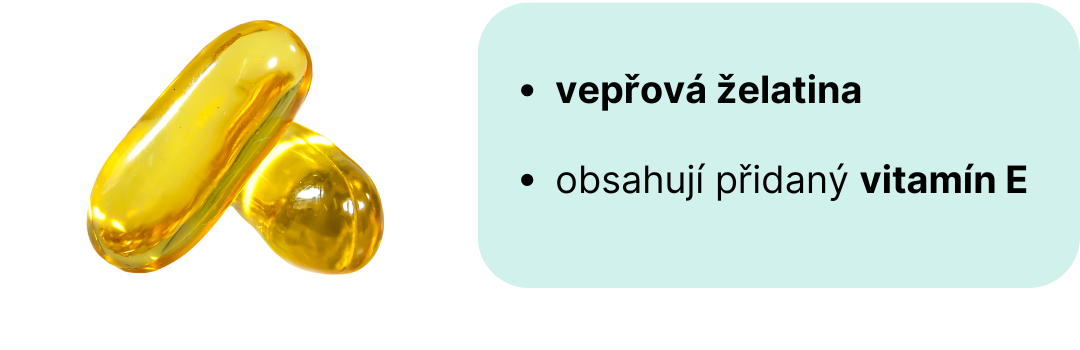
As we mentioned in an earlier section of this article, omega 3s tend to be recommended by some scientific studies, and we covered them in one of our comprehensive articles. Omega 3 fatty acids can be supplemented both with conventional capsule supplements and through krill oil. However, if you don't want to resort to taking supplements, a good option for you may be, for example, plain flaxseed oil, which is a good source of omega 3 and can be used in a variety of salads.
.png)
Calcium
As menopause is associated with bone loss in some cases, it is also important to look after musculoskeletal health. And as we mentioned in a separate article on calcium, women over 50 should take more calcium than women under 50. The solution, of course, may be to include sufficient dairy products and other foods high in calcium in the diet. If you choose to supplement this nutrient, we recommend that you take supplements combining calcium with vitamin D3 for optimal absorption.
Collagen
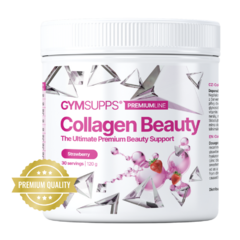
As a result of the decrease in estrogen, the production of collagen, which is responsible for good-looking skin, healthy nails and hair, among other things, also decreases. That's why for some women it may be a good choice to include high-quality collagen in their regular supplementation.
Other supplements
In addition to the above trio, of course, there are also supplements that seem to be aimed directly at menopause-related problems. For example, red clover is a popular one, but the results of scientific studies are very inconclusive in this regard. So, in case you come across such a supplement, we recommend that you consult with your doctor before taking it to find out its benefits and possible negatives.
Recommended


What to take away from this article?
The main thing you should take away from this article is that menopause can present with a range of symptoms. In addition to the most common ones such as hot flashes, sleep problems and headaches, you may also experience decreased libido, psychological problems, dry mouth and a host of other complications. However, to alleviate these symptoms, it is advisable to have a proper diet, maintain a healthy weight, exercise regularly, drink enough and not take in too much sugar. Certain supplements can also make sense, especially omega 3, calcium or collagen.
No posts have been made yet.








