





Flu season is coming... What to do when the first symptoms appear?
 Author:
 With autumn approaching, the unpopular season of colds and flu is knocking on the door. Our immune system normally prevents any germs from taking hold of us. However, if it is not functioning properly, for example due to enormous stress, inappropriate eating habits or excessive physical activity, the germ can get into the body and really bother us. Today we will look at what to do when we feel the first signs of flu or cold - what to do and what not to do?
Article content:
- Theoretical window - how does the immune system actually work?
- Negative factors affecting the immune system
- How to know if a germ is trying to get us?
- Tips on how to help yourself quickly when the first symptoms of flu or cold appear
- What can I take away from this article?
Theoretical window - how does the immune system actually work?
The immune system is a kind of barrier of our body that protects it from the negative influences of the outside world. It takes care of neutralizing and eliminating pathogens such as bacteria, viruses, parasites or fungi that manage to enter the body, and it also recognizes and neutralizes harmful substances from the environment that can have a negative effect on our health. The immune system works continuously without us feeling its activity in any significant way. However, its performance is influenced by a number of different factors, which we will look at in a moment. Of course, we can strengthen the immune system regularly, and a great way to do this is by following the principles of a healthy lifestyle - a balanced and healthy diet with sufficient nutrient intake, regular sporting activity and being out in the fresh air every day, proper rest, quality sleep and working with stress.
Negative factors affecting the immune system
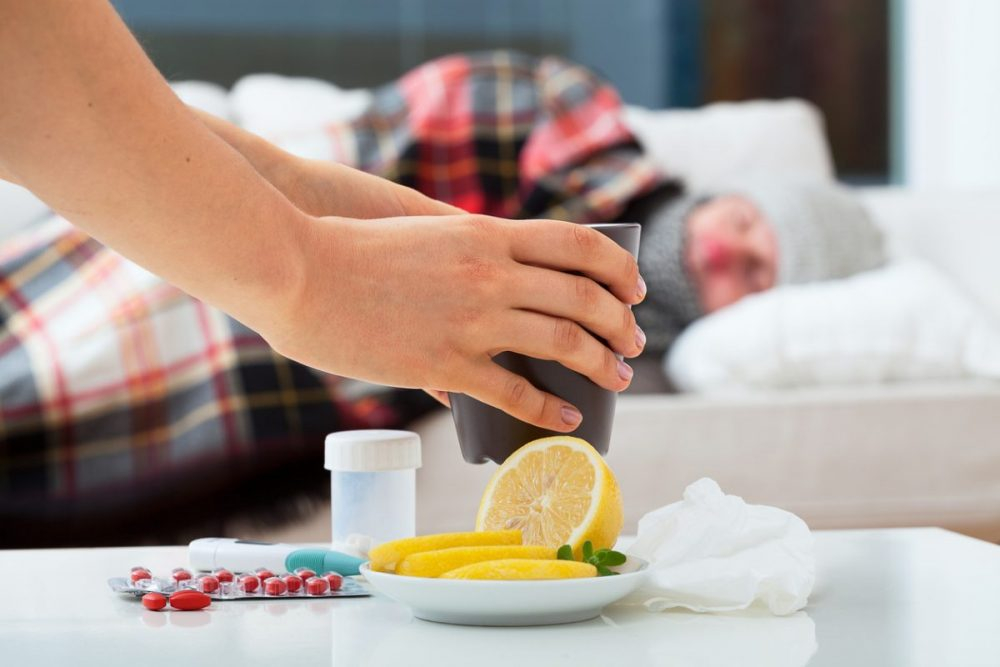
As already mentioned, there are a number of factors that can negatively affect the state of our immune system. Stress is definitely one of the most important factors that contribute to the deterioration of its activity. Stress leads to a higher production of the stress hormone cortisol, which, among other things, suppresses the immune system by reducing the number of lymphocytes (a type of white blood cell). Sleep deprivation and excessive physical or mental exertion also contribute to reduced immune function.
The immune system needs enough quality sleep for optimal functioning (as do other parts of the body). If it is deprived of it for a long time, it will show this in a very significant way, and in addition to the classic symptoms such as fatigue or irritability, frequent infections caused by a weakened immune system can also occur. We must not forget a diet consisting mainly of overly processed foods and insufficient intake of vitamins and minerals. Immunity is not supported by too significant a calorie deficit, alcohol consumption or smoking. Overuse of medicines and antibiotics is not beneficial either. Regular intake of fresh air and sunshine is also important, which is a reminder nowadays when we spend so much time indoors.
How do we know if a germ is trying to get us?
Everyone has had a cold or flu in their lives, so we don't assume that anyone doesn't know the basic symptoms, but to recap. If you're feeling tired, your joints are aching, you've got chills, your throat is scratchy, you've got a cough or your nose is starting to run, it's likely that a germ is trying to get you. Fortunately, there are a number of ways to get the germ out of your body before it has a chance to fully manifest itself, or at least to help ease the course of the illness and shorten its duration. So let's do it!
Tips on how to help yourself quickly when the first symptoms of flu or cold appear
If you are experiencing the symptoms of a cold or flu, keep the following points in mind:
Get some rest!
The moment you feel really tired and crampy, the best option is to give yourself a few days of rest - ideally on a homeoffice. If your job allows you to work from home, don't be afraid to take advantage of this and instead take your work from home to the couch and wrap yourself in a blanket for a few days. In addition to the fact that the peace of mind will benefit you, you'll also be doing a service to your colleagues, whom you'll keep from getting sick by insulating them. If you have to go to work, avoid crowded public transport and other places with high concentrations of people, and drive your own car instead. Don't forget to keep warm - pack a sweater, warmer socks and, if possible, sit in a separate corner so you don't splash on others. And of course - at least after working hours, try to relax as much as possible.

Don't overdo it with physical activity
Be careful with physical activity, sometimes it can help the immune system to overcome a germ, sometimes it can knock it down completely. Training, even if we think of it as a pleasant activity, is also a stressor for the body and the moment we overdo it, we can deal a serious blow to our immune system. If you feel that something is getting to you, choose lighter activities and dress well. If you're coughing, have a fever or a scratchy throat, skip the workout altogether. It will be fine for a few days, your body will regain its strength and you will be back in full swing. A short training break may even be just what your body needs, and pushing it into some intense activity can kick your illness into high gear and prolong your recovery. What's more - not only will you be doing your body a favor by taking this step, but you'll also be doing other visitors to your training facility a favor.

Pay due attention to hygiene
Adequate hygiene is not only a way to prevent the spread of infection if you happen to have the bug, but also a promising way to prevent catching it in the first place. Germs like to stick to the various surfaces we come into contact with on a daily basis, so hand washing is essential. If you're travelling on public transport or coming from the shops, make sure you head to the bathroom first and wash your hands well with soap. Disinfectants don't hurt either. And don't forget to ventilate more often - whether at home or at work.
Rely on a healthy diet and the healing power of food
The fact that our gut is where we find the biggest part of our immune system is reason enough to put diet at the top of our priorities - and of course this is true not just at the first sign of illness, but always. Even when we lose our appetite or perhaps have to go to bed, the body needs enough energy to fight off the bug. And of course it's up to us to supply it. So forget about extreme calorie deficit or complete fasting. Rely on fresh, good quality food in sufficient quantities, because if the body does not have sufficient energy in the form of good quality food, you are not helping it, but rather weakening it.
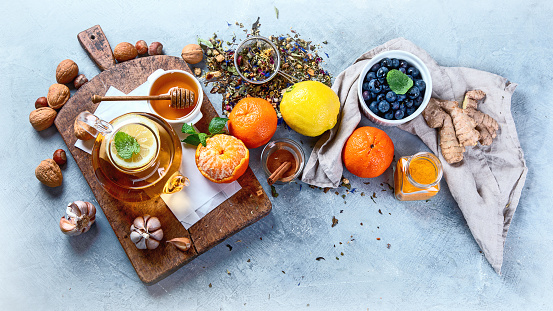
If you are feeling crampy, include plenty of fresh fruit and vegetables in your diet, which are sources of important vitamins and minerals, substances that can help significantly with the treatment or treatment of germs. Complex carbohydrates, sources of good quality protein and, of course, important fats should not be forgotten. Avoid excessive restriction or complete restriction of individual macronutrients and ensure that your diet is balanced. Also add anti-inflammatory foods such as ginger, onions, garlic, citrus, honey and foods rich in antioxidants (most fruits).

Regular intake of probiotics, which feed the beneficial bacteria in our gut, is also important for a strong immune system. These can be found, for example, in fermented milk products, kimchi, yoghurt with probiotic cultures and the classic sauerkraut is also a rich source. A variety of broths are also a great choice for colds, as they warm you up and provide your body with fluids as well as nutrients. Conversely, limit your intake of sugar, overly processed foods, fast food, cold cuts and beware of excessive caffeine intake.
Don't forget to drink
We will smoothly follow up with the next point, which is just sufficient fluid intake. Sufficient water in the body is important for the transport of nutrients and oxygen, but it also helps flush out toxins and pollutants, helping the body to detoxify, which can speed up the retreat of symptoms. Warm teas with lemon and ginger, plain water, but also broths and other hydrating foods such as fruit or vegetables are ideal choices.
Give your body enough sleep
Sleep is medicine! And that's without exaggeration. Sleep is key to ensuring optimal health and its importance is rightly emphasised in a variety of areas, whether we're talking about immunity, sports performance, fat reduction, recovery or muscle building. Sleep is a great support for a strong immune system and should definitely not be neglected. The optimal amount of time we should devote to sleep each day is, as is usually the case, very subjective for each of us. It is generally recommended to sleep between 6 and 9 hours. During sleep, our body rests, regenerates, regains strength and energy and also fights off germs. So, when we feel sick or feel that a germ is trying to get at us, we can sleep during the day. Believe it or not, if you schedule a few days of rest right at the start of your illness, get a good night's sleep, pour yourself some tea and stock up on plenty of vitamins, you'll be back to your best very quickly.
Recommended



Learn to work with stress
Since stress is one of the main factors that contribute to the immune system, it is necessary to learn how to work with it, both in the treatment of illness and especially in prevention. A certain amount of stress is natural and actually necessary for the body, but if there is too much stress in the long term, it increases the risk of developing disease and makes our immune system less vigilant to external threats and more likely to succumb to a bacteria or virus. The moment a virus is already invading us, try to keep all stressors to a minimum - that's why it's recommended to stay calm at home, skip workouts and irritating foods. Don't stress yourself out by "having to slow down" - your body will pay you back a thousand times over.
Rely on the right supplements
Of course, diet is the absolute basics, but in addition to that, you can also add certain supplements to help support your immune system. The most important supplement in this regard is, of course, a good quality multivitamin, which should not be missing on anyone's shelf, even as basic prevention. Another supplement whose use should be standard is omega-3 fatty acids. These have an effect on a wide range of processes in the body, affecting the health of the heart, eyes, brain and, of course, they are also very important for the immune system and its proper functioning. Although we can get them through our diet (for example by eating fattier fish), few of us can get the necessary amounts. For this reason, supplementing them is a very convenient way to meet the necessary daily intake.
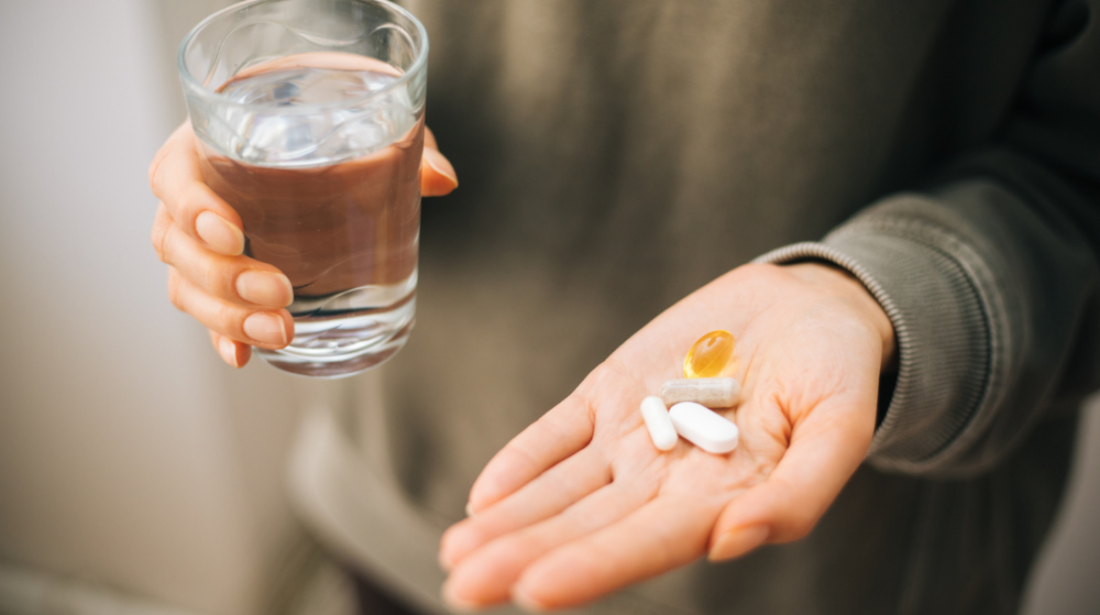
Over the winter, it is worth supplementing vitamin D, which is one of the most commonly deficient nutrients in the world's population, yet its importance to overall health is absolutely crucial. Research suggests that low levels of this vitamin are associated with a higher incidence of colds, flu and other respiratory infections, so we should not underestimate its intake, especially over winter when we cannot get enough of it from the sun.
You can't do any harm by supplementing vitamin C, especially during flu season. When it comes to supplements to boost immunity, we can't forget about zinc either. Zinc supports immune function and has antiviral effects. Zinc works most effectively when you start taking it at the first sign of a cold or flu. And finally: you can also do your body, and therefore your immune system, a good service by taking the aforementioned probiotics.
What to take away from the article?
With autumn, the season of colds and flu is knocking on the door. Today, we've given you a lot of tips on how to help yourself when you feel that a bug is trying to get the better of you. In addition to a balanced diet, sufficient drinking and the right supplements, it is also advisable to set a resting regime, limit contact with the environment, ventilate well, ensure adequate hygiene and - most importantly - give your body enough quality sleep, because it is (not only) very important during illness. If you become ill, get plenty of rest and seek medical attention if necessary.
Sources:
Dhabhar F. S. (2014). Effects of stress on immune function: the good, the bad, and the beautiful. Immunologic research, 58(2-3), 193-210. https://doi.org/10.1007/s12026-014-8517-0
Bollinger, T., Bollinger, A., Oster, H., & Solbach, W. (2010). Sleep, immunity, and circadian clocks: a mechanistic model. Gerontology, 56(6), 574-580
Aranow C. (2011). Vitamin D and the immune system. Journal of investigative medicine : the official publication of the American Federation for Clinical Research, 59(6), 881-886. https://doi.org/10.2310/JIM.0b013e31821b8755
Parkin, J., & Cohen, B. (2001). An overview of the immune system. Lancet (London, England), 357(9270), 1777-1789. https://doi.org/10.1016/S0140-6736(00)04904-7
Prather, A. A., Janicki-Deverts, D., Hall, M. H., & Cohen, S. (2015). Behaviorally Assessed Sleep and Susceptibility to the Common Cold. Sleep, 38(9), 1353-1359. https://doi.org/10.5665/sleep.4968
Wintergerst, E. S., Maggini, S., & Hornig, D. H. (2006). Immune-enhancing role of vitamin C and zinc and effect on clinical conditions. Annals of nutrition & metabolism, 50(2), 85-94. https://doi.org/10.1159/000090495
Ashraf, R., & Shah, N. P. (2014). Immune system stimulation by probiotic microorganisms. Critical reviews in food science and nutrition, 54(7), 938-956. https://doi.org/10.1080/10408398.2011.619671
Hulisz D. (2004). Efficacy of zinc against common cold viruses: an overview. Journal of the American Pharmacists Association : JAPhA, 44(5), 594-603. https://doi.org/10.1331/1544-3191.44.5.594.hulisz
Dinan, T. G., & Cryan, J. F. (2017). The microbiome-gut-brain axis in health and disease. Gastroenterology Clinics, 46(1), 77-89.
No posts have been made yet.








